At Casa y Deco, we love discovering that the most enduring trends are those that simply feel right. Earth tones in the living room are a perfect example: they are not a passing fad that will force you to repaint the walls in two years, but a safe investment in well-being and warmth that has worked for decades. There is something deeply reassuring about surrounding yourself with beiges, warm browns, terracotta, and ochres that evoke nature without being boring.
I confess that for years I dismissed earth tones thinking they were too "grandma-like." Then I discovered that what I lacked was understanding how to use them correctly. It’s not about painting everything brown and hoping for the best, but about creating layers, playing with intensities, and combining textures that make the space breathe. When we did this in our own living room, the difference was astonishing: the light seemed warmer, the sofa more comfortable, and the whole room gained a coherence that it previously lacked.
The reason earth tones work so well is scientific. These colours activate regions of the brain associated with calm and security. Ochre, sienna, toasted beige, and sandy brown remind us of natural elements: earth, sand, stone, aged wood. Our instinct tells us it’s a safe place, and that translates into a sense of peace that other colours struggle to achieve with the same ease.
Before you start decorating, think about which earth tone you want as the protagonist. Not all beiges are the same: some are cooler, almost grey, while others have orange undertones that warm things up much more. Ochres can lean towards yellow or red. Browns can be deep and almost black, or light and sandy. Request paint samples at home and observe them at different times of the day, especially at sunset when the light is warmer. The paint that looks perfect at ten in the morning can appear completely different at six in the evening.
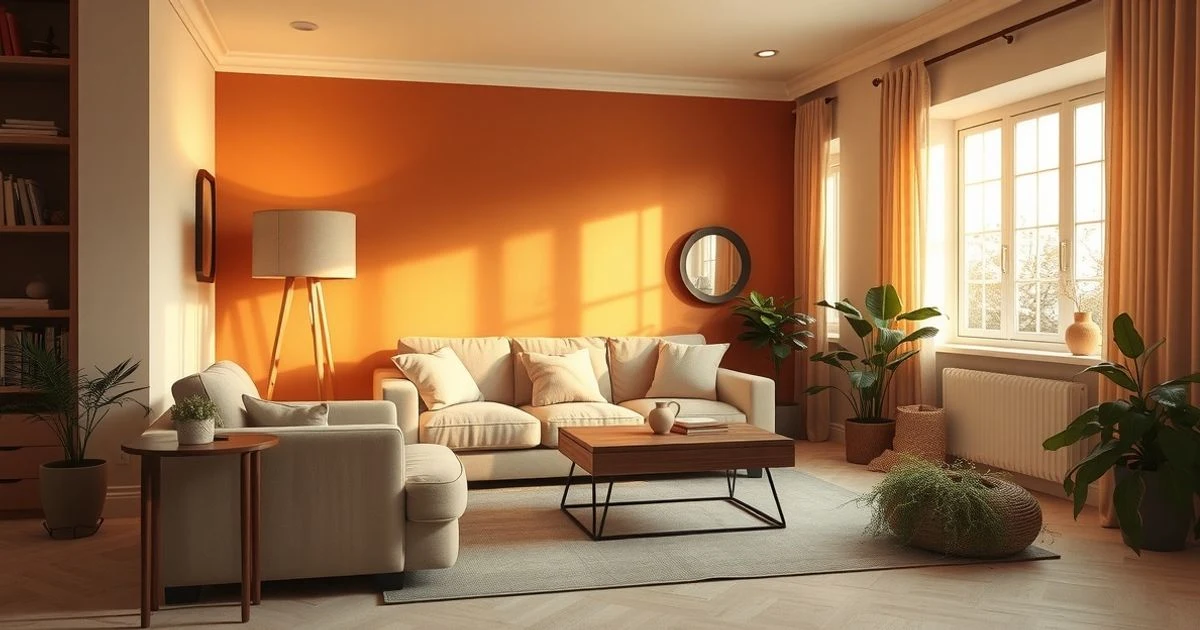
Combining two earth tones in the same living room is a trick that never fails. Choose a lighter base colour for the main walls — a warm beige or soft taupe — and then play with a more intense tone on an accent wall or in the mouldings. For example, creamy beige on three walls and deep terracotta on the one behind the sofa creates a sense of depth that makes the space feel larger and cozier at the same time.
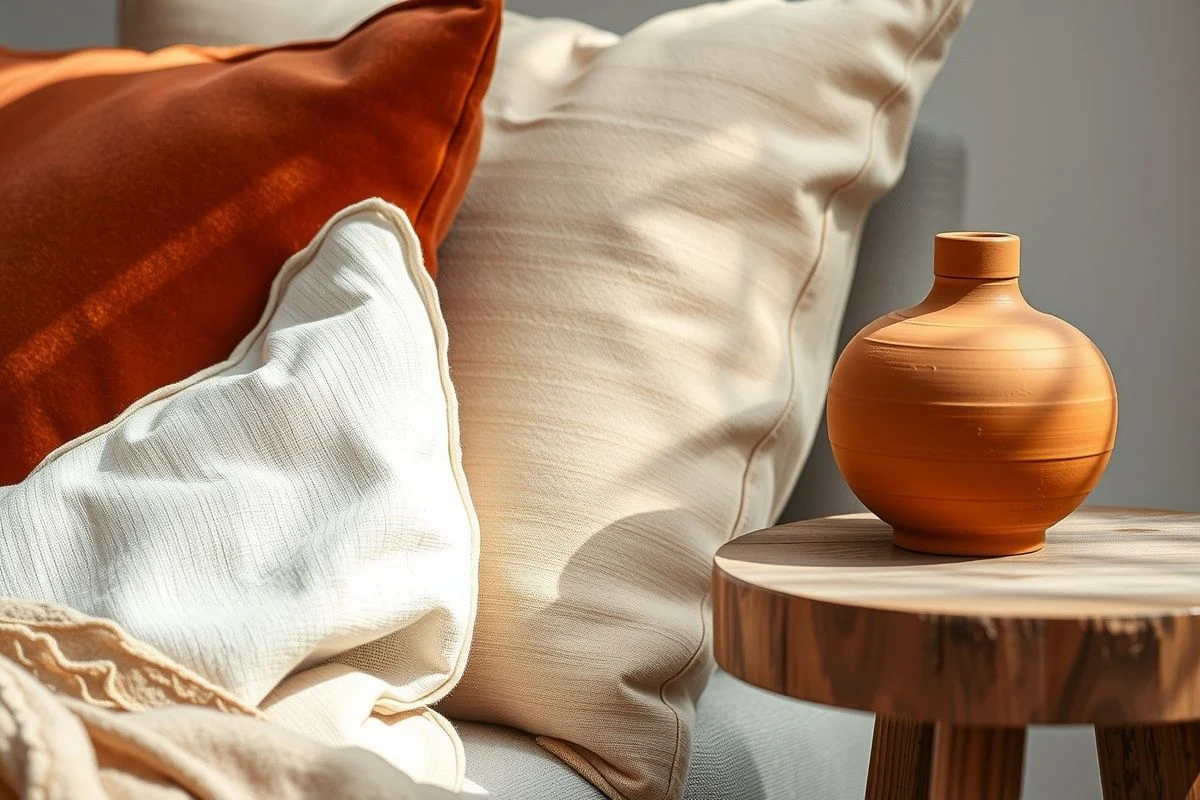
Furniture is where you can really experiment with earth tones without fear of going wrong. A sand-coloured linen sofa, a dark brown suede armchair, an oak coffee table: each piece adds to the palette without creating visual monotony because different materials generate variation. When you mix textures — velvet, linen, worn leather, natural wood — earth tones gain dimension, and you no longer see a boring living room but one with character.
Don’t forget that earth tones need light to shine. If your living room receives abundant natural light, earth colours illuminate warmly. If you have little natural light, opt for complementary lighting: floor lamps with linen shades, brass sconces, or warm lights around 2700K. Lighting is what separates a cozy earth-toned living room from one that feels like a bunker. I’ve seen perfectly decorated living rooms ruined by cold, harsh lighting.
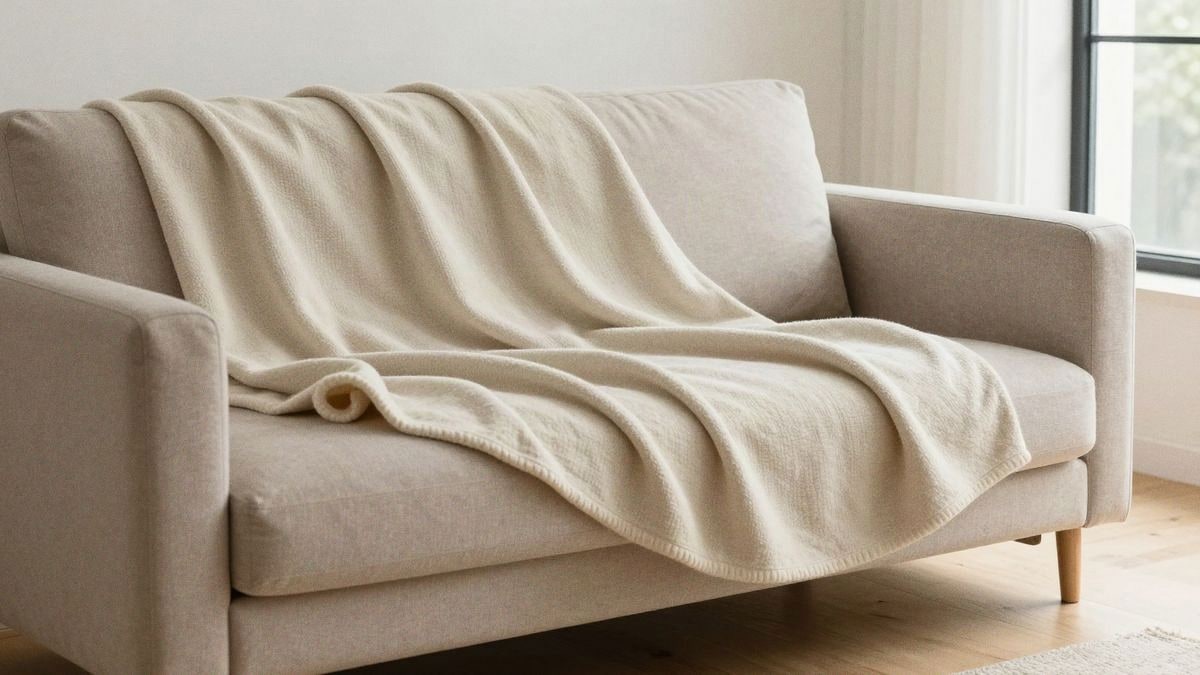
Textiles are your allies for adding contrast within the earth palette. Cushions in complementary tones — a yellower ochre, a nearly red brown, a nearly grey beige — create visual interest without straying from harmony. Curtains can be in a lighter earth tone than the walls, creating a subtle hierarchy. Rugs work best in darker tones or with patterns that include earth tones with other neutral colours like off-white or grey.
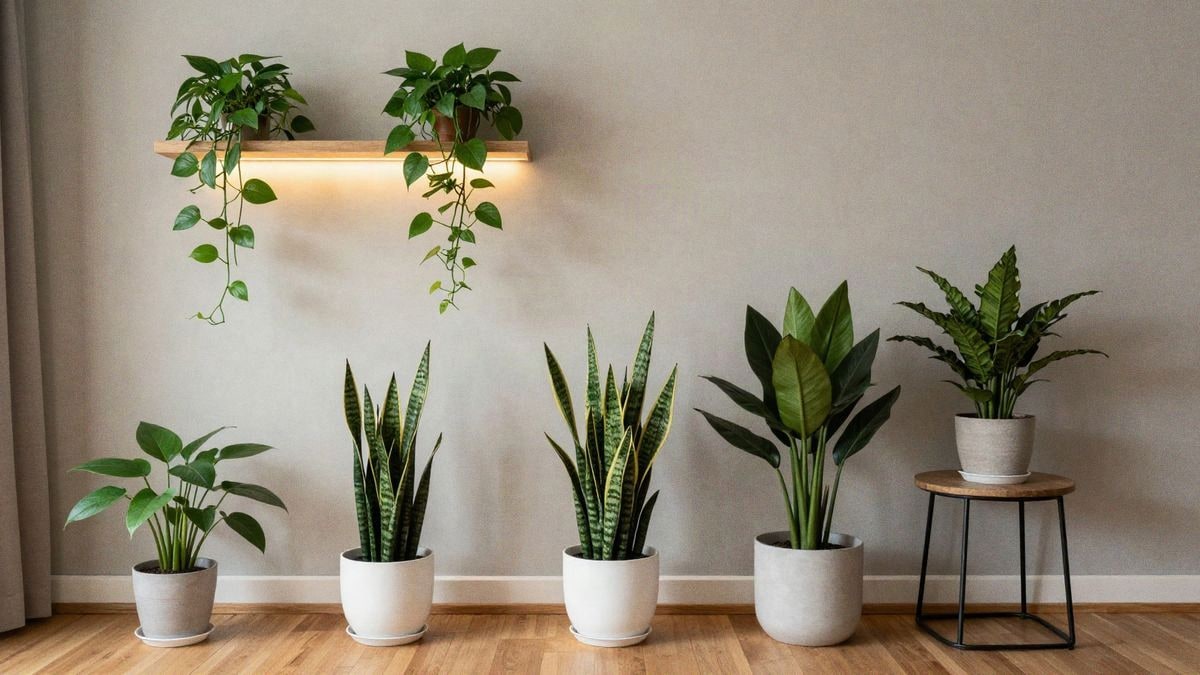
If you want to break the monotony, add plants. The green of plants is the perfect complement to earth tones: it looks vibrant and natural without competing. A ficus in the corner, a pothos on a shelf, succulents on a low tray on the coffee table. Plants are not just decoration; they are the only elements that can change the living room without the need for renovations.
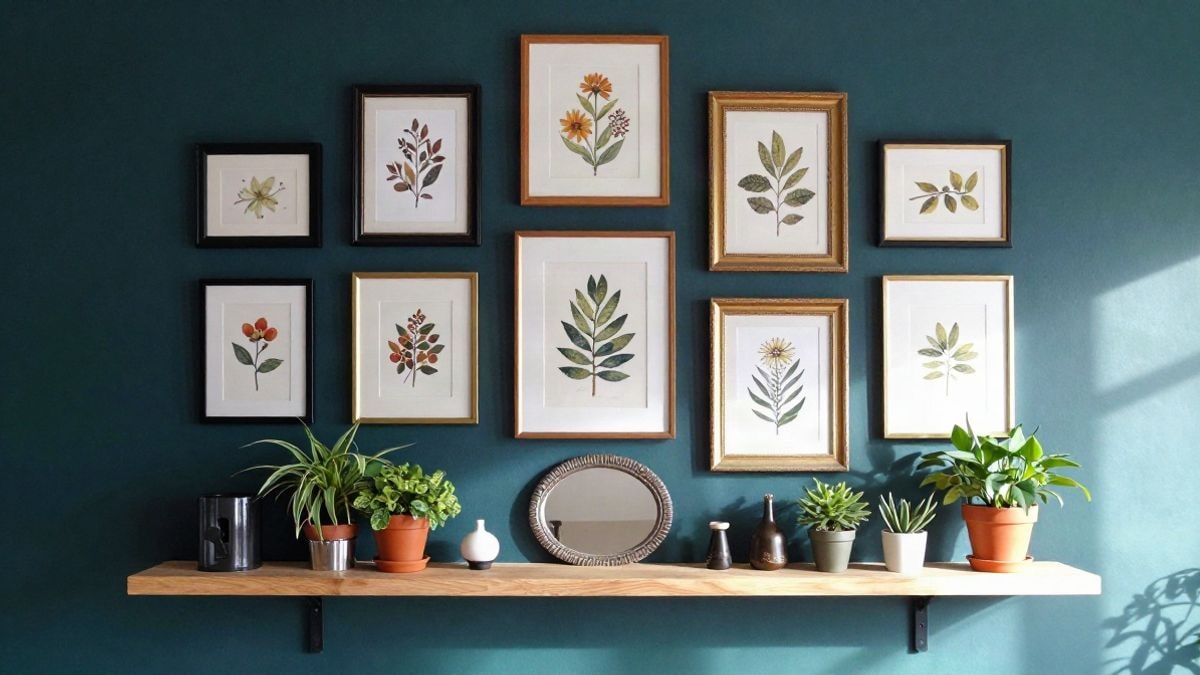
Decorating with art is where many people get lost in earth-toned living rooms. You don’t need boring black and white photography. Paintings with ochre, sienna, terracotta, and ivory tones work perfectly. Abstract studies that play within the earth palette, watercolours that capture natural landscapes, or even desaturated landscape photography with those warm tones. Art needs to add something, not just fill space on the wall.
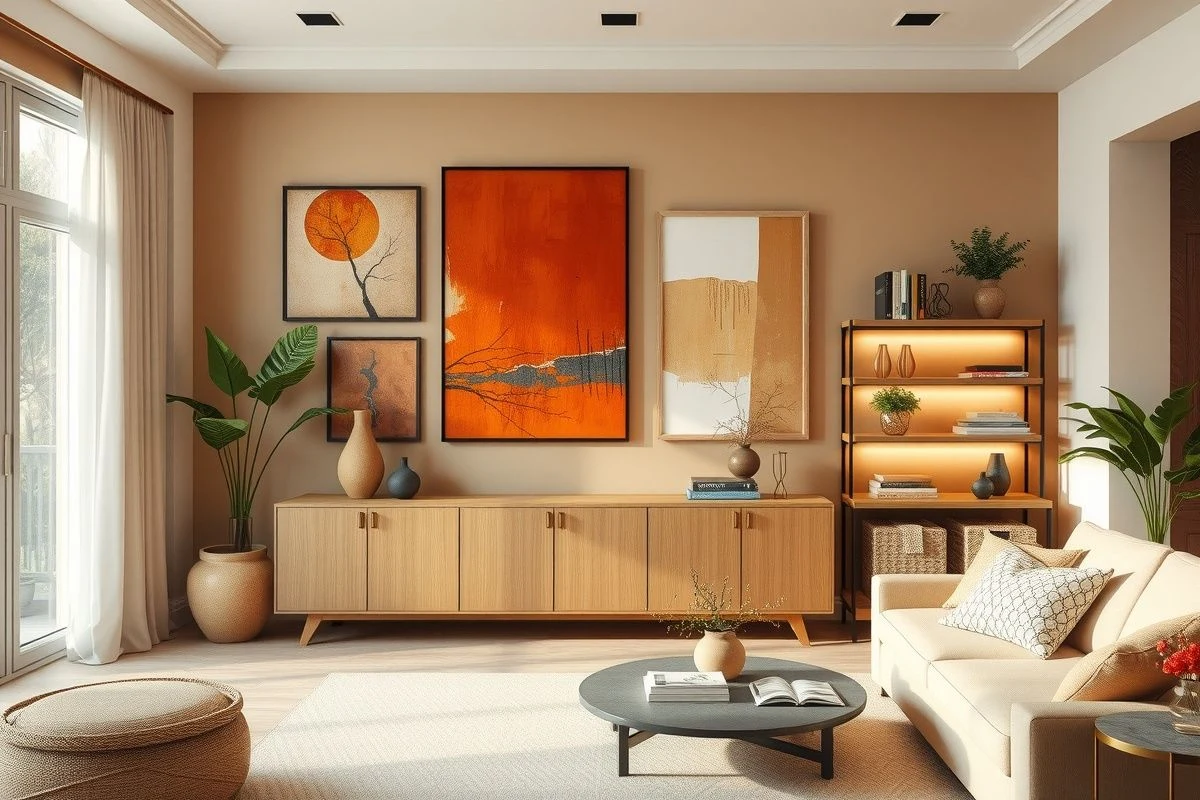
I’ve made the mistake of trying to keep an earth-toned living room too clean and minimalistic. The result: it looked like a soulless boutique hotel. Earth-toned living rooms respond well to a certain amount of layers, accessories, and objects that contain stories. A natural fibre basket for storing blankets, stacked books, a wooden tray with scented candles. These details make the space livable and not just an exhibition.
Measuring the sofa well before buying it is crucial when working with earth palettes because proportion errors are much more noticeable in cohesive spaces. A sofa that is too large in a small living room with intense earth tones will suffocate it. One that is too small will make the space feel incomplete. Aim for the sofa to occupy approximately 40 to 60 percent of the wall where it will go, including the armrests.
Earth tones are especially versatile if you need your living room to adapt to different styles. They work in a rustic interior with wooden beams and woven textiles. They work in a minimalist Scandinavian space with clean pieces and straight lines. They work in an eclectic living room that mixes eras and cultures. It’s rare for a colour palette to be so tolerant. That’s why professional designers turn to it time and time again.
If you’re thinking of renovating your living room, start by observing which elements you already have that fit with earth tones: that inherited painting, grandma’s rug, the dark wooden table. Build from there. You’ll often discover that you already have more of this palette at home than you thought, you just never saw it as a cohesive whole.
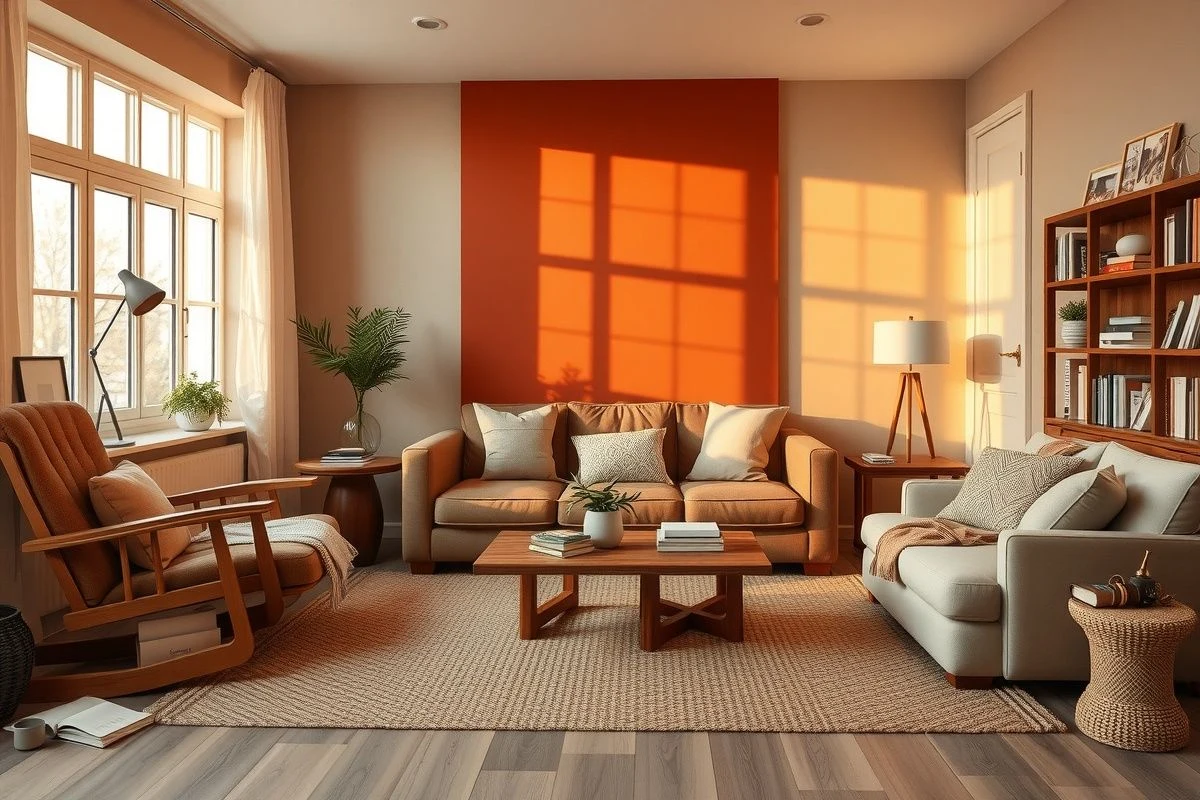
Earth tones are not a trend: they are common sense. They are the colour of time passing while remaining beautiful. Decorating a living room with this palette is betting on tranquility, durability, and a space where you’ll want to spend hours reading, conversing, or simply existing without feeling that everything is so perfect that you can’t relax.

You may also like