At Casa y Deco, we love to talk about lighting because it is often overlooked in most decoration projects, yet it truly defines how we experience a space. A perfectly furnished and coloured living room can feel dull and depressing, while the same room can be transformed by a well-thought-out lighting strategy. Light is makeup, architecture, emotion, and functionality all in one.
Today's interior designers have moved beyond the outdated view of choosing between warmth or coolness as if they were irreconcilable enemies. Now the trend is mixed, intelligent, and adaptable. We are talking about lighting that breathes, that changes according to the time of day and needs, combining colour temperatures to create sophisticated environments without sacrificing practicality. I confess that a few years ago, I was one of those who believed everything should be warm white at night, period. I didn't understand the strategy. Now I see that is the least important.
Colour temperature is measured in Kelvin, and it is essential to understand it: below 3000K we talk about warm light (orange, comforting); between 3000K and 4500K there is a neutral zone that seemed boring but is actually versatile; and above 5000K comes cool light (blue, stimulating). Interior designers no longer see this as a dilemma, but as a working palette.
What has changed? LED technology has revolutionised everything. Now we can have dimmers and smart systems that automatically adjust the colour temperature. A bedroom that is bright and cool in the morning can transform into a warm refuge at dusk without changing a single bulb. Designers love this because it opens narrative possibilities in every room.
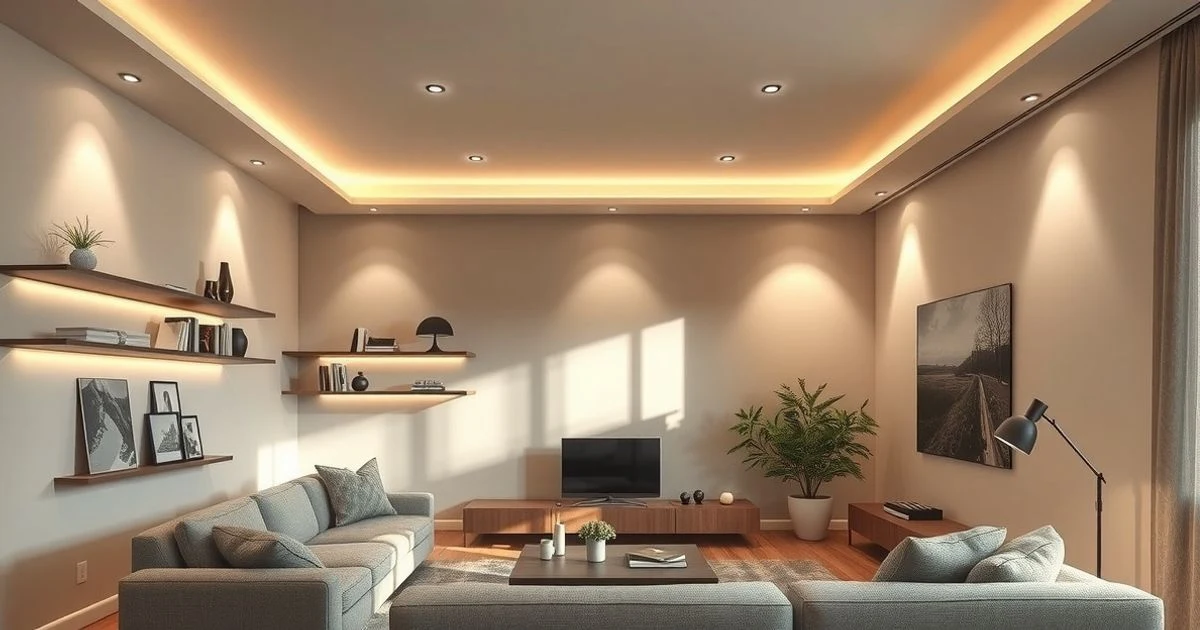
In living rooms and dining areas, the trend is strategic combination. Warm general lighting (around 2700K) is maintained to create ambient warmth, but cooler or neutral light points are added for specific tasks: reading, working, integrated cooking. It’s like having two atmospheres coexisting without conflict. A living room with only warm light can seem sleepy; one with only cool light can feel clinical. Together, they work.
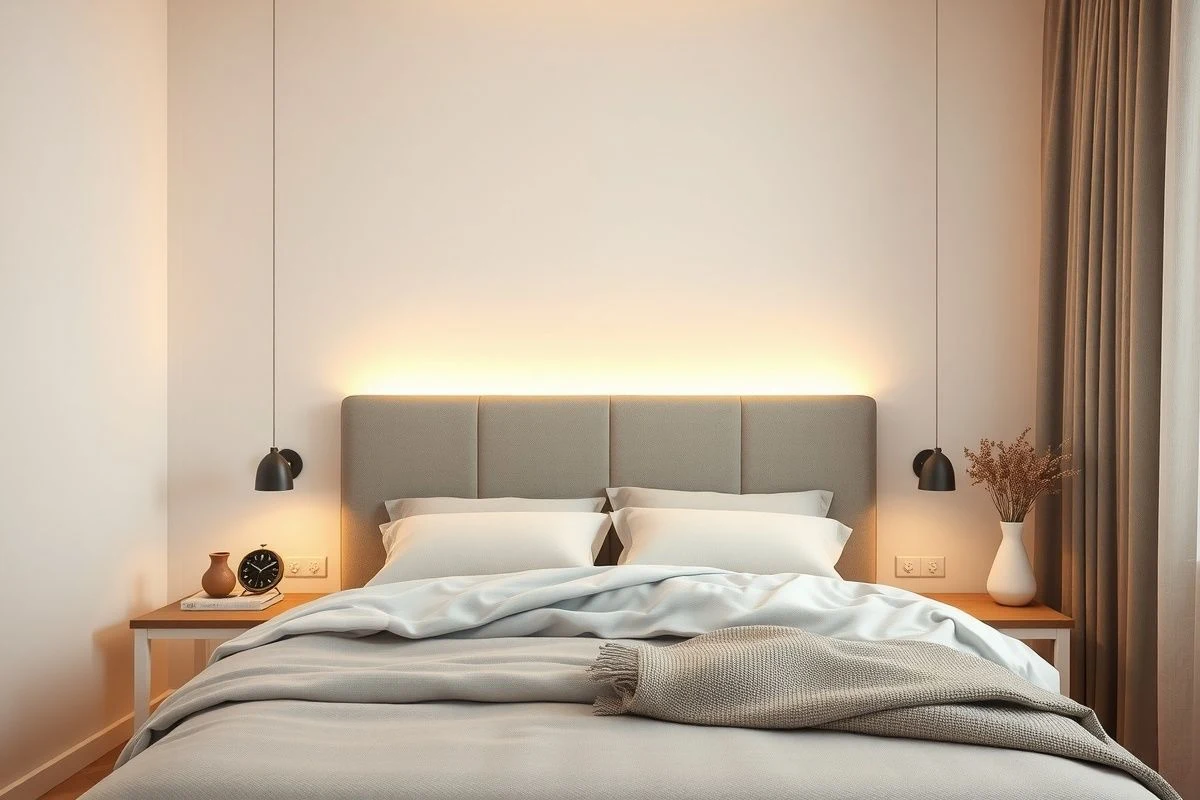
In bedrooms, the current trend rejects any direct cool light. Here warmth prevails, between 2700K and 3000K, but with an extra layer of contrast: indirect light against walls (for example, with mouldings or LED strips), creating depth without glare. We are not convinced at all by minimalist bedrooms with a single ceiling lamp. The modern bedroom is illuminated in layers.
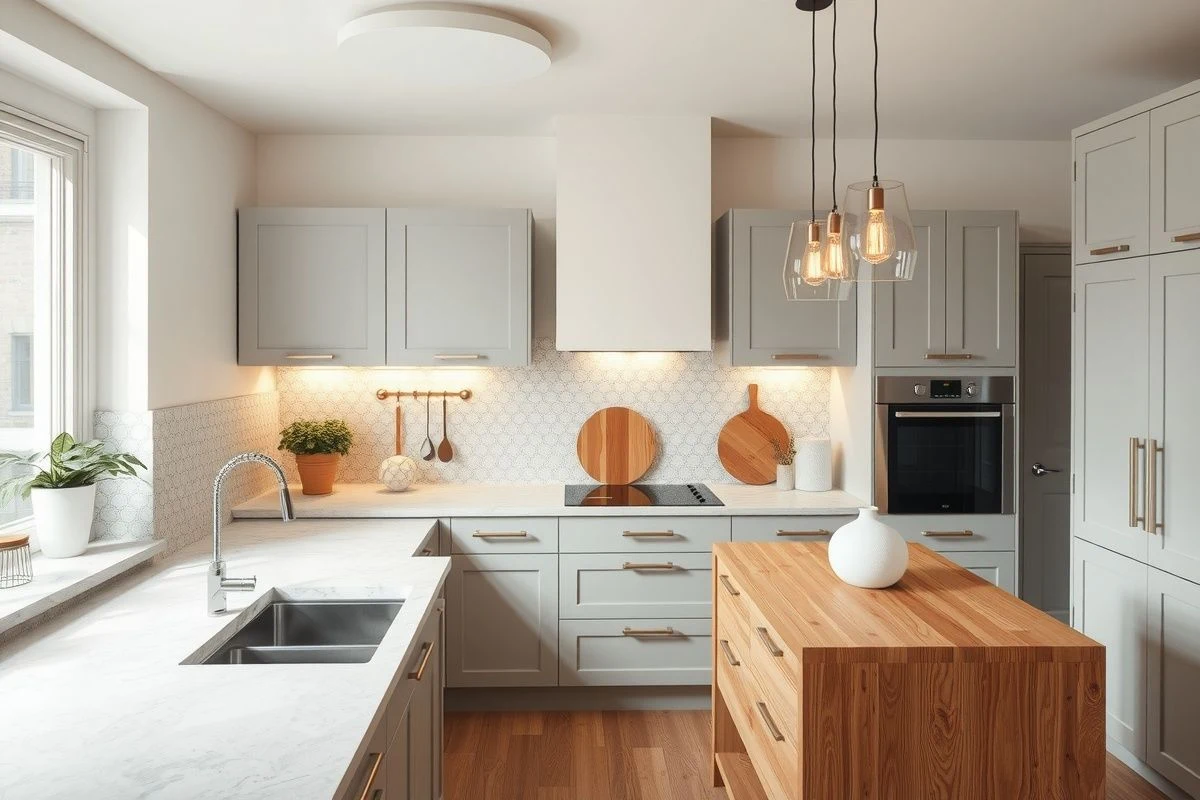
Kitchens are the area where designers are being bolder. Historically, they were the realm of cold white, functional light. Now we see kitchens with a neutral base around 4000K in work areas (you need to see well to cook) but with warm ambient light on the island or bar. If you also add a warm point over a corner of plants or a picture, the kitchen gains character without losing utility.
A practical tip that saved my living room: layer your lighting. You need at least three: ambient (general indirect or ceiling light), functional (reading lamps, wall lights over mirrors), and accent (decorative lights that highlight elements like pictures, plants, or textures). With this structure, playing with colour temperatures becomes natural, not forced.
The materials of the light fixtures also matter. A warm lamp inside a cream linen shade diffuses differently than the same bulb behind polished glass. Designers now choose not only the temperature but also how that light will interact with the materials of the space. Glass, metal, fabric, ceramic: each refracts and absorbs differently.
Wall colours and lighting go hand in hand. A stone grey or neutral beige behaves radically differently under warm light than under cool. If you have a bedroom with warm-toned walls (terracotta, soft ochre), cool light kills it. Conversely, a pure white wall can benefit from neutral light to avoid looking like an operating room. This is what designers value: coherence.
The phenomenon of luminous well-being is gaining weight in decoration. There is evidence that exposure to cool light during the day improves alertness, and warm light at night favours melatonin. Many people are installing systems that simulate natural cycles, gradually changing the colour temperature throughout the day. It’s no longer just aesthetic; it’s health.
In small spaces, cool lighting helps visually expand, but the effect is cold if not tempered. A smart solution: neutral or slightly cool light in high areas (makes the ceiling seem further away) and warm on horizontals and accents. This way, you gain breadth without losing warmth, which is what we seek in compressed spaces.
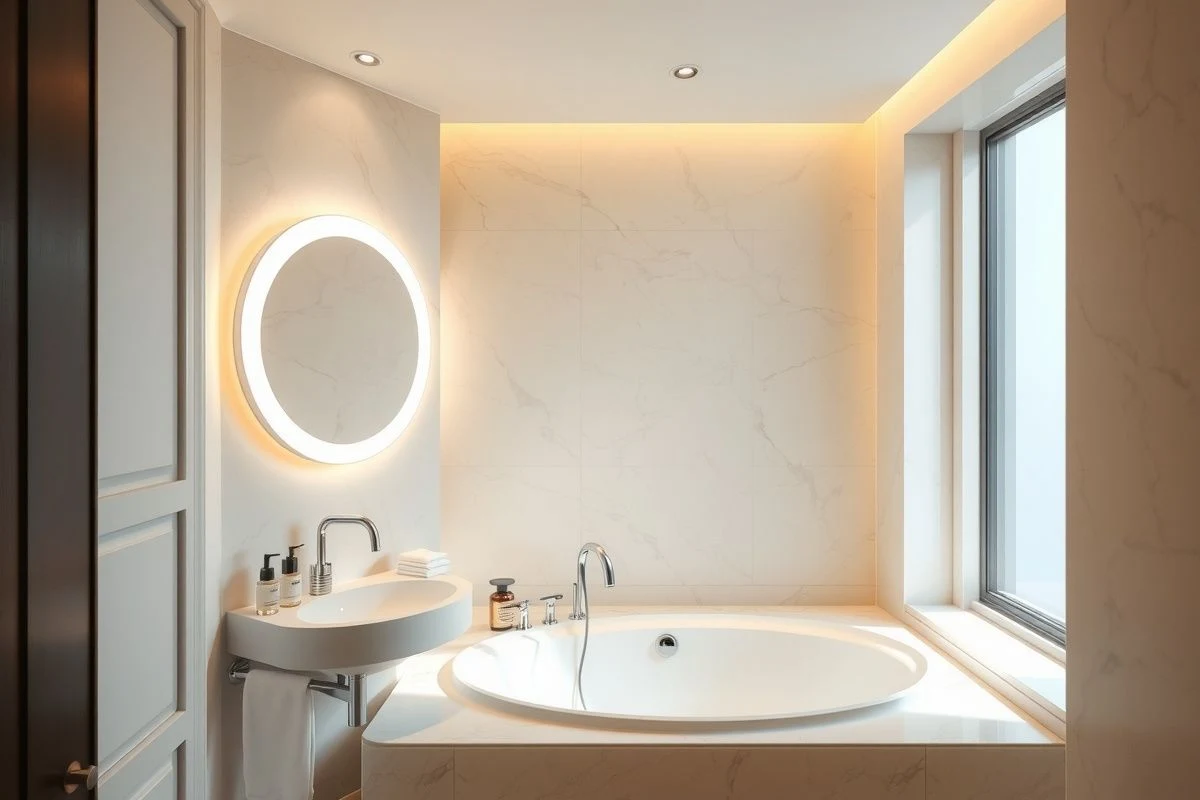
Modern bathrooms are neutral-warm territory. A bathroom with only cool light can feel like a train station. Designers are betting on neutral white light (4000K) over the mirror for functionality, but wrapping the rest of the bathroom in warmer, softer light, especially if the bathroom is a relaxation zone with a generous bathtub or shower.
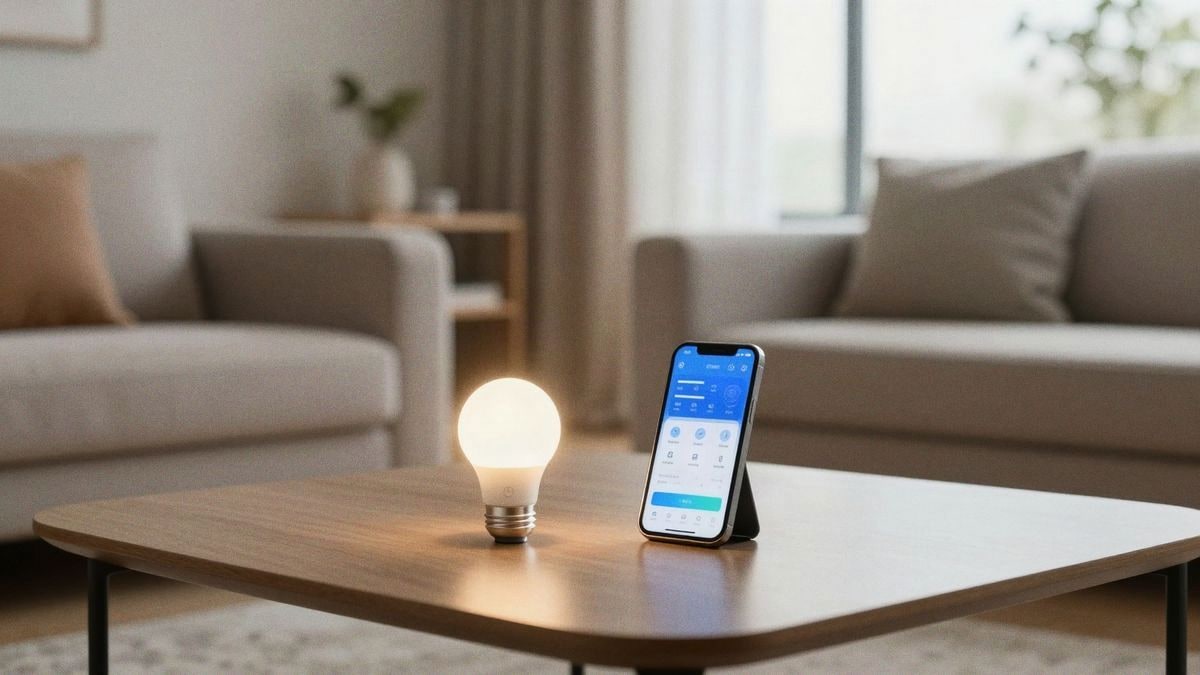
Smart technology and personalised control is what defines now. It’s no longer a luxury: affordable smart bulbs allow you to adjust temperature and intensity from your mobile. Designers recommend it because it’s the perfect tool to experiment, to find the temperature that truly works for you without needing reflections on the walls.
The trend is clear: goodbye to the dogmas of warm or cool light. Hello to thoughtful, strategic, and adaptable lighting. A well-lit space is not one that has a specific colour temperature.

You may also like