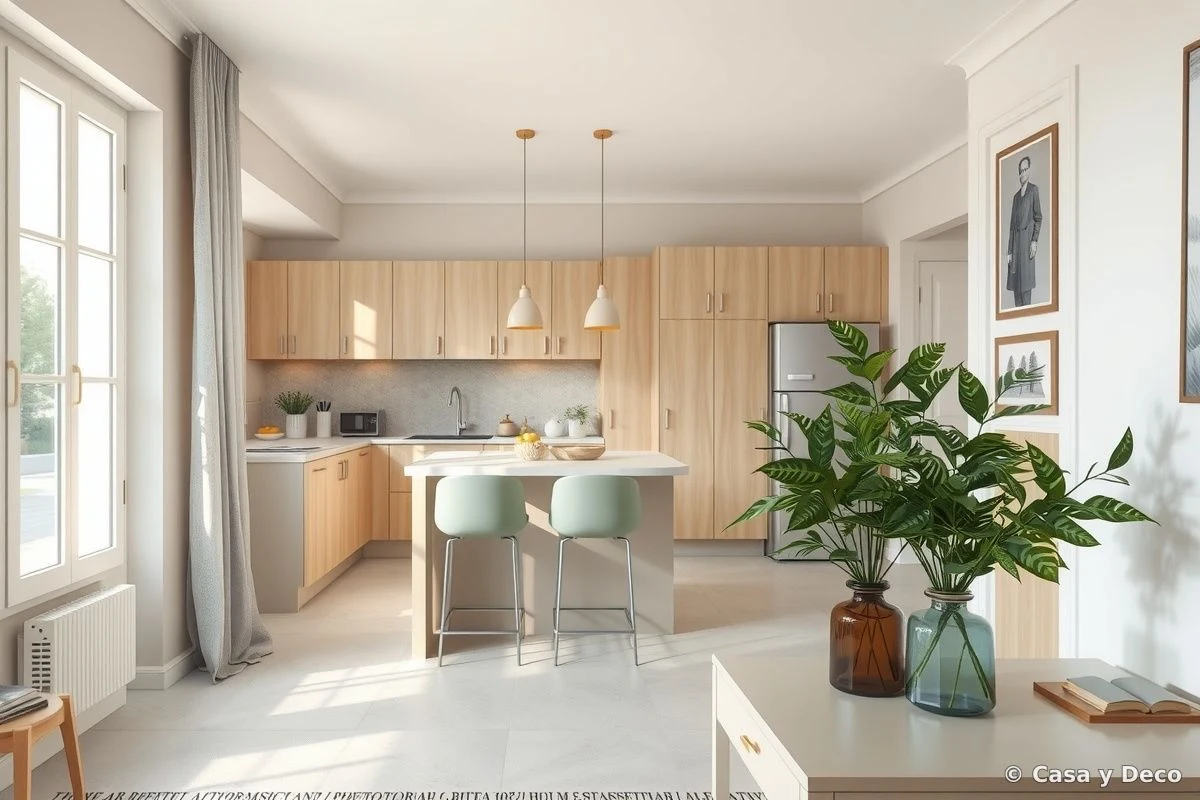
At Casa y Deco, we love an open kitchen to the living room. That concept of a fluid, bright space, where you cook while chatting with family, is one of the best things to happen in domestic interior design. But let's be honest: it comes at a cost. And we're not talking about money, but about aromas. That smell of frying, sautéed onions, or fish that wafts through the house is the downside of this modern luxury.
The good news is that you don't have to give up your open kitchen or condemn your living room to smell like food. I confess that my own open kitchen was a battlefield for the first few months until I learned some tricks that really work. Today, we share how to keep those beautiful spaces, and above all, fresh.
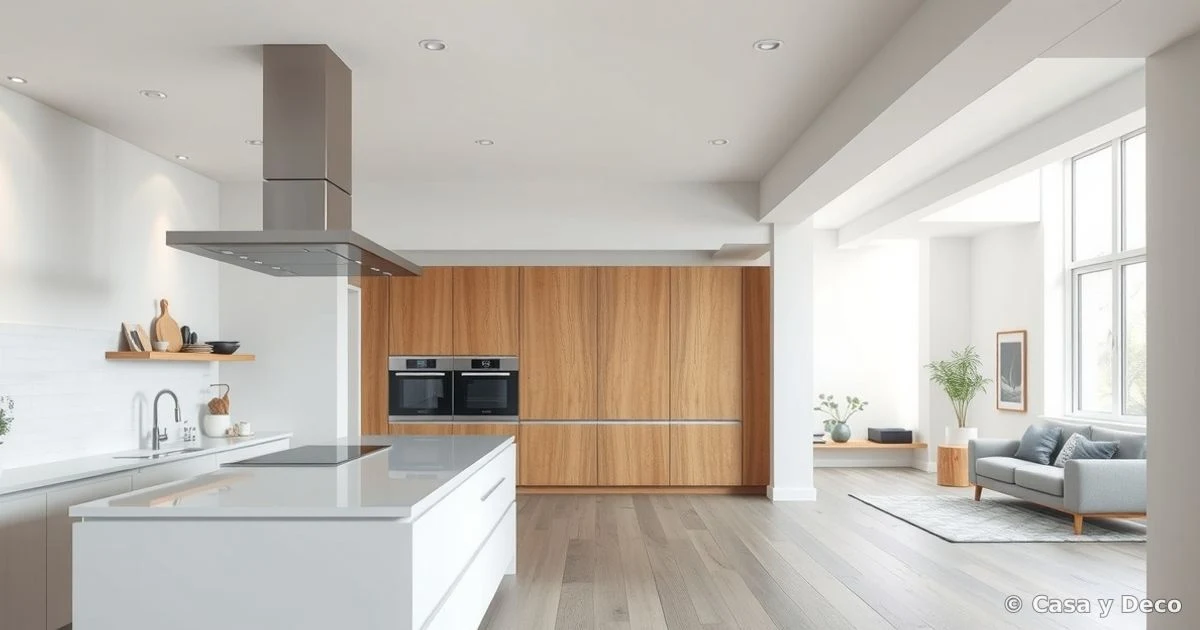
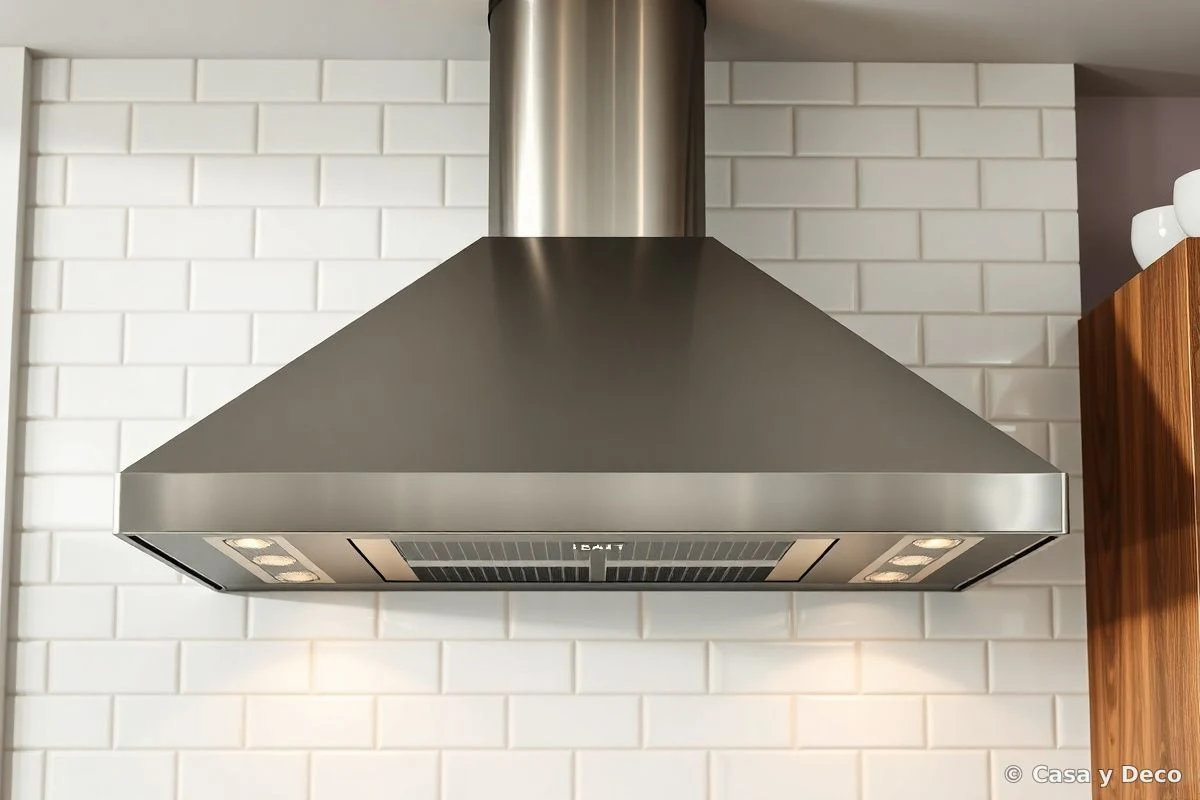
The first thing is to understand that odours travel with the air, and in an open kitchen, there are no barriers to stop them. That's why ventilation is your best ally. It's not just about having an extractor hood (which, of course, is essential), but understanding how air flows in your home. If your hood expels air into the living room instead of outside, you're wasting your time. Check that the ducts actually lead outside, not just to a false ceiling.
A sufficiently powerful hood makes a difference. It should renew the air in the kitchen at least 10-12 times per hour. If your kitchen is 15 square metres, you need a hood with a minimum of 180 cubic metres per hour. It's not an exact figure, but it gives you an idea. Decorative hoods that you mount over the hob because they look nice are often purely decorative; if you cook frequently, you'll regret it.
Maintain good air circulation throughout the home. Open windows strategically: one in the kitchen and another in the living room, preferably on opposite walls, creates a draft that quickly expels odours. Five minutes of cross-ventilation after cooking works wonders. It's not practical, I know, but it works.
The materials in your kitchen also play a role. Smooth tiles, stainless steel, and stone or resin countertops do not absorb odours, while untreated wood is an aromatic trap. If your open kitchen has a lot of wood (which is aesthetically beautiful), consider applying high-resistance water-based lacquers or varnishes that create a protective barrier.
Now let's talk about the textiles in the adjoining living room. Curtains and sofas are odour magnets. Here are several options: you can use more technical fabrics in the transition area, such as treated linens or cotton blends with synthetic fibres that repel odours better. Or simply invest in aroma neutralising sprays (those that use enzymes, not just those that mask odours with perfume) to apply after days of intensive cooking.
Colours also matter. It may seem strange, but it's true. Spaces with neutral and light tones (beige, light grey, white) give a sense of greater freshness than dark ones. It's not magic, it's psychology. A pearl grey living room with an open kitchen will always seem cleaner and airier than a charcoal grey one, even if the smells are identical. Use this to your advantage in your colour palette.
Plants are not just decoration. Some species like pothos, peace lily, or dracaena absorb air pollutants, including some kitchen aromas. They won't solve the problem alone, but they complement good ventilation well. Place two or three plants in the kitchen-living room transition area and you'll see they help.
Control the source before the smell spreads. Use lids while cooking, keep food covered in closed containers, and be careful with very odorous foods (garlic, onion, oily fish, cabbage). Cooking them at lower temperatures for longer releases less aroma than high heat. One tip: if you need to fry, use the oven or an electric fryer instead of a pan on the hob. Concentrate the smell in a smaller space.
A detail that many forget: constant cleaning of the hood is crucial. Saturated grease filters don't absorb anything; they just circulate stale air. Clean them monthly with hot water and soap. Activated carbon filters (if your hood recycles instead of venting outside) need to be changed every three months if you cook daily.
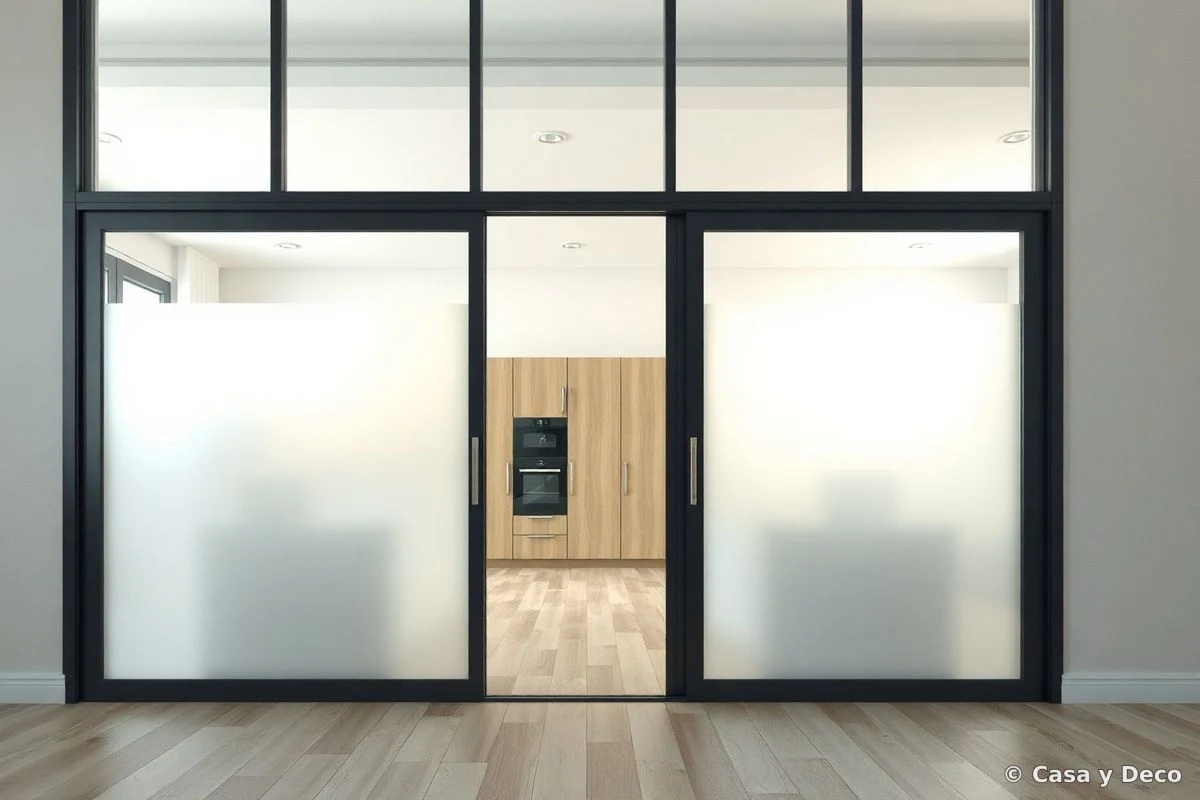
If your budget allows, consider installing a folding or sliding door between the kitchen and living room. It may sound like a step back from that desired open kitchen, but there is that option: glazed or aluminium doors that you close only while cooking, maintaining the sense of openness the rest of the time. This saved my living room when preparing large family meals.
Another low-tech but effective trick: place aroma diffusers (not scented candles, which pollute more) in the living room, not in the kitchen. Choose clean fragrances like lemon, eucalyptus, or lavender, which do not compete with food aromas but neutralise them. This is cosmetic, of course, but it helps psychologically to feel that the space is fresh.
Ionising or air purifying devices are a debate at home. We're not convinced by basic models, but purifiers with HEPA filters and activated carbon do work if placed strategically. However, they require investment and maintenance.
Keep the open kitchen but with discipline. This means cleaning immediately after cooking, not leaving dirty dishes in the sink (odours multiply), and ventilating while you're still in the cooking phase, not afterwards. Small routines prevent aromas from becoming entrenched in your furniture.
The truth is that an open kitchen to the living room requires commitment. It's not magic, but with good ventilation, suitable materials, and consistent habits, you can enjoy it without sacrificing the freshness of your home. The smells of delicious food are the opposite of a problem; they just need a quick exit outside, not towards your sofa.

You may also like