At Casa y Deco, we love analysing the trends that are revolutionising our kitchens, and one of the most persistent is the disappearance of handles. Those clean lines, that feeling of perfect minimalism, that futuristic touch promised by manufacturers... sounds wonderful in magazines. But honestly, before you start working on your kitchen, it's worth weighing whether it's really worth it.
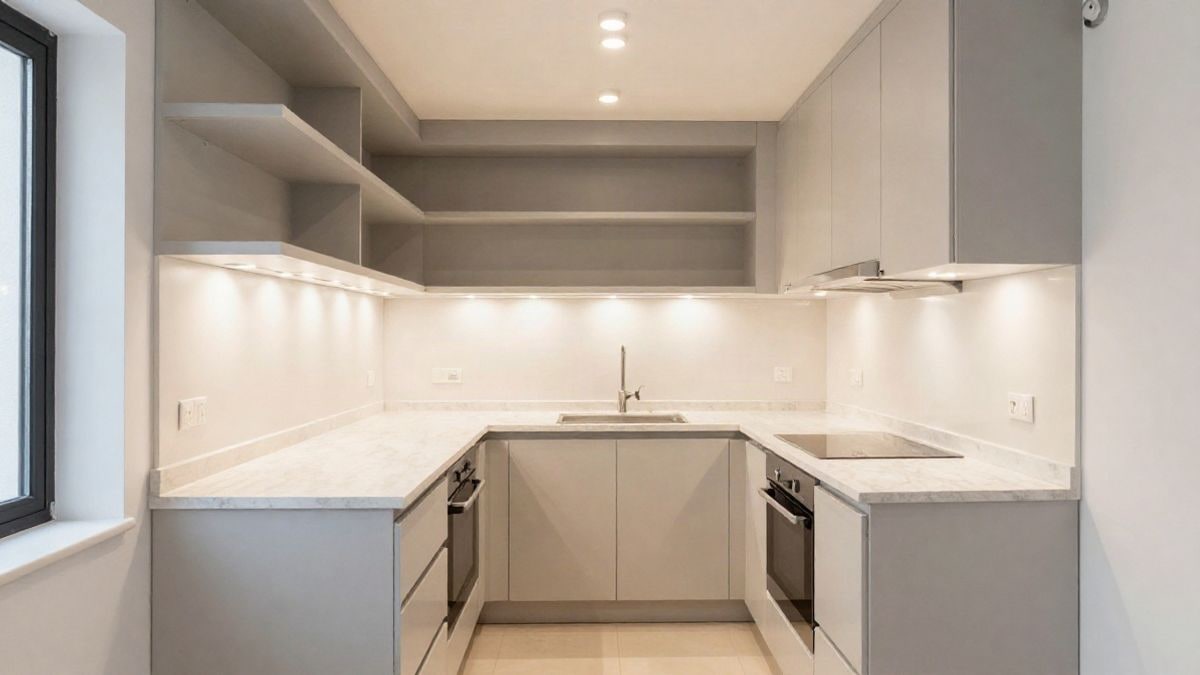
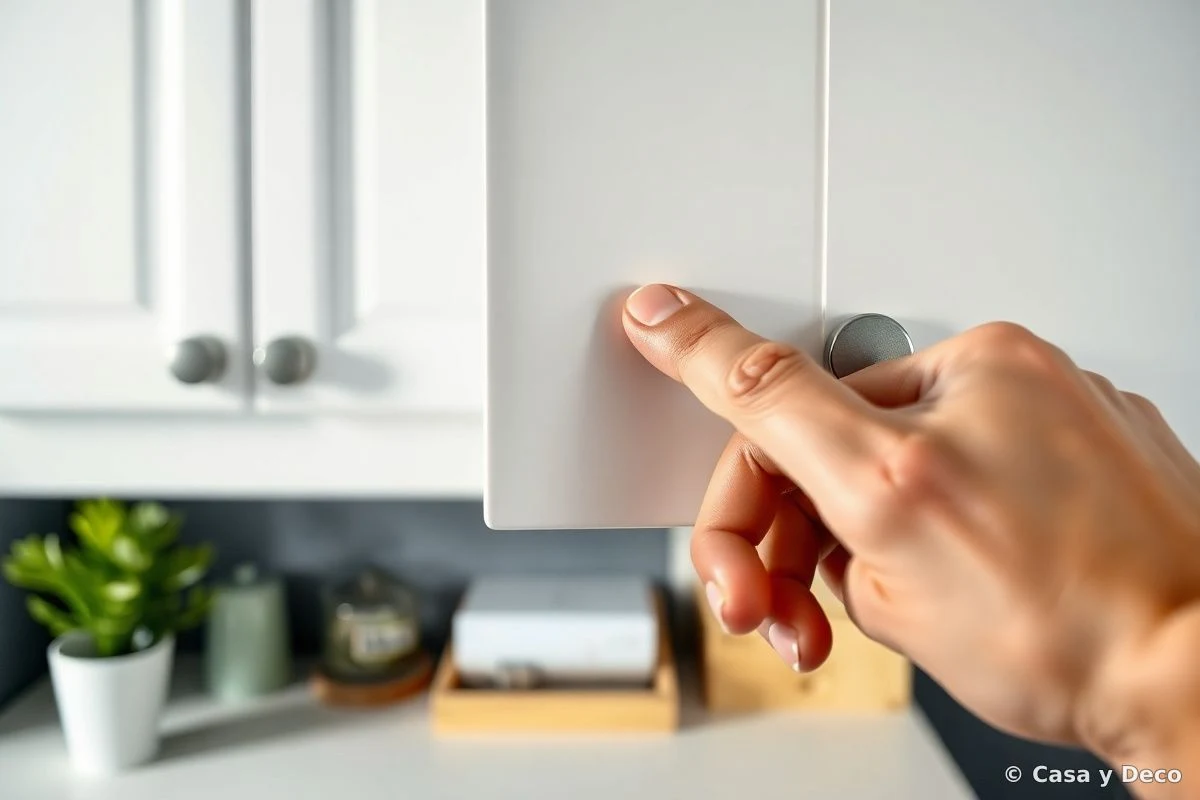
Invisible handles or handle-less doors operate by opening with pressure: you lightly touch the front and the door opens. It seems simple, but there’s much more behind that apparent simplicity. Some models have a small horizontal recess, others require a more decisive push, and there are those with kinematic opening systems that open automatically when you press the lower area. The options are varied, but not all solutions work equally well in everyday practice.
The Real Advantages of Handleless Kitchens
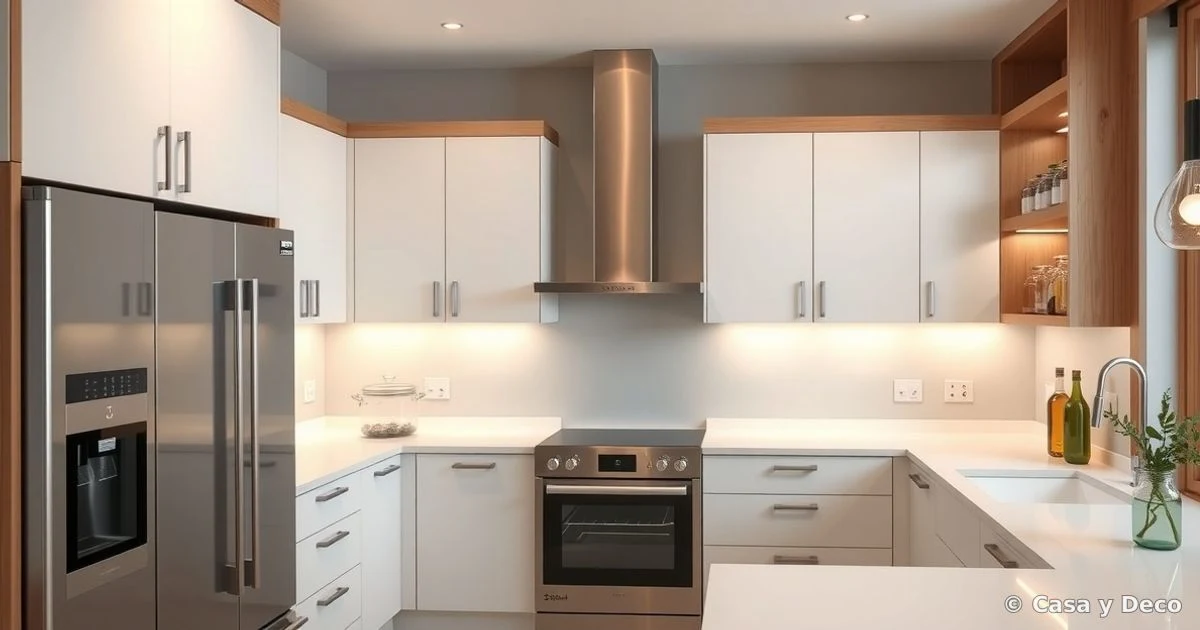
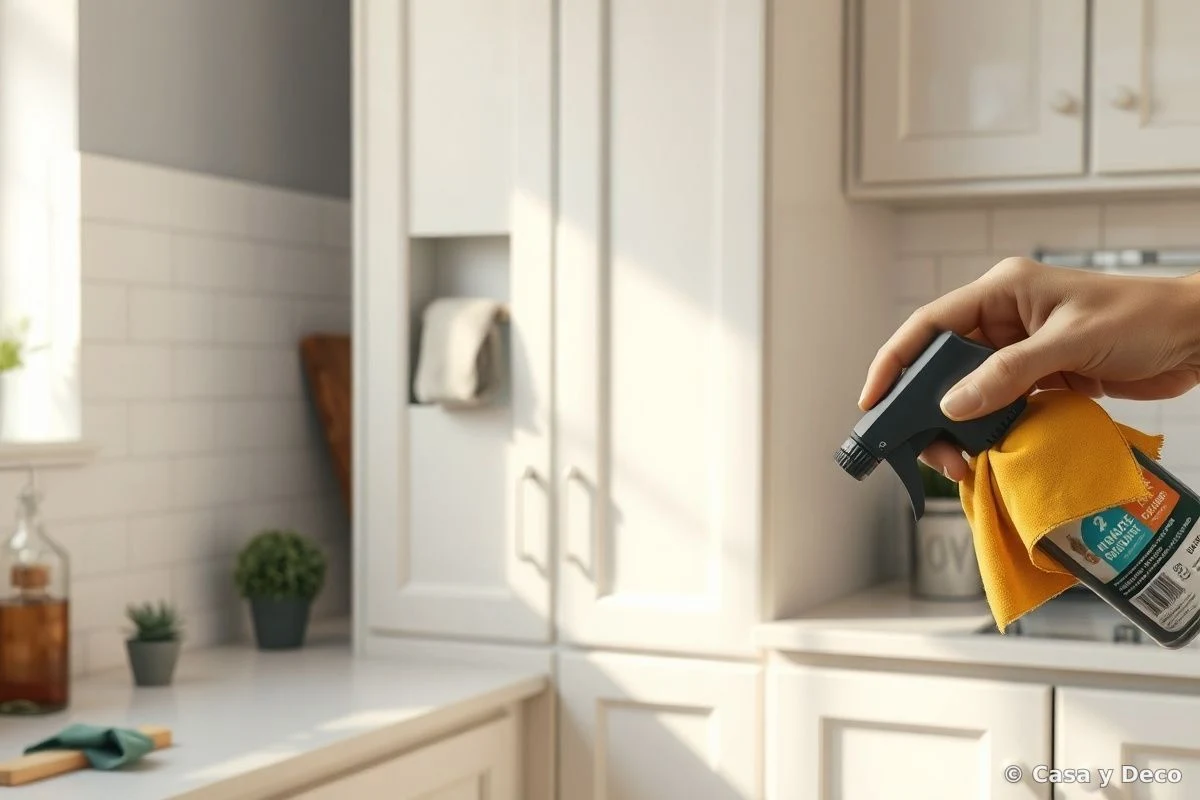
Cleaning is incomparably easier. Without handles, there are no places for dust, cooking grease, or crumbs to accumulate. A simple damp cloth and you're done. In a heavily used kitchen, this is a genuine relief. I confess that this was what captivated me the most when we started testing these kitchens in our projects.
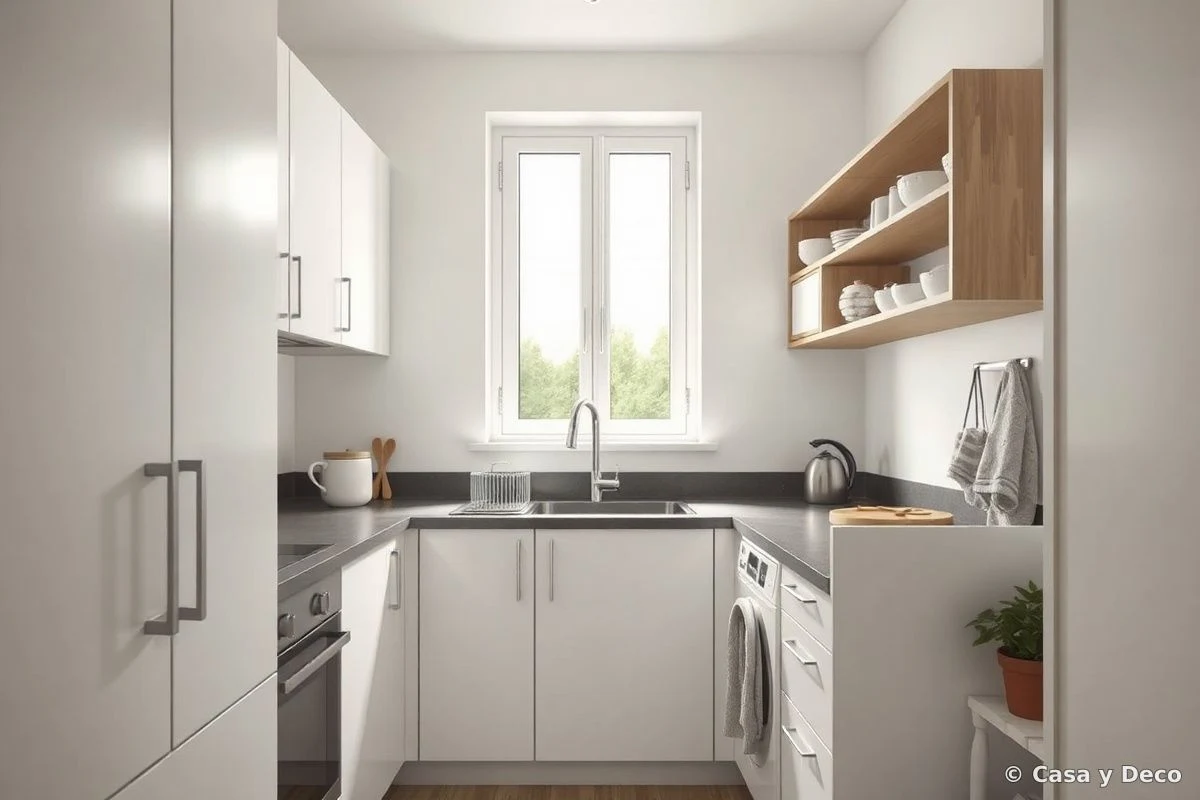
Visually, kitchens without these types of details score points. If you’re looking for a clean, contemporary, and relaxed aesthetic, smooth fronts work. They don’t break the horizontal line, nor do they compete for visual attention. This is especially effective in small kitchens where every visual element counts. The 2 or 3 centimetres we save with an integrated handle is no small matter if your kitchen measures less than 5 linear metres.
The repair cost is theoretically lower: without a handle, there are fewer parts to break. Although we will discuss the opening systems later, which have their own complexity.
The Cons That Advertising Doesn’t Mention
The number one problem is the reliability of the opening system. Not all mechanisms respond the same way. Some need a firm push, others almost a thump. With children or elderly people at home, this can become frustrating. I’ve seen kitchens where each family member presses in a different spot, and the door doesn’t open. This significantly degrades the daily experience.
The recesses and kinematic systems accumulate dirt over time. That small groove where you press is a magnet for crumbs and food residues. It’s not the same to clean a handle that you can remove than an integrated hollow in the furniture. In the long run, this requires specific maintenance.
The initial cost is substantially higher. A quality pressure opening system costs around 15 to 25 euros per door (installation included sometimes). Multiply that by the 30 or 40 fronts of a complete kitchen: we’re talking about an additional 450 to 1,000 euros. Conventional handles cost between 2 and 8 euros.
Repairs are complicated when they fail. If a traditional handle breaks, you replace the piece for 5 euros. If the kinematic mechanism fails, you need a specialised technician. Some systems no longer have spare parts after 8 or 10 years, complicating future maintenance.
Cases Where It’s Worth It
Very small kitchens (less than 6 linear metres) where you need free space. Here the 2-3 centimetres you save with a handle matter. Your body will thank you every time you enter the kitchen.
Houses with a generous budget and moderate kitchen use. If you often eat out, the pressure mechanisms hold up better because they receive less use.
If your aesthetic is resolutely minimalist and handles seem visually intrusive to you. Some of our clients swear they cannot live with...

You may also like