If there's one thing we've learned at Casa y Deco, it's that windowless bathrooms are the decorative challenge no one asks for but many of us have. That small closed room where steam accumulates after a shower and starts to smell odd after two days is more common than we think, especially in old flats or buildings with quirky layouts. I confess that our main bathroom is exactly like this, and after several years battling against dampness, we've discovered a combination of tricks that really works.
Dampness in windowless bathrooms is not just a comfort issue: it weakens structures, encourages mould, and those unpleasant smells that have nothing to do with a lack of cleanliness. What many don't know is that the solution doesn't solely rely on an extractor —although that is the first step— but rather on a comprehensive strategy that combines ventilation, smart materials, and very simple daily habits.
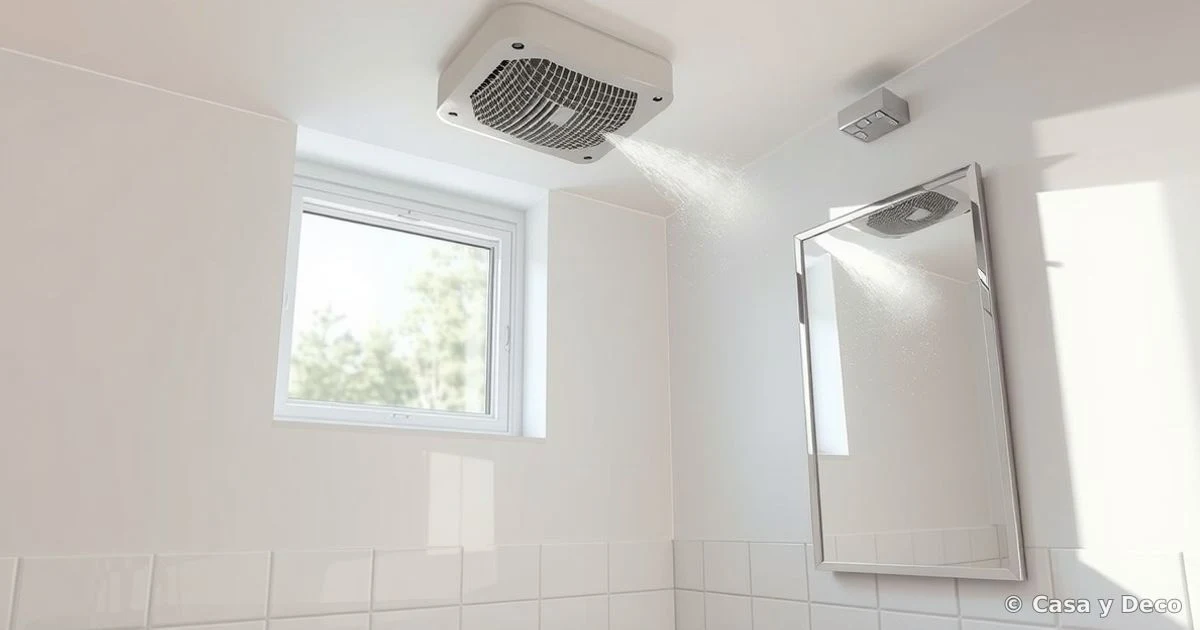
An air extractor is mandatory, not optional. If your bathroom doesn't have one, it's the number one investment. We're not talking about those small decorative extractors that barely move air: you need one with real power, between 100 and 150 cubic metres per hour depending on the size of your bathroom. Install it connected to the outside (not to the attic) and let it run during the shower and for about 15-20 minutes afterwards. Yes, it will increase your electricity bill, but it's infinitely less than the costs of damp repairs.
Now, an extractor without an external outlet is almost a placebo. We've seen bathrooms with ducts that go into the wall cavity or ceiling without reaching any real destination. Make sure the tube goes directly outside, not to other rooms. If you live in a flat with architectural restrictions, extractors with built-in dehumidifiers are your alternative: more expensive, but they really work.
Paint is another decisive factor that many ignore. Use specific anti-damp paint for bathrooms, preferably with fungicidal additives that prevent mould. Light tones —white, very pale beige, light grey— reflect moisture better visually and create the sense of spaciousness that these spaces need. We replaced the standard paint in our bathroom with anti-mould paint two years ago, and the difference is noticeable: that black stain in the upper corners after intense showers no longer reappears.
The materials of the walls matter just as much as the paint. Avoid traditional wallpaper in windowless bathrooms: it gets damaged by moisture in a matter of months. If you want texture and warmth, opt for waterproof vinyl panels, artificial stone cladding, or simply porcelain tiles up to half height. It's not the most modern, but ceramic and porcelain materials are practically immune to moisture and mould.
Mirrors and reflective surfaces are visual allies. A large mirror —or even two strategically placed mirrors— amplifies the sense of light and space, which psychologically makes the bathroom feel less claustrophobic and more pleasant. Additionally, a good quality mirror with an anodized aluminium frame withstands moisture better than those with a wooden frame.
Passive ventilation also counts: keep the bathroom door slightly open after showering for at least 10-15 minutes to allow air from other rooms to circulate. I know it sounds very basic, but most of us close the door immediately to isolate smells, when in reality we are trapping all the steam. If you're concerned about privacy, a simple grille in the door serves the same purpose without exposing everything.
Here’s a less obvious trick: place dehumidifying bags or boxes in the corners where moisture accumulates the most. Reusable silica gel ones are inexpensive and absorb water passively without consuming electricity. They don't replace an extractor, but they complement very well in windowless bathrooms where moisture is chronic.
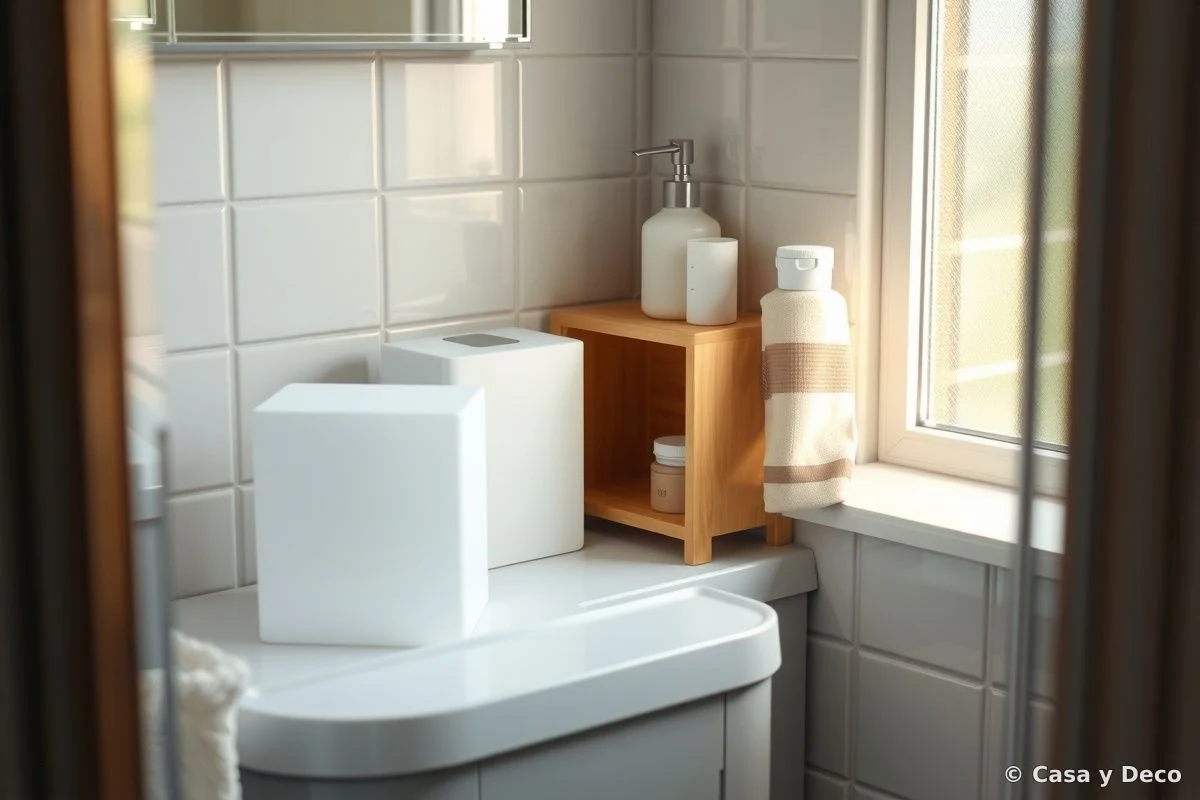
Plants can also help, but with caution. Species like pothos or calathea absorb moisture and don't need direct light. Although I confess I'm not a fan of filling bathrooms with pots: they take up space and, if you're not careful, watering them turns them into a breeding ground for bacteria. One or two small pots without exaggeration can work as a decorative complement, but never as the main solution.
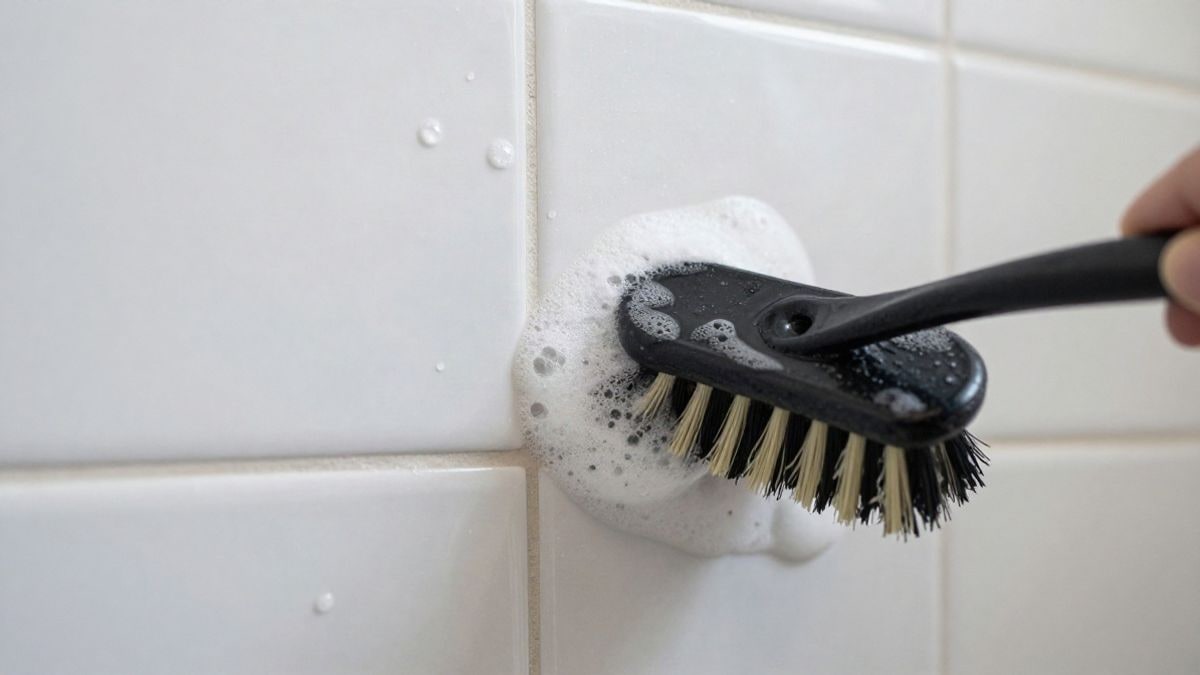
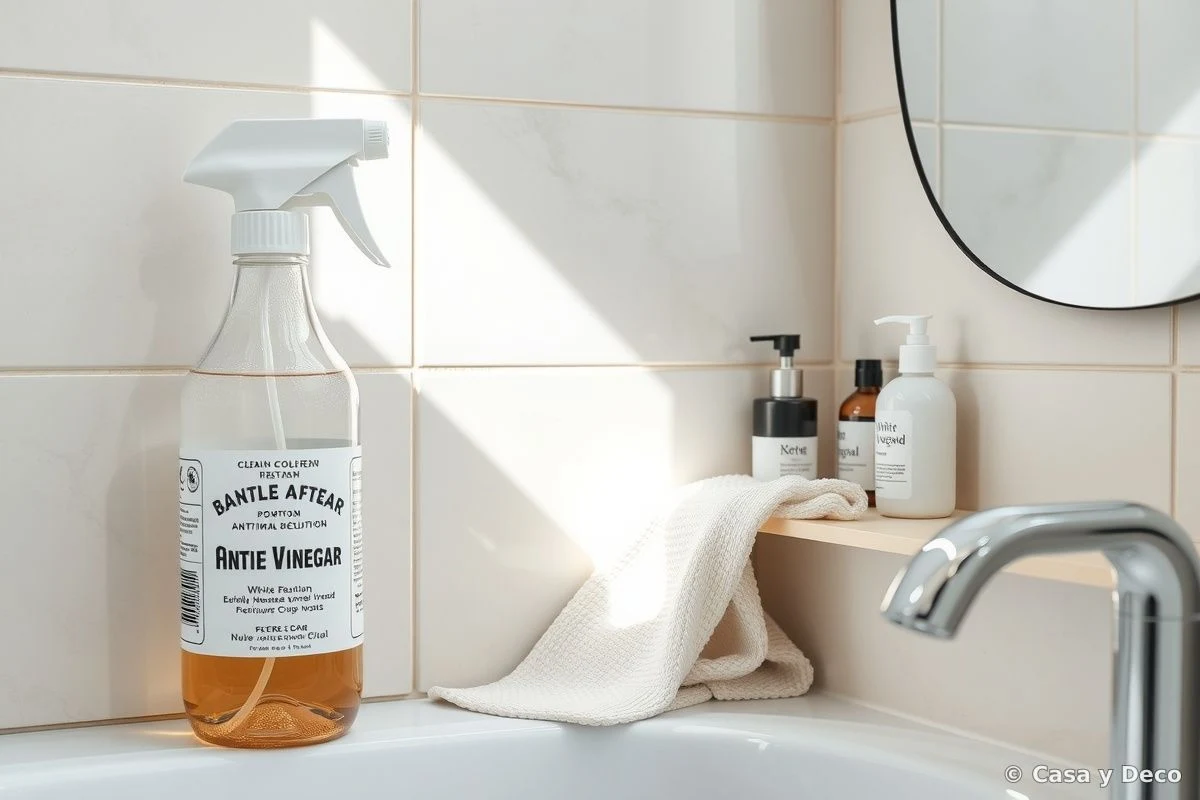
Regular cleaning with anti-mould products makes a difference. Once a week, wipe down the tile joints, corners, and around the mirror with a disinfectant cloth or spray. Mould starts as invisible spots: if tackled in time, it doesn't thrive. We use a homemade spray of water with white vinegar and a few drops of tea tree oil, which disinfects without harsh chemicals.
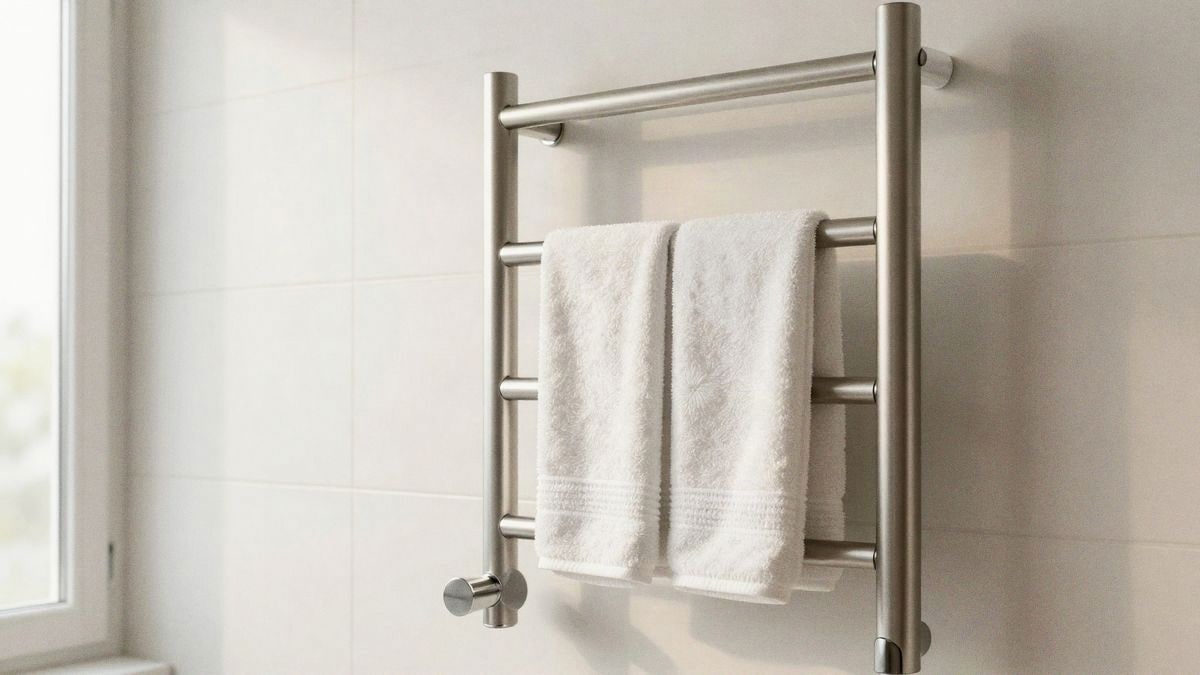
Don't leave wet clothes or damp towels inside the closed bathroom for hours. Every wet textile is a source of evaporation that worsens dampness. Hang them up immediately after use on a drying rack or radiator in another room. It seems obvious, but this is where many fail and then wonder why it smells odd.
Lighting also influences more than you think. A warm but intense light —preferably LED, which doesn't heat— makes the bathroom appear visually drier and psychologically discourages the feeling of dampness. Avoid very dim lights that amplify that wet cave atmosphere that no one wants.
If the budget allows, a portable dehumidifier is the nuclear solution for bathrooms without air outlets. There are compact ones that take up little space, operate quietly, and really remove litres of water from the air daily. Ideal if your extractor is limited or you don't have one installed.
Cross ventilation is a luxury that these bathrooms lack, but we can simulate it: open windows in nearby rooms when you're not in the bathroom, creating small air currents that recycle the indoor air. It's not perfect, but it helps more than it seems.
Finally, be realistic: a bathroom without natural light will never be perfect, but it can be completely functional and free of bad smells with these tricks applied together. You don't need just one; the magic lies in the combination of a powerful extractor, the right materials, regular cleaning, and good daily habits. At Casa y Deco, we advocate for solutions that work in practice, not in theory, and this comprehensive strategy proves itself every day in our bathroom.

You may also like