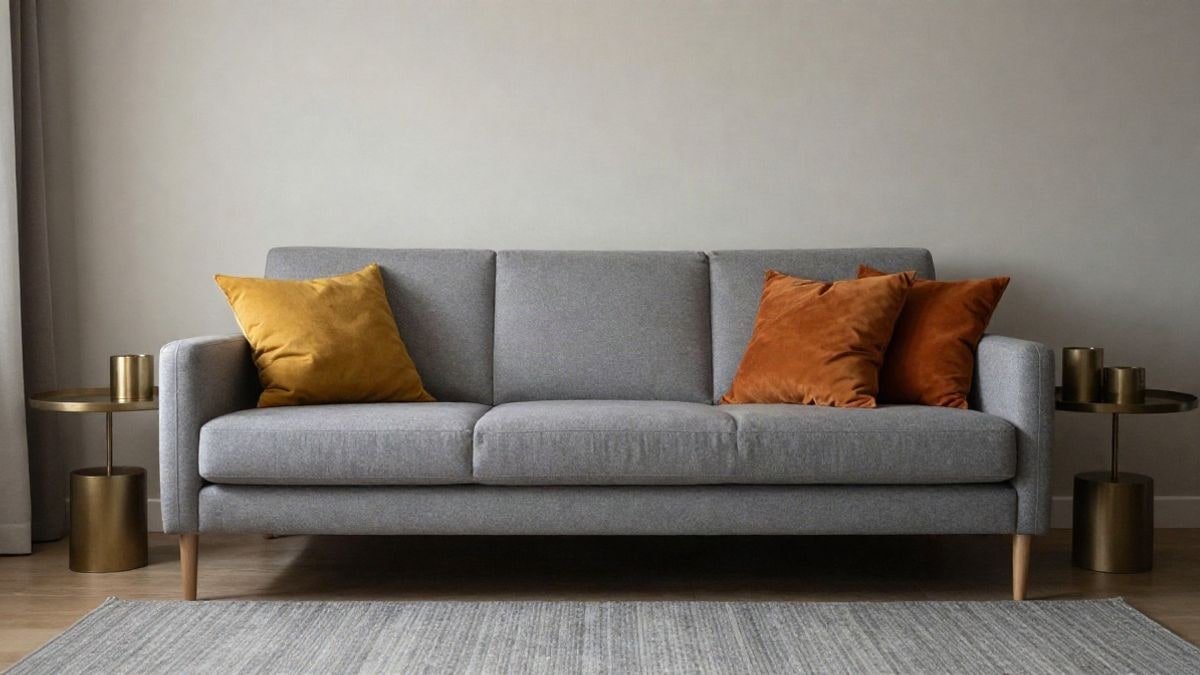
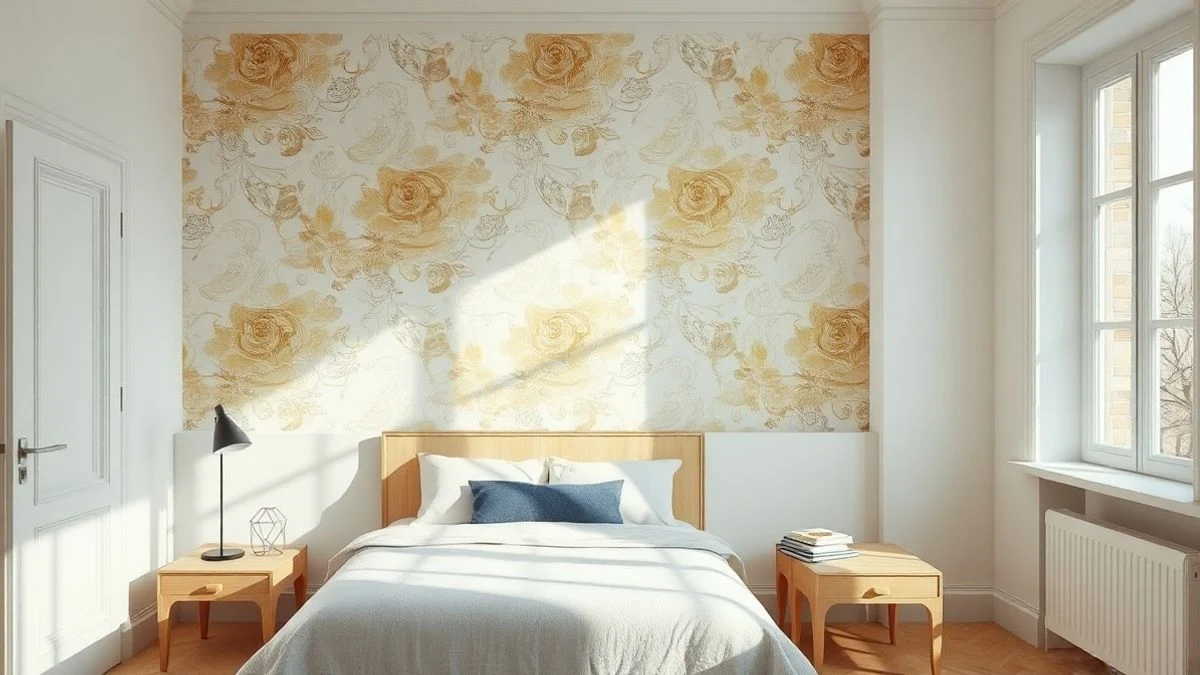
At Casa y Deco, we love a good contradiction: we live in a world obsessed with the new, where every season we are sold the latest innovation in smart sofas and modular tables made of futuristic materials, yet at the same time, there is a genuine need to return to what is durable, real, and has a history. Recovered vintage furniture is exactly that, and we want to tell you that it is not a passing trend that will disappear when influencers run out of budget.
The reason is simple: an authentic vintage piece is not an aesthetic whim, it is a smart investment. We are talking about items that have already proven their solidity over decades, made with solid woods that simply do not exist today, with joinery that modern furniture factories consider an unnecessary luxury. When you buy a sideboard from the 70s or a chair from the 60s, you are not buying nostalgia: you are buying pure durability. That has real economic value beyond just looking nice on Instagram.
I confess that a few years ago, I was one of those people who saw vintage as something exclusively retro, almost a period costume. I thought that mixing an antique piece with a modern one would create dissonance, that the entire decor of the space would have to be compromised. I was completely wrong. What we have seen in recent years, both in professional projects and in real people's homes, is that recovered vintage furniture works better the more you mix it with contemporary pieces.
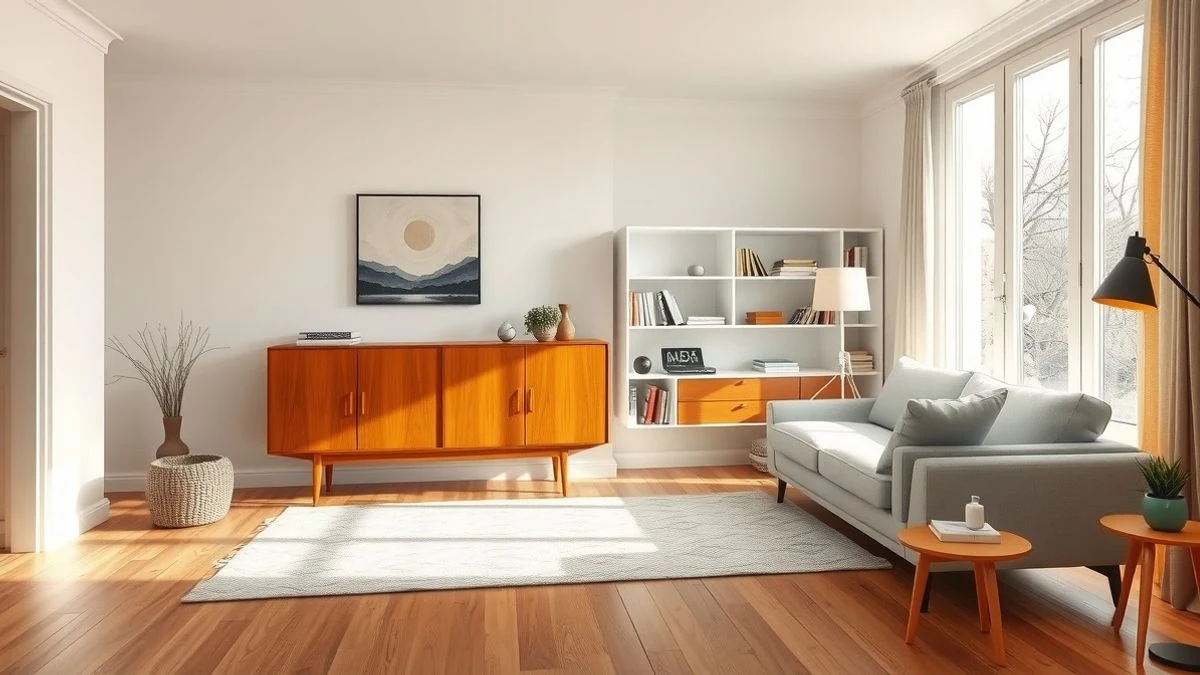
The key is to look for compatibility of values, not eras. A teak sideboard from the 50s with a characteristic leg and a warm finish can coexist perfectly with a contemporary white wall, modern paintings, and a light grey sofa. It is not about recreating a living room from 1955, but about finding in that vintage piece a quality and character that your current furniture simply does not have.
We have observed that when people say that vintage "doesn't suit them", what usually happens is that they have tried a pure vintage style, too strict, too much like a movie set. A complete 70s dining room with all matching decor can be visually and mentally exhausting. But that same dining room, taking just the table or just the chairs, integrated into a more neutral space, becomes the anchor point of the entire decor. That said: choose one relevant vintage piece per room, a maximum of two if the space is large.
The issue of where to find recovered vintage furniture deserves its own paragraph because it is not the same to buy from everywhere. Specialty second-hand stores have selection criteria: a good vintage dealer knows the periods, the manufacturers, the woods, and can guarantee that the piece is structurally sound. Yes, it is more expensive than finding something on a marketplace or at a flea market, but you save the risk of acquiring a piece that looks good at first glance but falls apart in three months.
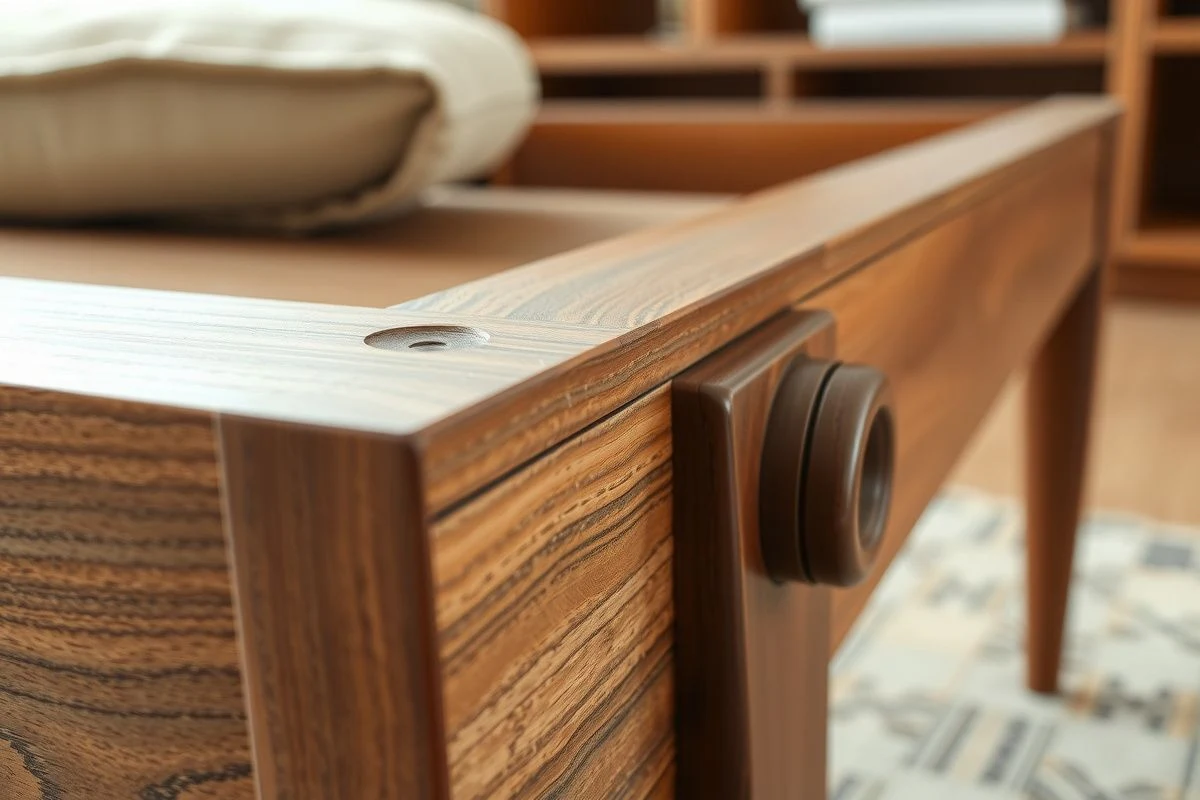
Now, if you have patience and a critical eye, flea markets and online platforms offer genuine gems. What you should look for: construction details that reveal quality — glued joints that do not appear separated, solid woods (touch it and listen to the sound, it does not sound like plywood), visible manufacturing tools (old nails, workshop marks, intentionally imperfect finishes). Buy a tape measure and bring the dimensions of your spaces. It is surprising how many people bring home a spectacular sideboard that then does not fit in the hallway.
The most versatile vintage styles to mix with current decor are the light Scandinavian styles from the 50s and 60s (simple lines, Nordic woods like birch and teak), mid-century modern with geometric lines (works well in minimalist spaces), and curiously, 70s Italian vintage with its curved shapes and upholstery in chocolate, mustard, and dark green (pairs well with contemporary boho-vintage). Avoid heavily ornate styles or pieces in very poor condition that require professional restoration for your first purchase.
Here comes the million-euro question: restoration or not? If the piece is structurally sound but has a faded finish or damaged fabric, you have options. You can fill a sideboard with modern pieces that work better with your current aesthetic. With an armchair, changing the upholstery is feasible if the frame is good. But repainting a vintage wood piece is delicate: if it has a period finish, sanding it down to bare wood can affect its value, and modern lacquers do not always achieve that warm effect of old varnishes. If you are unsure, consult a cabinetmaker before sanding.
We have seen conversations on social media where people are shocked by the price of a good vintage piece. But let's do the real math: a quality mid-century armchair costs between 150 and 400 euros in a specialised second-hand store. A new armchair from a mid-range brand, with a plywood frame and standard foam, costs the same but will last, at most, five to seven years before the foam sinks. Vintage, if well maintained, will last another thirty. The real annual cost is infinitely lower.
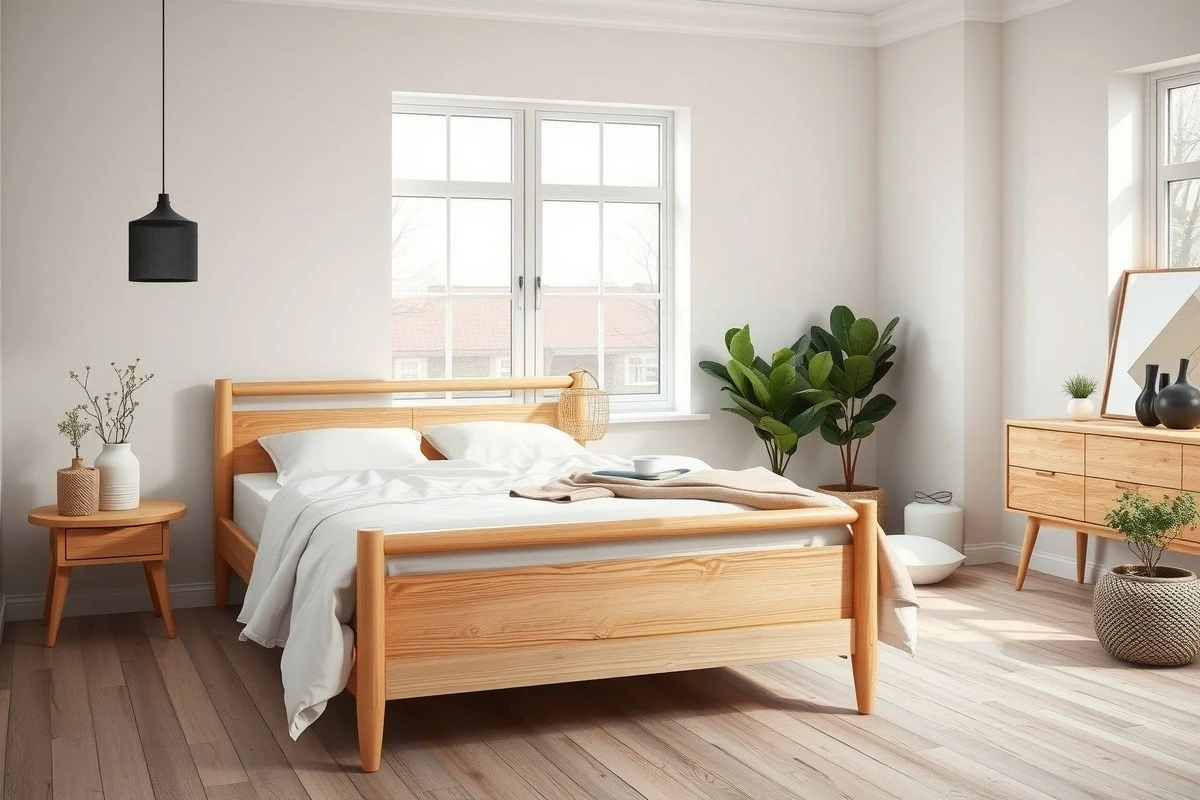
The colour palette of your current space is the perfect filter for choosing which vintage fits. If your living room plays with beiges, greys, and whites with green accents, look for vintage furniture in those colour families. If you already have a warmer energy with terracotta and ochre, 70s furniture in those tones is the obvious choice. Do not buy a vintage piece just because it is beautiful or rare: buy it because it fits into the vision you have for that space. A visual gem that does not dialogue with anything around it ends up being decorative noise.
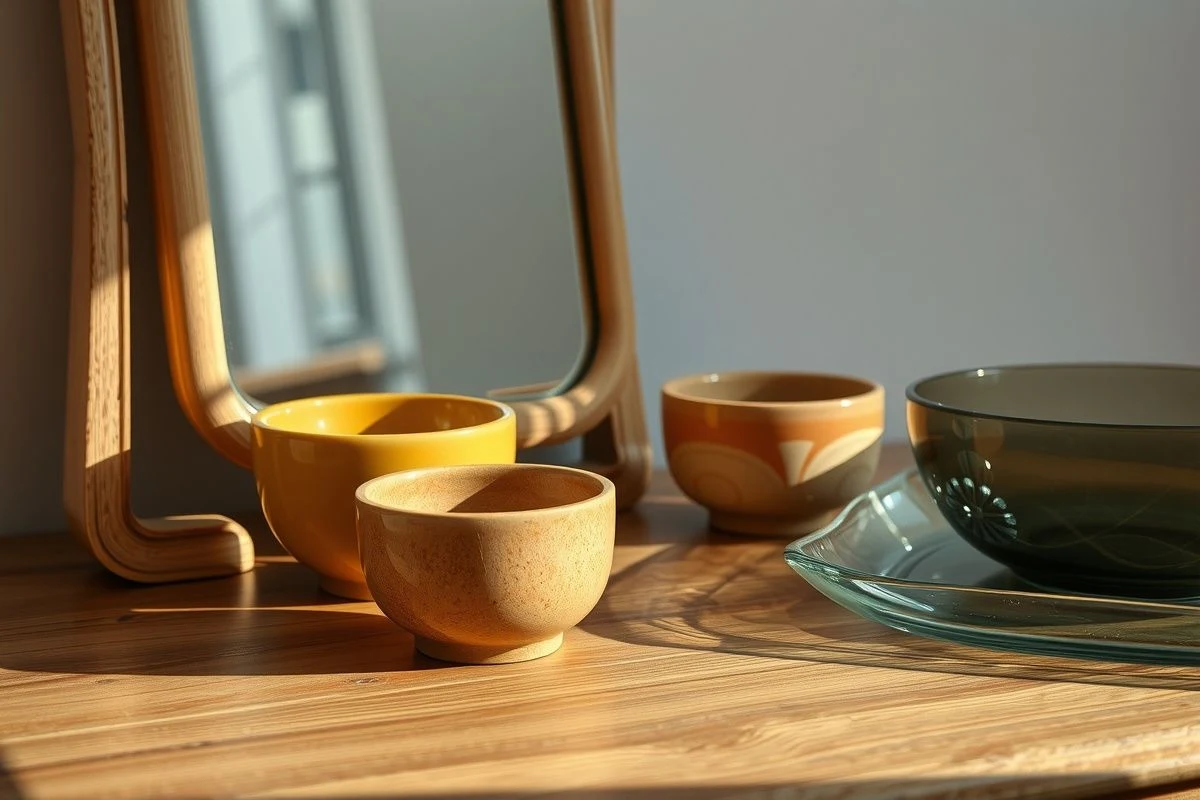
We talk a lot about sideboards and chairs, but there are less obvious vintage categories that work extraordinarily well in contemporary spaces. Vintage mirrors with curved wooden frames or gold metal from the 60s amplify light and space like few current elements do. Vintage modular shelves (those from the 60s made of metal and wood) look amazing in bedrooms or workspaces mixed with modern plants. Vintage trays in smoked glass or ceramics are perfect for organising the coffee table. Vintage is not just large furniture: it is textures, materials, and finishes that the contemporary industry has abandoned.
One aspect that is rarely mentioned is maintenance. Vintage furniture, particularly wooden ones, require care that we are unaccustomed to giving. A varnished wood from 50 years ago appreciates a slightly damp cloth and an occasional furniture polish (really, not aggressive modern brands). Old leathers need conditioning every six months. Period upholstery requires a gentle brushing with a clothing brush. It is not complicated, but it does require a change in mindset: vintage furniture deserves attention because it lasts.
If we have learned anything at Casa y Deco after several years following this trend, it is that recovered vintage furniture is not a temporary fad because it responds to a real need: people are tired of characterless furniture that ages poorly. A sofa from three years ago with sunk foam and frayed upholstery looks more decrepit than a sofa from 1972 that has been cared for. Real durability, the honesty of materials, the visible but dignified mark of time: that never goes out of style.
So yes, look for that vintage piece that speaks to you. Try it in the space, measure well, consult experts if in doubt, invest in what will be there for years. It is not nostalgia, it is intelligence. And when someone asks you if you decorated your living room in a weekend by buying what comes out of the fast furniture catalog, you will have the pleasure of saying that sideboard is 55 years old and will probably last another 55 more.

You may also like