At Casa y Deco, we love playing with plants, and for some time now, vertical gardens have completely obsessed us. But I confess that when we decided to install one in the office, we made several basic mistakes that we would have liked to avoid. The good news is that we learned a lot, and today we want to share exactly what you need to know before embarking on your own vertical project. It's not complicated, but it does require planning.
First, the obvious: you need to understand what a vertical garden really is. It's not just hanging pots on the wall. A vertical garden is a growing system where plants grow on a vertical surface, whether it's a living wall, a modular panel, felt bags, or a slatted wood structure. The key is that water drains properly and the plants receive adequate light because gravity works against you, not in your favour.
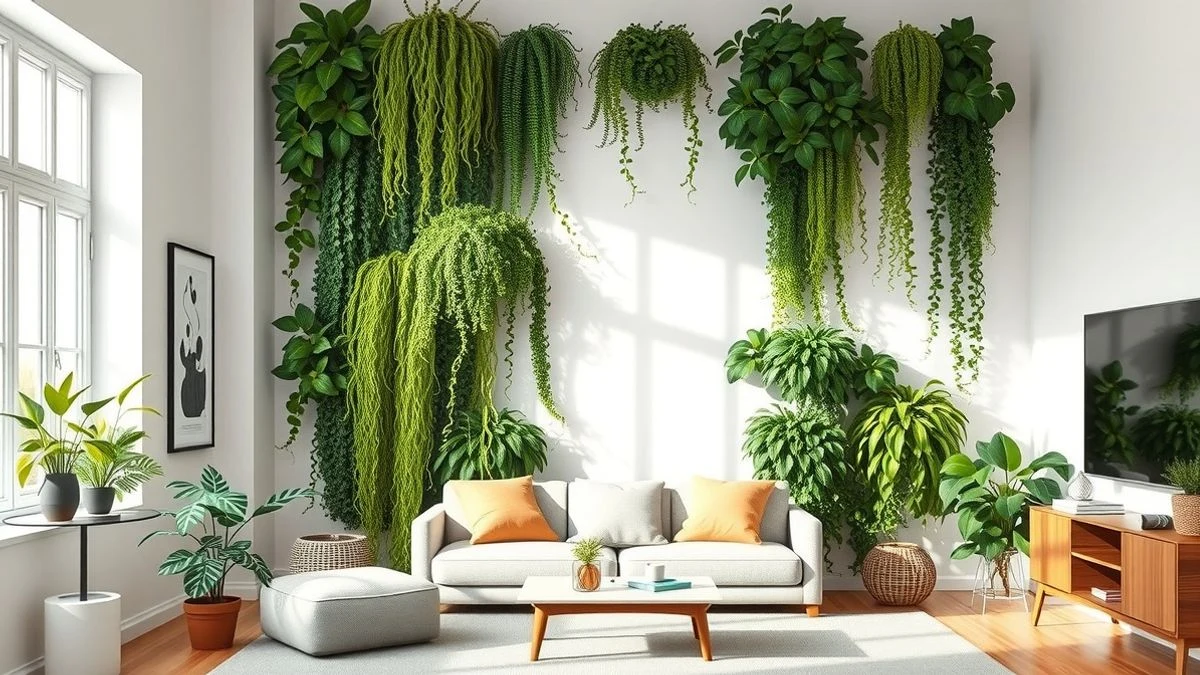
Space and orientation are crucial, perhaps more than you imagine. Before buying anything, observe where you have natural light in your home. Does that wall receive direct sunlight for at least four hours a day? Or is it more of a semi-shade? This will completely determine which plants will work. A vertical garden on a north-facing wall is possible, but you'll need species that tolerate low light: ivies, pothos, philodendrons. If you have west or south exposure, you have many more options, but also the risk of plants getting scorched if they live in a very hot area.
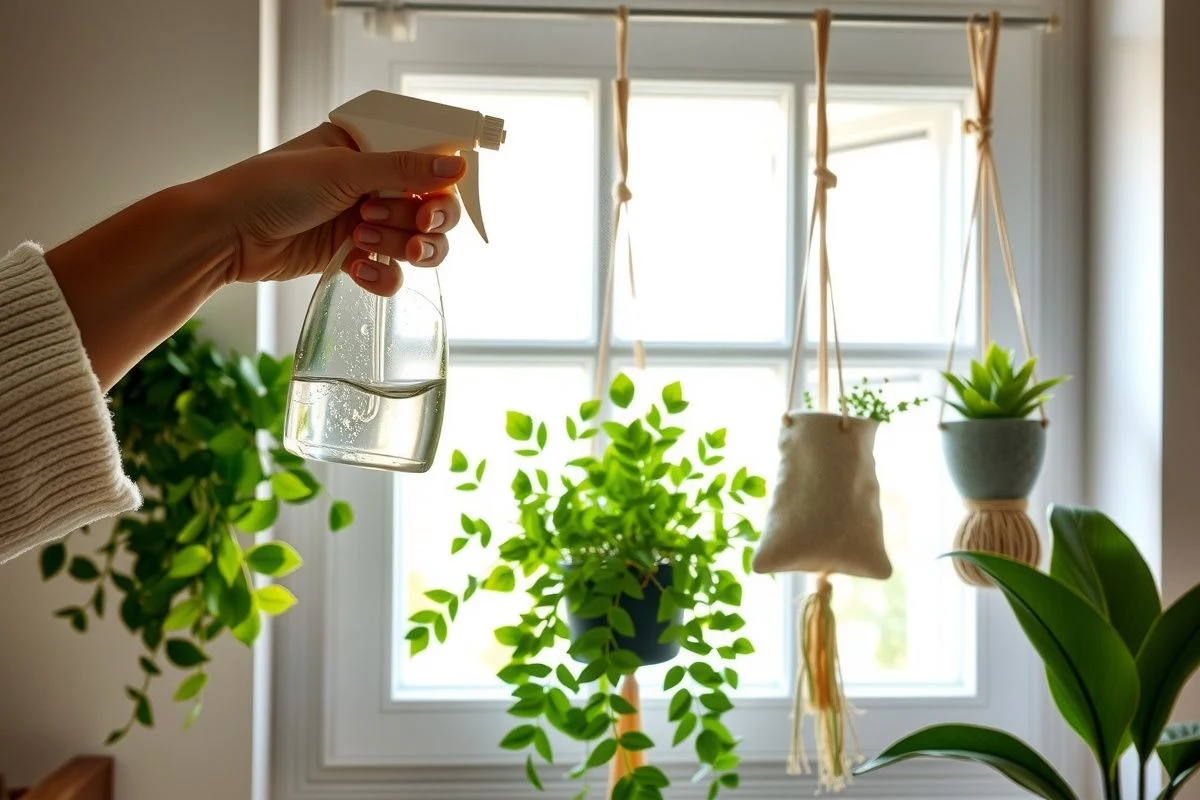
Humidity is another factor that most forget. Indoor vertical gardens need constant humidity but without waterlogging. If you live in a very dry area, you'll need to pay more attention to watering. A quality sprayer becomes your best ally: misting the leaves not only keeps them clean but also increases the ambient humidity. Outdoors, rain takes care of part of the work, but indoors, it all depends on you.
Now let's talk about infrastructure. You need to decide whether to install a prefabricated modular system, build one yourself, or use simple solutions like felt bags. Modular systems (panels that fit together) offer integrated automatic watering and are very efficient, but they have a higher initial cost. Felt bags hung from a cable are economical and work well, although they require more frequent manual watering. Wood and slats give you creative freedom and fit any budget, but you'll need to think more about how the water will reach all the plants.
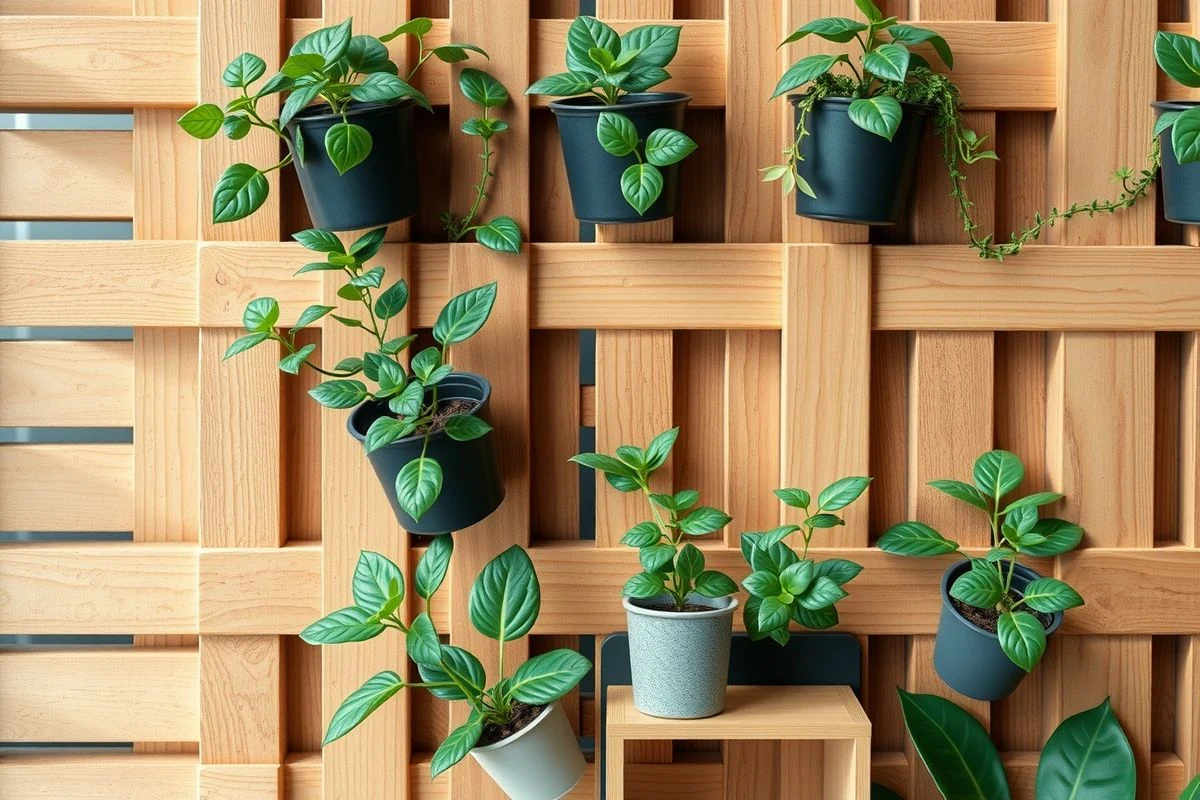
We talk about weight because yes, it matters. Before installing anything, check the strength of your wall. A drywall wall with little reinforcement won't hold a water-saturated vertical garden. If it's reinforced concrete or solid brick, breathe easy. But if you have doubts, consult someone who knows: a collapse is no joke. A wet vertical garden can weigh between 60 and 100 kilos per square meter, depending on the system.
Let's move on to watering, which is where many fail. Choose between manual or automatic watering from the start because changing later is a hassle. Manual watering is cheaper, but it means you'll have to be there every two or three days with a watering can or sprayer. Automatic (drip, misting, or irrigation tape) keeps moisture stable and is ideal if you travel or have a large garden. The initial investment is higher, but your plants will thank you.
The plants you choose must have specific characteristics. Look for species that tolerate growing in an upright position and are not too heavy: succulents like sedum, air plants, pothos, philodendrons, small ferns, coleus, and tradescantias. Avoid very large plants or those with deep roots: a giant monstera is not the best idea for a vertical wall. Also, don't include too many different species if it's your first attempt; choose three or four that share similar light and water needs.
Regarding the substrate, do not use regular potting soil. You need a lighter medium that drains quickly: coconut fibre, peat moss, perlite, or specific mixes for vertical gardens. Regular soil retains too much water in an upright position and suffocates the roots. If you use felt bags, the felt itself acts as a semi-firm substrate; if it's wood, you'll need geotextile to contain the substrate and allow water to pass.
Artificial lighting is your wildcard if you don't have enough natural light. Full-spectrum LED lights placed 30-40 centimetres above the garden can make the difference between mediocre plants and beautiful ones. Choose lights with a timer to simulate a cycle of 12 to 14 hours of daily light. It's not a huge expense if you share the installation with other areas of the home.
Now, a practical tip that saved our office: install the system with easy access for maintenance. Vertical plants are beautiful, but they need pruning, pest control, and occasional rotation. If you can't easily reach with a ladder or stool, it will be a nightmare. Also, be prepared for water to fall: a tray at the base or a gutter is essential, especially indoors, to avoid damage to furniture or floors.
Fertilisation: plants in vertical gardens deplete nutrients faster because the substrate is less voluminous than in a traditional pot. Use diluted liquid fertiliser every two weeks during the growing season (spring-summer). In autumn-winter, reduce the frequency. Don't overfeed; it's better to underfeed than to burn the roots.
Pests and diseases are a risk in enclosed spaces with high humidity. Regularly check the undersides of the leaves. Mites, mealybugs, and thrips love indoor vertical gardens. If you see problems, act quickly: isolate that plant if you can, spray with soft soap water, or use neem oil. Prevention is always easier than cure: good ventilation, not overly wetting the stems, and proper spacing between plants help a lot.
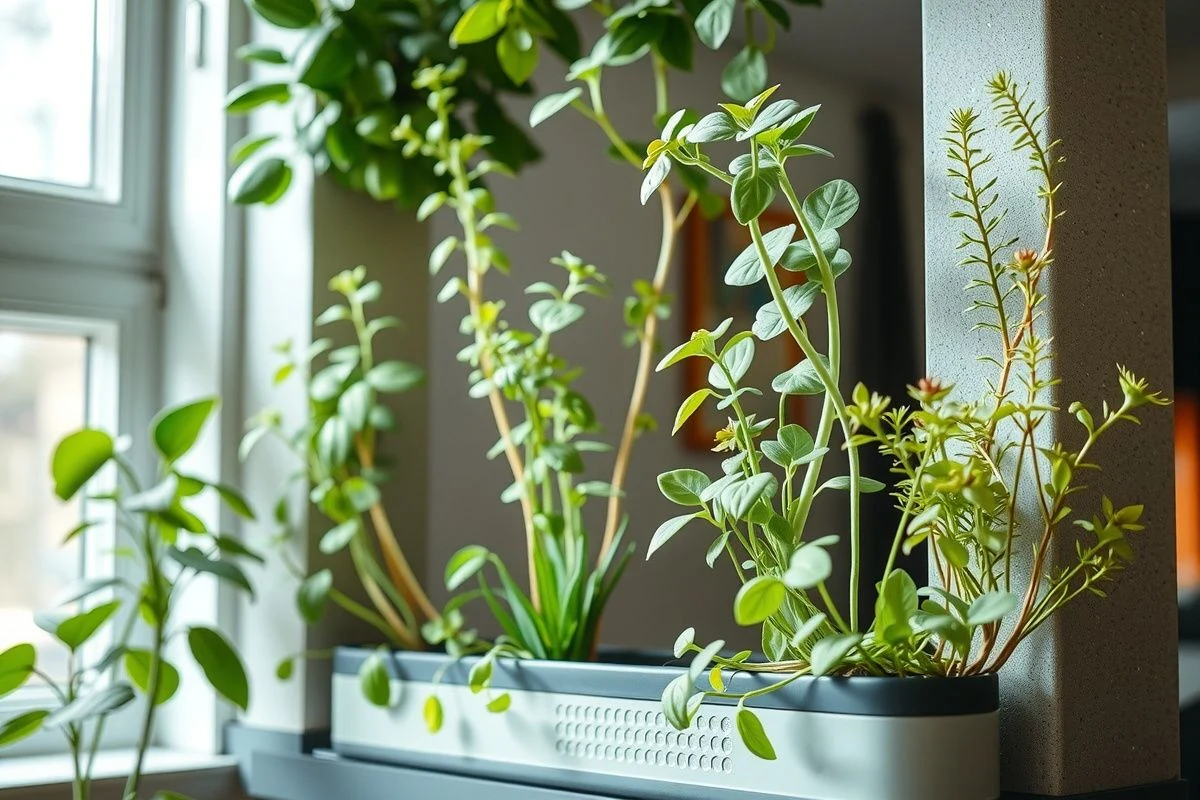
Finally, be realistic about maintenance. A vertical garden is not a picture you hang and forget. It requires attention: checking watering, pruning, cleaning leaves, fertilising. If you don't have time or are not attracted to constant maintenance, it may be better to start with something smaller. A wall with six or seven well-distributed plants will teach you more than trying to cover two square metres at once and failing.

You may also like