At Casa y Deco, we love working with plants to transform spaces, and the truth is that shrubs are our great allies when we seek a garden that has life throughout the twelve months of the year. It’s not just about having greenery; it’s about playing with shades, textures, and those moments of blooming that make you step out onto the terrace and be pleasantly surprised. I confess that it took me years to understand that a well-chosen shrub is more effective than any outdoor furniture in changing the atmosphere of a garden.
The secret lies in combining shrubs with different colour and blooming cycles, so that while some lose prominence, others take centre stage. It’s like a well-rehearsed ballet where each plant knows when to enter the scene. Below, we present ten options that we have selected for their ability to keep your garden colourful without requiring extreme care.
The Stars of Autumn and Winter Colour
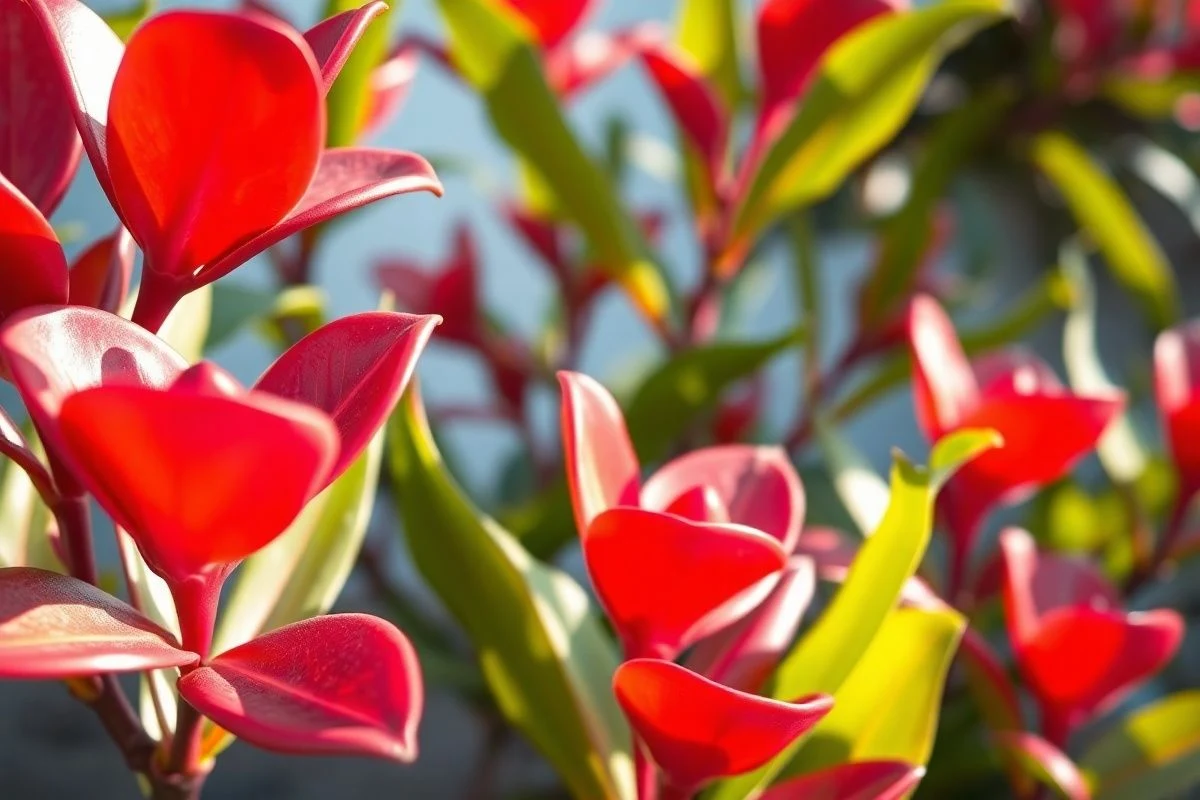
Photinia, or Photinia x fraseri, is that shrub that seems designed for grey days. Its new leaves emerge in intense red, almost scarlet, and although they turn green in summer, they reignite with the arrival of the cold. Planting it in a spot that receives good light is essential, as the colour directly depends on sun exposure. It does not tolerate waterlogged soils, so ensure good drainage and water moderately once established.
Another essential is the red bilberry, or Vaccinium vitis-idaea. Although it is more compact than other shrubs, its value is immeasurable in winter: its bright red fruits remain on the plant for months, creating colour spots that beautifully contrast with the dark foliage. Additionally, its flowers are delicate and frequented by insects. It prefers acidic soils and partial shade, and in spring, it blooms with very showy white or pink flowers.
The firethorn, or Pyracantha, is a classic that never fails in autumn and winter. Its berries persist for months in orange, red, or yellow tones, depending on the variety. However, it has thorns, so place it away from frequently trafficked areas. It tolerates practically any soil and light, making it very versatile. It blooms in spring with small white flowers that then give rise to those spectacular fruits.
Spring and Summer Protagonists
Bougainvillea is synonymous with explosive colour in warm seasons. Its bracts —not to be confused with the actual petals, which are tiny— come in magenta, purple, pink, orange, or white, and can maintain that intensity for months if the watering is appropriate. It needs plenty of direct light and little watering once established; overwatering kills more bougainvilleas than anything else. In frost-prone areas, grow it in a large pot so you can store it in winter.
Lilac, or Syringa vulgaris, is irresistible in spring. Its fragrant flowers in violet, lilac, white, or pink appear in dense clusters that fill the garden with aroma and colour. Although it only blooms for a few weeks, it is worth it for that spring spectacle. It prefers temperate climates and direct sun; in very warm areas, it can be temperamental. It requires a period of winter cold to bloom, so we do not recommend it for tropical climates.
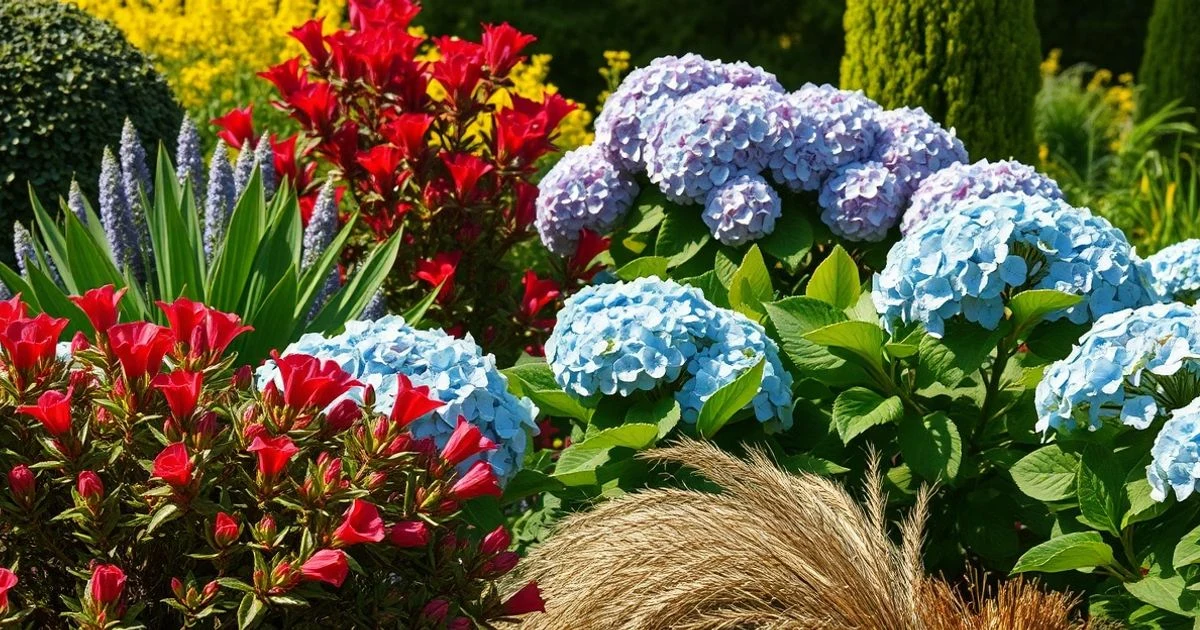
The hydrangea is another versatile shrub that changes colour according to the soil pH. In acidic soils, it will bloom blue, in neutral soils pink or purple. There are climbing and tree-like varieties, so you have options depending on your space. Its large flowers appear in summer and can dry on the plant, creating a decorative effect that lasts until autumn. It prefers partial shade and constantly moist soil, but not waterlogged.
The Perfect Balance: Versatile Shrubs
If you seek year-round colour without complications, Nandina domestica is your ally. This shrub with delicate, finely divided foliage goes through different tones: greenish in spring, green in summer, yellow and red in autumn, almost burgundy in winter. The white flowers and red fruits that persist for months add layers of visual interest. It is hardy, tolerates partial shade, and withstands periods of drought once established.
The laurustinus, or Viburnum tinus, is a Mediterranean classic that blooms in winter when you least expect it. Its small white flowers appear from late autumn to spring, followed by dark blue fruits. The foliage is evergreen and elegant, making it decorative even without flowers. It withstands drought, tolerates poor soils, and prunes well, making it perfect for formal or informal hedges.
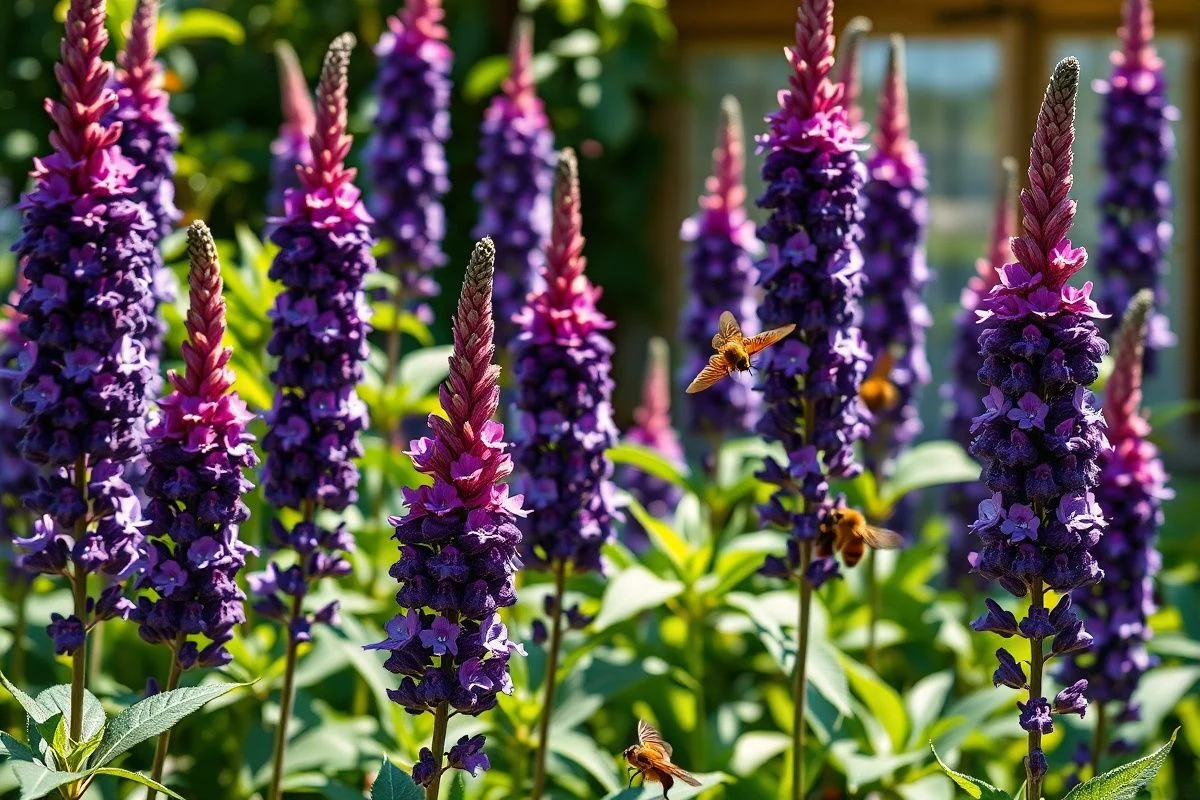
The Photinia Red Tip, a variant of the previously mentioned photinia, deserves its own paragraph because it combines that vibrant red with a compact structure ideal for borders. It reaches between one and two metres depending on pruning, and its young red shoots constantly contrast with the more mature green foliage. In spring, it produces small white flowers with little fragrance. It is resistant to powdery mildew if planted with good spacing for air circulation.
Less Known but Equally Valuable Options
Skimmia japonica is perfect if your garden has shade. This compact shrub with aromatic leaves produces bright red berries that persist almost all year round. It needs one male and one female specimen to fruit, so if you want berries, this must be a consideration when buying. It tolerates acidic soils and partial shade without problems, making it ideal for small gardens or areas under trees.
Abelia grandiflora offers white tubular flowers with pinkish hues that emerge throughout the summer and even into early autumn. Besides being floriferous, it has semi-evergreen foliage that takes on copper tones in winter. It prefers well-drained soils and a sunny position. It reaches between one and one and a half metres, making it versatile for different spaces. Its fragrance is delicate but present, especially at dusk.
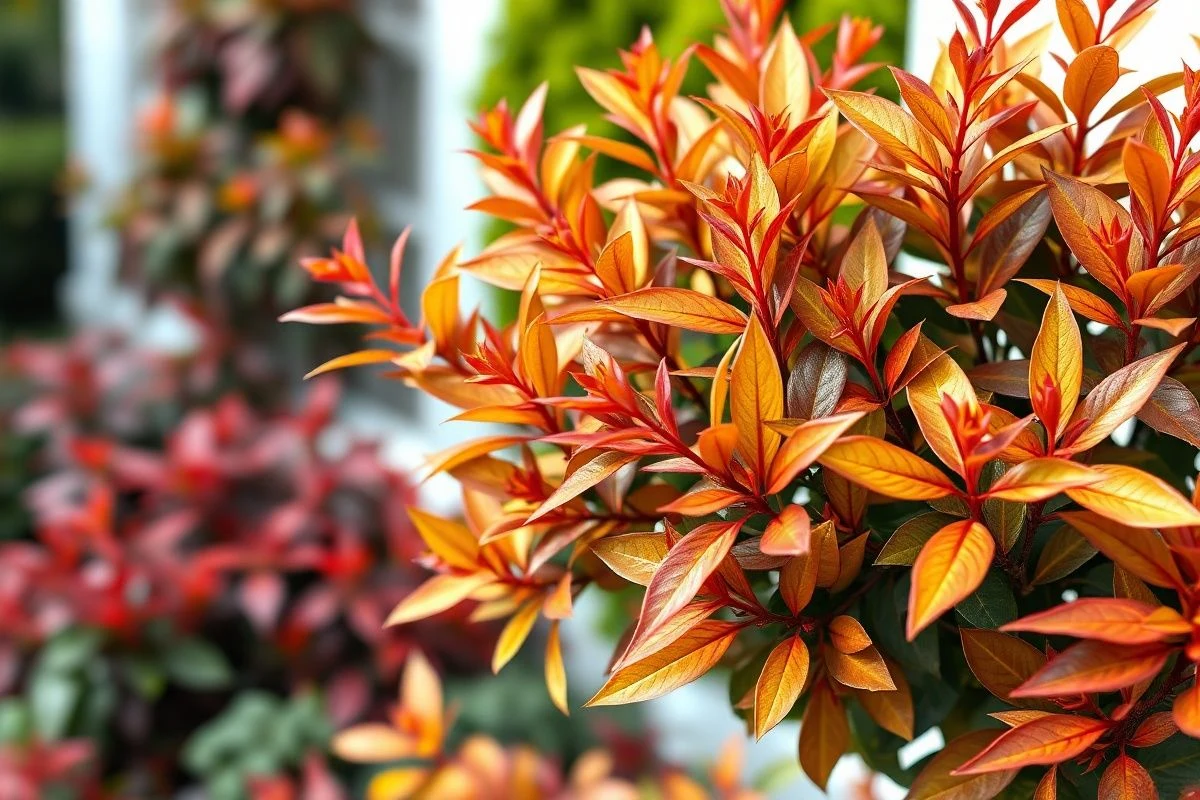
Finally, the butterfly bush or Buddleja davidii is a spectacular colour generator in summer with flowers that attract pollinators. Its tubular flowers appear in vertical delphiniums of violet, pink, white, or yellow. It blooms abundantly from June to October if it receives direct sun. However, it requires heavy pruning in winter to control its size and maintain its structure. In some regions, it is considered invasive, so check before planting it in your area.
The key to a garden with guaranteed colour throughout the year is diversity and understanding the timing of each plant. Combine specimens that bloom in different seasons, intersperse them with shrubs of permanent ornamental foliage, and create layers of visual interest. With patience and these ten allies, your garden will be a lively space that changes while remaining beautiful, month after month.

You may also like