At Casa y Deco, we love debunking the myth that a beautiful home requires an outrageous budget. After years of witnessing transformations of spaces with limited resources, we know that the key lies in being strategic, not in having infinite money. Decorating without overspending is an art that combines creativity, patience, and some smart decisions that we’ll share with you today.
The first step is to prioritise where to really invest. Not everything in your home deserves the same budget. We divide it into layers: the structure (main furniture), comfort (quality textiles), and decoration (accessories and details). You can save on decoration without sacrificing functionality, but a good bed or a comfortable sofa is an investment you’ll notice every day.
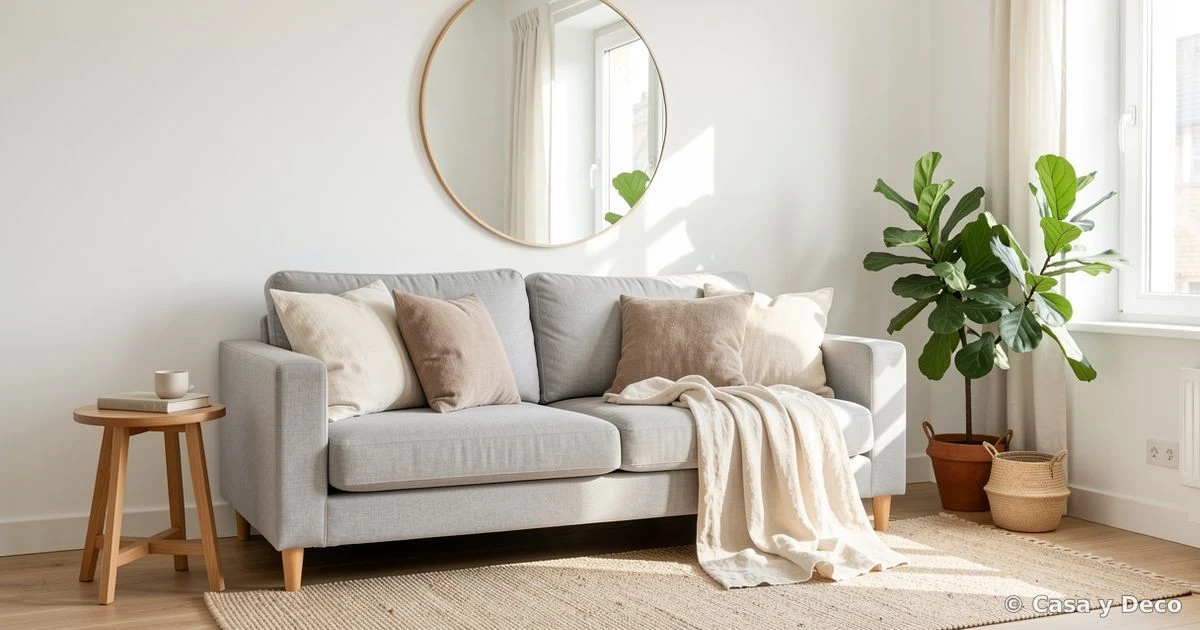
Basic furniture made of light wood, pine, or plywood are your allies. They don’t have to look “cheap” if you surround them well and give them presence with the right lighting. A neutral white or grey sofa from an accessible brand can look premium if you add textured cushions, a linen throw, and a dark wood side table. The trick is to play with layers and finishes, not with the price tag.
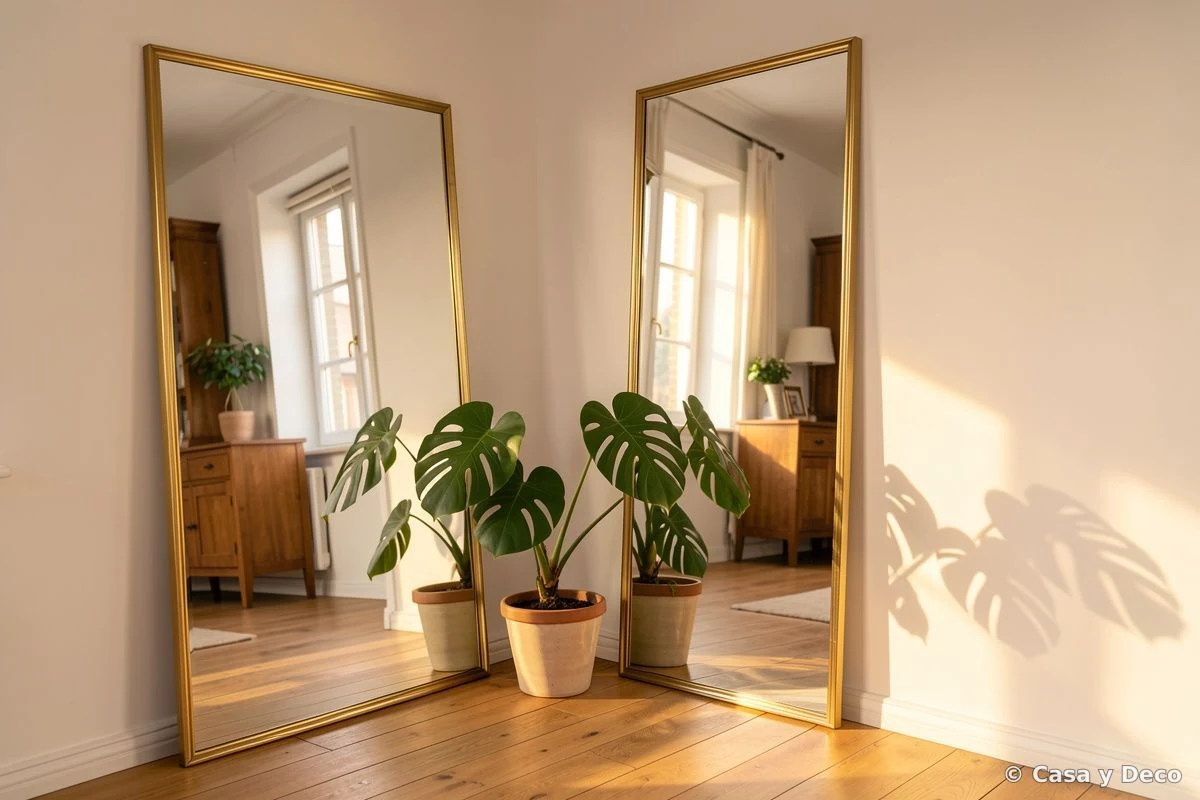
I confess that for years I dismissed mirrors as a decorative resource, thinking they were “too obvious.” A grave mistake. A simple-framed mirror, placed strategically, expands the space, reflects natural light, and gives a sense of luxury without costing much. If you have a small or dark living room, this will save your afternoon. Rectangular or round mirrors with a diameter of 90-120 cm work better than those small ones in the corner that no one sees.
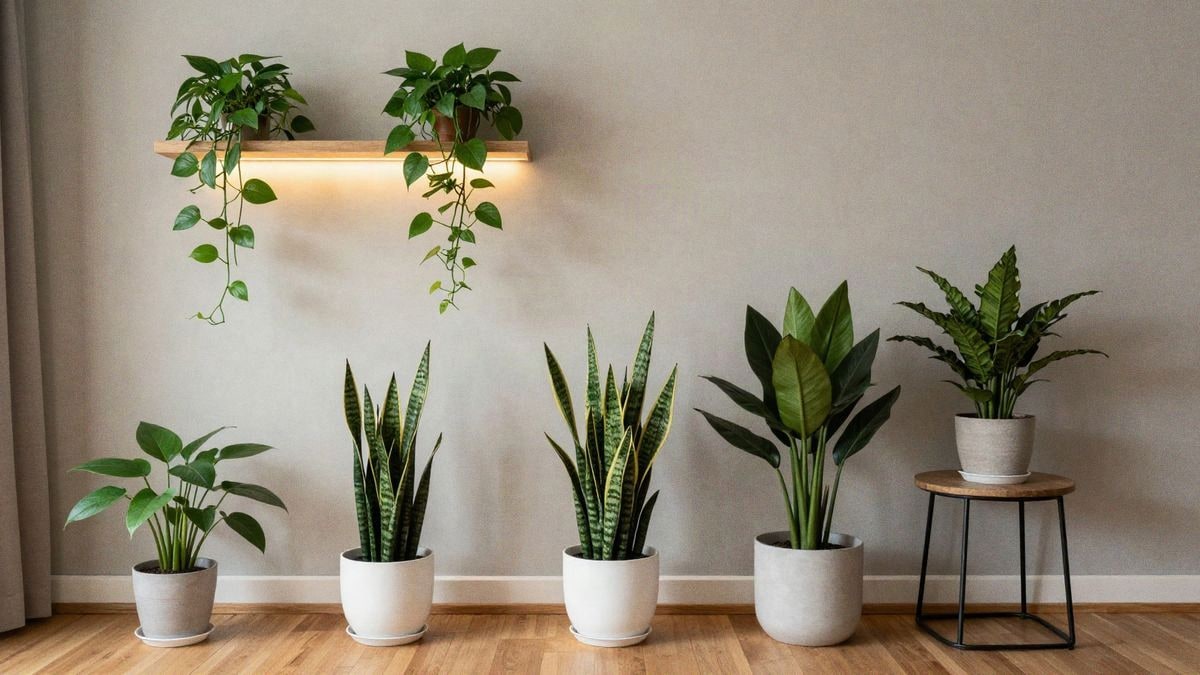
Light is your best free decorating tool. Keep curtains clean, open windows during the day, and place plants near natural light. A plant is not just decoration: it’s an air purifier, visual therapy, and costs less than an expensive scented candle. Pothos, Monstera, and Pothos are practically indestructible and work wonders in any corner.
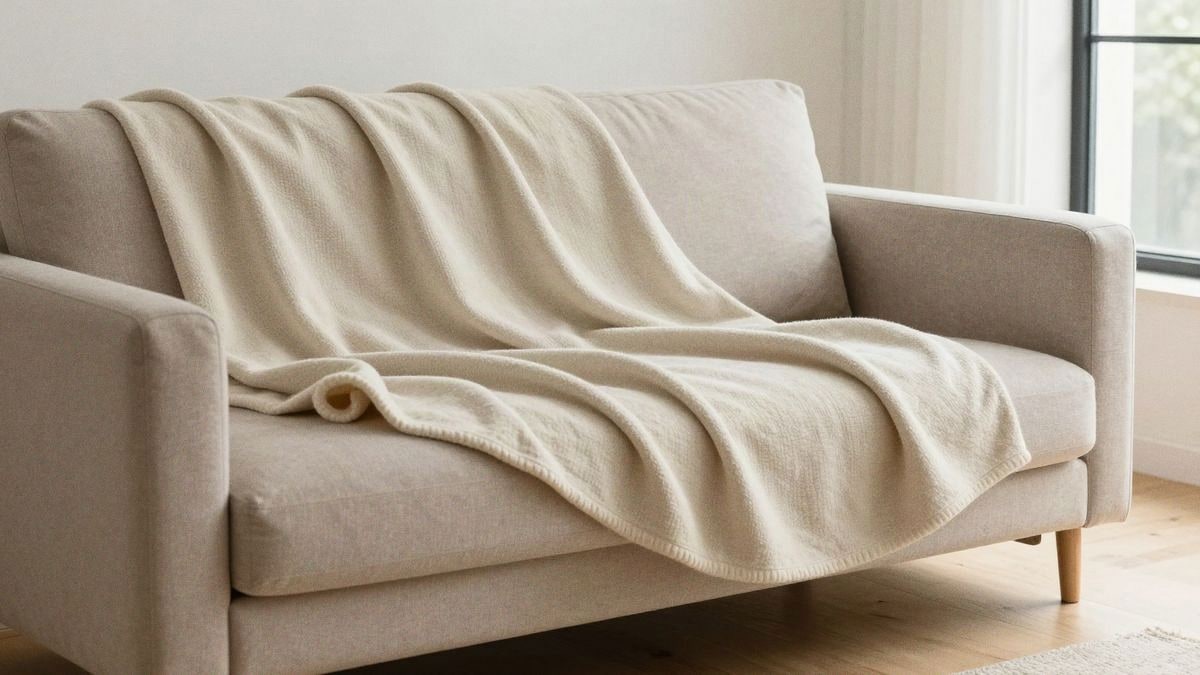
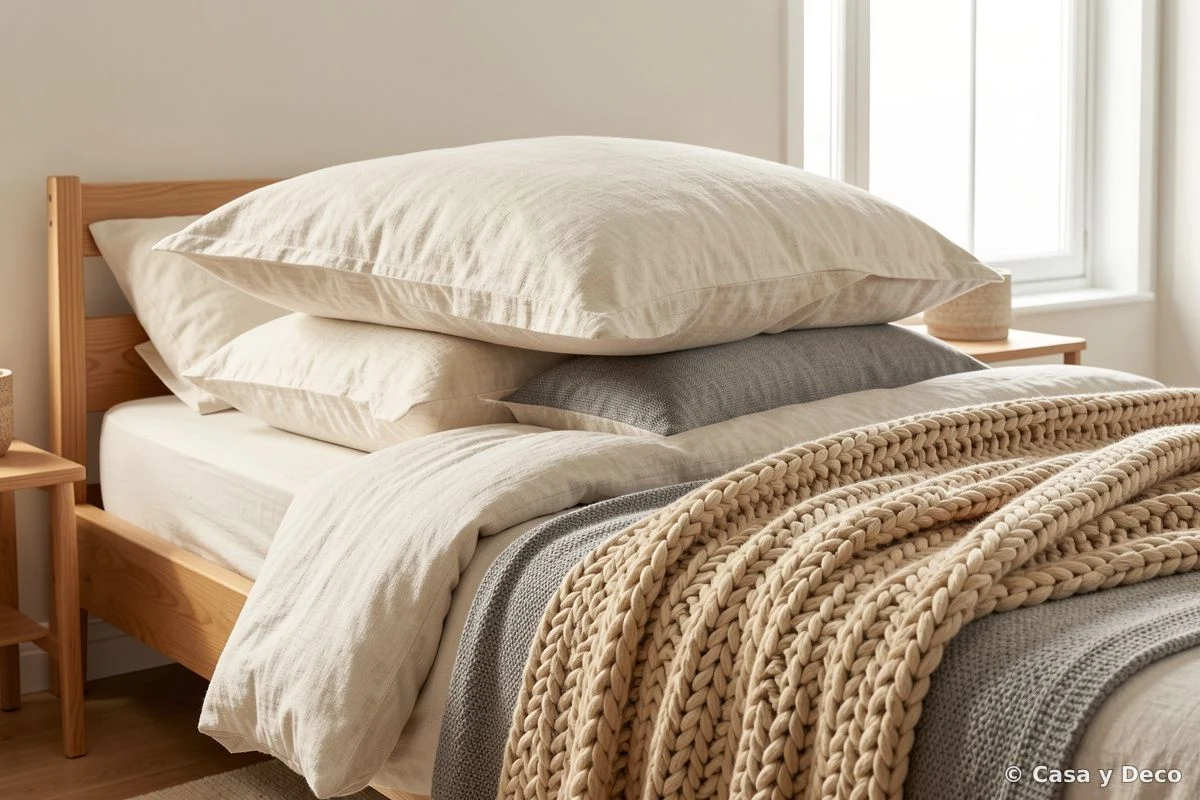
Regarding textiles: this is where it’s worth investing a bit more. A 50x50 cm linen pillowcase, two or three cushions in neutral tones (cream, taupe grey, off-white), and a thick cotton throw transform a basic sofa into something that looks magazine-worthy. Textiles are the first thing people touch and the last thing that feels expensive or cheap. Look for pieces made of natural fibres without obsessing over premium brands.
Recreate studied colour combinations. If you want an elegant living room without spending, note this: walls in white, raw, or very light grey (70-80% of the space), an accent wall in earthy tones or sage green, and furniture in natural wood or white. Then add accessories in matte black for contrast. This formula never fails and works even with budget furniture.
Second-hand shops, flea markets, and online platforms have treasures. It’s possible to find solid wood furniture, antique frames, or stylish lamps for a fraction of the original price. The only rule: ensure that the structure is solid and fits your measurements (the latter is critical; we’ve seen sofas that are impossible to get into flats).
Regarding lighting: you don’t need every point to have an expensive lamp. A decent floor lamp (for reading or illuminating a corner), affordable recessed spots in the ceiling, and several warm white LED bulbs (2700-3000K) create atmosphere without exorbitant investment. Avoid fluorescent tubes at all costs: they age any space.
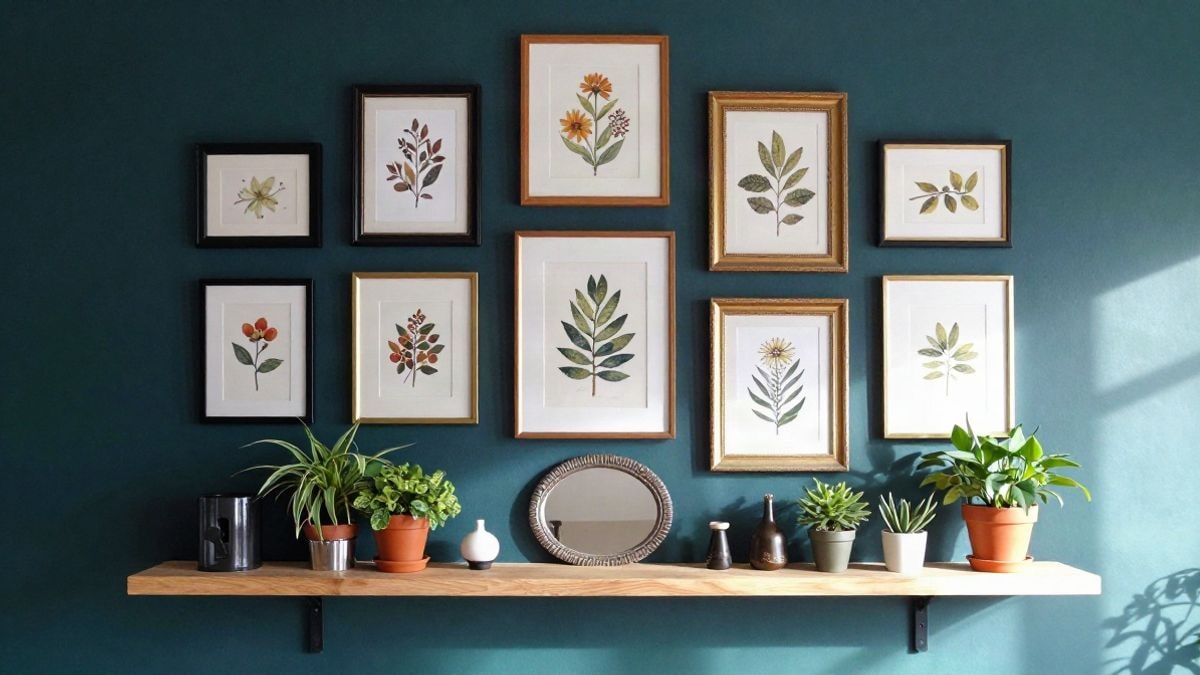
Blank walls can be daunting, but decorating them doesn’t require huge expenses. Prints, unframed pictures with mounts, small mirrors in groups, or floating shelves of 60-80 cm make a wall. A wall with five small frames of 20x20 cm in white or wood costs less than a large painting and has more personality. I confess that this resource saved our bedroom during budget crisis times.
Order is free and is what people will notice the most. Invest in neutral storage boxes, accessible metal shelves, and make use of the space under sofas. A tidy home looks more expensive, larger, and more cared for. You don’t need sophisticated furniture if everything has its place.
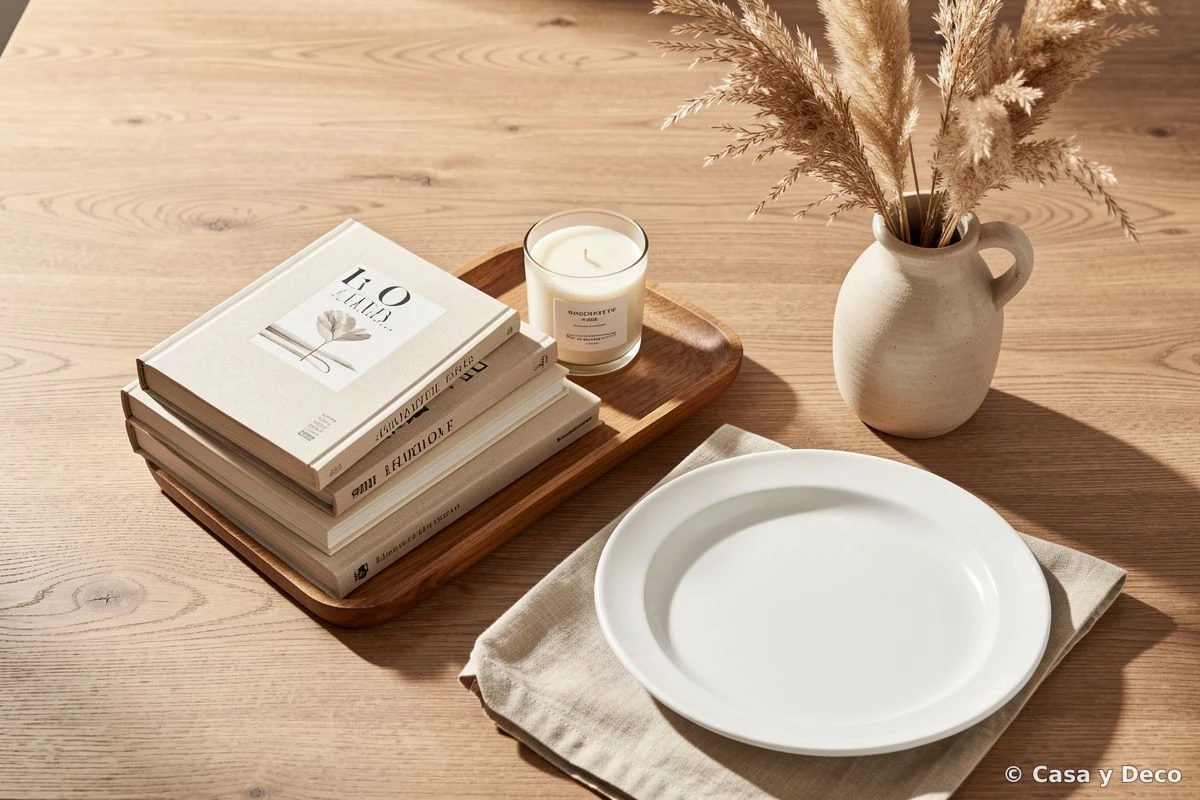
Details matter: unscented candles (avoid synthetic scents), plants in simple ceramic pots, stacked books, a wooden tray on the coffee table. These accessories cost little but eliminate the feeling of “empty space”. Decoration is storytelling, and with a limited budget, it must be even more intentional.
Don’t buy just to buy. This is what saves the most money. Before adding something to your cart, ask yourself: do I need it?, does it fit my palette?, will it last two years? If in doubt, wait a week. 70% of impulses evaporate in that time.
Decorating without overspending doesn’t mean living with the bare minimum. It means being selective, investing where it matters, and understanding that beauty isn’t price-exclusive. A living room with a good sofa, natural light, plants, and order feels different than one filled with clutter. Try this approach and let us know how it goes.

You may also like