At Casa y Deco, we love solving those decorating dilemmas that seem impossible without knocking down walls. And believe me, the lack of natural light in the living room is one of the issues that brings us the most calls. We can't always undertake a full renovation or change windows, but the solutions are there: it's a matter of being strategic.
The first thing we've learned is that light in a living room doesn't just depend on the windows you have, but on how you distribute and reflect it within the space. I confess that years ago, I made the mistake of filling my living room with heavy, thick fabric curtains, convinced it provided more privacy. Spoiler: I only ended up with a dark cave in the middle of the afternoon. It was a disaster.
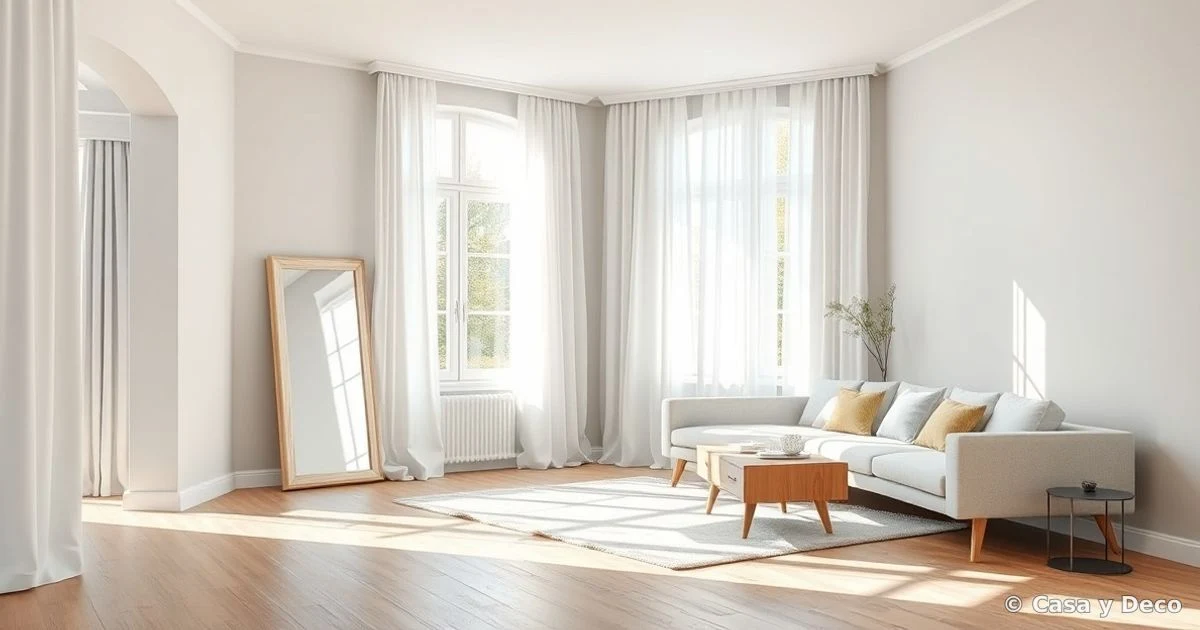
What truly makes a difference is understanding that mirrors are your best ally. It's not magic; it's pure physics: a well-placed mirror in front of a window or on a side wall visually doubles the light coming in. We always recommend mirrors that are at least 1 meter tall, preferably with subtle frames that don't steal the spotlight. A vintage gold or brass mirror also adds warmth, depending on your style.
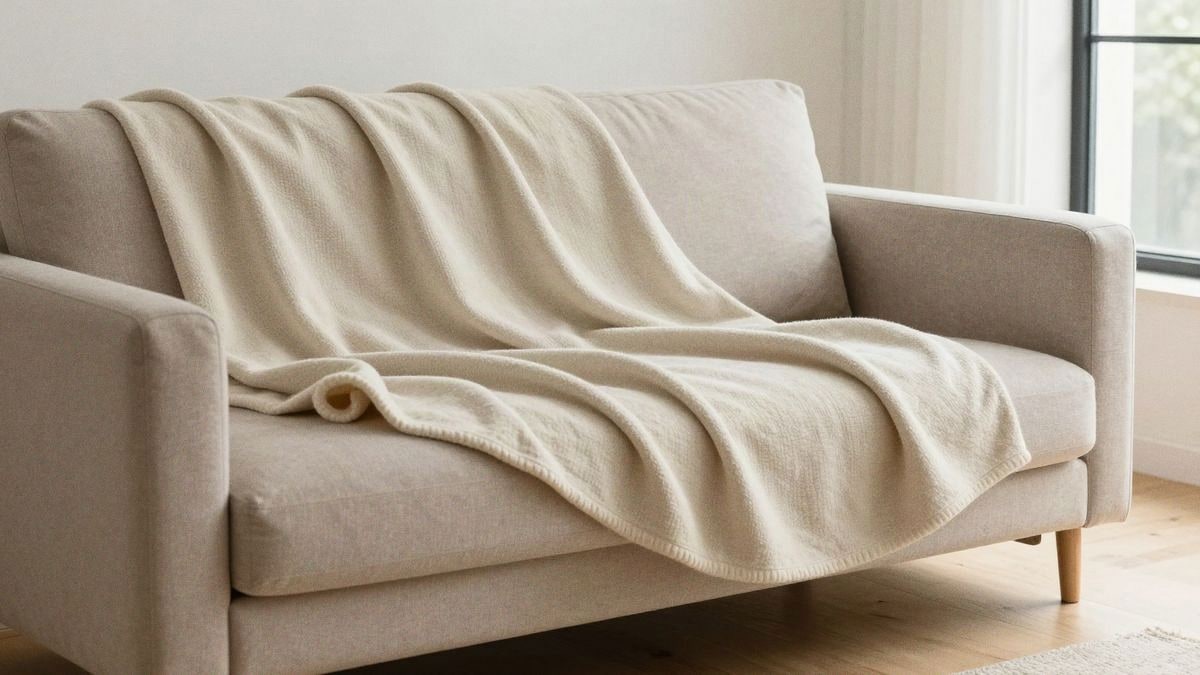
Light textiles are another key point. Replace those heavy curtains with white or beige linen, or better yet, with roller blinds that let in all the light when you raise them. Linen also has that texture that remains elegant without needing to be opaque. If you need privacy at night, opt for thin fabric curtains that you can draw, but keep them gathered during the day.
Here's a tip that not everyone considers: the ceiling paint matters more than the wall paint. A white or cream ceiling reflects light downwards, distributing it throughout the room. If you paint it dark, you absorb light that is already scarce. We prefer pure white if the light is very limited, although warm white (almost ivory) also works well without feeling cold.
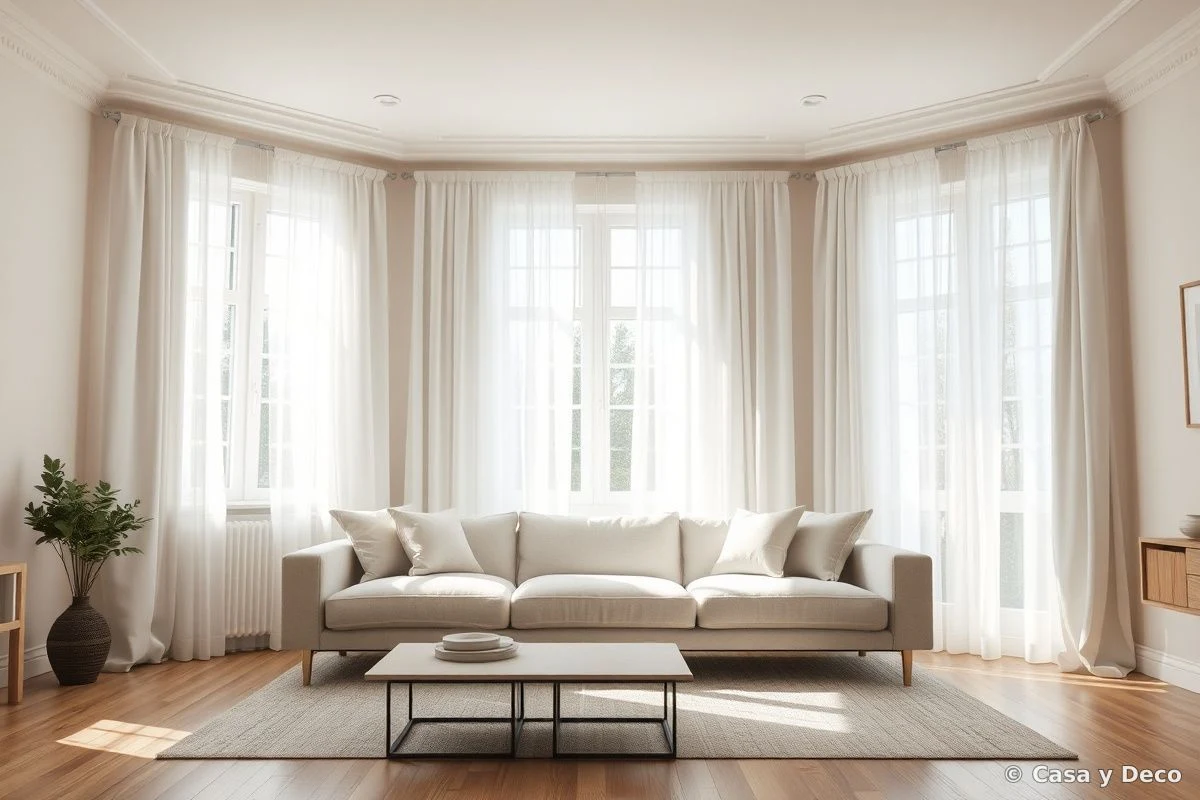
Furniture also plays a role. Low furniture and visible legs create a sense of lightness and light flow at ground level. A sofa with narrow arms and high legs allows light to circulate beneath it. Solid, heavy furniture, even if it's light in color, creates shadows that fragment the space. I confess this was a radical change in my living room: swapping a bulky coffee table for a more ethereal one completely transformed the perception.
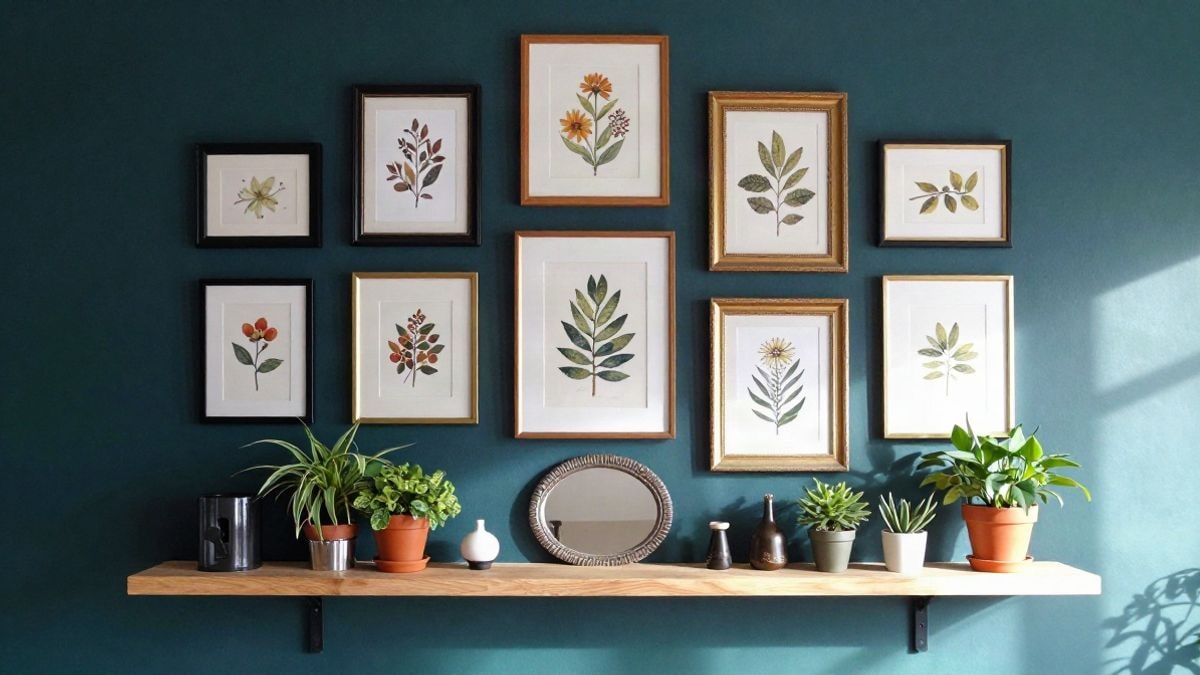
The walls also count. Light neutral tones (off-white, very soft grey, beige) expand the space and reflect light. You don't have to give up color: you can paint one wall a deeper tone (dark blue, sage green) to add character, but keep the others light. This creates depth without closing off the space.
A trick that works is using subtly shiny wallpaper on the wall where the light comes in. There are wallpapers with mica or satin finishes that capture light without looking artificial. Just use this sparingly: it's fine on an accent wall, but can be overwhelming if used broadly.
Artificial lighting is crucial, but the key here is to create layers of light, not a single central source. A powerful ceiling lamp blinds us and kills the sense of spaciousness. Instead, small lamps in the corners, a floor lamp next to the sofa, and wall sconces create ambiance and distribute brightness more organically. Use neutral temperature bulbs (4000 K) or warm ones (3000 K), never cool.
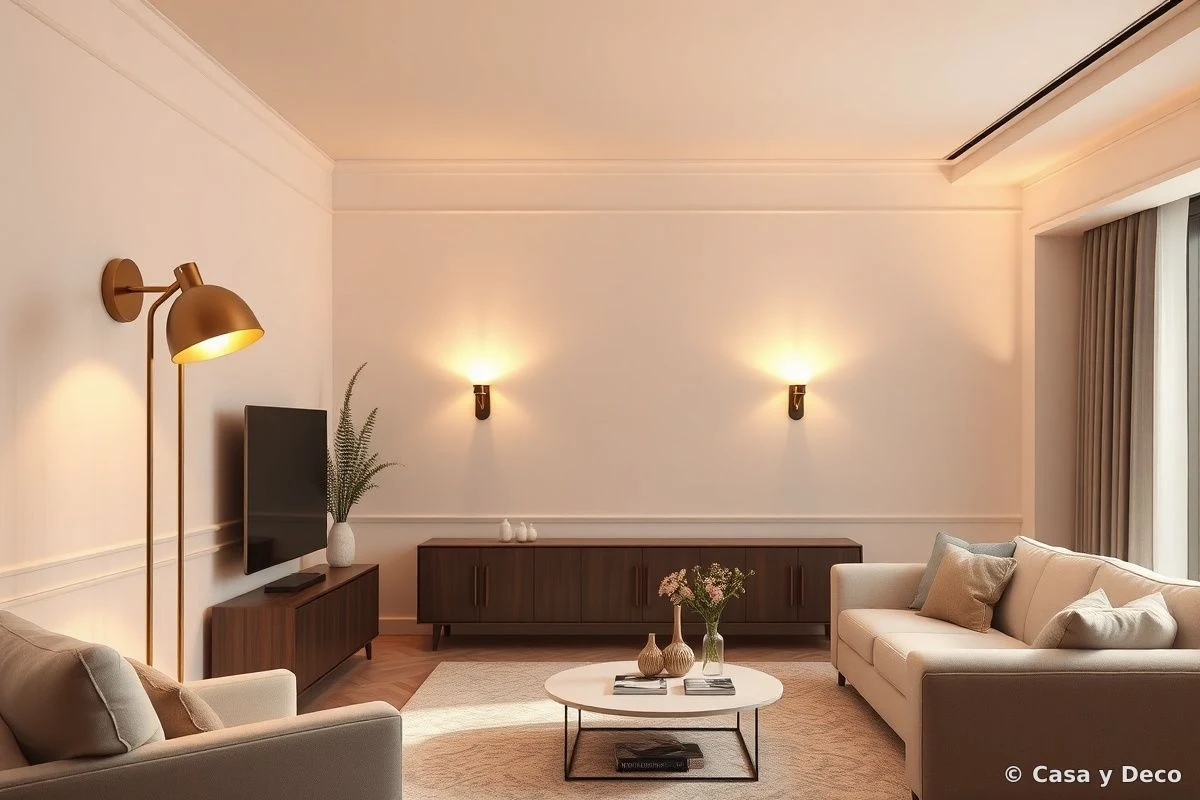
Reflective metals also help without it seeming so. Brass, copper, or stainless steel accessories capture and bounce light: lamps, picture frames, coat racks. But it doesn't all have to be shiny; the goal is to have strategic points that generate reflection.
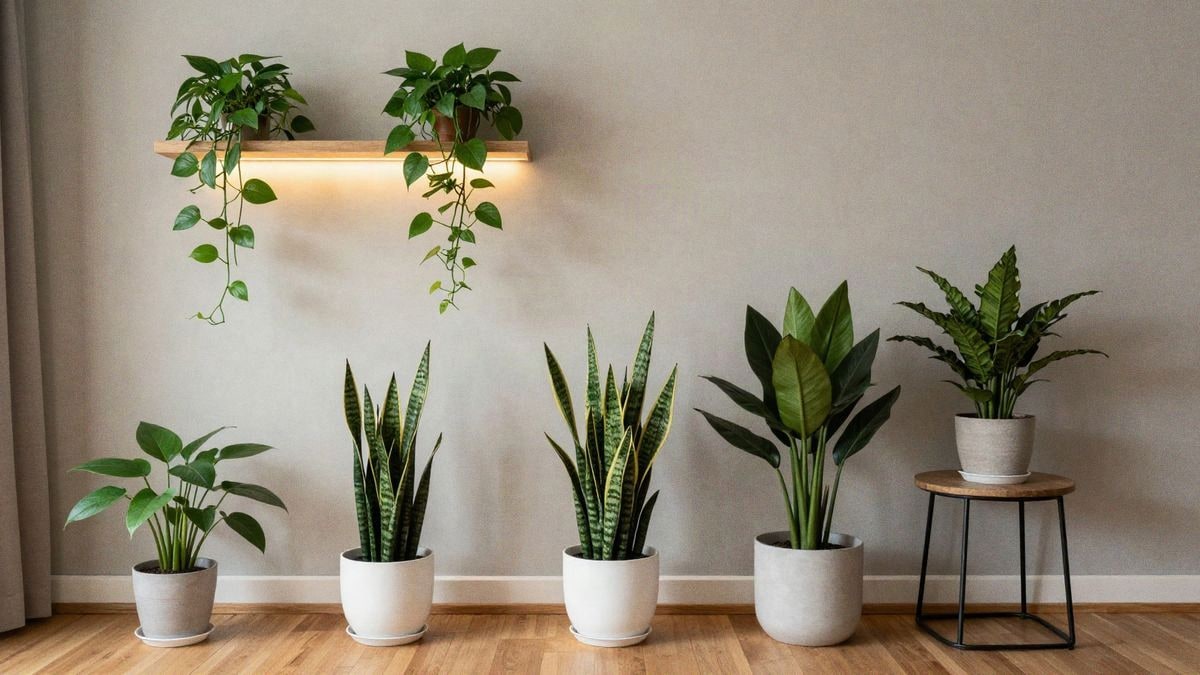
Green plants work, although don't think they illuminate. What they do is visually oxygenate the space and soften the harshness of a small or closed living room. A large pot in the corner near the window doesn't interfere with light entry and adds life.
Here's a tip that not everyone considers: keep the windows clean. It seems obvious, but a dirty window blocks up to 20% of natural light. Cleaning them regularly is free and transforms the space.
If your living room faces a dark area or has few windows, consider opening or enlarging the light entry without heavy renovation: changing the front door for one with glass, removing a swinging door and installing a sliding mirror door, or even a lightweight glass partition that allows light to pass from one room to another. This isn't structural work and changes everything.
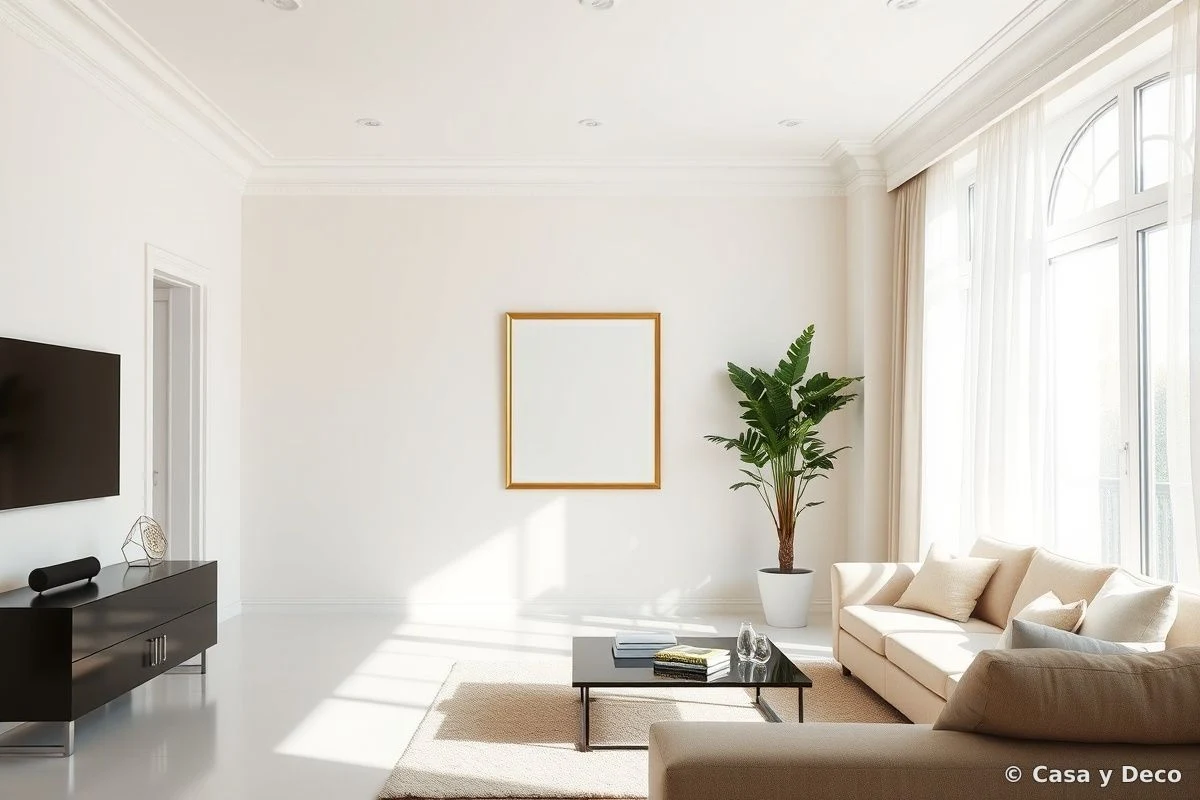
Finally, forget about dark, large paintings. Opt for light artwork, black and white photography on a white background, or simply keep the walls cleaner. If you want to fill space, use beveled mirrors or prints in pastel tones.
The combination of all these elements —mirrors, light textiles, smart paint, light furniture, and layers of artificial light— transforms a dark living room without knocking down a single wall. It requires vision, but it is completely achievable.

You may also like