At Casa y Deco, we know that artificial grass on terraces is the perfect solution for having a green space without constant maintenance. But there’s something no one tells you when you install it: in the middle of July or August, that cosy green mat can start to emit an unpleasant smell if you don’t take the right measures. I confess that the first time it happened to me, I thought I had chosen a poor quality product, but the reality is that almost all artificial grasses need certain care to maintain that fresh and pleasant effect during the hot months.
The origin of the problem is simpler than it seems: intense heat, humidity, and lack of air circulation create a perfect environment for the proliferation of bacteria and fungi in the fibres of the material. Additionally, dust, leaves, and organic debris that fall on the surface decompose more quickly when temperatures rise, intensifying that peculiar smell of damp plastic or, in extreme cases, sewage. The important thing is that this is completely avoidable with preventive maintenance.
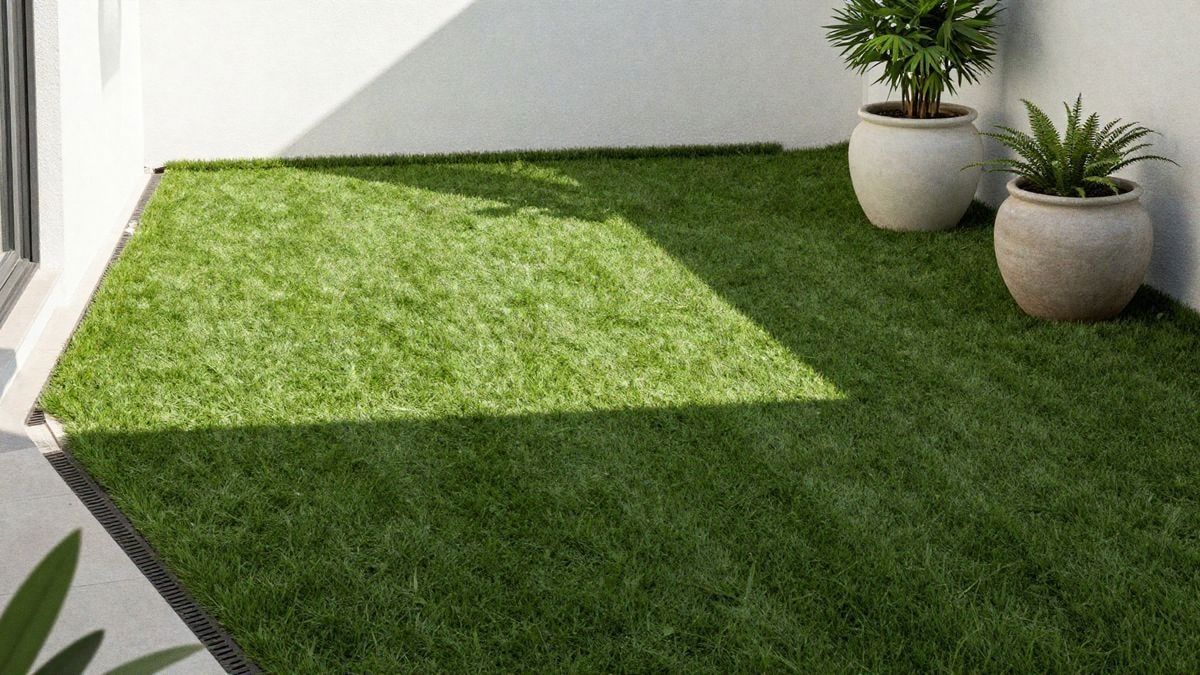
The foundation of everything lies in the correct installation. Drainage is your best ally. When installing artificial grass, make sure there is a layer of draining aggregate between 5 and 10 centimetres beneath the geotextile mesh. Many terraces are waterproofed, and that’s a problem: water gets trapped under the grass instead of draining away. If your terrace doesn’t have a natural slope, consider creating a minimal incline of 2-3% towards a drainage point or channel. This is essential.
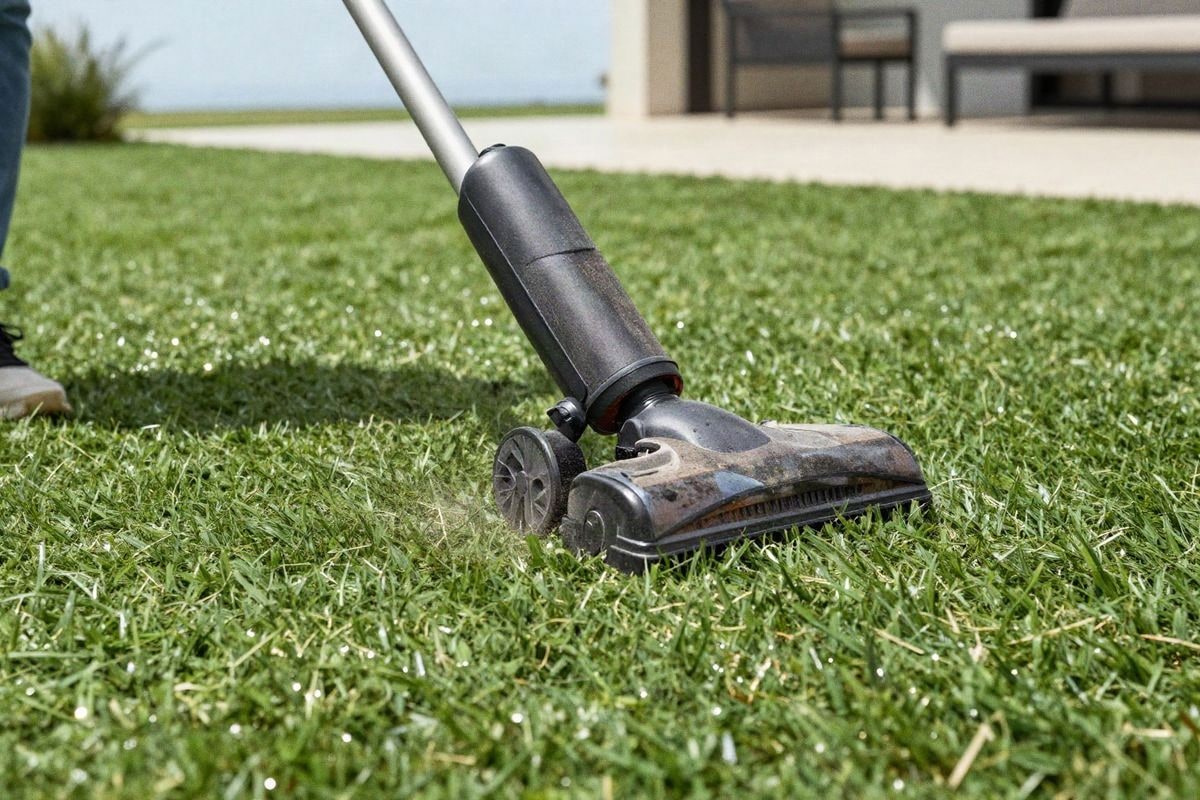
Once installed, the first step is to create a cleaning routine that is realistic and that you can maintain throughout the summer. Vacuum the grass once or twice a week with a garden vacuum or even a household one you have lying around. The reason is simple: you eliminate dust, leaves, food crumbs, and other debris before they decompose under the sun. It seems obvious, but it’s the foundation of everything. If you have a dog or cat that uses the terrace as a passage area, this step is even more critical.
Now comes what really makes the difference in summer: periodic washing with water. Contrary to what many people believe, water is not the enemy of artificial grass if that water drains properly. Wash the terrace with a hose once every 10-15 days, especially in areas with more traffic or where dust has accumulated. Use a gentle stream to avoid damaging the fibres, and take the opportunity to wash all organic debris towards the channel. This not only removes visible dirt but also sweeps away budding bacteria before they multiply.
The factor that no one mentions but works wonders is cross ventilation. If your terrace is surrounded by walls or has very dense plants around it, the air gets stagnant. Try to create air flows: remove or prune plants that hang directly over the grass, leave open spaces towards the directions from where the wind comes, and on very hot afternoons, place a standing fan directed towards the ground. It may seem odd, but it works. We tried it on a small test terrace, and the difference was noticeable in just a week.
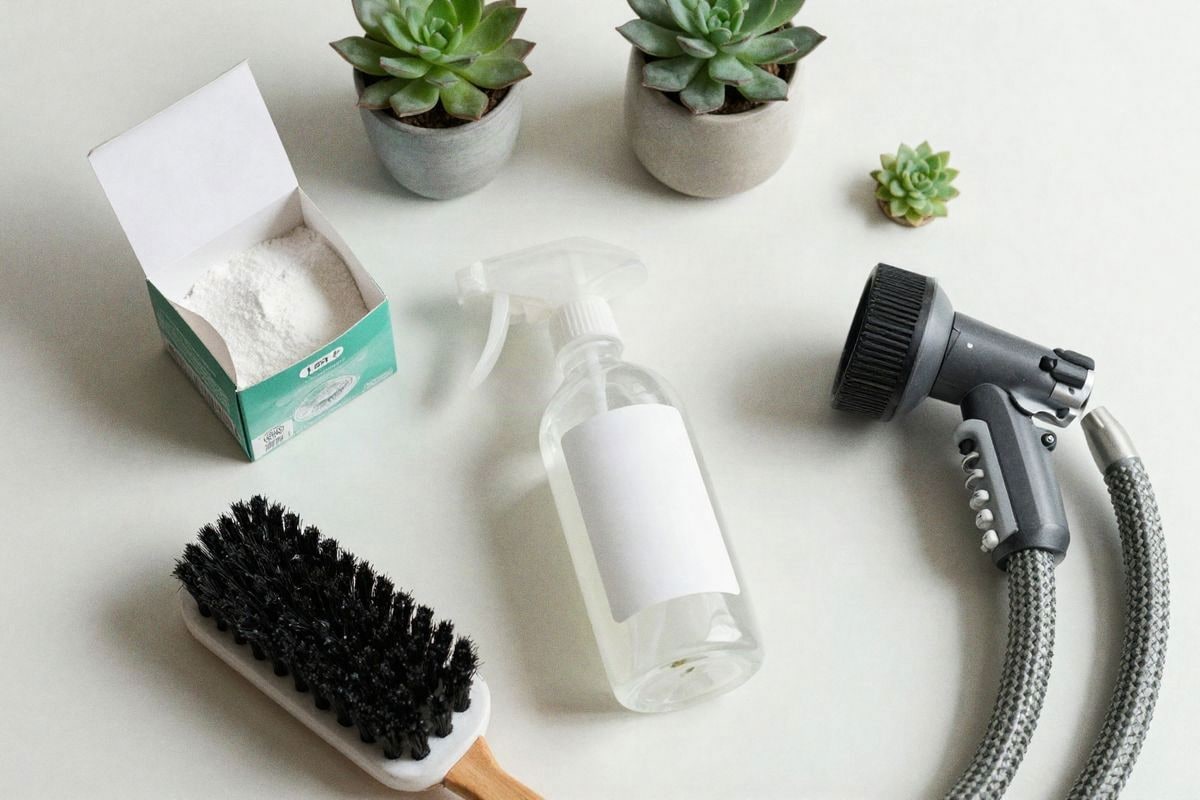
Here’s a trick that has worked in our projects: sprinkle baking soda over the grass once a month during the summer. Distribute a thin and even layer, let it sit for 24 hours, and then vacuum carefully. Baking soda neutralises odours without damaging the material or affecting drainage. It’s cheap, safe, and effective. Some also use talcum powder, but baking soda is more environmentally friendly.
If the smell persists after these basic measures, it’s time to dig deeper. Disinfect the grass with specific solutions. There are disinfectant products for artificial grass that you can dilute in water and apply with a watering can. Look for those formulated without chlorine, as chlorine can discolour the green fibres if used continuously. Apply every two months if the weather is very humid, or once a quarter if it’s drier. A homemade alternative is a mixture of water with a bit of white vinegar: it’s not pure disinfectant, but it helps balance the pH of the surface.
There’s an element we often forget: caring for the pots and plants that coexist with the grass. If you have large pots with real soil on the terrace, make sure that watering doesn’t flood the base of the container, as that moisture transmits to the nearby grass. Use elevated drainage plates and regularly empty the accumulated water. Consider switching to pots with lightweight and well-draining substrates, or even to gel or decorative plants that don’t require soil.
The type of artificial grass also influences more than one might think. Not all fibres are the same: there are polyethylene grasses, polypropylene ones, and blends. Those with denser fibres and realistic texture tend to accumulate less dirt because they have fewer gaps where bacteria can settle. If you plan to change your grass, this is something to consider. Some premium grasses already incorporate antimicrobial treatments in their manufacturing, saving you work in the future.
During the summer, the intensity of the sun also accelerates the degradation of organic matter on the material, so don’t skimp on cleaning days if your terrace receives direct sunlight for more than 6 hours a day. In these cases, it may be wise to increase to a weekly cleaning. And if during those months you have heatwaves, take advantage of the early hours of the morning to water: the water will evaporate more slowly, allowing it to drain well before the temperature rises too much.
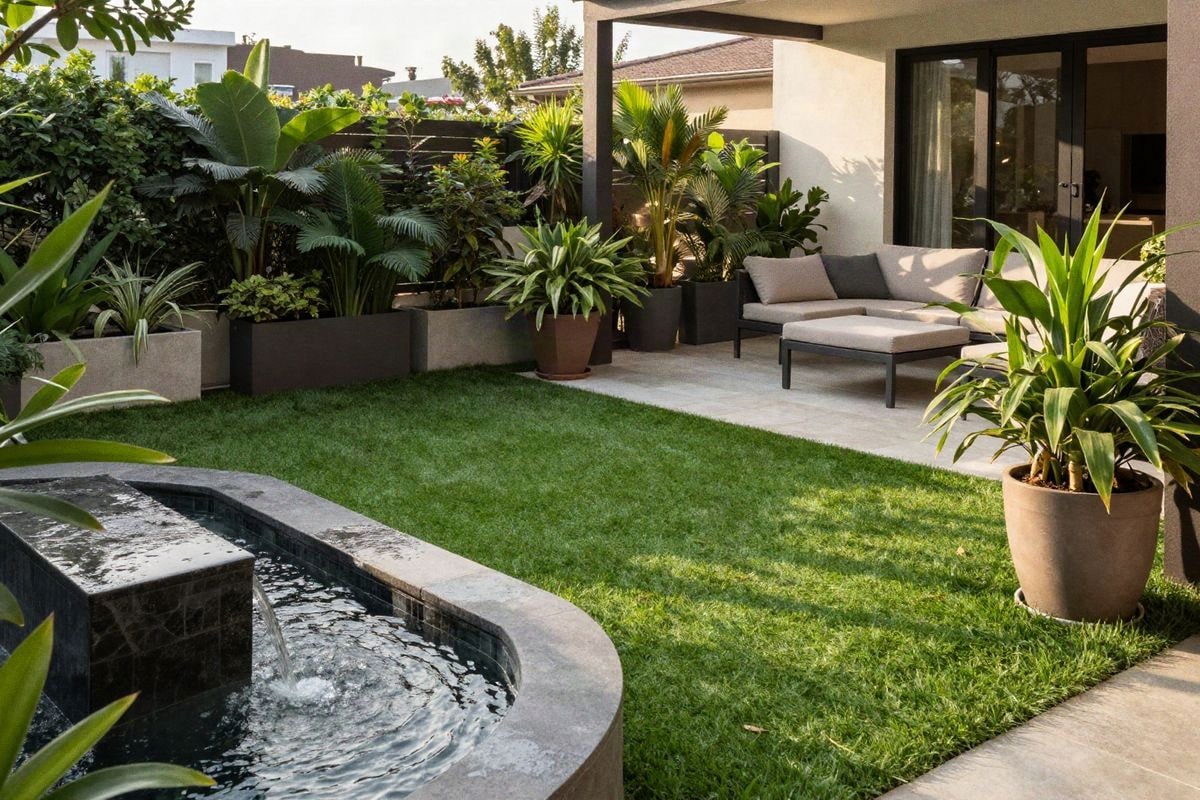
One last tip that has worked well for us: place a small decorative fountain or a programmed micro-sprinkler system. Not only does it add a nice aesthetic element to the terrace, but it generates air movement and humidity that destabilises the environment conducive to odours. Plus, you keep the grass cool without excessive water costs, as long as the system is well drained.
In conclusion, preventing your artificial grass from smelling in summer is not complicated: it’s about being consistent with cleaning, ensuring optimal drainage from day one, and creating an environment with good ventilation. If you do this, you will enjoy a green, fresh terrace with that clean aroma we all seek in summer. It’s a small investment of time that transforms the experience of using your outdoor space during the hottest months.

You may also like