At Casa y Deco, we love to think about how to enjoy the garden for as long as possible, and inflatable pools have become that solution we all consider when good weather arrives. But I confess that for years I thought they were a temporary, almost disposable option. The reality is very different: there are models that hold up incredibly well if you know what to look for and how to maintain them.
The painful truth is that not all inflatable pools are created equal. While some degrade after the first summer, others continue to function perfectly after a decade. The difference lies in the materials, the thickness of the vinyl, the support structure, and, of course, the maintenance you dedicate to them. We have researched which variables really matter so that your investment does not turn into an expensive regret.
The vinyl is the heart of the matter
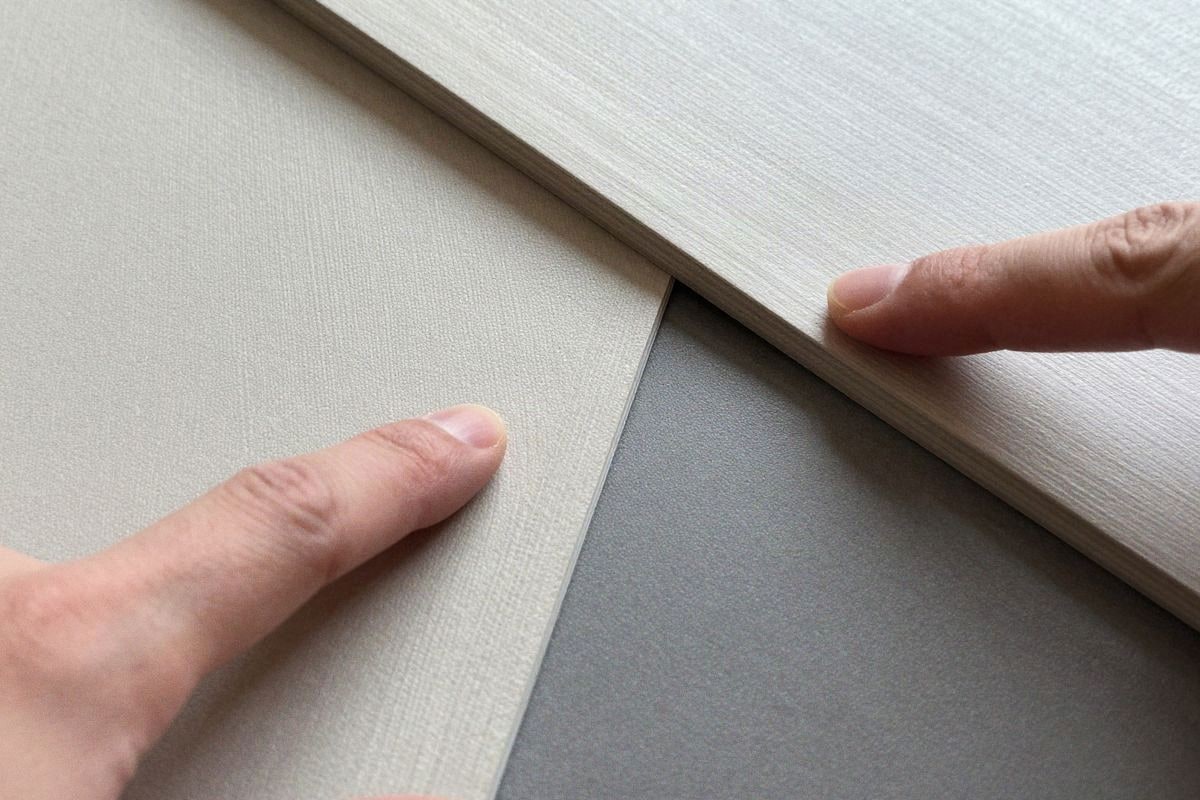
The material of the bottom and wall liner is what most determines the longevity of your inflatable pool. The recommended minimum thickness is 0.75 millimeters, although quality models range between 1 and 1.5 millimeters. The thicker the vinyl, the greater the resistance to punctures, scratches, and the effects of chlorine and UV rays. If you find a pool advertised with thicknesses below 0.5 millimeters, no matter how cheap it seems, let's be honest: it's money you'll end up throwing away.
The type of vinyl also makes substantial differences. There are standard vinyls and reinforced vinyls with interwoven polyester mesh, similar to the reinforcement of climbing fabric. Reinforced vinyls provide additional rigidity and better resist deformation, especially in larger pools. Although they cost more, their lifespan is significantly extended, especially in areas with a lot of direct sunlight where regular vinyl becomes fragile more quickly.
Something we weren't told when we bought our first pool is that dark colours age the vinyl faster. Navy blue and dark grey absorb more solar radiation and degrade faster than lighter or whitish tones. If you live in a very sunny area, consider investing in a lighter-toned model or at least consider a protective cover during peak sunlight hours.
The structure: much more than a simple skeleton
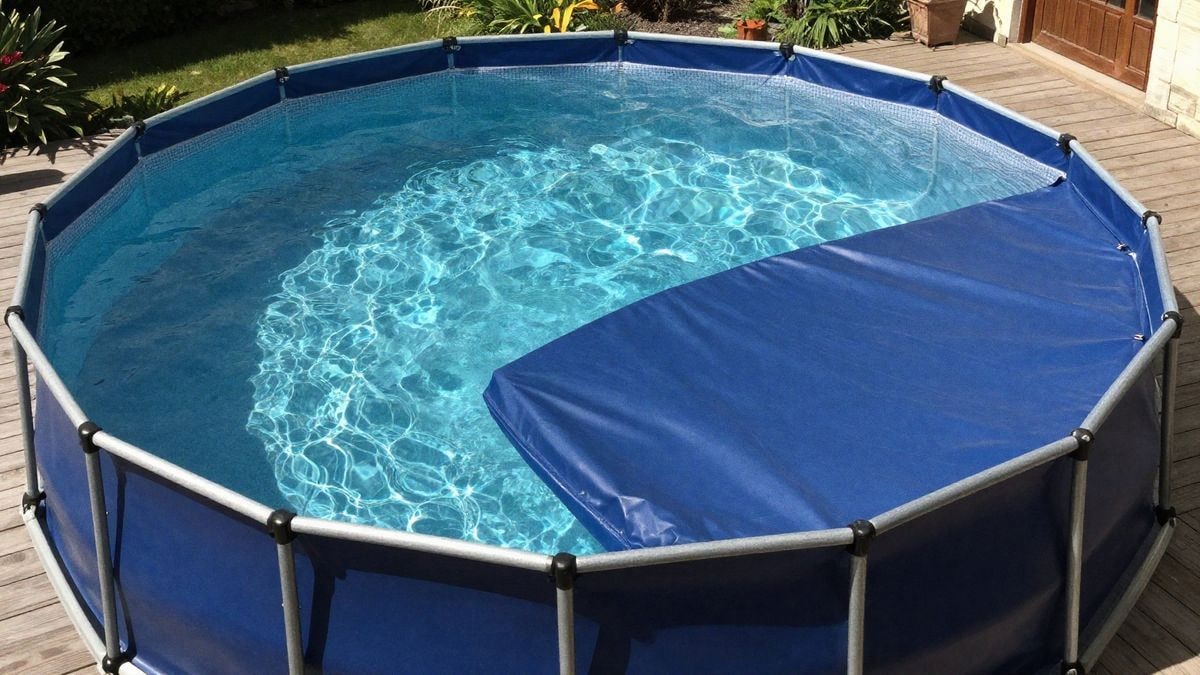
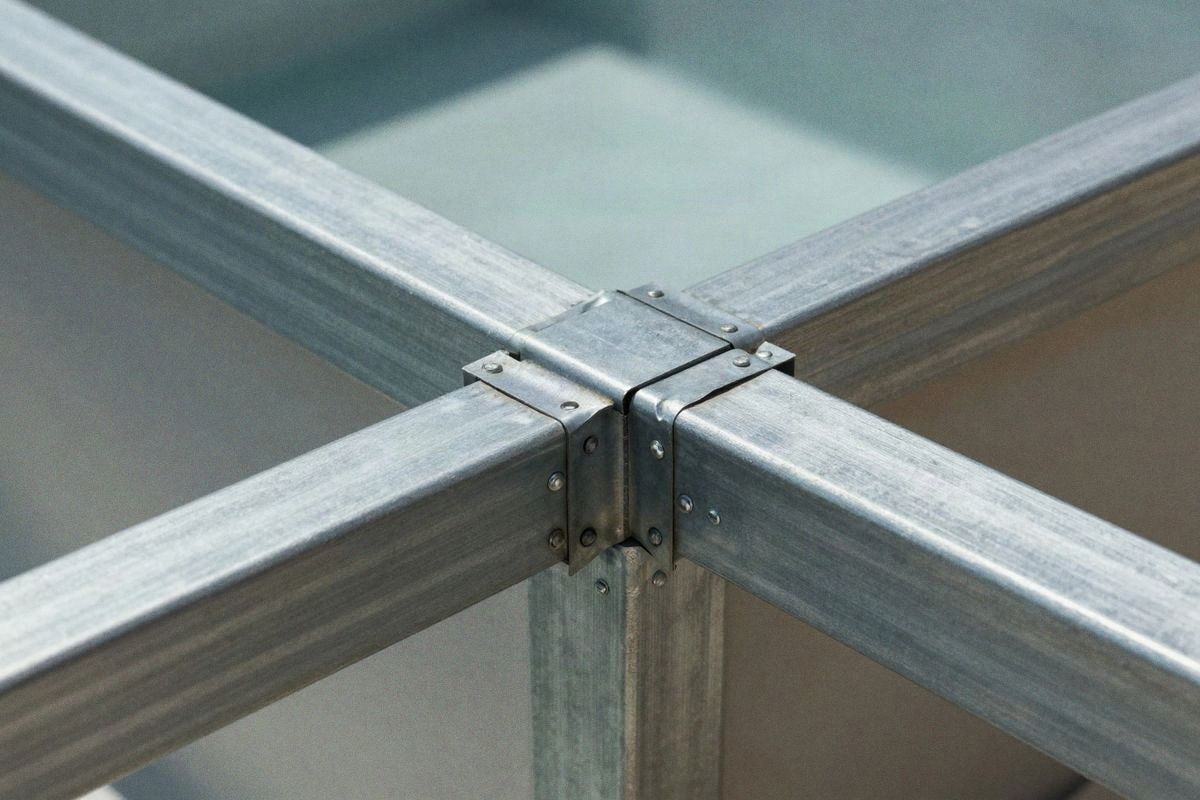
The support system is as important as the vinyl because a great liner is of little use if the structure gives way. Pools with tubular steel frames are the most robust on the market. Galvanised steel withstands enormous stresses without deforming, and although they are heavier and more difficult to assemble, they offer a stability that plastic or thin aluminium tube pools simply cannot achieve.
For the most common dimensions, between 3 and 5 meters in diameter, you should be looking for a steel tube with a minimum diameter of 42 millimeters and a wall thickness of 1.2 millimeters. Thinner tubes (25-32 millimeters) are deceptively cheap but tend to sag after two or three years, especially in long rectangular frame structures. I know a neighbour who bought one of those pools, and by the third summer, the frame had deformed so much that water was escaping through the joints. A bitter lesson.
Aluminium is an increasingly popular middle option. It offers lightness without sacrificing too much strength and does not require the anti-corrosion maintenance that steel demands. Although aluminium will not rust, it can be more fragile against direct impacts or if handled roughly during assembly and disassembly. For this material, ensure that the thickness is at least 1 millimeter.
Filtration systems: the true determinant of durability
This is where many people make the gravest mistake. A pool without decent filtration ages years in just weeks. Stagnant or poorly filtered water promotes the proliferation of bacteria, algae, and mineral deposits that degrade the vinyl and corrode the metal connections from the inside. I have seen pools just two years old turned into a green soup because their owners relied on occasional manual cleanings.
Cartridge filters are the standard in inflatable pools because they take up little space and are relatively inexpensive. Choose a model with a minimum power of 1,000 litres per hour for pools up to 6 meters in diameter. But here comes the important part: cartridges must be cleaned every two or three days during the season and completely replaced every two years. If you skip this routine, the filter becomes a hole through which water passes without really treating it.
Sand filter systems, although bulkier, offer better flow and require less frequent maintenance. They are ideal if your pool is large (over 5 meters) or if you live in an area with a lot of autumn leaf fall or environmental dust. Some models include saline electrolysis, which reduces the need for chlorine and is considerably gentler on the vinyl.
Protection against the elements: your best investment
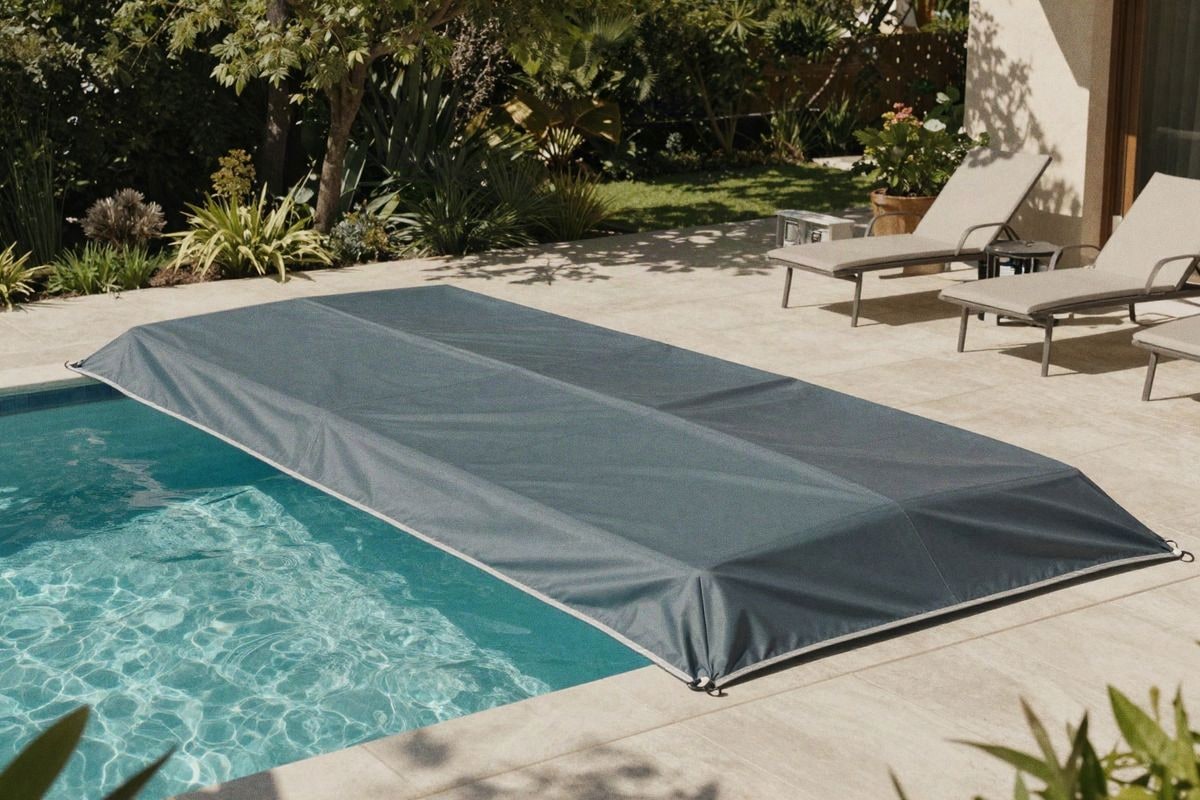
The protective cover is as important as the filter, although many people consider it an unnecessary expense. It protects the vinyl from direct UV radiation, slows evaporation, prevents leaves and dirt from falling in, and keeps the water temperature more stable. A good polyethylene cover of 200 microns can cost between 80 and 250 euros depending on the size, but it will save you thousands in premature vinyl replacements.
The ideal is to use the cover during the nights in peak season and all day during times of strong sun or wind. I know it seems tedious, but I confess that when I implemented this routine at home, the pool went from looking dull and discoloured to maintaining a crystal blue even in July and August. Additionally, it reduces chlorine consumption by between 20 and 40%, which is a significant economic plus.
Preventive maintenance: the secret that no one wants to hear
Rigorous maintenance can extend the lifespan of your inflatable pool by an additional 5 to 10 years. Check the pH weekly (it should be between 7.2 and 7.6), verify chlorine levels, and clean the filter regularly. During winter, if you dismantle the pool, store the vinyl in a cool, dry place, never exposed to the elements.
Specific degreasing products for vinyl should be used sparingly. Avoid hard brushes and abrasive detergents—vinyl is more fragile than it seems. A soft cloth and water with neutral soap is sufficient for exterior cleaning. Inside, a specific pool vacuum and a pool with a good filtration system will do most of the work.
Quick repairs are crucial. If you detect a small crack or puncture, address it immediately with vinyl repair kits available anywhere that sells pools. A small hole can become a giant one in a matter of days if you don’t repair it, and when water seeps between the liner and the structure, the problem multiplies exponentially.
Practical comparison: which type of pool ages better?
Round pools without visible metal structure (those where the inflated air supports the walls) age relatively well if the material is of adequate thickness. However, they have a depth limit of approximately 60 centimetres, so they are ideal for families with small children. Their lifespan in good conditions is around 4-6 years.
Pools with visible metal structures, such as gallery or tubular frames, with depths of 1 to 1.5 meters and measurements of 4 to 8 meters, are the true champions of durability. With proper maintenance, a good quality metal frame pool can function perfectly for 10-15 years. The vinyl can be replaced (costing between 500 and 2,000 euros depending on size) before the structure fails. They are more expensive initially, but the cost per year of use is by far the most economical.
Partially buried pools, those that are partially sunk into the ground, offer excellent durability because the frame is less exposed to the elements, although their installation is more complex and permanent. If your garden allows it and you plan to stay in the house for several years, it is worth considering them.
In conclusion, the inflatable pool that withstands the test of time best is the one where you didn’t skimp on basic specifications: vinyl thickness greater than 0.75 millimeters, metal structure with appropriately thick tubes, powerful filtration system, protective cover, and, above all, a maintenance routine that you turn into a habit. It is the investment in durability that will truly save you money in the long run.

You may also like