At Casa y Deco, we spend the summer battling mosquitoes on the terrace, and we confess that for years we were those who slathered on repellent before heading out for dinner. That’s why we are so intrigued by the number of people looking for plants that repel mosquitoes before buying anything at the pharmacy. The idea is tempting: a pretty pot, a bit of aroma, and fewer bites. But it’s important to separate what works from what just sounds good, and that’s what we’ll tell you here.
The most commonly cited plants that repel mosquitoes are almost all aromatic. They smell strong, adapt well to pots, and in some cases, are also useful in the kitchen. They are a useful addition, although not a complete solution, as you will see below.
Which plants are reputed to repel mosquitoes
Lemongrass tops almost all lists. Its lemon scent is intense, it’s very easy to care for, and it can grow up to two metres if given space. You can have it in a pot on the terrace or train it on a trellis in the yard. If that doesn’t convince you, lemon thyme and lemon verbena have a similar profile. Our first lemongrass died of thirst in August, so don’t trust that it’s indestructible.
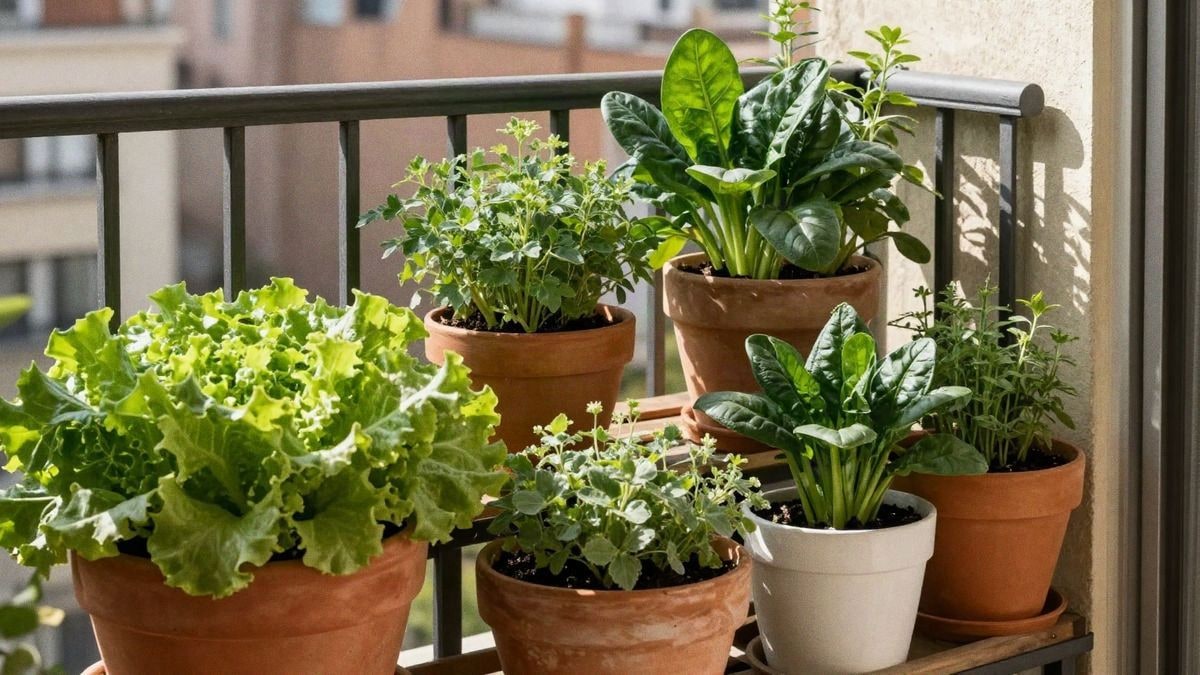
Mint is next on almost all lists. Mosquitoes dislike its scent, and we love that its leaves can soothe bites when it’s too late. However, it spreads as if it wants to conquer the balcony, so it’s better in a pot. The same goes for lemon balm, which has a citrus aroma and also repels fleas at the end of summer. It’s beautiful, but when planted directly in the ground, it ends up taking over the entire flowerbed.
Basil deserves a separate mention if you live in a flat. It works well on the kitchen windowsill or in a small balcony, and the lemon basil and cinnamon basil varieties are reputed to be even more effective. We admit we prefer cooking with it rather than using it as a shield, but having a plant that serves both purposes seems like a win.
Lavender, rosemary, and geraniums: the classics of the terrace
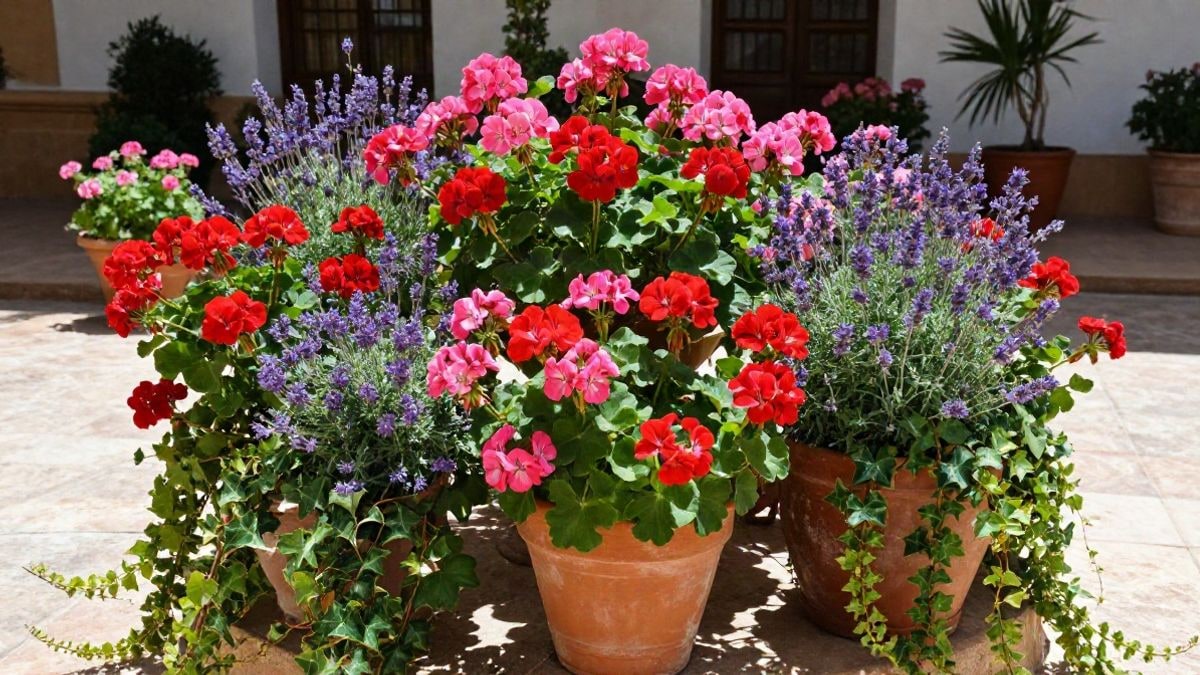
Lavender is one of the most beloved for its aroma. Additionally, according to the sources we consulted, it protects against some pests like aphids, mites, and mosquitoes. It needs full sun and well-drained soil. Our advice is to plant it near the vegetable garden or in large pots on the balcony, where it receives light for most of the day. If you plant it in the garden, the bushes grow quite large, so leave some space.
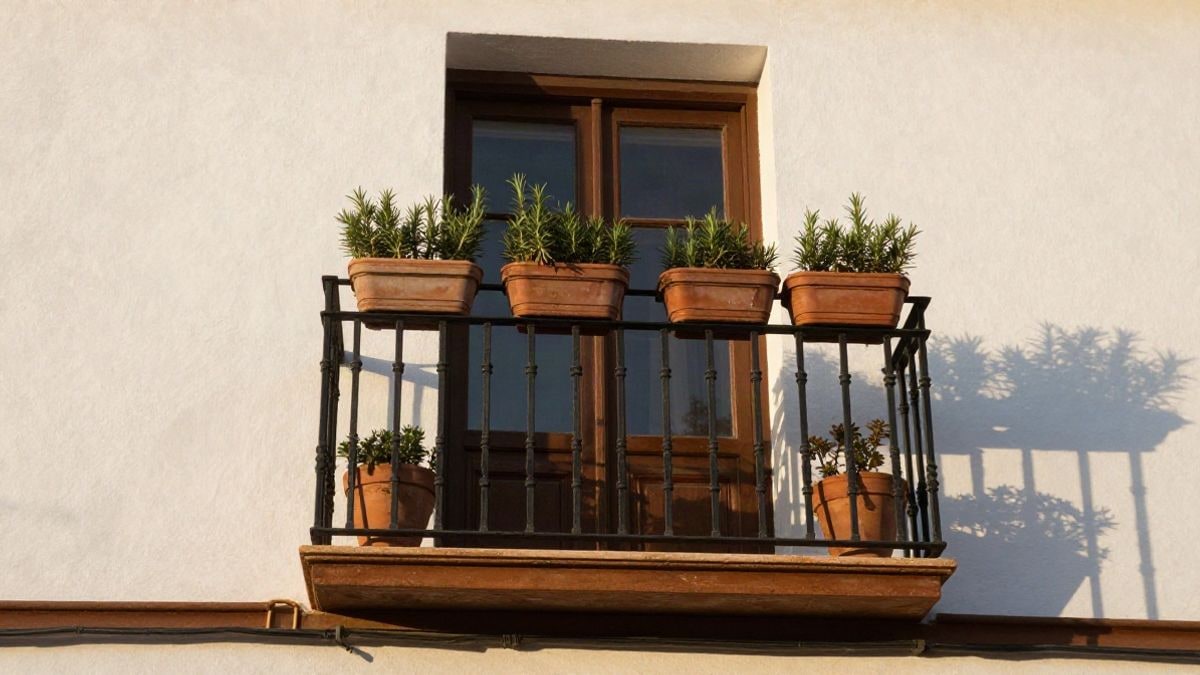
Rosemary flourishes in well-drained soils and full sun. Placed under a window or at the foot of a wall, it can create an aromatic barrier. A trick that works for us is to dry some sprigs and hang them indoors, especially in the bedroom. The aroma fades over time, so they need to be replaced occasionally.
Geraniums have a special charm. They are easy to grow, smell nice, and add colour to any corner. The aromatic-leaved ones, like citronella geranium (Pelargonium citrosum), are the most mentioned against mosquitoes. Planted in a hanging basket, on the railing, or in a pot next to the table, they serve a dual purpose: they look pretty and don’t bother. Be careful, the flower of the common geranium does not have the same strength as the aromatic leaf, so don’t buy just any thinking of the effect.
Catnip, marigold, and other options
Catnip is a favourite of cats, and that’s exactly what makes it delicate. It contains an oil that mosquitoes dislike, but it also attracts your cat or the neighbour's cat, which will happily crush it. We recommend placing it in a tall pot and away from the flowers and herbs you want to keep. We confess that ours uprooted it in three days, and we had quite a laugh.
Marigold is annual, very showy, and contains pyrethrin, a substance that also appears in some commercial repellents. Its flowers look great in borders and beds. Savory has flowers with an unpleasant smell for some insects, and its leaves are used in cooking, so it can have a role on the terrace. Garlic, chives, and onions from the garden are also mentioned as repellents, although their effect is mild.
What plants won’t do for you
Here we must be honest. No plant completely replaces a repellent or eliminates standing water, which is where mosquitoes breed. The saucers of pots, pet water bowls, clogged gutters, and watering trays are the source of most problems. A pot of mint does not compensate for a bucket full of water in the yard.
The effect of plants also depends on how you use them. The aroma is released better when the plant is brushed, touched, or cut, and with heat and wind, it disperses quickly. That’s why they work better grouped near the area where you sit than scattered throughout the garden. The effectiveness is moderate and local, and it’s good to keep that in mind before thinking that the balcony will become a bite-free zone.
How to arrange them on the terrace
Our method, after several trials and some errors, is simple. Place the most potent aromatics in large pots next to the table, leave lavender and rosemary in the sunniest area, and put mint and lemon balm in separate containers so they don’t invade. Railing pots take advantage of vertical space, which is appreciated in a four-square-metre balcony.
Water wisely. Many of these plants are Mediterranean and don’t want waterlogged soil, so the saucer under the pot should be emptied daily or, better yet, not have one. Check the leaves once a week for pests, as a healthy plant repels much more than a stressed one.

You may also like