If there's one thing we've learned at Casa y Deco, it's that a well-planted terrace is the best refuge at home. However, not all terraces receive the same light conditions, and finding sun-resistant terrace plants that thrive without turning into a daily watering ordeal is key. I confess that on my first attempt with a sunny terrace, I made the classic mistake: I planted everything without considering the orientation. The result: a green graveyard by August. Since then, I've learned that choosing species that can truly withstand heat and sun exposure is the best investment.
The first thing you should do before rushing to the store is to observe your terrace with a critical eye. Does it receive direct sunlight for hours? Are there moments of shade? How much humidity is in the environment? These questions may not be romantic, but they are practical. A south-facing terrace, with relentless midday sun, needs completely different species than one that only receives afternoon light. The time you can dedicate to watering is also crucial: having a garden as a hobby is not the same as wanting to simply relax on your terrace without worrying about pots every day.
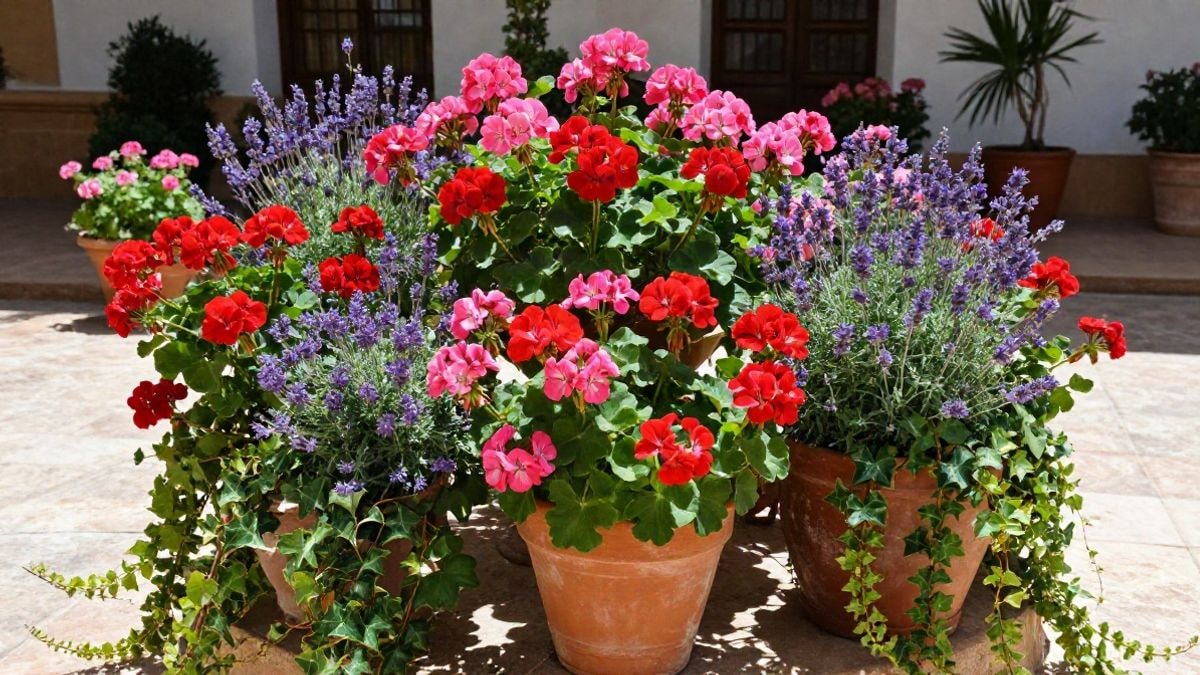
Among the flowering plants that best withstand open heat, geraniums are practically unbeatable. They bloom all year round, require little care, and come in colours that brighten any corner. Carnations and daisies are in the same vein: guaranteed resilience. If you prefer more striking flowers, bougainvillea is the queen. However, it needs a large pot (about 60 to 80 centimetres) and space to spread out, but the result is spectacular: intense flowers that withstand the sun effortlessly. Lavender adds purple flowers, a relaxing aroma, and extreme resilience; plus, it attracts bees and butterflies, so you gain decoration and life on the terrace.
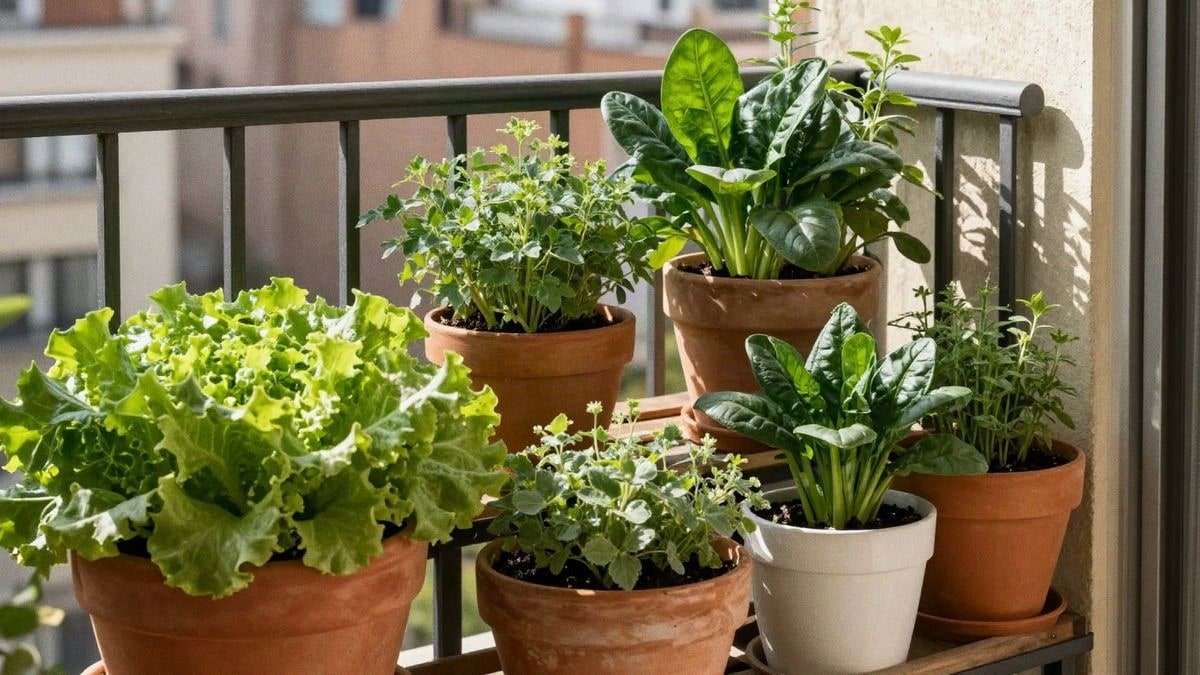
Not everything has to be flowers. If you're looking for pure greenery, ivy is incredibly resilient, works well as a climber or hanging plant, and won't give you any unpleasant surprises. Rosemary, basil, and thyme not only withstand the sun but can also be used in the kitchen: you gain functionality and aroma. I confess that my potted rosemary has seen tough seasons and is still there, almost indestructible.
Then there are the champions of resilience with minimal intervention: cacti and succulents. They don't need frequent watering, many have flowers, and aesthetically they offer that trendy desert look. Here’s a little-known recommendation: zamioculca. It sounds like a fictional name, but it's real; its flowers resemble calla lilies, and it finds exactly what it needs to grow on a sunny terrace. Just be careful not to overwater; these plants live off their reserves, and too much water is more dangerous than drought.
If your terrace has generous space, you can dare to try small trees. An olive tree in a large pot is not only incredibly resistant to the sun but also conveys that Mediterranean feeling we all seek in summer. Lemon trees also work, and they have the added bonus of producing fruit. Japanese maples are more demanding regarding shade, but if your terrace has a corner with filtered light, they are beautiful.
Other large options that hold up well include calla lilies, jasmine, and the famous bird of paradise. Each has its light and water preferences, but all can fit on a terrace with the right pots and a willingness to dedicate some time in exchange for spectacular flowers. The Christ thorn is less known but highly valuable: eye-catching flowers and real resilience.
Here comes the practical section, where many get lost. In summer, water at night: the water doesn’t heat up inside the pot and doesn’t damage the roots. In winter, water during the warmest hours to prevent the water from freezing. Set a day each week to check your plants: remove dry leaves, inspect for pests, and adjust watering based on what you see. The amount of soil in the pot directly affects how much water it can retain, so choose pots proportional to the final size of the plant, not its current size.
A detail that many guides don’t convince me of: you don’t need a sophisticated automatic watering system if you plant resilient species. Yes, if you travel often or have little time, a cheap drip irrigation hose works wonders and costs just a few euros. But most sun-resistant plants we've mentioned can go a few days without water without drama.
If your terrace is small, don’t dismiss the option. Almost all species have compact versions through pruning and care. A vertical garden, if you have a wall available, is the perfect solution: it doesn’t take up floor space, adds humidity to the environment, and visually is a huge change. There are affordable structures on the market made precisely for this.
The reality is that having sun-resistant terrace plants isn’t complicated if you choose well from the start. It’s not about boring or ugly plants: there are options with vibrant colours, pleasant aromas, and culinary utility. The secret is to observe your terrace, understand how much sun it receives, be realistic about the time you can dedicate, and then choose proven species that fit that. Once planted, you only need consistency: water when necessary, check regularly, and enjoy the result. A green terrace, even under the most brutal sun, is possible.

You may also like