At Casa y Deco, we love discussing decoration decisions that go beyond the obvious, those that make the difference between a beautiful home and one that truly works. The floor is precisely that: a choice that affects the entire experience of your house, but which often comes down to "I like how it looks" without really knowing what you're bringing home. When faced with choosing between laminate and vinyl flooring, I confess that the commercial discourse has confused us all more than once.
The truth is that these two are not twin brothers, far from it. Although both imitate wood or stone, their behaviours in the home are completely different. One breathes more, the other withstands water better, one costs less but lasts less, the other is more durable but has its own weaknesses. In the next few minutes, we will tell you what we have learned after seeing hundreds of installations and listening to real battles between users who did not know how they really differed.
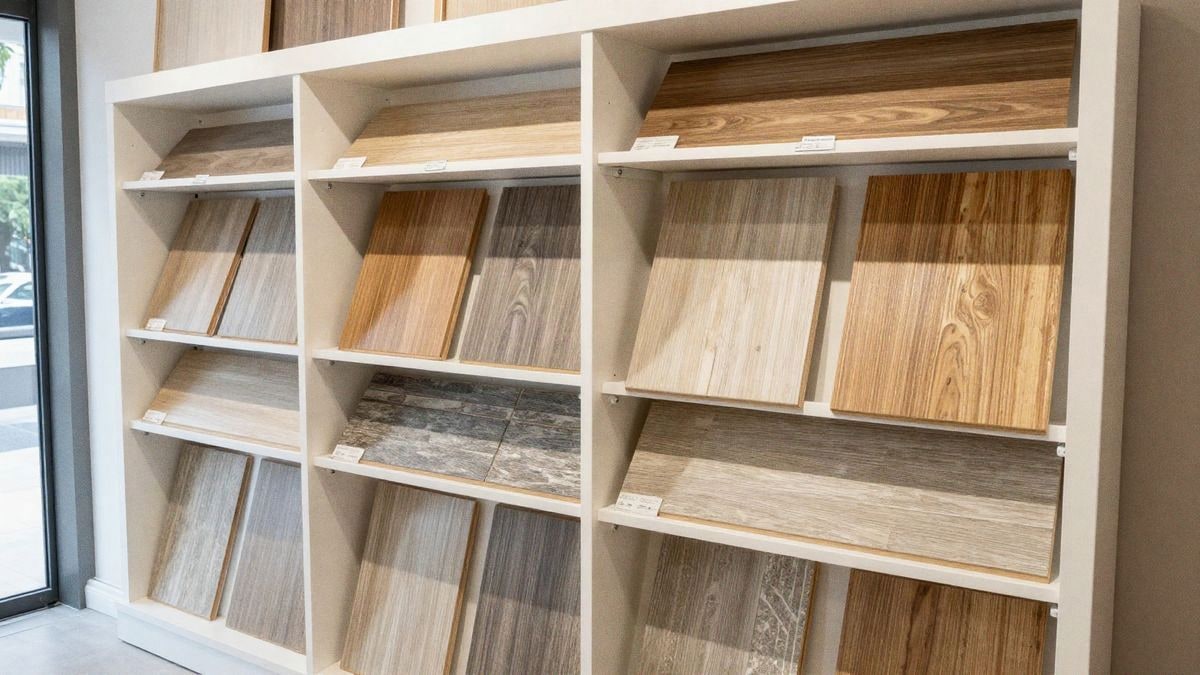
What exactly is each one (without unnecessary technicalities)
Laminate is like a smart sandwich of various materials: it has a lower layer of plywood, a central layer of HDF (high-density fibreboard), a decorative layer where the wood or stone pattern is, and a top resin finish that protects it. It is basically pressed wood with a printed disguise. What you see is not a real photograph, although it looks more and more like one: it is a repeated pattern that imitates reality.
Vinyl, on the other hand, is completely different: it is a plastic material, derived from PVC, that can come in sheets or planks. It also has a layered structure, but its base is entirely synthetic. Within vinyl, there are important subcategories that are almost never explained to you in the store: SPC (stone plastic composite) is rigid and super hard, WPC (wood plastic composite) is more flexible, and LVT (luxury vinyl tile) is the most versatile and modern on the market right now.
Water resistance: this is where the game changes
This is probably the most important and least discussed aspect. Laminate flooring has a mortal enemy: water. If it gets truly wet, it is not a matter of "drying quickly"; HDF absorbs moisture like a sponge, swells, warps, and practically says goodbye to the floor. We never recommend it in kitchens or bathrooms with heavy use. In a kitchen where there are hardly any splashes, it might survive, but a bathroom shared by the family or a kitchen where taps are frequently left open is dangerous territory.
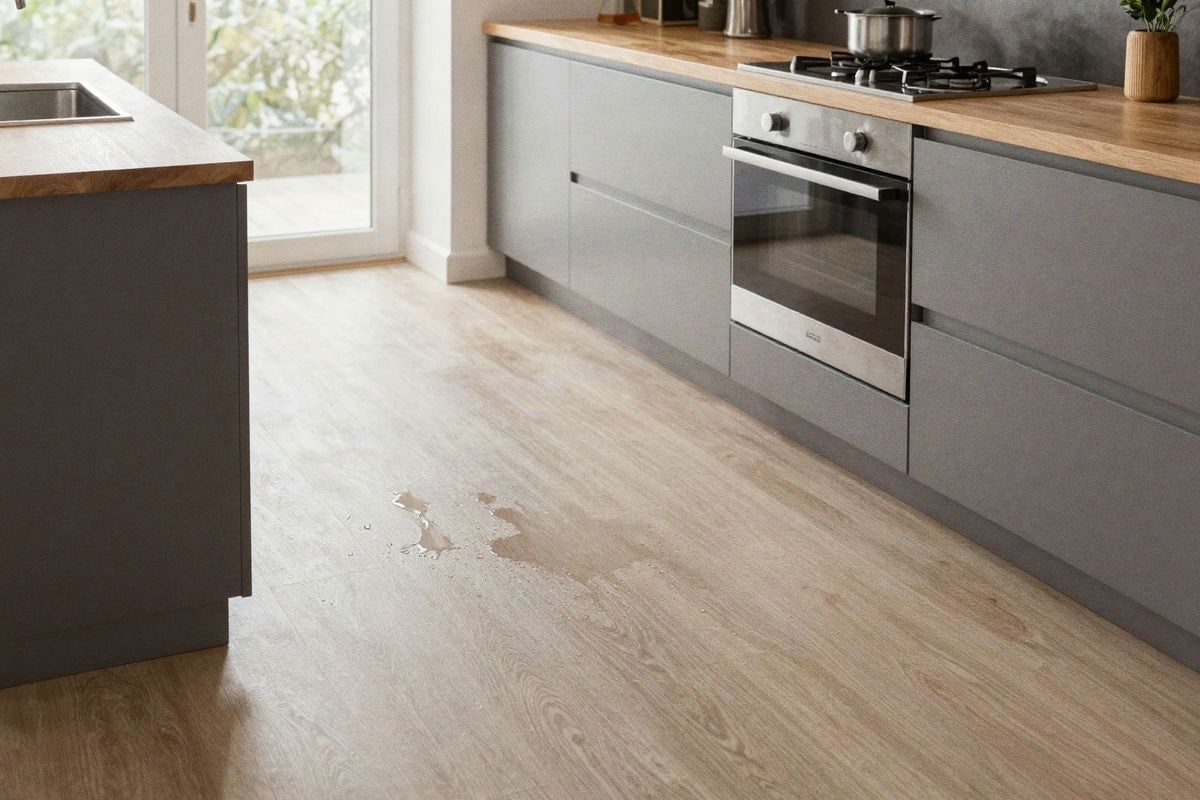
Vinyl, on the other hand, laughs at water. It is 100% waterproof. You can leave a spilled glass for 24 hours and nothing will happen. That’s why it is the preferred choice for kitchens, bathrooms, laundries, and damp spaces. I confess that this was the reason we ended up choosing vinyl in our last bathroom renovation: we knew it would withstand at least 15 years of spills and moisture.
But wait: vinyl also has a "but." If the moisture comes from below (a leak from the floor upwards), neither will protect you. In that case, what fails is the building's waterproofing, not the floor. It’s important to understand this before investing money.
Durability and ease of cleaning
The durability of laminate depends a lot on the thickness and quality of the top resin. Good laminates are around 8-10 mm thick and can easily last 15-20 years in a living room without pets. But here comes what no one tells you: scratching is its classic weakness. If you have a cat, if you drag chairs without protection, if children play with hard toys constantly, you will see scratches on the laminate. It’s not a disaster, but it is noticeable.
Vinyl, especially SPC, is almost indestructible on surfaces. Scratches do not appear as easily, and those that do appear are much less visible because the material has depth. It is the floor that masochistic dog owners would choose. Good quality LVT will last you 20+ years without serious problems. What is more vulnerable are cuts: something sharp can mark the material, although it is hard to notice at first glance.
Cleaning both is easy: a damp mop with a bit of neutral products and you’re done. They do not need waxing or special treatments. Vinyl has a slight advantage here because dirt does not penetrate the material; with laminate, excessive moisture during cleaning is always a risk, so you must dry it well afterwards.
Acoustic and thermal insulation
If you are looking for a floor that dampens sound, laminate wins here. Its wooden structure gives it a warmer feel underfoot and dampens footsteps better. Vinyl, especially SPC, is harder and stiffer, so it generates more noise when you walk. In apartments with neighbours below, this is something to seriously consider.
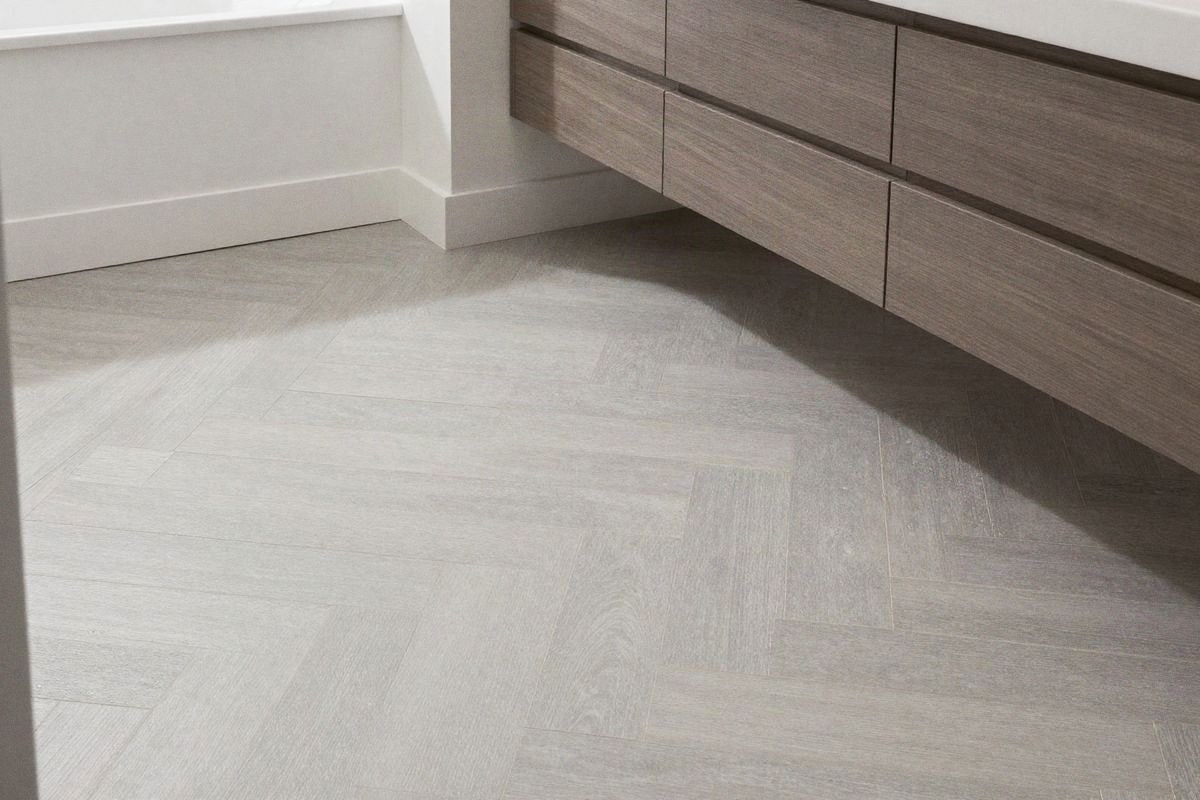
To improve the acoustic insulation of vinyl, you need a special underlayment that absorbs sound, which adds to the cost. With laminate, it often comes with an integrated underlayment. In thermal terms, laminate is slightly warmer to the touch, although the difference is small. In very cold climates, both are freezing without good heating.
Real price: beyond the square metre
Good quality laminate ranges between 5 and 10 euros per square metre. Good quality vinyl (especially LVT) usually costs between 8 and 15 euros per square metre. So at first glance, laminate seems cheaper. But here come the figures that no one adds up: installation, maintenance, and replacement over the years.
If your laminate gets damaged by water or heavy use in 7-8 years, you will have to replace it. Vinyl, if well maintained, lasts 20 years. That means investing an extra 500 euros upfront in quality vinyl is actually more economical in the long run. Additionally, vinyl installation is generally easier and quicker, so labour costs can be similar or even lower.
Aesthetics: the detail that matters
Here it is purely personal taste. Laminate has that "printed wood" look that, if the quality is low, is hugely noticeable. But today’s good laminates are almost indistinguishable from real wood at first glance. Vinyl, especially high-end LVT, offers an incredible variety of textures: you can have realistic stone, aged woods, microstructures that imitate natural cracks.
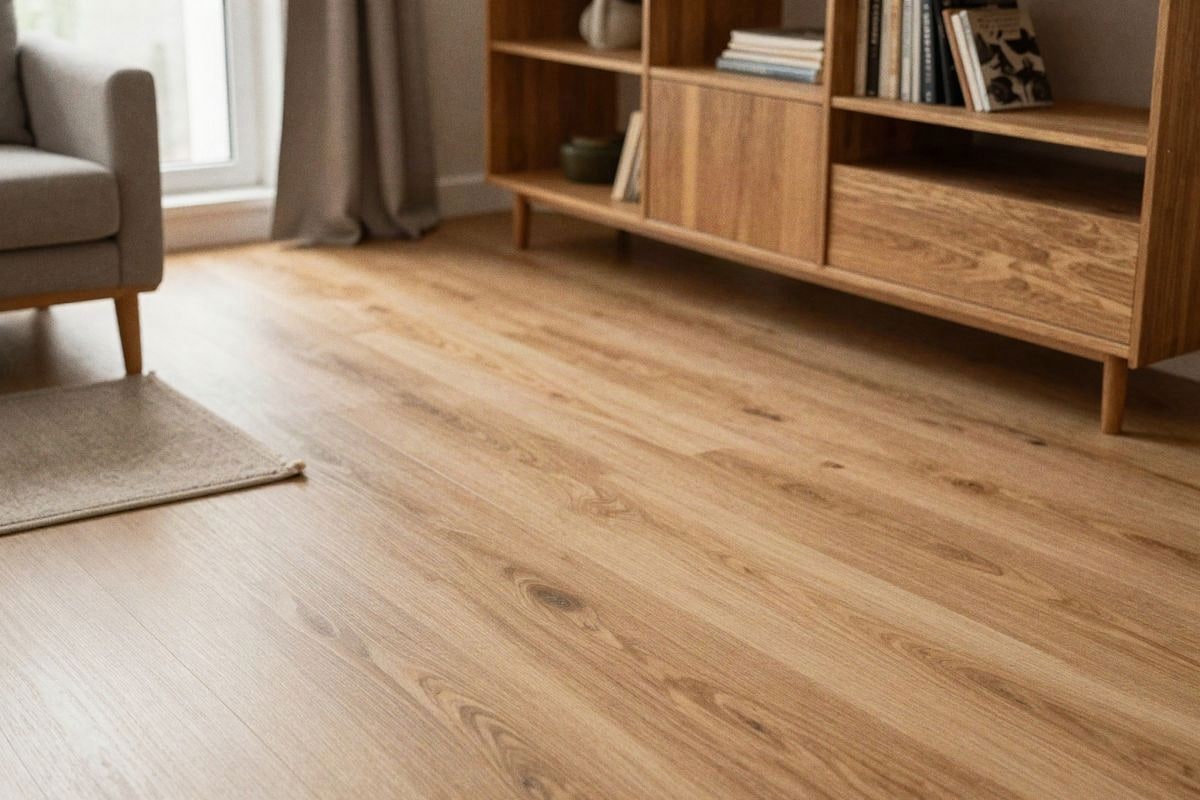
In terms of design, traditional laminate comes in elongated planks (typically 130 x 20 cm). Vinyl allows for more varied formats: small square tiles, large planks, even formats that play with placement. If you are looking for a modern and customizable aesthetic, vinyl gives you more freedom.
Installation and daily maintenance
Laminate is installed floating, without gluing: you fit plank to plank and that’s it. If something gets damaged, the repair is more complicated because everything is interlocked. Vinyl, depending on the type, can be installed floating, glued, or with a click system. Floating installation is more flexible because if a plank gets damaged, you can replace it without affecting the rest.
In daily maintenance, both benefit from little water and neutral products. But vinyl is much more tolerant if someone spills something and forgets. Laminate requires more care, especially around the joints where water can slowly infiltrate. In reality, we have seen cases of laminates in kitchens that lasted 15 years without problems, but they were very careful families. It’s not the most common.
Our honest conclusion
If we lived in a ground floor apartment in a city with a family of four members, a pet, and an open kitchen, we would choose vinyl. If we lived in a country house, with a living room as the main space, without pets and with traditional bathrooms, we might opt for a good laminate. There is no universal winner; it completely depends on your reality. What we do know now is that in a store, no one is going to spend 20 minutes explaining these differences to you. You do have the time to think it through.

You may also like