At Casa y Deco, we love a well-dressed sofa, and for that, throws are our favourite allies. The problem is that many accumulate lint, fray, and end up looking shabby in just a few weeks. I confess that I have suffered this drama more than once: I buy a beautiful throw, hang it on the sofa with all the excitement, and a month later it looks like it has been through a fraying machine. That’s why today we are going to talk about how to choose throws that withstand the test of time without turning into a cloud of lint.
The first thing to understand is that not all fibres behave the same way. Lint appears when the fibres come loose from the weave or the fabric is not dense enough. Some materials are simply more prone to shedding lint than others, and that is information you need to be clear about before spending your money. The good news is that there are very comfortable and beautiful options that hardly shed anything, and we are going to show you.
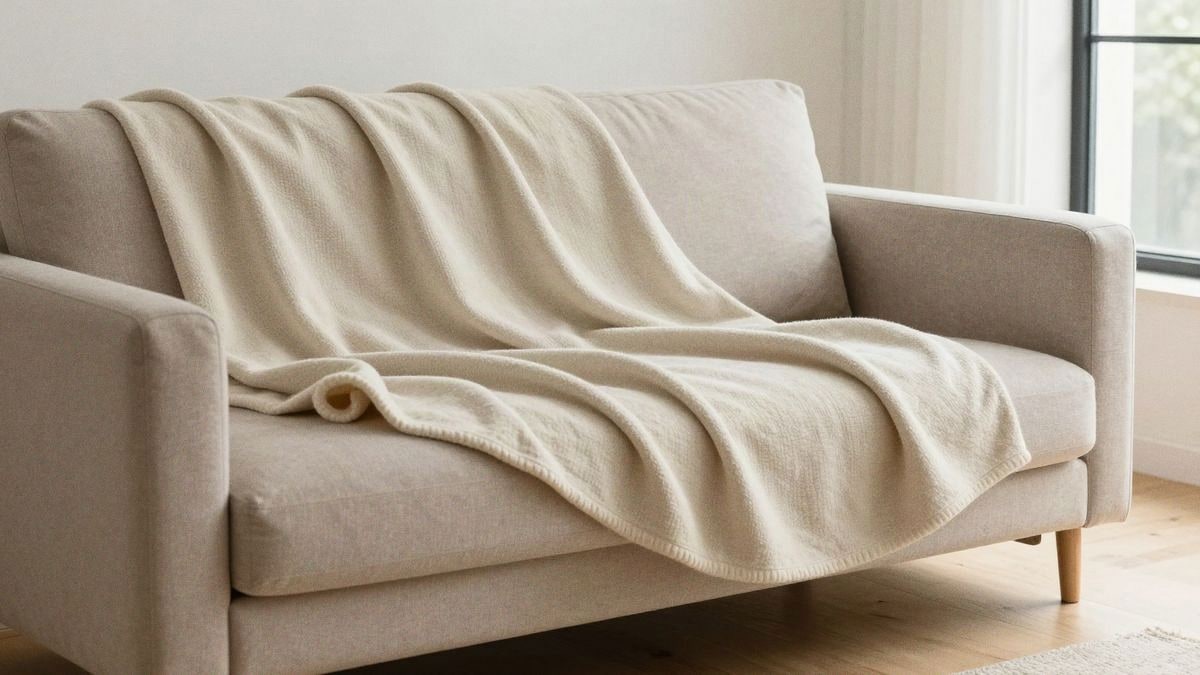
High-density cotton is one of our favourites for sofas. Look for fabrics weighing at least 400-500 grams per square metre, which guarantees that the fibres are well compacted. Cotton is breathable, cosy, and with the right care, lasts for years without problems. However, avoid very lightweight cottons or those sold at ridiculous prices: they are usually of low quality and fray like paper.
Microfiber is another champion when it comes to lint. This synthetic material is incredibly durable and practically does not shed lint, plus it is very easy to clean. If you have pets or children at home, microfiber is your best friend: it withstands all kinds of rubbing without losing a single fibre out of place. The only weak point is that it can reflect light in a slightly artificial way, but current designs are becoming increasingly sophisticated.
Linen also deserves special mention. Although it is more delicate than other fabrics, good quality linen hardly sheds lint because it is a very consistent fabric. Linen has that rustic and natural charm that we love in summer, and it also ages beautifully, gaining character over the months. The downside is that it wrinkles naturally, but if that doesn’t bother you, it’s an excellent option.
Now, polyester is where the drama begins if you don’t choose wisely. Many cheap throws are made from low-quality polyester, and these shed lint like there’s no tomorrow. If you are going to buy polyester, make sure it is high-density or mixed with other more noble fibres. Polyester blended with cotton or linen works better than pure polyester.
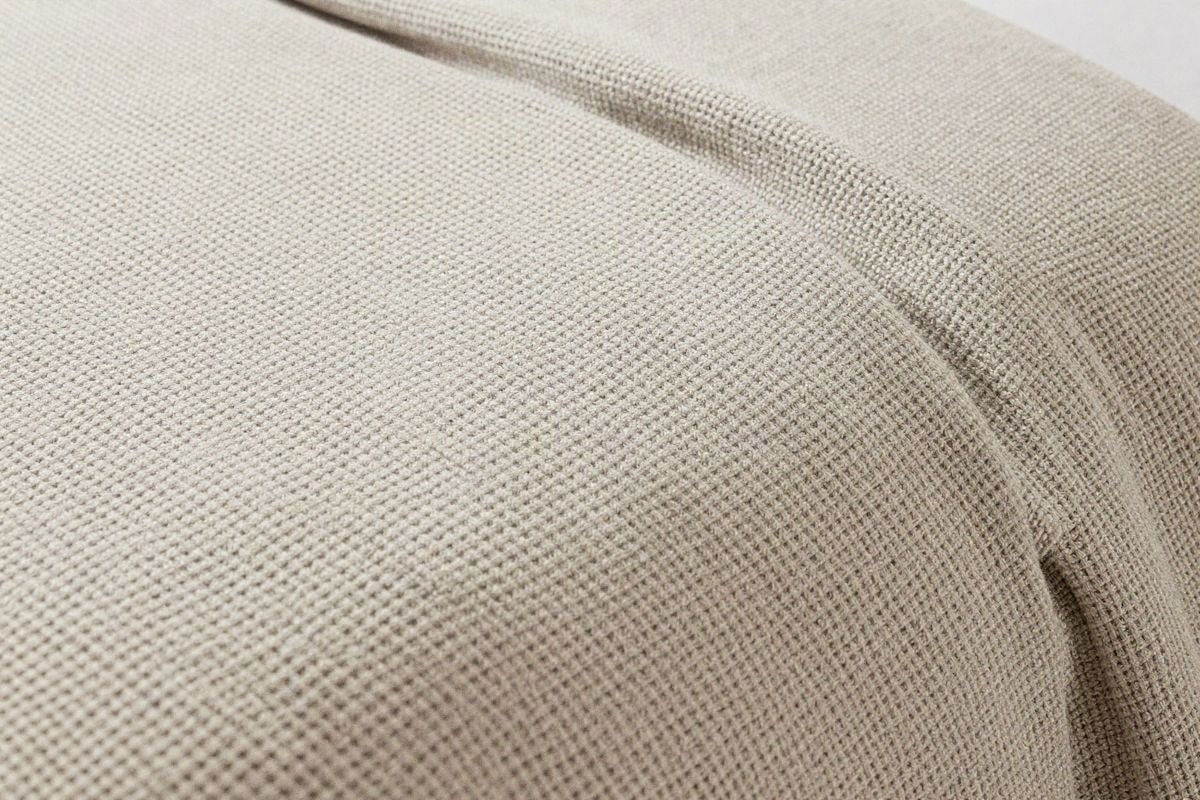
One technique that almost nobody mentions is the origin of the fabric. Woven fabrics (not knitted) tend to shed less lint than knitted or polar fabrics. Polar is very soft and cosy, but it is notorious for accumulating lint at the edges. If you insist on a polar throw, choose one of very good quality and consider that it will require more cleaning care.
The finish also matters a lot. Fabrics with lint-resistant finishes, whether by chemical treatment or the fabric’s own structure, keep the weave tighter. Some manufacturers subject their fabrics to special processes that seal the fibres, preventing them from coming loose. Look for descriptions like “densified fabric” or “lint-resistant finish” in product listings.
Regarding care, this is where a lot is at stake. Proper washing can greatly extend the life of your throw and reduce the lint it sheds. Use cold or lukewarm water, never hot, because heat weakens the fibres. Wash separately the first few times to avoid dyeing other garments, and always with a mild detergent. If you can, use a lint filter in the washing machine or place the throw in a cotton bag for washing.
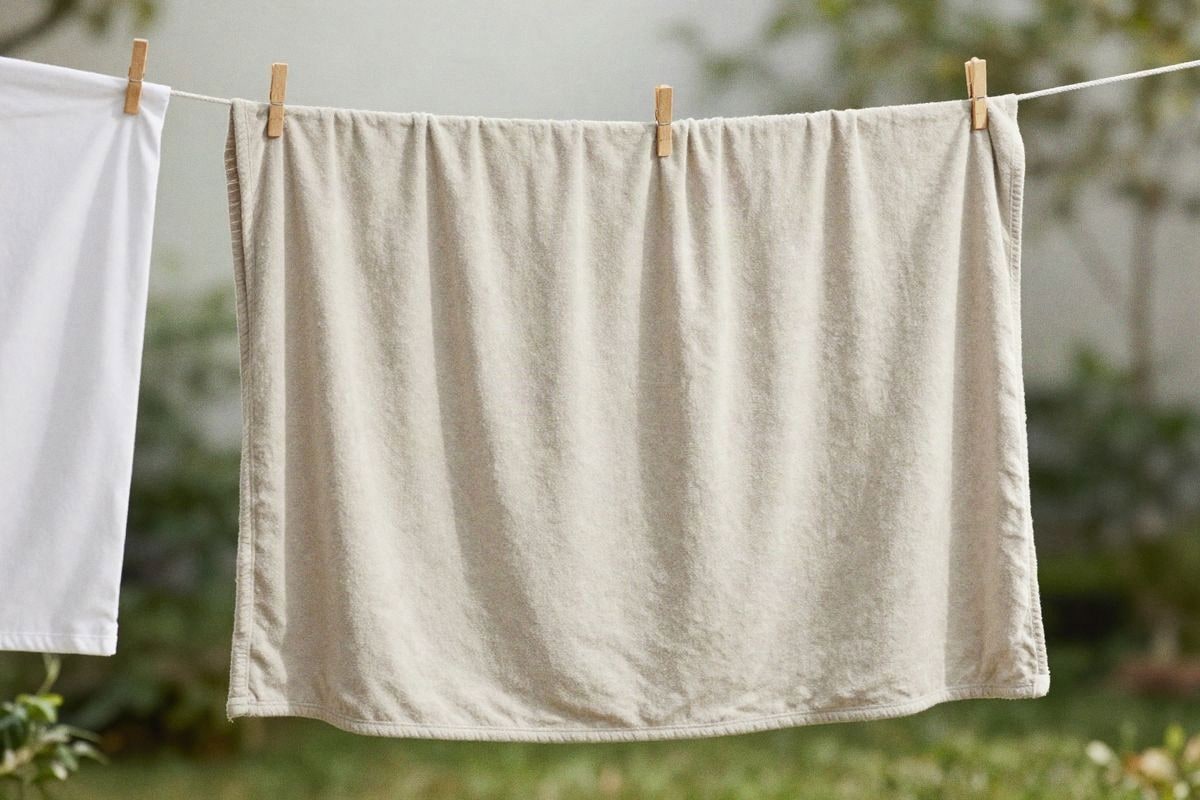
Drying is another critical point. Avoid the dryer at all costs if possible, especially with fabrics like cotton or linen. Intense heat and constant movement quickly loosen the fibres. The best option is to air dry the throw, preferably in the shade to prevent fading. If you need to dry it quickly, use the dryer on a very low temperature and a short cycle.
As for colours, I’ll give you a heads-up that neutral tones like beige, grey, off-white, and navy blue are the best at hiding lint if there is any. Dark colours and small patterns disguise imperfections better than plain light colours. If you want to literally not see the lint, aim for these colours: they work as camouflage.
Placement also influences. A throw well spread over the sofa suffers less movement and friction than one that is constantly smoothed or moved. If you leave it in a fixed position, the friction points are fewer. Some sofas are more aggressive than others: those with rough fabric or buttons generate more friction than those made of leather or smooth fabric.
A trick that saved our living room was investing in a quality throw instead of several cheap ones. A good thick cotton or microfiber throw that costs a bit more will last you three times longer than two throws of inferior quality. In the long run, it is much more economical and, above all, less frustrating. Prioritise a durable throw over several disposable ones.
Finally, consider the weight and thickness. Thick and heavy throws tend to maintain their structural integrity better than thin ones. A throw weighing 800 grams per square metre is noticeably more durable than one weighing 300. The weight also gives you a sense of quality to the touch, so trust your instincts: if it feels fragile when touched, it probably sheds lint.
The edges are the area where lint is most visible because there is more movement. If your throw has exposed seams, make sure they are well made. Poor seams are the perfect starting point for lint to appear. If you buy a throw and the edges look frayed from the start, it is not of good quality.
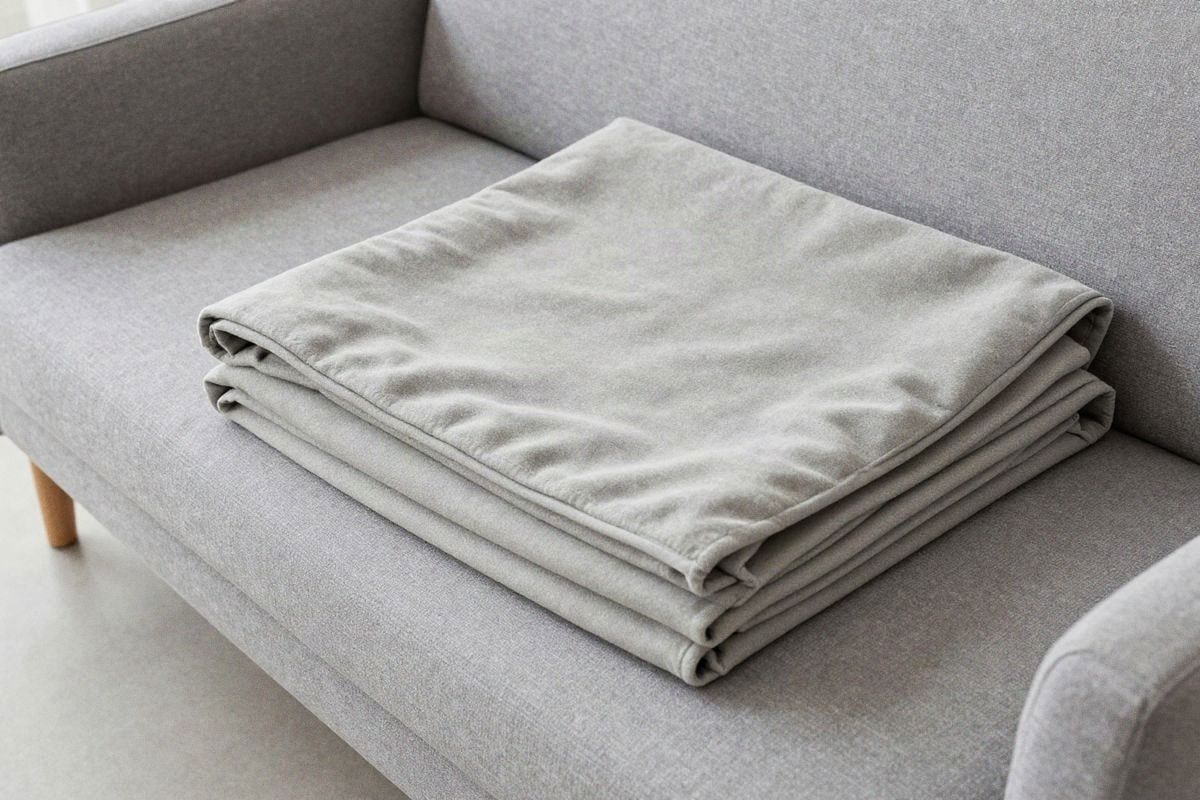
With these recommendations, you will achieve a throw that is not only beautiful but also remains in perfect condition for a long time. Look for those quality materials, take care of washing and drying, and you will have a sofa that always looks inviting without seeming like it has been through a fibre groomer.

You may also like