One thing we have learned at Casa y Deco is that the choice between curtains and blinds is not just a matter of taste. The orientation of your windows, the amount of light they receive, and how you use each space determine which option will be the smartest. I confess that I made the mistake of placing blinds on a north-facing window —with little natural light— and spent years regretting not opting for thicker curtains.
The functional difference is significant. Blackout curtains block almost all light and offer superior thermal insulation, especially in their thicker versions. Blinds, on the other hand, take up less space, are easier to clean, and provide a contemporary touch that many of us seek in current decor. But choosing one or the other without considering your orientation is like buying a sofa without measuring the living room: in the end, something doesn’t fit.
The north orientation deserves thick, dark curtains. These windows receive very little direct light and, in many cases, the space appears visually cold. A blackout curtain in warm tones —beige, taupe grey, or even a soft earth tone— helps create the warmth that is lacking. Additionally, since there isn’t much light coming in, you don’t need it to be translucent: you can afford a denser, insulating fabric that, in turn, improves the thermal comfort of the home.
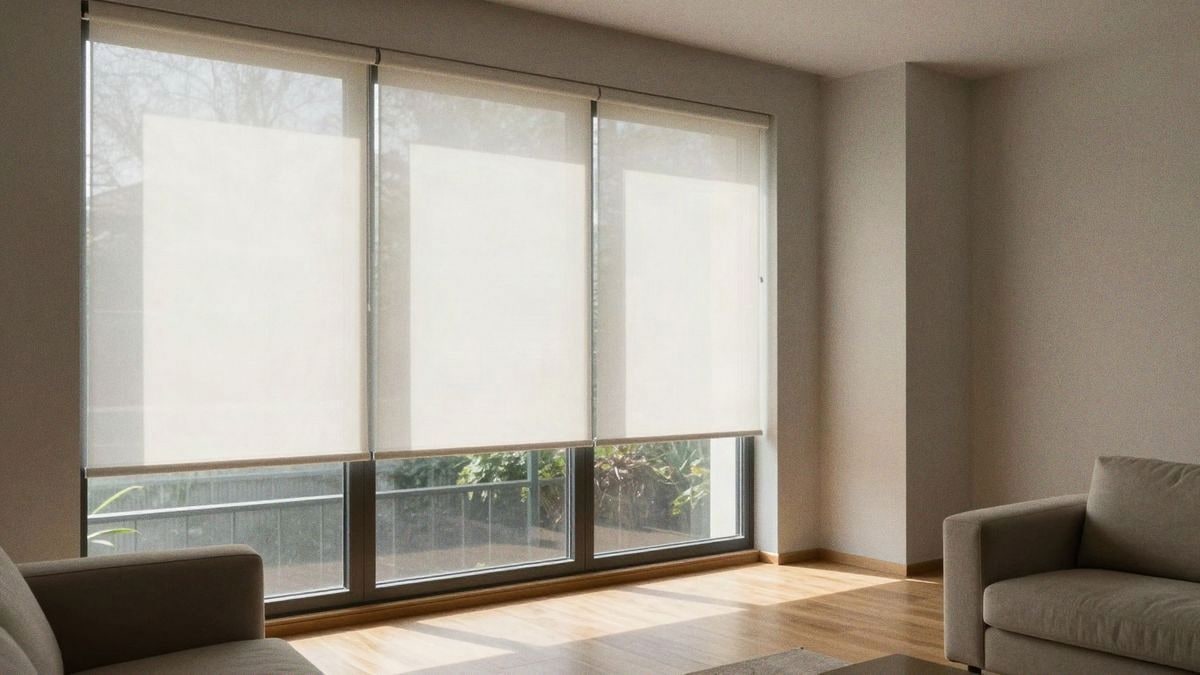
For south-facing windows, the situation changes radically. Here we receive direct light for most of the day, especially in summer. A blackout blind is perfect because you can raise and lower it as needed, allowing you to control brightness without taking up the space that a curtain would occupy when pulled to the sides. If you live in a warm climate, consider materials with thermal protection: there are special blinds that reflect heat and significantly reduce air conditioning consumption.
East-facing windows wake up with plenty of light. If your bedroom or office faces where the sun rises, blinds are your morning allies. You can gradually raise them to let in light slowly without harsh glare. For this type of orientation, translucent blinds —often called day and night blinds— work well to filter light without completely darkening the room. The effect is more sophisticated, and you can enjoy that pleasant morning light without losing privacy.
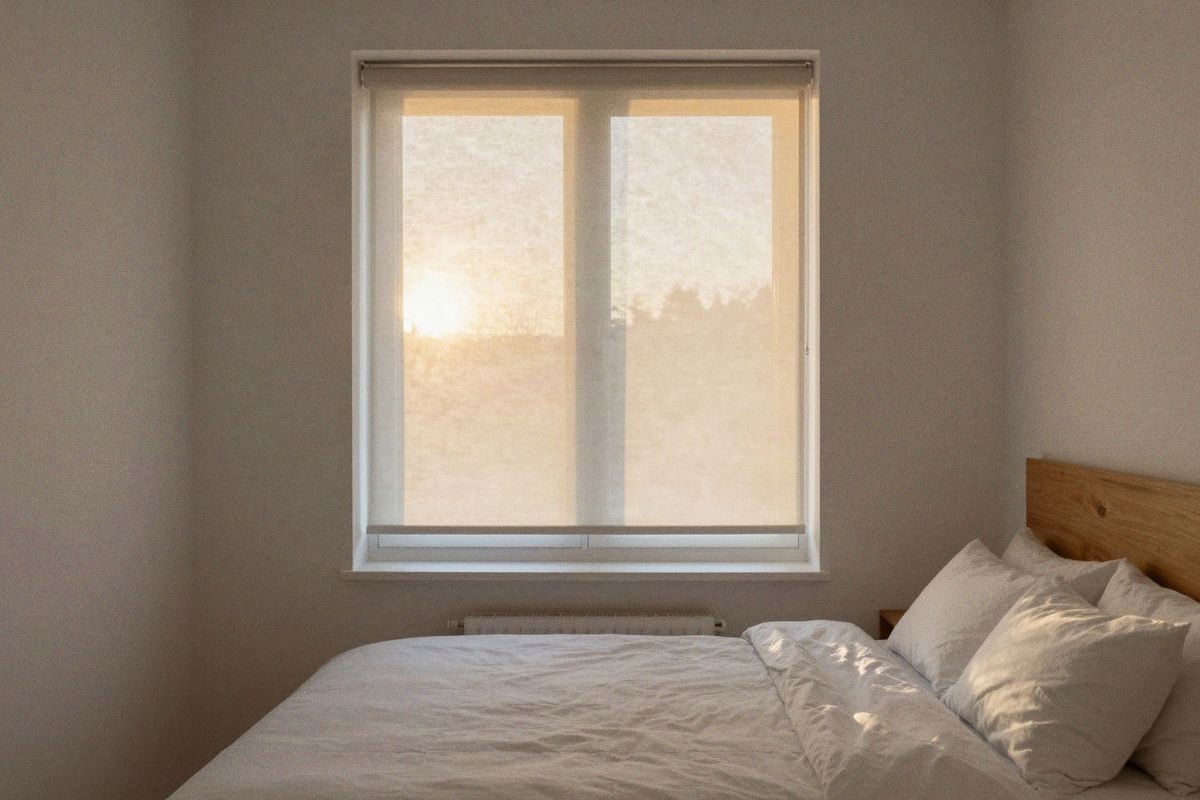
The west orientation is the most demanding of all. In the afternoon and at sunset, the sun hits directly with all its intensity, heating the room considerably. Here you need a solution that is practical and efficient: blackout curtains made of insulating materials or high-performance thermal blinds. I confess that years ago I installed conventional curtains on a west-facing window, and in summer my living room turned into an oven. Investing in a good blackout blind or a truly thermal curtain changed everything: the temperature dropped by about 3-4 degrees just with this.
Beyond orientation, there are other factors that tip the balance. If you seek privacy and complete insulation, blackout curtains are superior. A blind always leaves a small gap at the sides where some light can seep in, and you can see the outline of someone inside from outside. Curtains, when properly placed and of the right width, close hermetically. That’s why in bedrooms and spaces where you need total privacy, they are usually the safest option.
Blinds win in practicality and cleanliness. They don’t accumulate dust like pleated curtains or those with many folds, and cleaning them is just a matter of wiping with a cloth. They take up less physical space, which is especially valuable in small rooms or in corner windows where deploying a curtain is complicated. Additionally, their aesthetic is cleaner and more minimalist, perfect if your decor leans towards Nordic or contemporary styles.
Combining curtains and blinds is the most versatile option. Many place a dark or translucent blind as the first line of light control, and decorative curtains behind to create volume and warmth. This works especially well in living rooms and dining areas where you need flexibility: you can raise the blind for quick access to light and views, but keep the curtains as a decorative and comfort element. In bedrooms with large windows, it’s almost ideal.
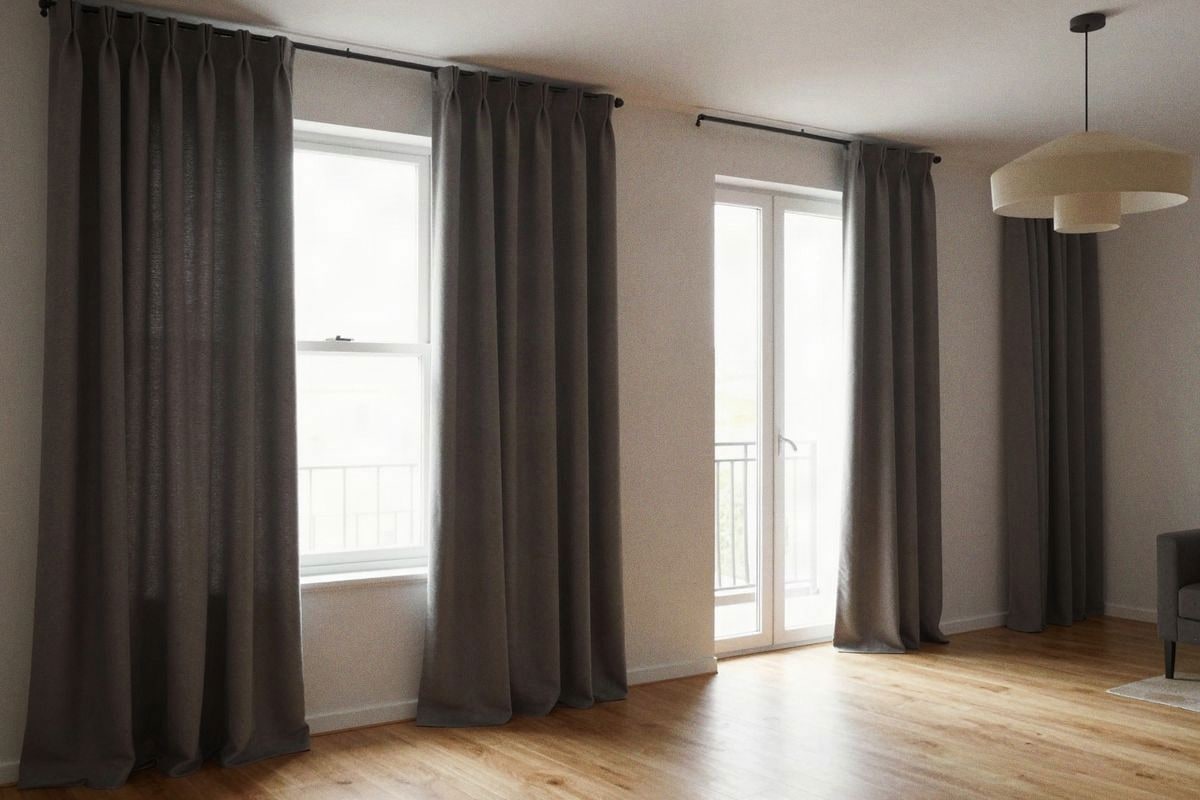
The colour and material also play a role depending on the orientation. In north-facing windows, choose tones that reflect warmth: warm greys, sandy tones, soft ochres. In south-facing windows, cool tones —light grey, off-white, pale blue— help psychologically to make the space feel cooler. For east and west windows, neutral greys work well because they neither expand nor reduce the thermal sensation unnecessarily.
The thickness of the fabric makes a difference in thermal efficiency. A curtain of 300 grams per square metre offers real insulation; below that, it is more decorative than functional. Quality dark blinds usually have certified thermal protection, so if energy efficiency is your priority, always check this information before buying. This is not marketing: a suitable curtain or blind can reduce heat loss by up to 15-20%.
At Casa y Deco, we always recommend doing a small test before making a decision. If possible, place a temporary curtain or blind for a week and observe how it behaves with the light at different times. Each orientation has its rhythm of light throughout the day, and it’s not the same to imagine it as it is to experience it. Many times you will discover that you need a solution you hadn’t considered.
The investment also matters. Quality curtains and blinds are not cheap, but they last for years if you take care of them properly. In orientations that receive a lot of direct sunlight, choosing materials resistant to fading is critical: a protected polyester blind is better than a pure cotton one that will fade in months. This is not being extravagant; it’s being practical.
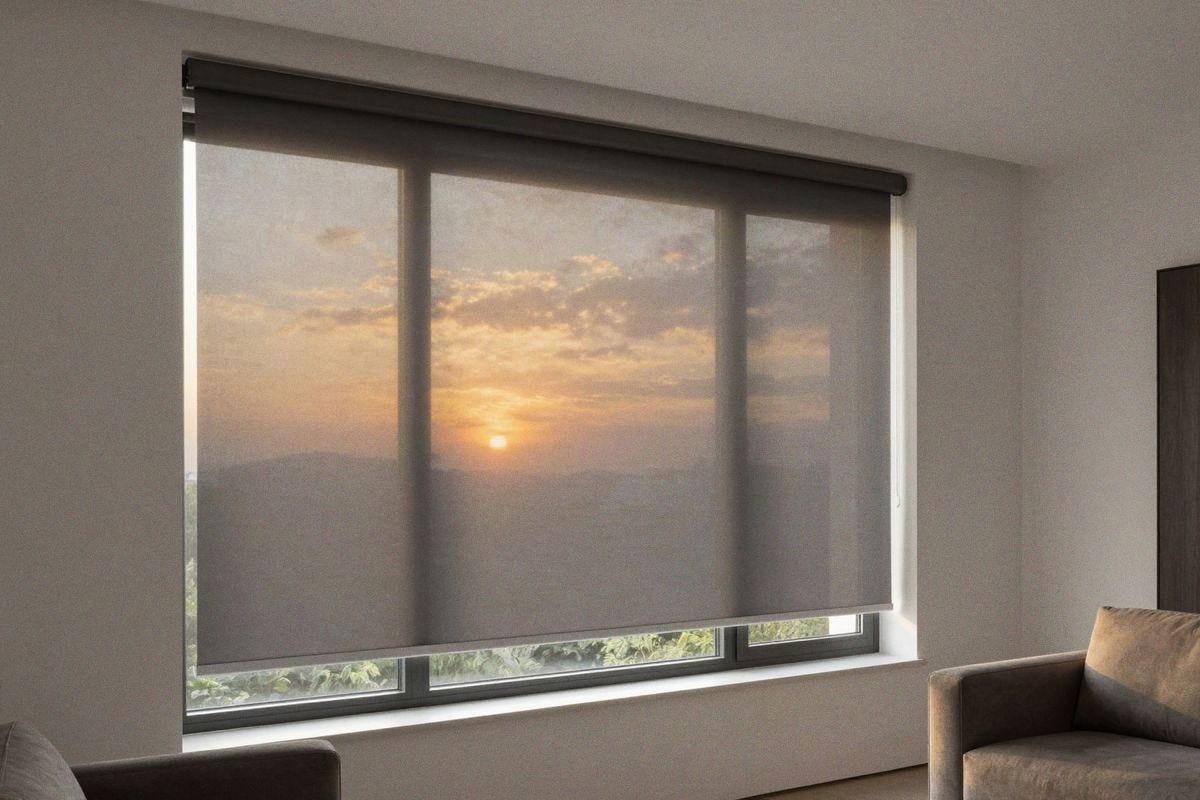
In summary: for north-facing windows, opt for blackout curtains that visually warm the space. For south, blinds that control heat. For east, flexible translucent blinds. For west, real insulation whether you choose curtains or blinds. And if you have doubts, combine both systems: this way you will have the decor and functionality you deserve, without compromising on anything. Your future comfort will thank you.

You may also like