At Casa y Deco, we love when our readers ask us questions that truly matter when living at home. And this question about windows is one of those decisions that affects both your comfort and your wallet every single month during winter. Choosing between PVC and aluminium is not just an aesthetic issue: it’s an investment in thermal insulation, energy efficiency, and those winters when you finally stop seeing your breath in the living room.
I confess that a few years ago, I didn’t even consider these things. I changed the windows in my flat without really knowing what I was buying, and the result was disastrous: drafts, astronomical heating bills, and that sticky feeling that something wasn’t right. It was then that I started to seriously research. And what I discovered completely changed my perspective on what a good window means.
PVC: The Champion of Thermal Insulation
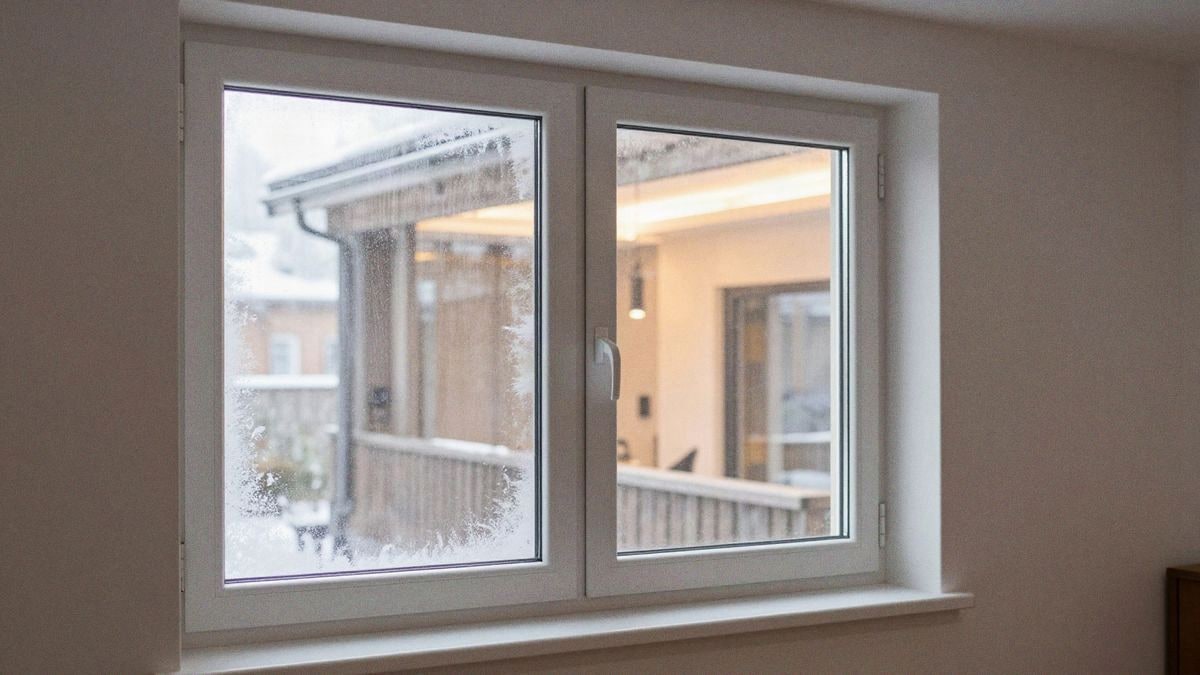
PVC is today the most efficient material for insulating against the cold in most European climates. Its cellular structure makes it a poor conductor of heat, meaning that the cold from outside has a hard time penetrating the frame inside. PVC windows typically offer thermal transmittance (U) values between 0.8 and 1.2 W/m²K in mid-range models, making them the best insulators on the market.
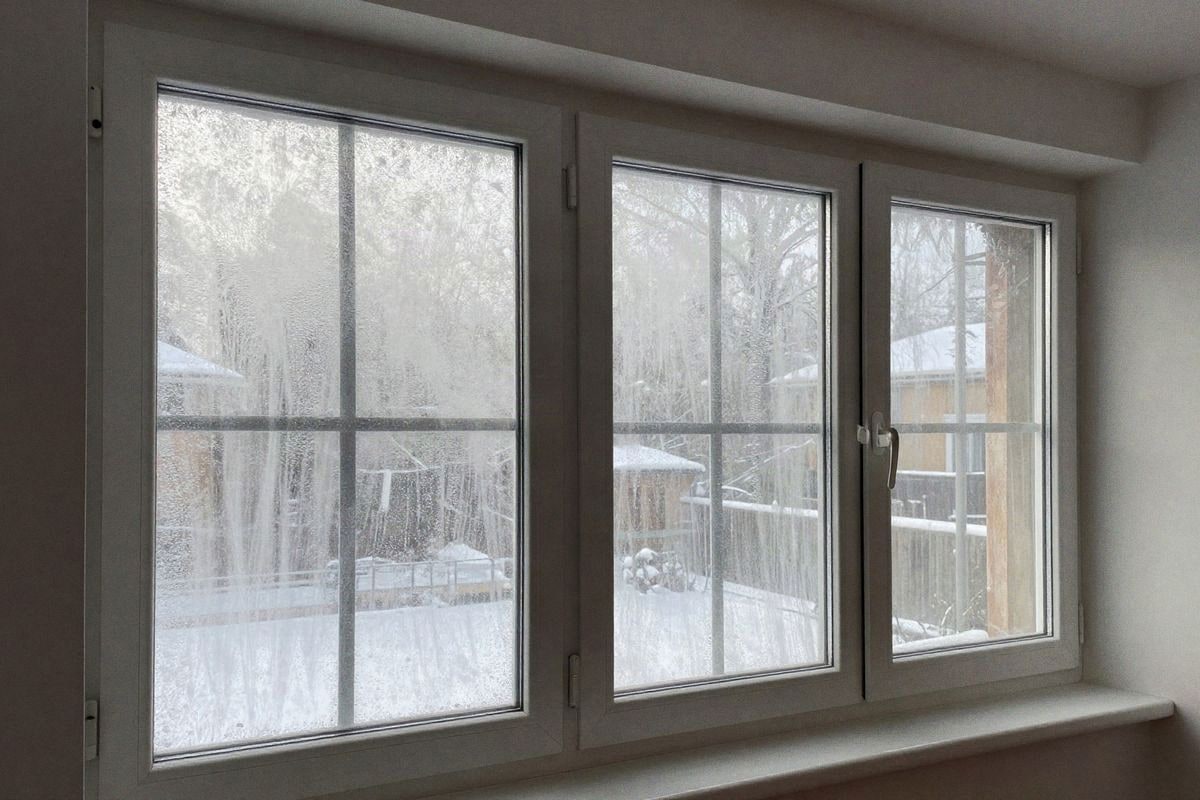
The most important thing is that PVC does not create thermal bridges like aluminium does. A thermal bridge is a shortcut for cold to travel without encountering resistance. With PVC, the internal heat simply doesn’t have a direct road to the outside. If you live in areas where the temperature really drops—and we’re talking about winters where you see ice on the windows—PVC maintains the indoor temperature much better.
PVC windows also perform well with multiple glazing. A typical setup is double glazing with a 12-millimetre air chamber or even with argon, an inert gas that acts as extra insulation. I have seen houses with triple glazing in PVC in mountainous areas, and the difference that residents notice is truly appreciable. The frame does not suffer from condensation because the inner face remains warmer.
Aluminium: More Modern Visually, Less Efficient Thermally
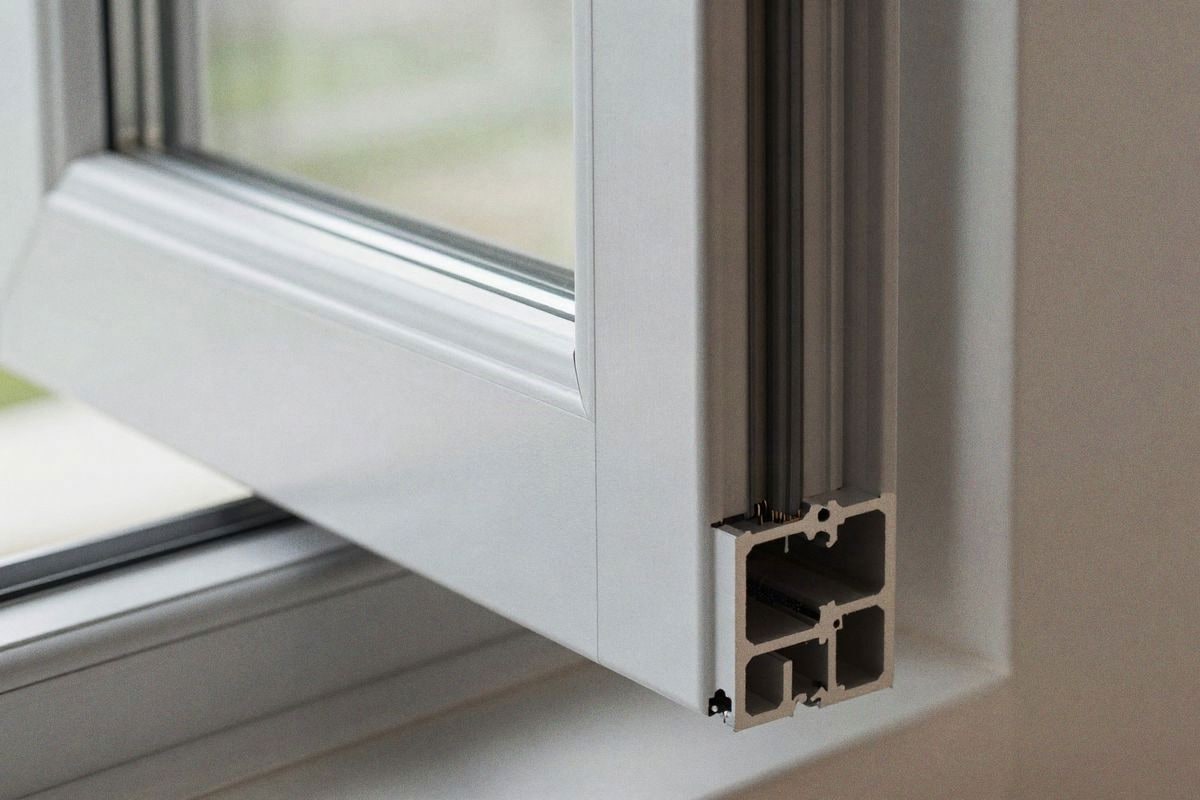
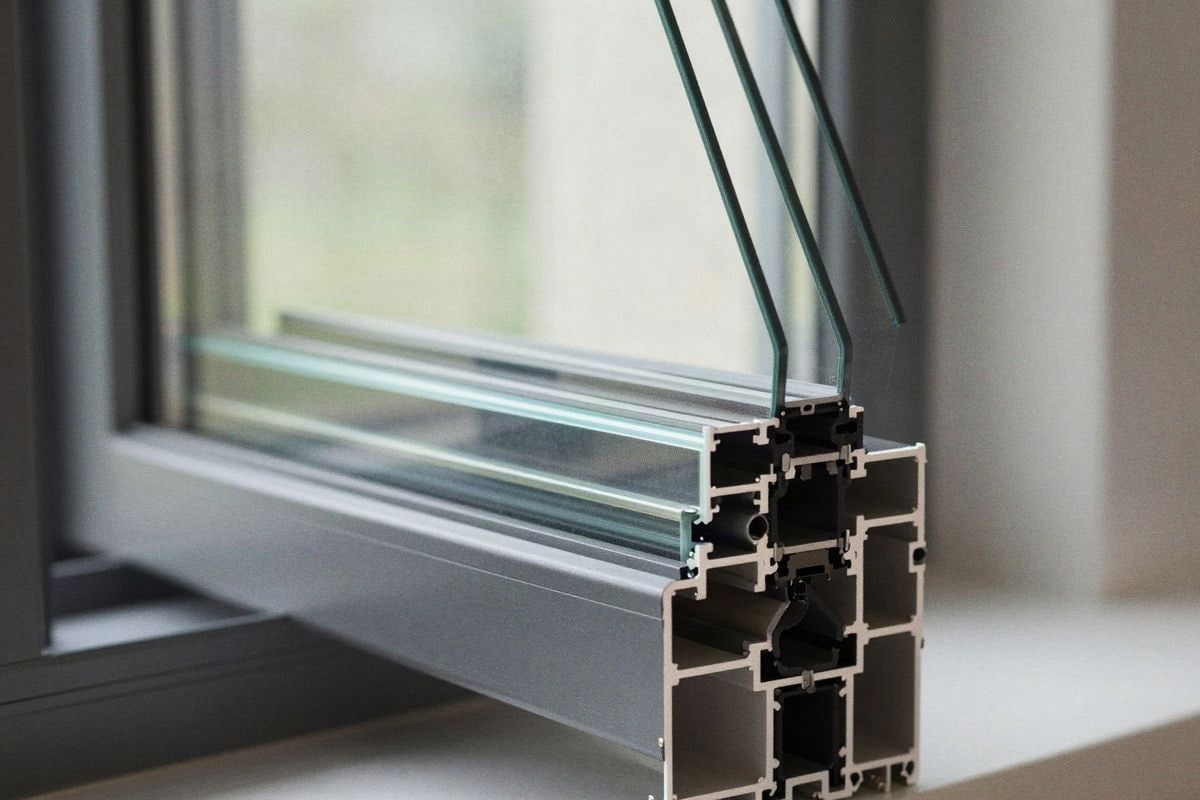
Aluminium is a metal, and metals conduct heat and cold easily. This is the opposite of what we want when looking for insulation. Pure aluminium has a much higher thermal transmittance than PVC, generally between 2.5 and 4 W/m²K depending on thickness and configuration.
But wait: the aluminium industry has evolved quite a bit. Just over a decade ago, manufacturers developed thermal break systems, which insert strips of insulating material between the layers of aluminium to interrupt that heat conduction. This has significantly improved performance. An aluminium frame with a thermal break can reach U values between 1.4 and 2 W/m²K, which is much better than before, although still not as efficient as PVC.
The reason many people continue to choose aluminium is that it offers a cleaner, more modern look. The profile is thinner, allowing for more glass and less frame. If you have a contemporary facade or minimalist interiors where that thick PVC frame doesn’t convince you, aluminium with a thermal break is a compromise solution. It’s not the best insulator, but it’s not a disaster if well designed.
The Thickness of the Glazing Makes a Difference
Regardless of whether you choose PVC or aluminium, the type of glass is almost as important as the frame. A double glazing of 4+4 millimetres with air is the basic standard in most regions. But if you really want serious insulation, you need at least 4+12+4 (4mm glass, 12mm air chamber, another 4mm glass).
Glazing with argon—an inert noble gas—works better than simple air. Argon is denser, which slows down heat conduction through the chamber. The difference in heating bills can be 10-15% if you switch from air to argon. I have seen houses where owners noticed that, with triple glazing in PVC, the radiators hardly turned on in winter because the house retained heat so well.
There are also special glasses with low emissivity coatings that reflect infrared heat back inside. You don’t see these at a glance—they are transparent—but their function is this: like invisible mirrors that keep heat inside in winter and reject it in summer. The extra cost is reasonable if you plan to live in that house for many years.
The Energy Cost: What Really Matters
A well-configured PVC window saves you money every month. It’s not an initial expense that you recover in 20 years, but something you notice on your first heating bill. A typical house loses between 15-20% of its heat through the windows, so changing them really impacts.
If your house has old aluminium windows without thermal break, changing them to PVC can reduce your heating consumption by 20-30% depending on previous insulation and your climate. In cold areas, this saving is even greater. We’re talking about hundreds of euros annually in an average-sized home. After 5-7 years, the initial investment has been fully recovered.
Aluminium with a thermal break reduces consumption less, but it’s still much better than untreated aluminium. If you have a limited budget, it’s a cheaper option than PVC and still provides good insulation if the system is well executed.
Additional Factors You Cannot Ignore
Sealing is critical. Even the best window in the world is useless if the seal between the frame and the wall is not well done. We’ve seen houses with premium PVC windows with drafts because the installation was poorly executed. The sealing must be done with expandable polyurethane foam, never just silicone. The foam acts as a buffer and seals all gaps; silicone is flexible but does not fill.
Openings also matter. A tilt-and-turn window (which opens inwards by turning on hinges) is more efficient than a sliding one, because the closure is more airtight. If you can, opt for tilt-and-turn in areas with harsh winters. In temperate climates, sliding windows are acceptable, but they will always lose a bit more heat.
Laminated glass—where two panes are bonded with an interlayer—offers extra security and acoustic insulation. If your house is on a noisy street and you also want to improve thermal insulation, laminated glass is worth it, although it significantly increases the cost of the window.
Maintenance and Durability
PVC requires virtually zero maintenance. It cleans with water and soap, and will last 40-50 years without degrading if it’s of good quality. It doesn’t need repainting or special treatments. Over time, it may slightly yellow if exposed to very intense direct sunlight, but it continues to function the same.
Aluminium requires more care if it’s in a coastal or heavily polluted area. It needs regular cleaning and, in some cases, anti-corrosive treatments. That said, good lacquered or anodised aluminium lasts as long or longer than PVC. The difference is that PVC ages better aesthetically and practically without maintenance.
At Casa y Deco, we believe that the right decision depends on your budget and your climate. If you have severe winters and the budget to do it right, PVC with double or triple glazing and argon is optimal. If you live in a milder area or want to prioritise modern aesthetics, aluminium with a thermal break is a sensible compromise. The important thing is to make the change with professional help, with good sealing and without skimping on the glazing. Windows are one of those elements where the initial savings can end up being very costly later.

You may also like