At Casa y Deco, we love hydraulic flooring. That vintage vibe, those bold geometric patterns, that personality it conveys even from the pavement... it's easy to fall in love. But I confess that when I wanted to renovate my entrance with an authentic one a few years ago, the budget made me look for alternatives. And that's where the real question begins: do imitation hydraulic floors really work or is the trick obvious at first glance?
The answer, as is often the case in decoration, is nuanced. There are imitations of hydraulic flooring that can be quite convincing if placed in the right spot and with adjusted expectations, but others that reveal their plastic or ceramic nature within five seconds. What we have learned is that the key is to understand exactly what you are buying: not all floors that look hydraulic are the same, and prices vary enormously depending on material, thickness, and finish.
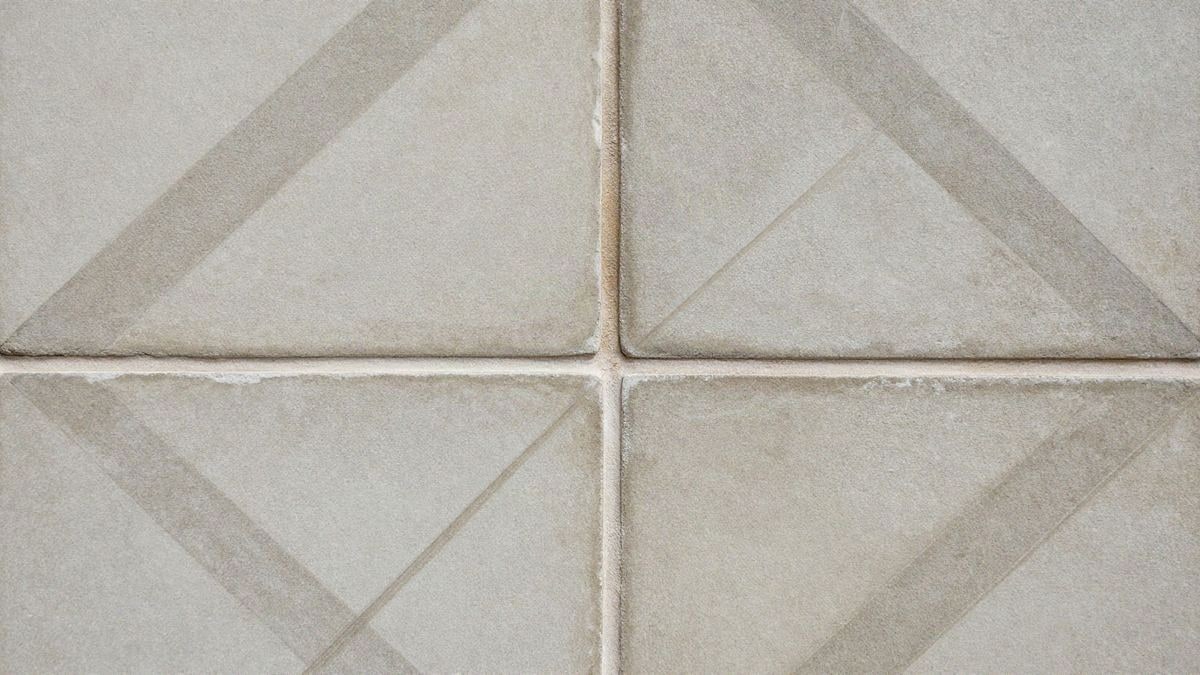
Let's start with the basics: an authentic hydraulic floor is made with cement, natural aggregates, and cold-pressed mineral pigments. It is a handcrafted process that dates back to the 19th century and remains the most authentic option available. These tiles are heavy, have a certain characteristic roughness, and their coloration is absolutely uniform and deep. If you've ever stepped on a real one, you know that peculiar, almost muffled sound it makes underfoot.
Imitations, on the other hand, play in a different field. The most common are porcelain or stoneware floors with digital printing that replicate hydraulic patterns. The finish is photographic, almost perfect. Then there are adhesive vinyls, which are much cheaper but also more fragile. Lastly, there are reconstituted stone floors that attempt to mimic the original composition. Each has its advantages and its betrayals.
Where the difference is most noticeable
If there's one thing we've confirmed at Casa y Deco, it's that context is everything. An imitation hydraulic floor in a small bathroom, with little natural light and occasional visitors, can go completely unnoticed. No one bends down to inspect it, no one steps on it a hundred times a day, and the overall visual effect is what counts. There, a good porcelain with a hydraulic print is an honest and practical solution.
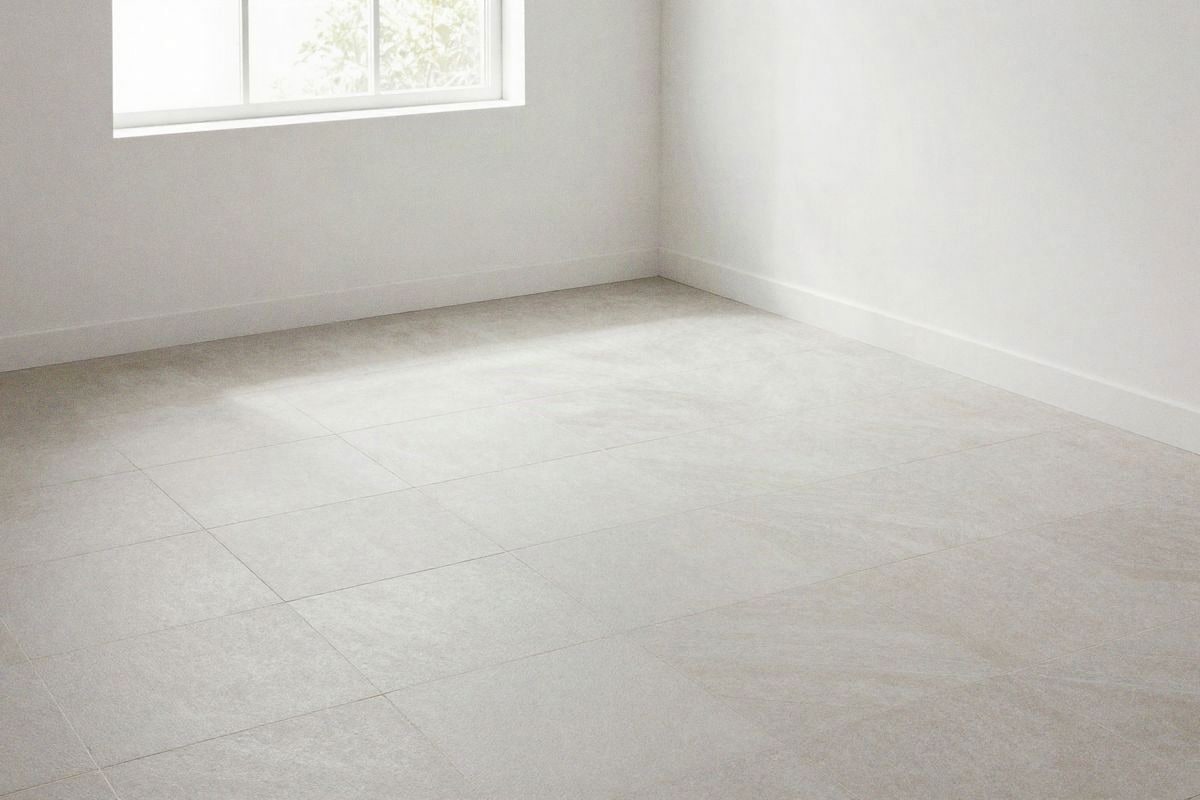
But place it in a large living room, with overhead light and where you spend several hours each day, and this is where the imitation starts to whisper its secrets. The perfection of the digital print, so beautiful in small samples, begins to look too robotic, too flat. It lacks that natural variation, that small imperfection that makes the authentic one genuine. Moreover, if the porcelain is glossy, the difference is even more obvious: the original hydraulic has a characteristic matte patina, almost as if you were touching old wax.
The touch is also revealing. An authentic hydraulic floor has a certain controlled roughness, a slight texture that makes it naturally non-slip. Imitations in polished porcelain are smooth, making them slippery when wet. This is where a good choice of matte or textured finish makes a difference, but even so, those who know the material understand that it's not the same.
The imitations that work best
That said, not all fakes are equal. Mid-high range porcelains, with a good HD print and a matte or structured finish, achieve quite a bit of credibility. Especially in 20x20 cm formats, which are the classics, the illusion is reasonably effective. I confess that in a quick renovation of a guest bathroom, such a porcelain saved my project: economical, durable, easy to clean, and visually acceptable.
What we do not recommend are self-adhesive vinyls for flooring. They look good in renders, but they don't last long, peel at the corners, scratch with any contact, and when they start to fail, the effect is completely ridiculous. They are more suited for a temporary performance than for a real solution.
Polished concrete floors with painted or stencilled hydraulic patterns occupy a curious middle ground. They require more maintenance than ceramics, but have that industrial character that works well in certain contemporary styles. They don't fool anyone because it's accepted from the start that they are concrete, but the result is honest and can be very beautiful.
How to detect an imitation (if you want to avoid it)
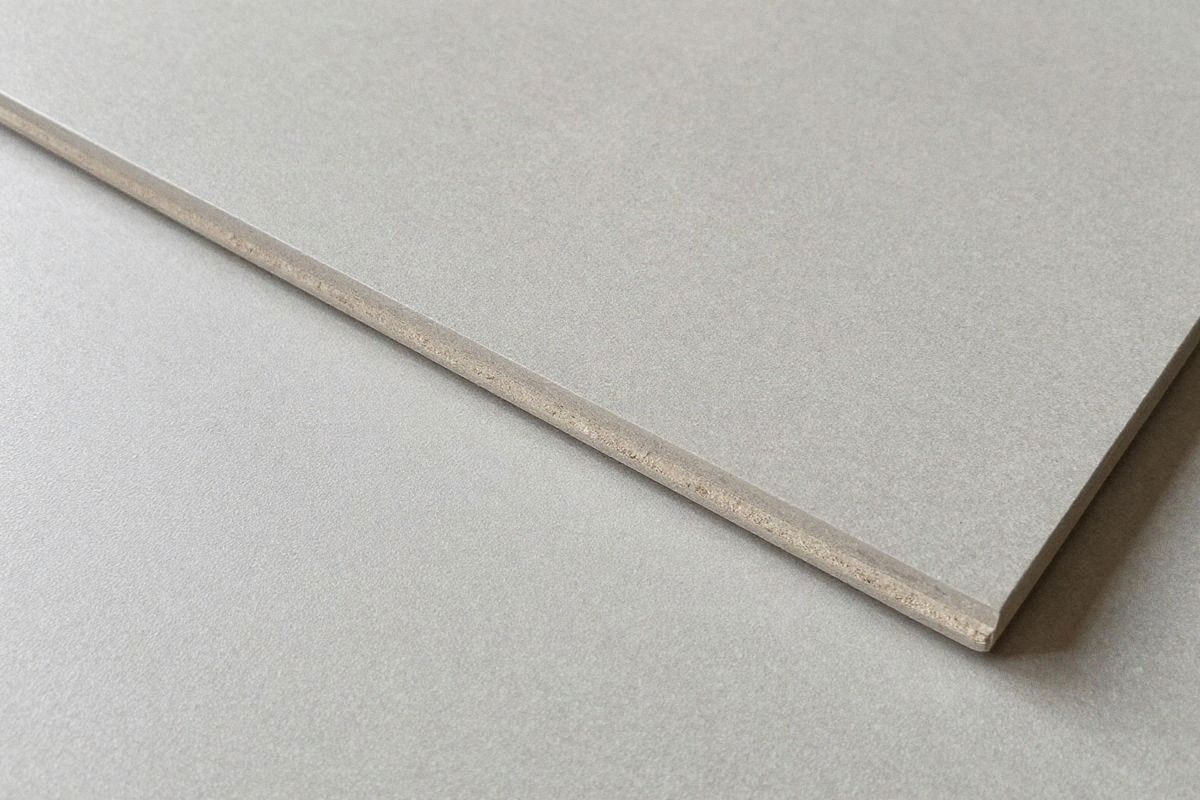
If you're comparing options in a store and want to distinguish the fake from the authentic, here are our tips: examine the back of the tile. Authentic hydraulic has a more or less rough backing, with visible layers of composition. Imitation porcelain has a completely uniform and generally smooth back. The authentic one weighs more: hold it for a moment.
Look for subtle variations in colour. If the pattern is absolutely perfect on each tile, it’s probably digital. The authentic one always has small deviations, changes in tone, spots where the pigments cluster a little differently. This is beauty, not a defect. Ask about the thickness: authentic hydraulic usually measures between 2.5 and 3 centimetres. Imitation porcelain measures between 1 and 1.2 centimetres.
And of course, the price is a clue. If you ask for an authentic hydraulic handmade and it comes out very cheap, there’s a trick. Authentic ones cost significantly more than ceramic imitations. If you are offered "hydraulics" at incredible sale prices, they are porcelains or worse.
Is imitation worth it?
Here’s where we are honest: it completely depends on your situation. For a secondary bathroom, a hallway, a small kitchen, or any transit space where people don’t spend too much time looking at the floor, a good imitation porcelain is a practical and sensible decision. It’s durable, hygienic, easy to maintain, and if you chose the right design, the visual effect is completely satisfactory.
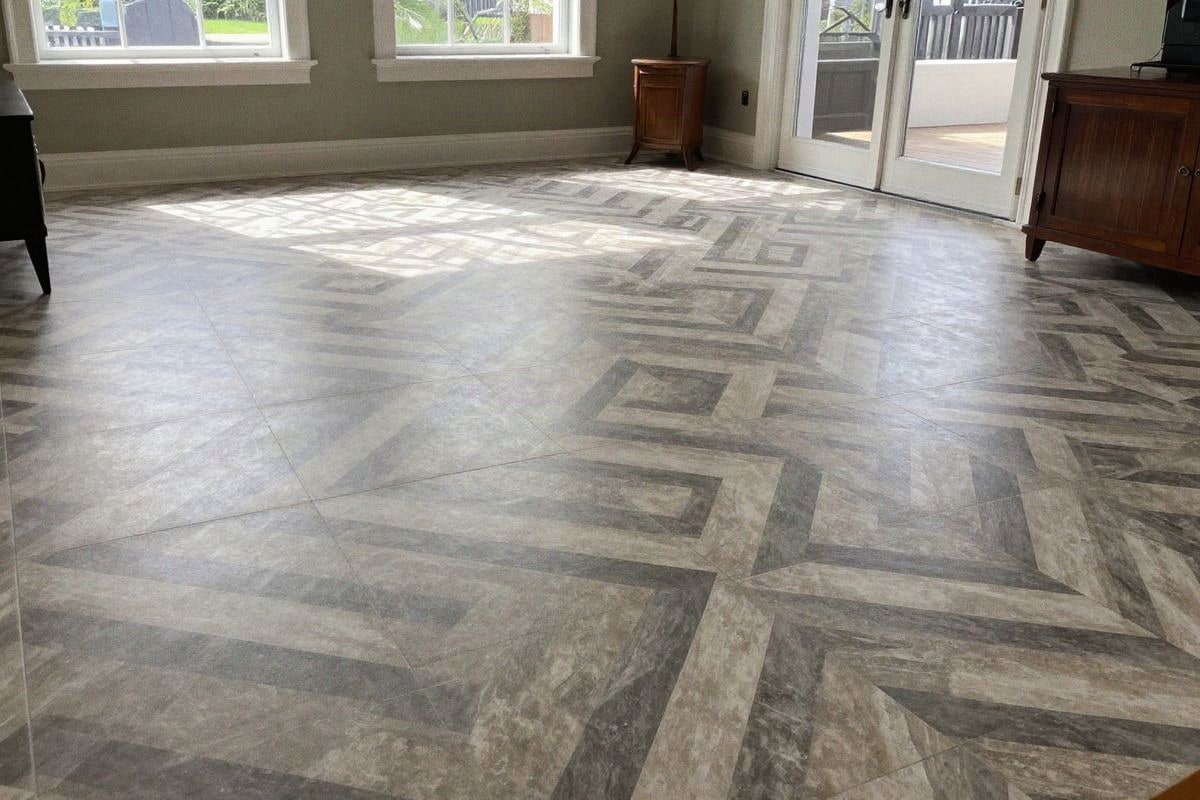
If what you want is a floor that is an important focal point, that is in a high daily traffic area, or if you really need the authenticity of a handcrafted piece with history, then it’s worth saving and getting the authentic one. It’s not just a whim: it’s a floor that ages beautifully, lasts decades, and has real character. They are different investments for different needs.
What we never recommend is pretending that an imitation is authentic or feeling cheated because it looks fake. An imitation hydraulic floor does not deceive those who know it, but it doesn’t have to be a bad option either. They are different things. Choose with your eyes open, place your imitation in the right spot, combine it decisively, and it will be a success. If one day you can switch to authentic, fantastic. In the meantime, enjoy the design and keep perspective. In decoration, there is almost always more than one way to reach the same place.

You may also like