If there's one thing we've learned at Casa y Deco, it's that the entryway is the calling card of our home, and the console is its silent protagonist. This piece of furniture accumulates keys, mail, coats, and the decorative items we love to showcase. However, choosing the right size is not trivial: a console that is too large turns the entryway into a cramped hallway, while one that is too small is insufficient for storing the essentials. I confess that in my first home, I made the mistake of installing a tiny console that barely served to leave my glasses, so I completely understand this decorative anxiety.
The first step is to measure the available space honestly. It's not about filling the wall for the sake of it, but respecting the proportions of the room. The golden rule is that the console should not occupy more than 60% of the available width in the entryway, leaving space to breathe visually and to move around without feeling like you're bumping into the furniture at every step. If your entryway is 2.5 meters wide, a console of 1.4-1.5 meters is generous; if it's 1.8 meters, the ideal is to stick to 1.0-1.1 meters. It seems like pure math, but it's the difference between a welcoming entryway and a claustrophobic one.
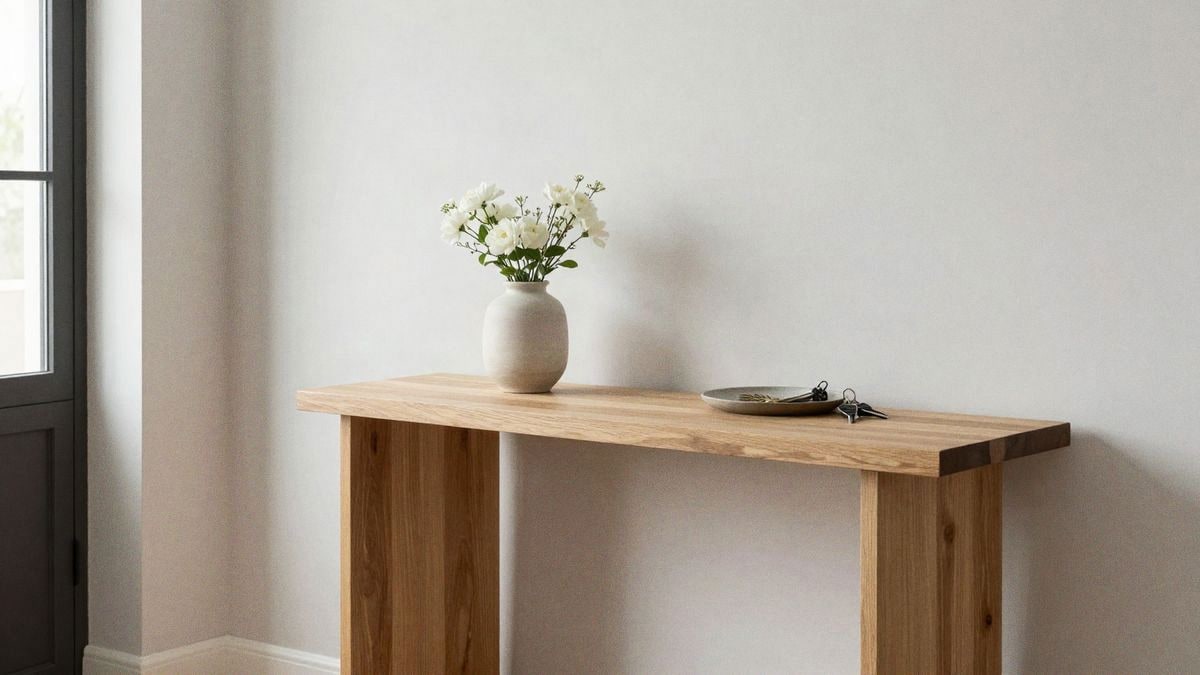
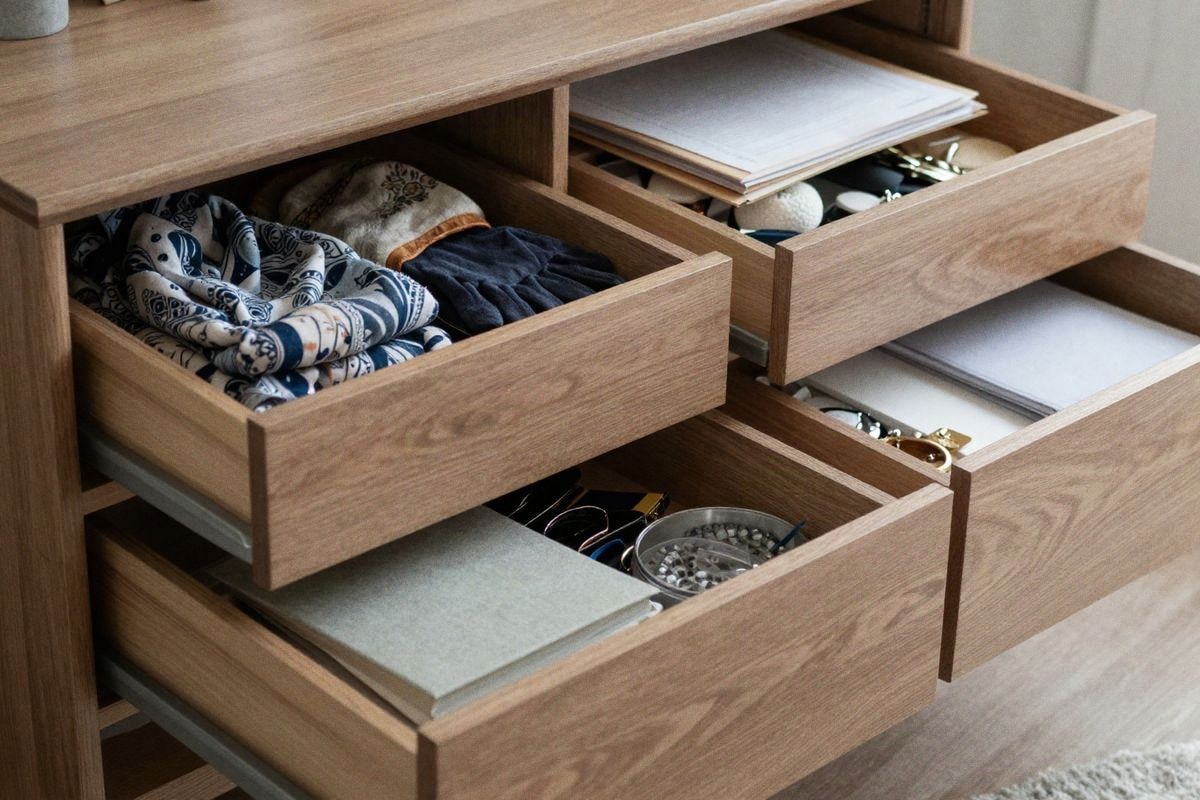
Depth is another critical factor that many overlook. Standard consoles range from 35-45 centimeters in depth, but this depends on the space you have and how circulation works in the entryway. If your entryway is a narrow hallway, consider slimmer models, around 25-30 centimeters, that don't take up too much space. On the other hand, if you have a more generous entryway, 40-45 centimeters allows for easier placement of decorative objects and offers more storage capacity in the lower drawers, where the real stuff ends up being stored: gloves, scarves, forgotten documents.
Height also matters, although we tend to overlook it. Conventional consoles measure between 80 and 90 centimeters high, which is perfect for most spaces because it creates a balanced visual proportion without being intrusive. However, if your entryway has high ceilings or your foyer is a very open space, a taller model, close to 95-100 centimeters, may look more majestic. Conversely, in homes with low ceilings or small apartments, keeping to 80-85 centimeters avoids a feeling of oppression. I know people who have opted for console tables that are only 70 centimeters high, and they work well in really tight spaces, although they sacrifice storage capacity.
Beyond measurements, you should consider how many people live with you and how much outerwear needs to be stored in the entryway. A couple without children living in a temperate climate has very different requirements than a family with two children in a cold area. Consoles with space for hanging hooks are ideal if you store a lot of outerwear; those that prioritize drawers work better for small items and documents. Some models offer hybrid compartments that combine the best of both worlds.
Alignment and Visual Composition
Something that is often not mentioned but is fundamentally important: the alignment of the console with other architectural elements. If your entryway has a door on one side, place the furniture on the opposite side to avoid creating visual or functional conflict. If there is a mirror on the wall, consider whether you want to place the console under it or in another corner. These details make the difference between an entryway that flows naturally and one that seems disorganized. Some consoles come with an integrated mirror on top: this is a smart solution because it takes advantage of vertical height without expanding horizontally.
The composition on the surface of the console is where the true art lies. Reserve the central area for decorative elements — a tray, a vase, some candles — and the sides for functional items: keys, glasses, small plants. Don't overload the surface; this is not a storage area. An elegant console breathes, invites you to leave things in order, not to accumulate. I recommend leaving 40% of the surface free to maintain the visual impact of the furniture itself. If you are one of those people who always has something on top, choose a model with an integrated tray or open shelf that helps you organize without it looking chaotic.
The number of drawers and their arrangement also defines functionality. Consoles with 2-3 large drawers are more versatile than those with many small drawers, as they offer more storage flexibility. A large drawer can hold gloves, scarves, hats, and important documents, while many small drawers tend to become repositories for "random things" that you later can't find. That said, if you live in a shared flat or have a family, several drawers can be your salvation for keeping order.
Styles and Materials According to Space
I confess that I love Nordic consoles made of light wood and clean lines, but they don't work in all entryways. If your home has an industrial or minimalist style, look for models made of metal and wood or white/grey lacquered with metal legs. Classic style consoles tend to be taller and have more decorative elements, ideal for spacious entryways with character. Those with straight and asymmetrical lines work in compressed modern spaces.
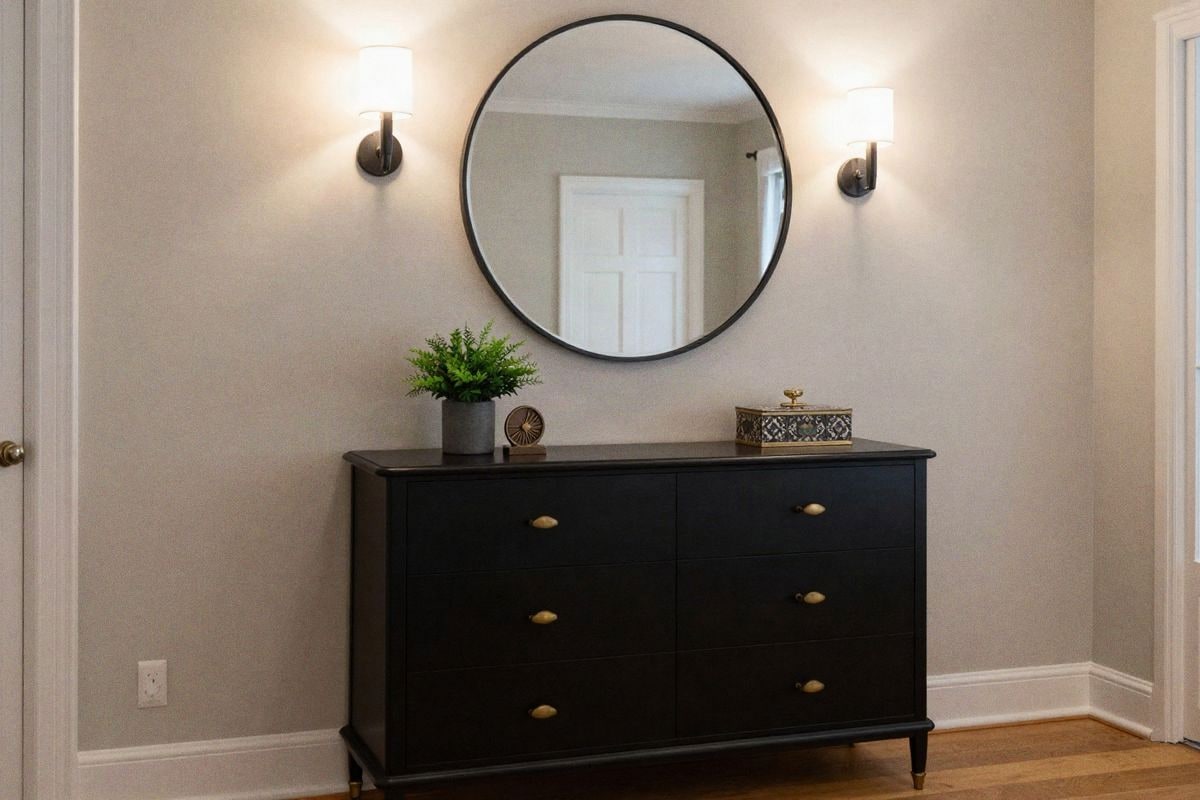
The material is crucial for durability and maintenance. Solid wood ages well but requires care; lacquered boards are more resistant to stains but can be marked by scratches. Good quality MDF is a practical and economical option that ages decently if well treated. If your entryway is particularly humid (like an entrance from the street with frequent rain), consider moisture-resistant materials such as metal, treated wood, or synthetic composites. Rattan or bamboo consoles are trendy, but be careful: they are beautiful but can be fragile and require locations without direct exposure to temperature changes or humidity.
The colour of the console should dialogue with your entryway without competing for prominence. Neutral tones — white, grey, natural wood, black — work in almost any context and expand the feeling of space. If your entryway is small, avoid dark saturated tones that compress it. Some designs incorporate smart combinations: light wood with a dark grey front, or white lacquer with wood details. These subtle contrasts add visual interest without being overwhelming.
Practical Details That Make a Difference
The handles and locks of the console are easy details to overlook but are very relevant. Ensure that the handles are comfortable and secure, especially if there are children who might get their fingers caught. Recessed handles are safer but less comfortable to open; protruding ones offer better grip. Check that the drawers close smoothly: soft-close systems are a luxury worth paying for as they prevent morning slams that wake up the whole house.
Lighting above the console transforms its appearance. A small wall lamp or a mirror with integrated light completely elevates the level of the entryway, both functionally and aesthetically. You don't need sophisticated lighting; a simple 40-50W sconce is enough to create ambiance and allow you to see what you're looking for. Some modern consoles integrate LED lighting in the drawers or at the base, which is practical and stylish.
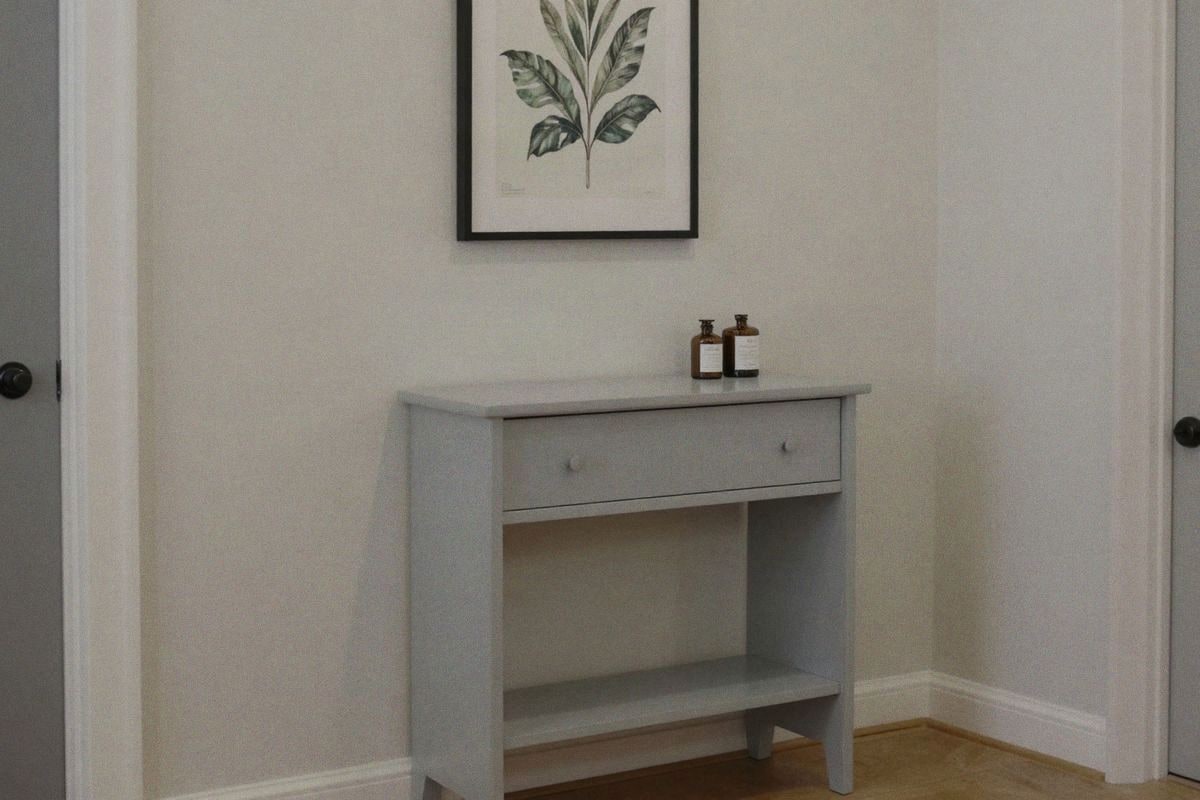
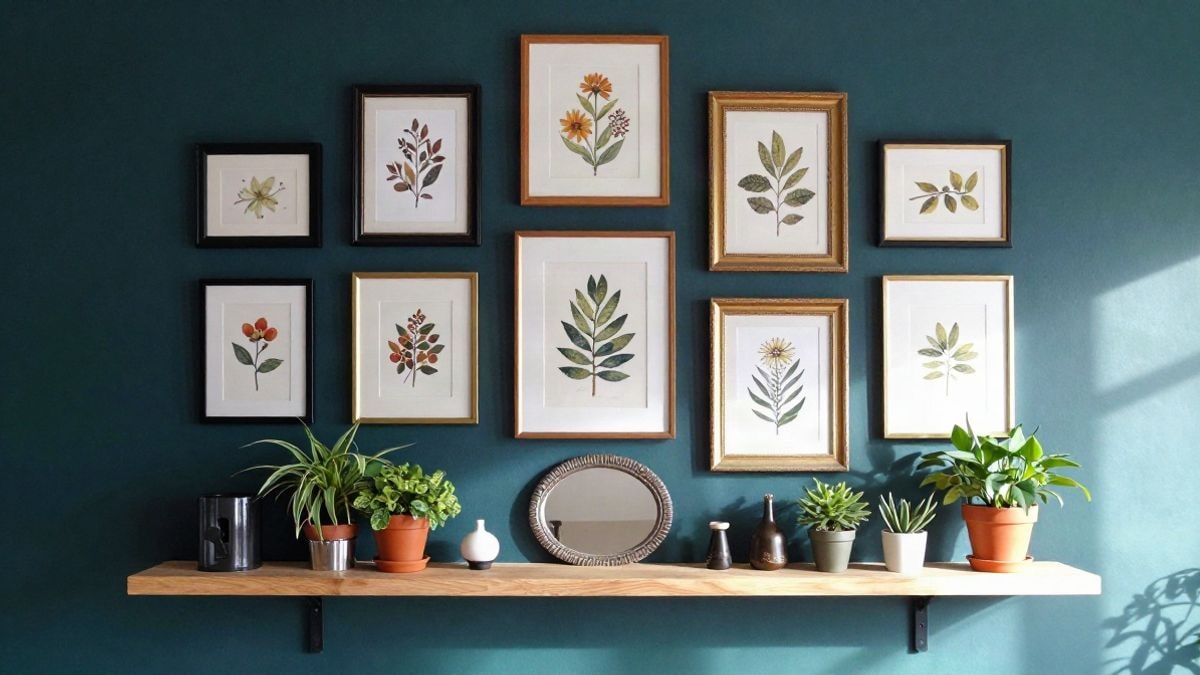
Finally, consider the space behind the console. If the wall is bare, a mirror above the furniture amplifies light and the feeling of space, especially in small entryways. A picture or a composition of prints also works, but ensure that the furniture-wall combination doesn't feel cluttered. The visual balance between the furniture and wall decoration is what separates a pretty entryway from one that looks like a poorly organized storage area.

You may also like