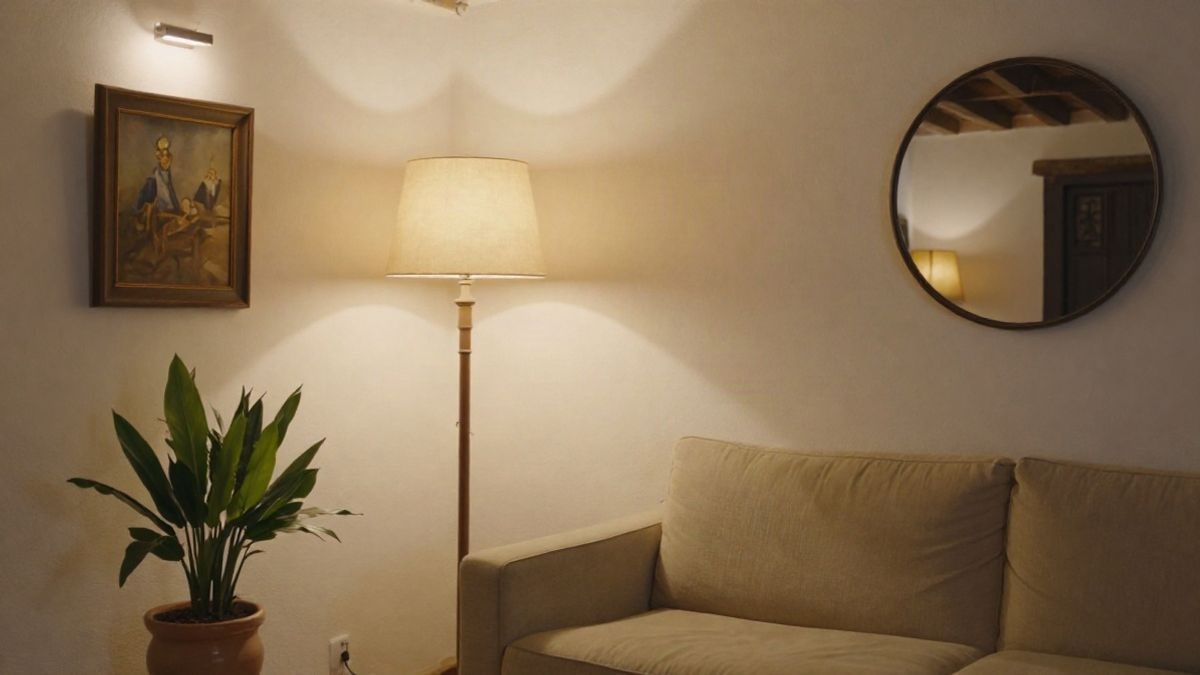
At Casa y Deco, we have seen how electric blinds have transitioned from being a luxury for movie houses to an increasingly accessible and practical solution. I confess that a few years ago, I thought they were an unnecessary indulgence, but after working on renovations where we installed them, I completely changed my mind. If you are considering a renovation, now is the perfect time to seriously think about them.
The first thing we need to understand is that an electric blind is not just about comfort; it’s about functionality. Imagine being able to control the light entering your home from your bed, from the sofa, or even when you’re not at home. It’s one of those details that, once you try it, you don’t want to live without. Moreover, in a complete renovation, the additional cost is quickly offset by the savings in heating and energy, which can represent between 10% and 15% annual savings, depending on your area and the number of windows.
Real Advantages That Make a Difference
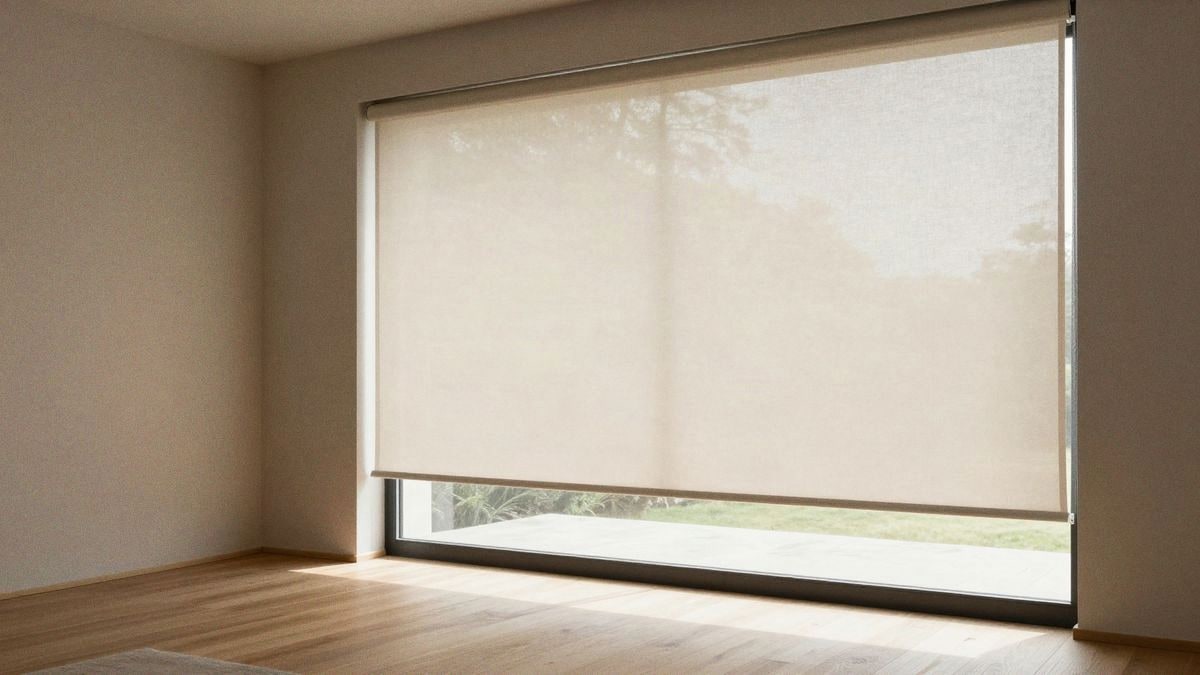
Energy efficiency is perhaps the most tangible advantage. When you install blinds that automatically raise and lower according to the time of day or temperature, your home stays cooler in summer and warmer in winter effortlessly. Some smart systems learn your routines and adjust the blinds without you having to touch anything. In south or west-facing rooms, this makes a real difference in your bills.
Then there’s the issue of security and privacy. When you go on holiday, you can programme the blinds to raise and lower at different times to simulate someone being at home. It’s no joke: many home insurance policies even offer better conditions if you have this type of automation. And in day-to-day life, closing all the bedroom blinds from your mobile is a convenience that, once you have it, you miss.
The aesthetic aspect is not negligible either. An electric blind has a smoother and quieter operation than manual mechanisms, and this is noticeable in the overall feel of the space. There are no jerky movements, no cords or rods that creak. The movement is controlled and elegant, which also better protects the material of the blind and extends its lifespan by a few more years.
What You Need to Know Before Installing
Here comes the important part: a renovation is the best time to install electric blinds because the box (where the motor goes) is already prepared, and you won’t have to break walls later. If you didn’t have this initial consideration in the project, renovating later is possible but much more expensive because it involves additional work. In a new renovation, it is almost negligent not to consider it.
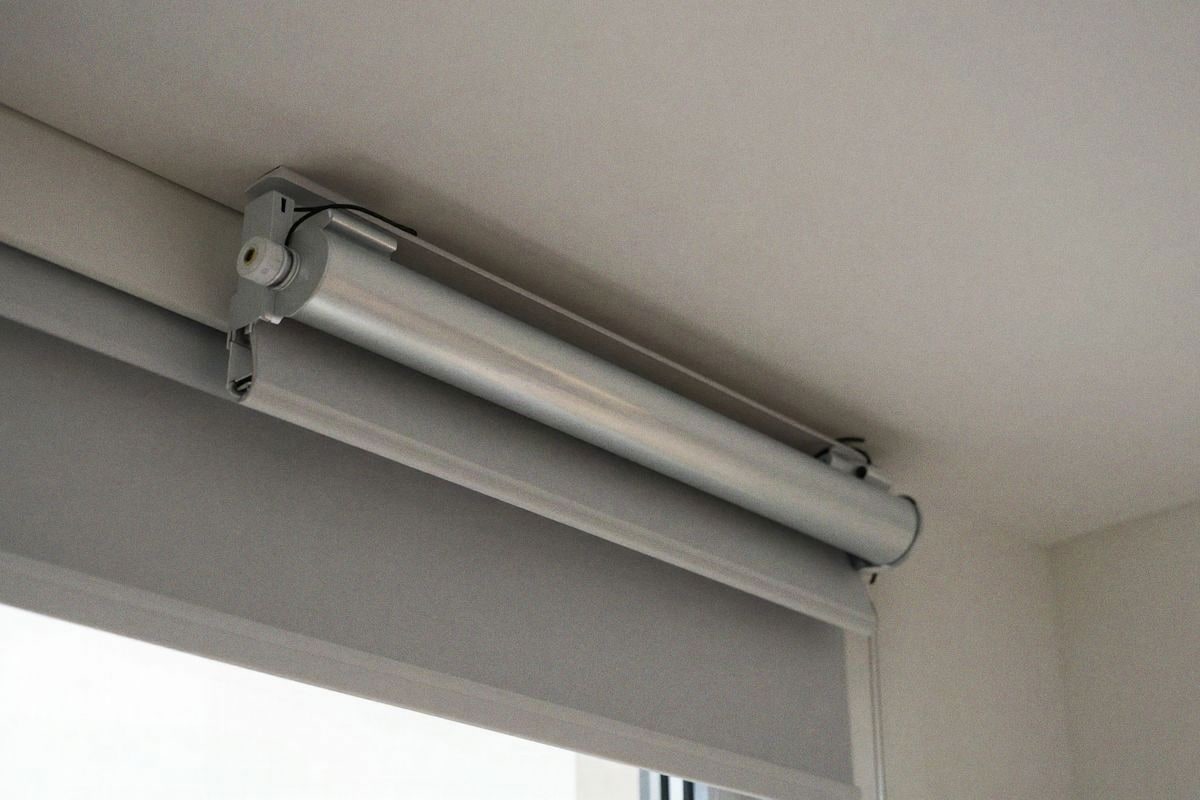
The type of motor depends on your blind. Tubular motors are the most common and are installed inside the axis of the blind itself, which saves a lot of space compared to external motors. For a standard renovation, the cost of motorisation ranges between 150 and 400 euros per blind, depending on size and complexity. It seems like a lot, but divided by the years it lasts (easily 15-20 years), it’s reasonable.
The installation requires nearby electricity. If your renovation includes planned electrical work, adding circuits for the blinds doesn’t add much cost. If not, you’ll need to consider additional wiring. This is where working with the electrician from the start of the project saves you money: it’s not the same to run cables during the renovation as it is afterwards.
Compatibility with smart systems is something that matters more and more. Most modern motors can integrate with voice assistants and home automation apps. Some even come with built-in light and temperature sensors. If you are renovating and installing other smart solutions in your home, the blinds can communicate with the climate control system to optimise everything together. It’s not necessary, but it’s interesting to consider.

Where to Install Them: Renovation Strategy
In bedrooms, it’s almost mandatory. A bedroom without electric blinds that close properly is a bedroom where you don’t rest as you should. Total darkness is essential for sleep, and being able to achieve it without getting up is a luxury that improves quality of life. Especially in children’s bedrooms, where kids may play with the remote control for the first few days but then appreciate it.
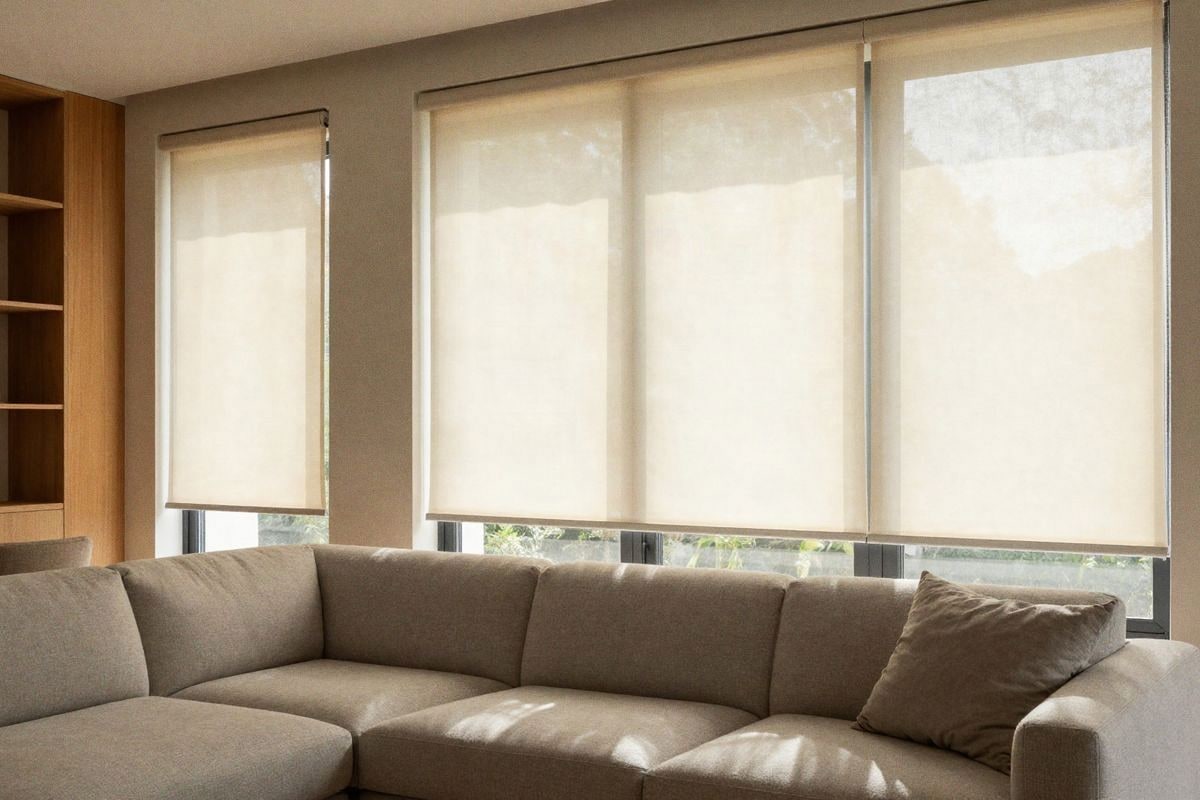
In living rooms, the utility is different but equally valid. Here it’s more about controlling light to protect furniture from fading and regulating screen brightness. If you have light-coloured sofas or light wood furniture, automatic control of sunlight is a significant saving on upholstery and finishes.
In kitchens and bathrooms, we see them less often, but demand is increasing. The reason is logical: in an open kitchen to the living room, being able to lower the blind from the kitchen while preparing food is practical. In bathrooms with windows, automated privacy makes sense, although here it’s better to have systems with a hinge due to humidity.
Home offices and studies are the ideal place. Control of screen glare, privacy during video calls, controlled light to avoid visual fatigue. If your renovation includes a workspace, electric blinds here almost justify themselves.
Realistic Budget for a Renovation
For a complete home renovation with 6-8 windows, the total cost of motorisation ranges between 1,500 and 3,500 euros, including motors, remote control, installation, and adjustments. It seems significant, but in the context of a complete renovation, it’s between 3% and 5% of the total budget. Which is nothing.
Where it’s important to be realistic is in maintenance. Electric blinds need occasional cleaning like anything else, but the motor itself requires practically zero maintenance. If something goes wrong, the repair can cost between 200 and 500 euros, but it rarely happens if the installation has been done correctly. Most manufacturers offer warranties of 5-10 years on the motors.
Details That Matter More Than You Think
The sound of the motor is something people don’t always take into account. A silent motor (less than 40 decibels) makes a big difference in a bedroom. Not all motors sound the same; quality tubular ones are practically inaudible. Always ask about this detail because it’s something you’ll experience daily.
The speed of opening and closing also matters. A blind that raises in 30 seconds is much more pleasant than one that takes a minute. Moreover, it’s faster in emergencies or when the light changes unexpectedly. Good motors offer speeds between 15 and 40 seconds.
Finally, an emergency battery is something that should not be missing in a modern renovation. If the power goes out, an integrated battery allows you to raise the blind manually or at least partially. It’s a feature that adds peace of mind and costs little more in the budget.
If there’s one thing we’ve learned over years of renovating, it’s that details that seem superfluous are often the ones that homeowners value the most afterwards. Electric blinds are no exception. It’s worth installing them; the time is now, during the renovation.

You may also like