At Casa y Deco, we love finding solutions that combine comfort and practicality, and heated towel rails are one of those appliances that spark heated debates at any gathering of friends. Some swear they can't live without them; others claim they ruthlessly inflate the electricity bill. We've decided to analyse this coldly to help you decide if it's really worth investing in one.
The truth is that a heated towel rail consumes energy, but much less than many imagine. Modern models range between 50 and 200 watts, depending on size and power. To give you an idea: a hairdryer consumes an average of 1,800 watts. If you have a 100-watt towel rail and use it for two hours a day for thirty days, we're talking about 6 kilowatt-hours a month. In terms of cost, according to the latest data, that could represent less than one euro a month in most areas of Spain.
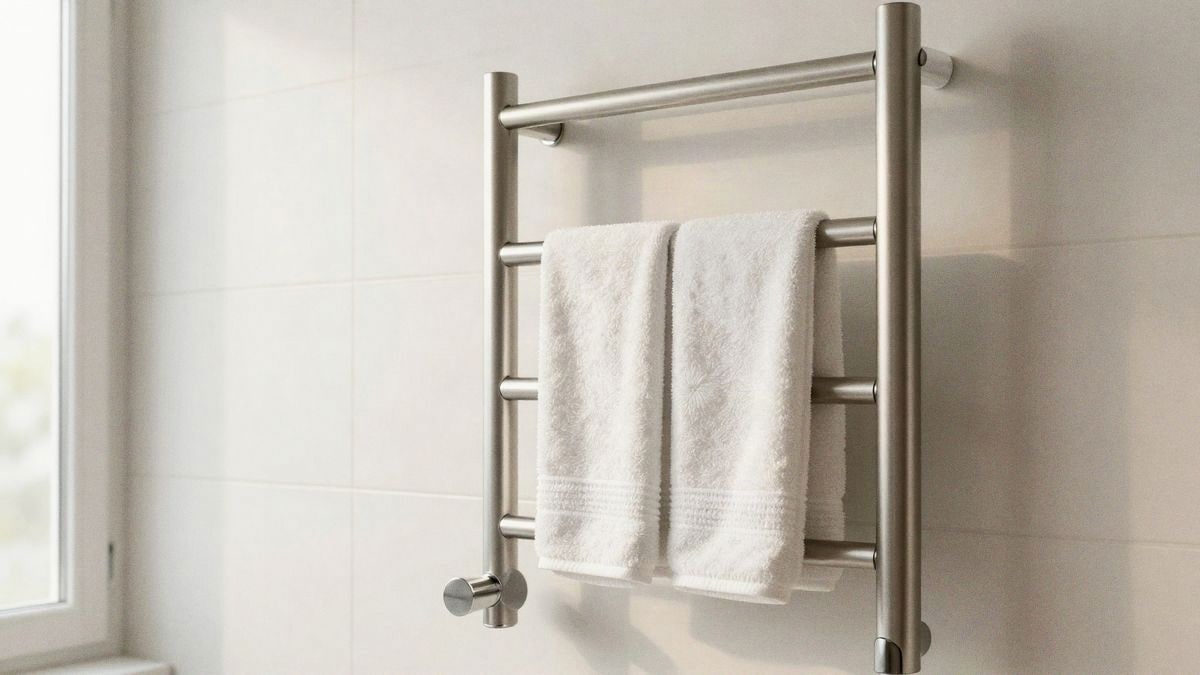
The first thing you should know is that not all heated towel rails consume the same. The more compact models, with thin bars, tend to use less energy. Larger models, like ladder types or those with multiple panels, require more power. It also matters a lot whether you use it continuously throughout the year or only during bathing season.
I confess that when we installed our first heated towel rail at home, we were terrified of the bill. January came, and we expected the worst. Surprise: the increase was minimal, almost imperceptible. Of course, we then realised that we weren't leaving it on all day, but only for the two hours before using it in the morning. That’s the key to the matter: actual consumption totally depends on your usage habits.
Now, where these devices do compensate is in comfort and home health. A heated towel rail keeps towels dry, fluffy, and with that pleasant scent that prevents dampness. In small or poorly ventilated bathrooms, this is pure gold. Wet towels piled up in the shower are a breeding ground for dust mites and mould. A device like this saves you from mould, unpleasant odours, and having to wash bath linens more often.
The trick to making it worthwhile is to choose a medium-power model (100-150 watts) and establish a conscious routine for turning it on. You can programme it to turn on only at specific times, or you simply need to be disciplined and turn it off when you don't need it. Some modern models have a built-in timer, which makes things much easier.
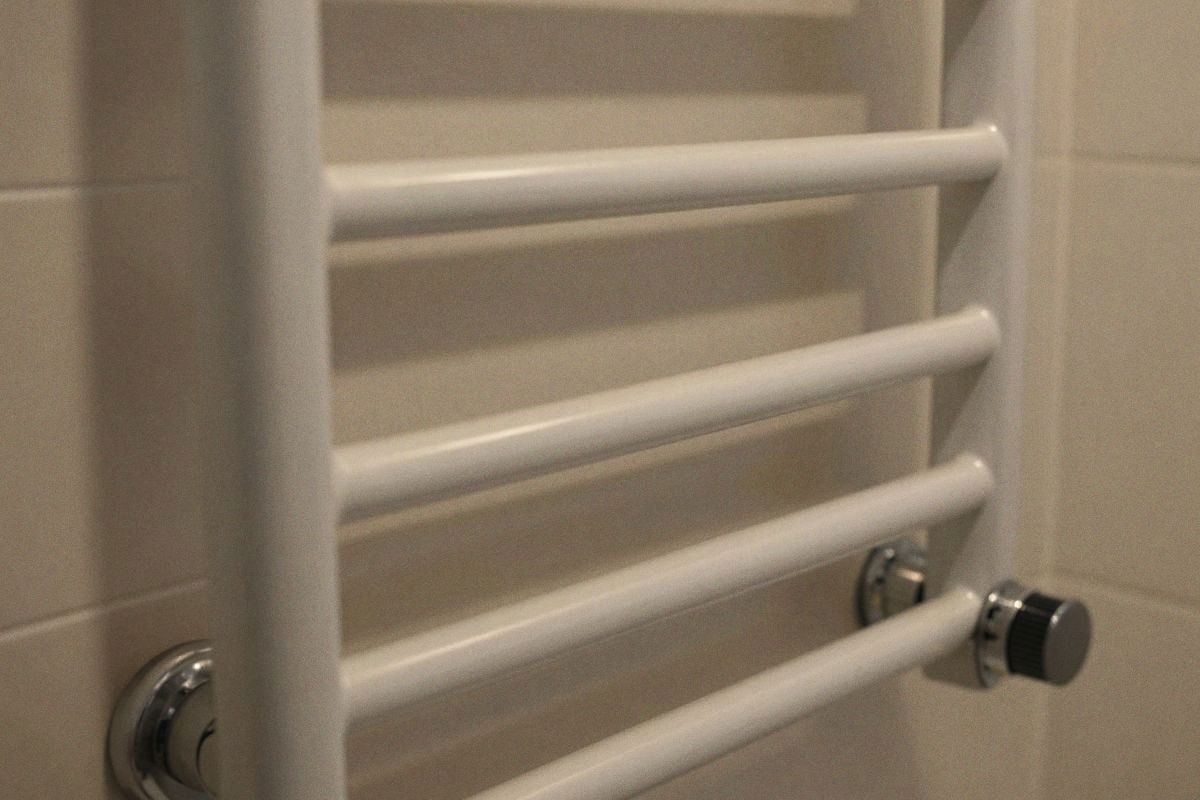
Another factor that changes the equation is where you install it. If you place it in a bathroom connected to the master bedroom, where you will use it the most, you optimise the hours of operation. If you put it in a guest bathroom that is rarely used, then it will indeed be an expense with little return.
In terms of initial cost, a good heated towel rail ranges from 60 to 200 euros. Models from established brands with integrated designs can go higher, but offers and promotions are frequent. When you think of it in the context of a bathroom renovation or a comfort upgrade that will last for years, the expenditure pays off quickly, especially in large families where towel usage is significant.
What definitely does not compensate is leaving it on permanently without turning it off. That is throwing money away unnecessarily. We recommend keeping it off most of the day and turning it on half an hour before you shower. In summer, you simply don’t use it. In winter, those two or three months when you need it most, the extra energy cost is so small that you will hardly notice it on the bill.
You should also consider that a bathroom with a heated towel rail is a bathroom that sells better if you ever decide to rent or sell. It's a comfort detail that buyers appreciate, especially if it's well-designed and functions correctly. It’s not a decisive factor, but it adds to the overall experience.
If you have doubts about specific consumption, most manufacturers publish technical specifications. Look for the wattage, calculate how many hours you would use it per month, and do the multiplication. With your current electricity tariff, you will have a figure very close to the actual expense. It’s more accurate than any assumption, and it removes the uncertainty.
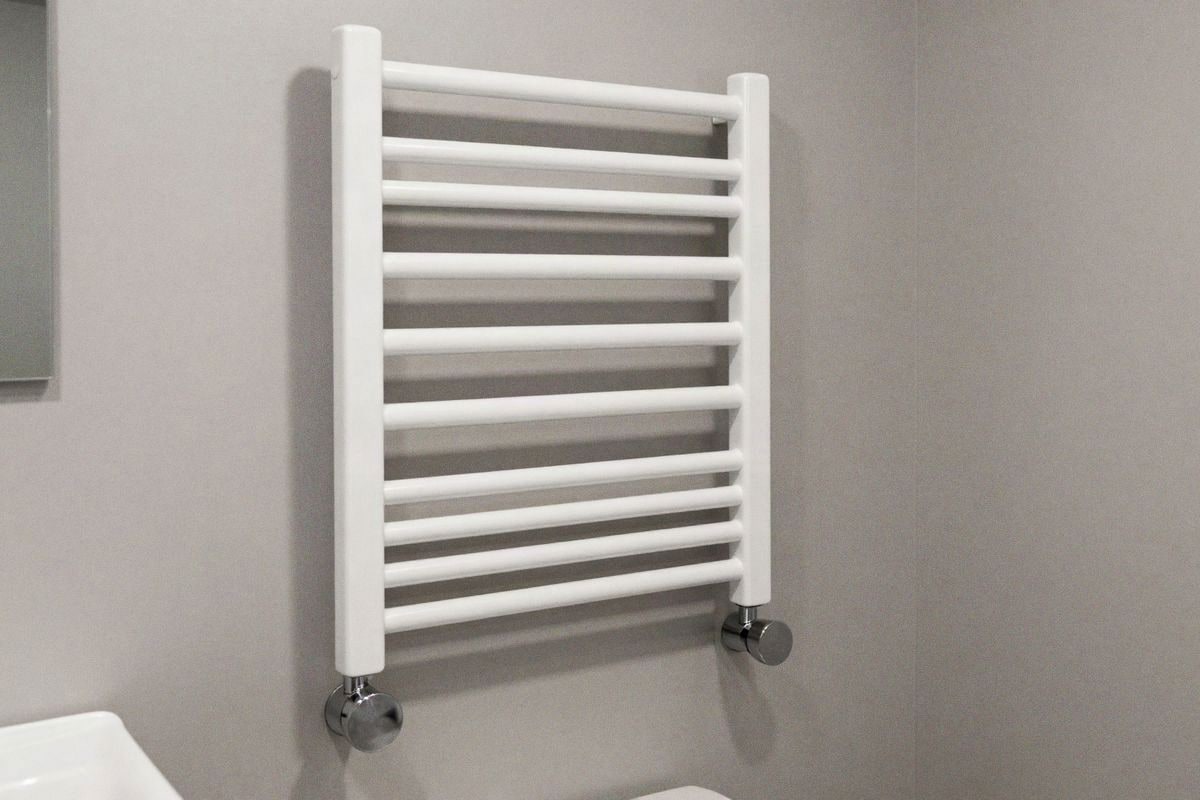
At this point, our conclusion is that it does compensate, but with conditions. If you use it moderately and consciously, the benefits in comfort and home health outweigh the minimal extra energy cost. If you leave it on like a permanent radiator, then no. The purest logic: it’s like any other appliance. The heated towel rail is not the culprit of your high bill; your usage habits are.
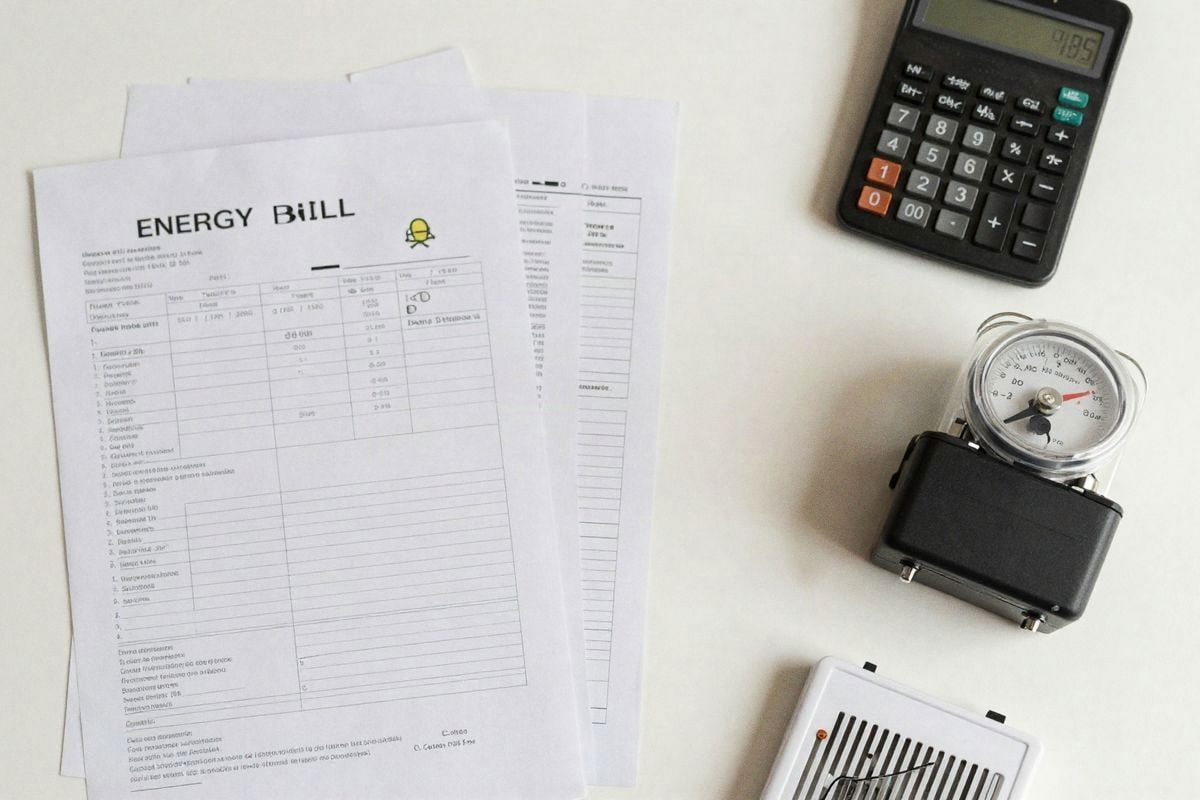
To finish, a practical tip: when buying one, look for models with favourable energy certification, a cable with a controllable thermostat, and preferably a timer. Those small details make your investment much more efficient. And please, don’t fall into the temptation of having ten towel rails at home. With two well-placed, in the main and guest bathrooms, you have more than enough.

You may also like