At Casa y Deco, we love tackling that challenge many families share: decorating a children's bedroom knowing that in five years, nothing will be as it is today. A three-year-old does not need the same things as a ten-year-old, and what works at eight may be completely inappropriate at fourteen. That's why today we want to share real strategies, not theoretical ones, to create a space that evolves without needing to invest a fortune every season.
The key is to think in layers: structure, colour, and accessories. If you establish a solid and neutral base in furniture and walls, you can change the look of the room almost solely with textiles, wall stickers, and decorative elements. It's like having a base coat that you change the lining of according to the season. This requires discipline—I confess it was hard for me at first—but once you see it work, it's liberating.
The furniture: choose pieces that truly last
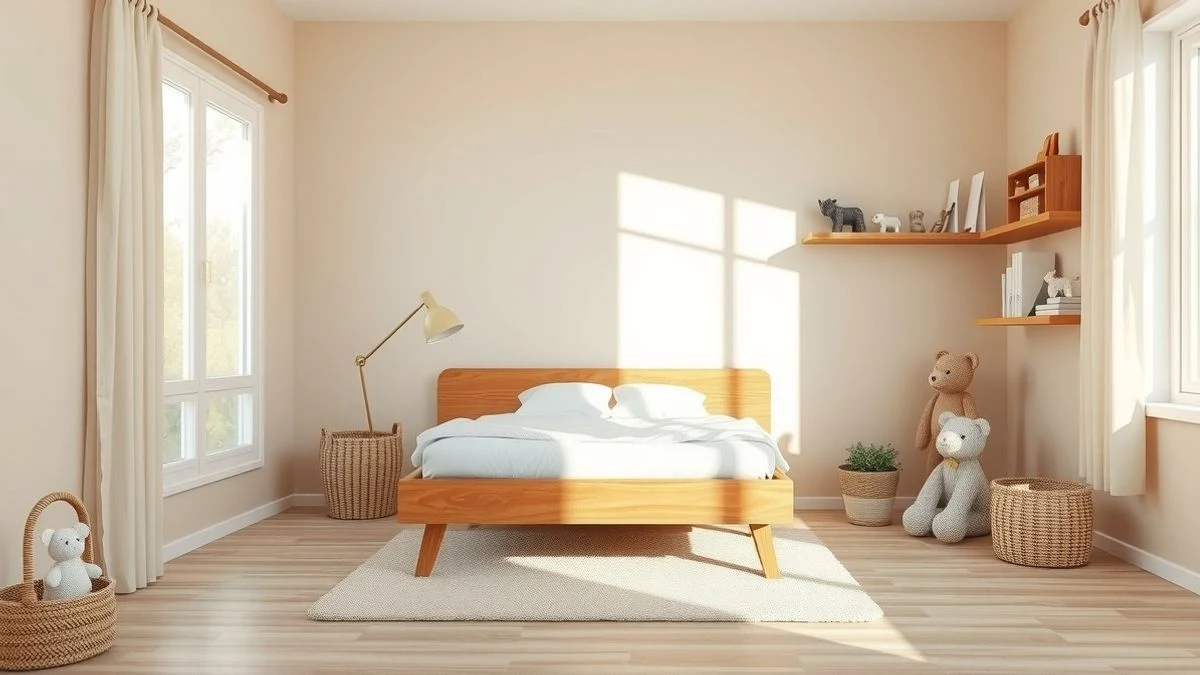
Let's start with the most important: the bed is your main investment. Instead of buying a small bed at three and a larger one at eight, consider from the beginning a bed of 90 x 190 cm (standard single bed size) or even 90 x 200 cm. These sizes comfortably last into adulthood. If the child is still very small, a bed base with a removable guardrail or a low-structured trundle bed solves the space issue without needing to change later.
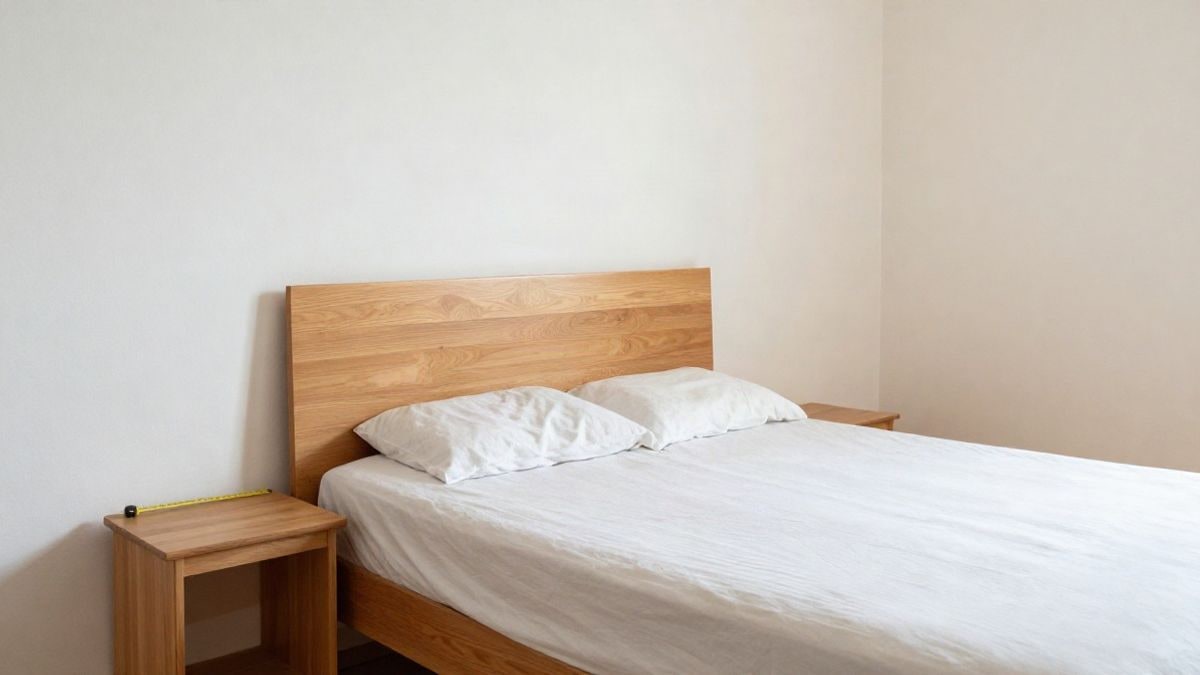
As for the material, solid wood or good quality boards are your allies. Avoid beds with excessively themed details (like castles, racing cars, or other toys), because believe me, at twelve, that becomes uncomfortable. A simple headboard in pine, oak, or decent thickness MDF will allow you to change bedding and textiles without getting stuck in a specific theme.
For the desk and shelves, prioritise adjustable or modular height. A desk that is 40 cm high today may be too low in five years. If you opt for a height-adjustable one, it will have an almost indefinite lifespan. Floating shelves or low cabinets that fit under the window also age well because their function doesn’t change, only what you store in them.
The colour: strategic neutrality with evolving touches
The walls should be your safe zone. Paint them in off-white, warm beige, or very soft grey. These neutral tones are not boring—they work as a canvas—and accept any future style without clashing. I confess the temptation to paint a wall with a fluorescent orange dinosaur when your child is four is real, but resisting now saves you work later.
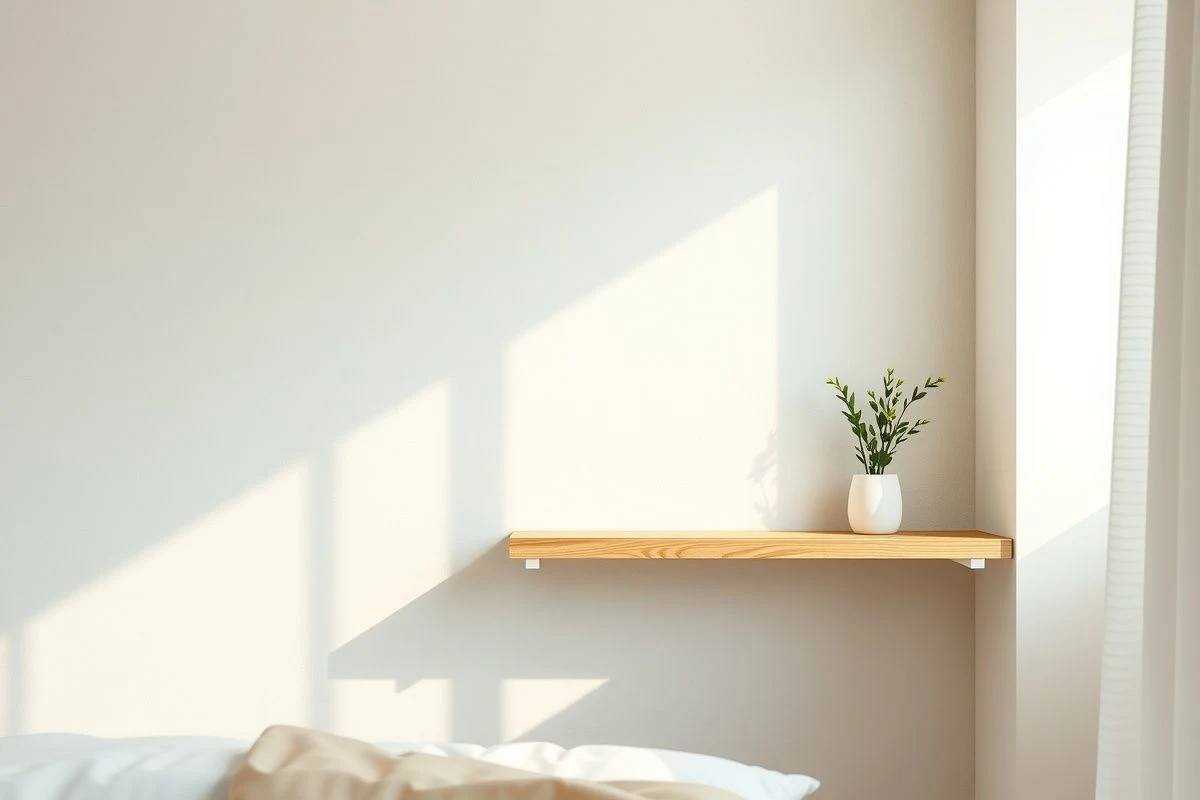
If you really want colour on the wall, use a removable adhesive mural or wallpaper. This way, you can change the theme at eight without needing a painter. There are very good quality options that leave no residue. Another smart strategy is to paint only one complete wall or half a wall—leaving the other half in a base white—with a more decisive tone: sage green, soft slate blue, ochre. These colours work at any age and are mature enough to accompany the evolution.
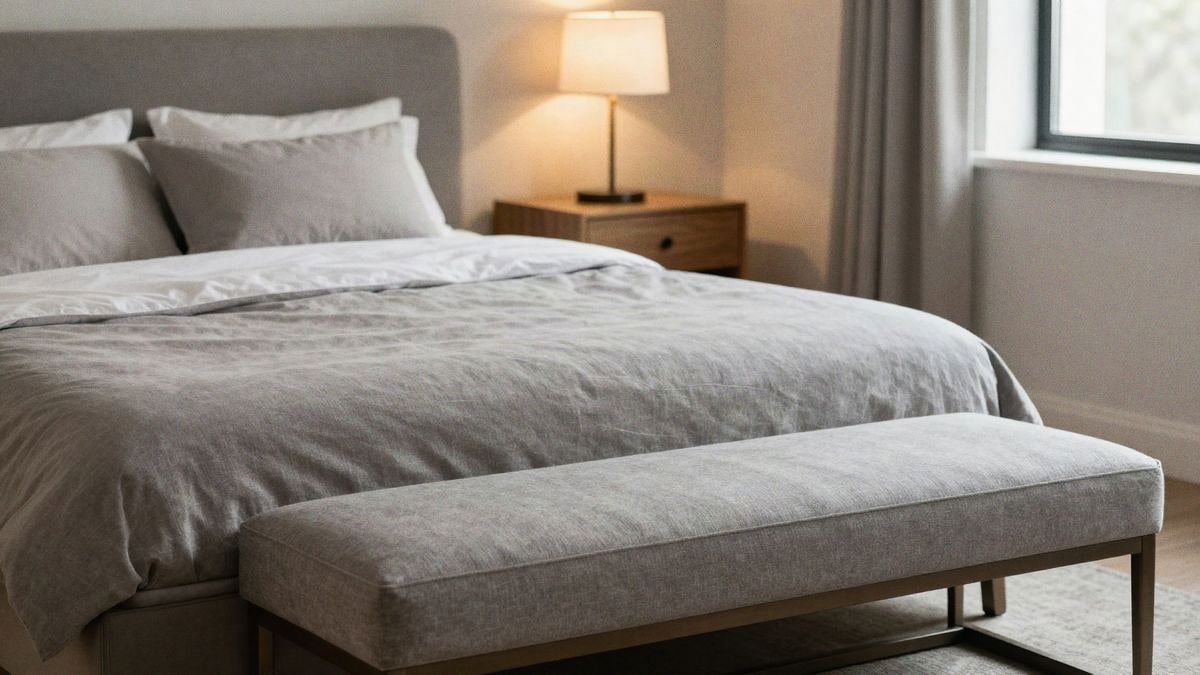
Where you can afford to be specific is in textiles, cushions, and blankets. A bedding set with today’s child-friendly prints is a change of fifteen minutes and forty euros next year. Play with patterns, bright colours, and characters on disposable cushions, not on structural elements.
Smart layout: multifunctional zones
Divide the space into clear thematic corners: sleeping, studying, and playing. A small child needs a lot of space to play; a teenager needs a functional study area. If you already have this planned in the layout, changing function is a matter of reorganising, not demolishing.
A bed structure with a desk underneath is interesting in theory, but I confess that in practice, many families find it unconvincing. The reason: when the child grows and doesn’t want to play as much, the space under the bed is wasted (it’s too low for a serious adult desk). Better: bed in one corner, independent desk on the opposite wall, with floating shelves in between as a visual storage area.
For the little ones, designate a low corner for easily accessible shelves. As they grow, that same area serves for organisers, larger books, and collectible items. The change is in content, not furniture.
Modular storage: the anti-renovation solution
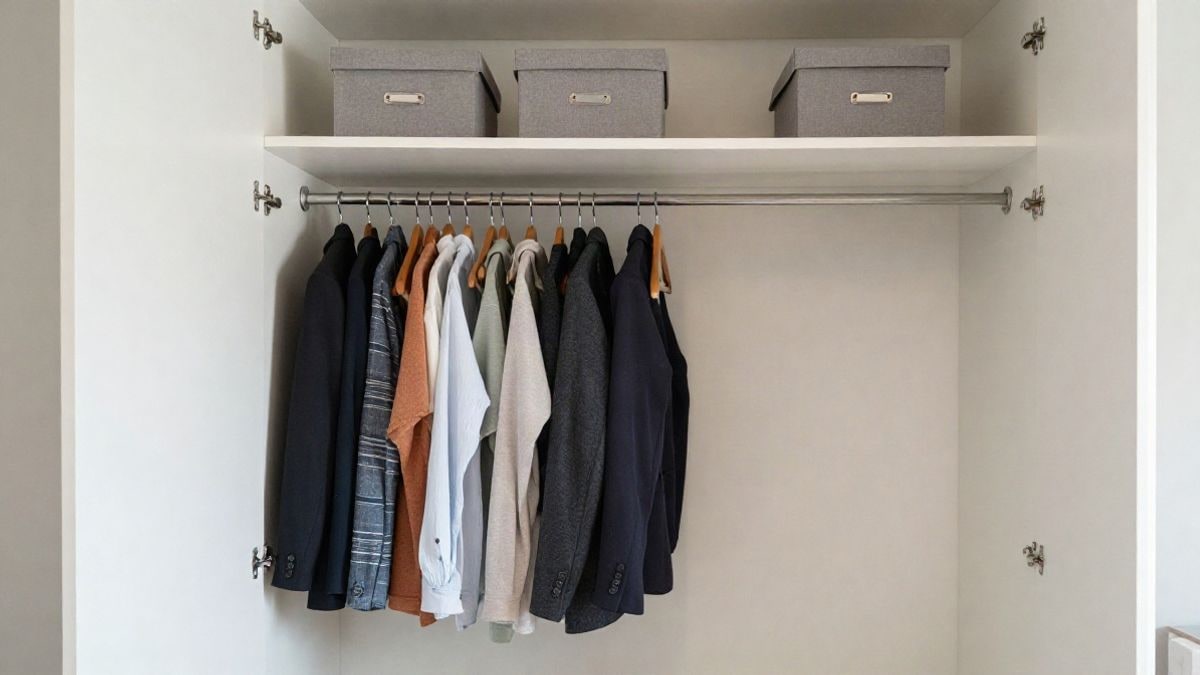
Modular storage is your secret weapon. Stackable drawers, wheeled organisers, fabric baskets that fit on shelves: all of this allows you to adjust the system without touching the structure. At six, you need space for large toys; at twelve, for books, school bags, and accessories. If your storage is flexible, that change is natural.
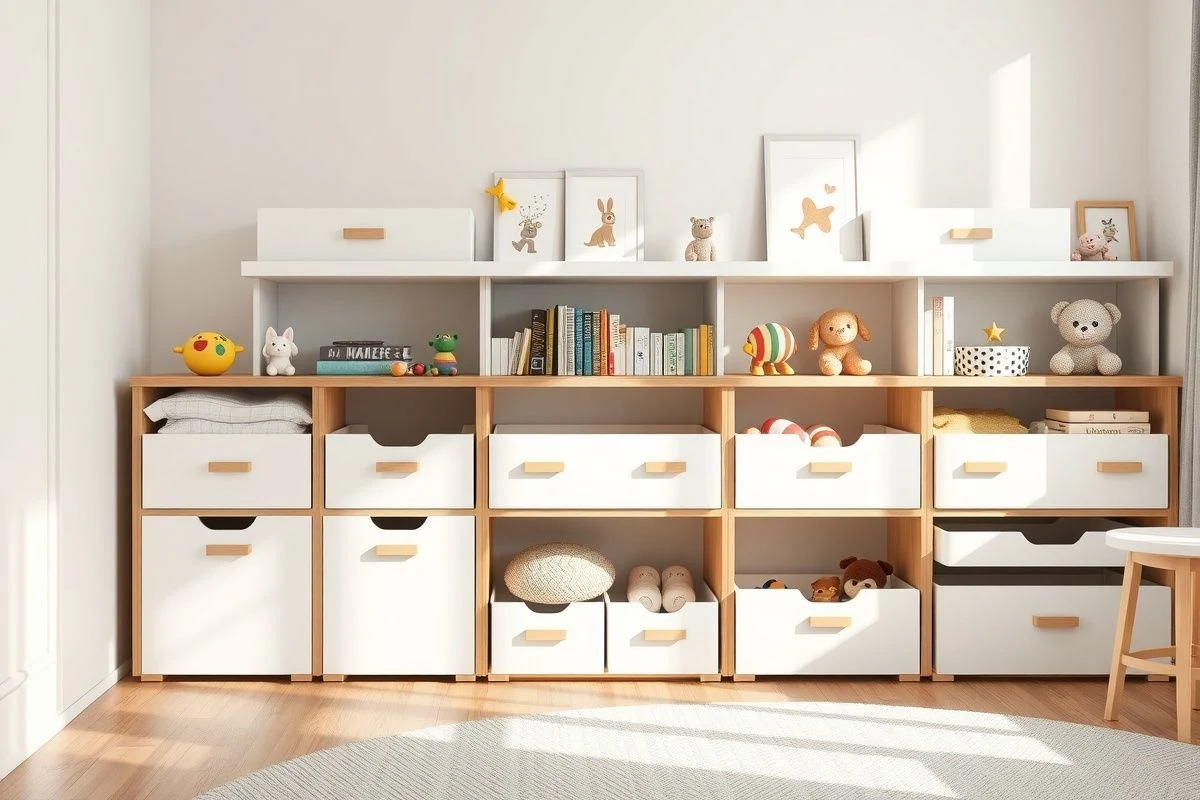
Invest in uniform storage boxes in neutral tones (white, grey, natural wood). Label them with removable tags. This way, the visual is tidy and adult, even if there are still some toys inside, and the thematic change is invisible from the outside. When they grow, you simply change the contents.
Lighting: practical and adaptable to each stage
Always combine adjustable general lighting with spotlights. A dimmer on the ceiling allows you to lower the intensity for bedtime stories with a baby, or for reading without glare as they get older. Next to the bed, a small reading lamp; next to the desk, directional light that doesn’t create shadows. These elements don’t change, only their use.
Lights shaped like clouds or children's moons may seem irresistible, but at nine, they create friction. Opt for lamps with a simple structure in materials that age well: wood, painted metal, or glass. They are timeless and work in any aesthetic context.
Accessories: this is where you can unleash your creativity
This is the beauty: in wall stickers, pictures, rugs, curtains, and decorative objects is where you express today’s personality without compromising tomorrow. Curtains can be simple in neutral colour with patterned complements; the pictures, interchangeable; the rug, easy to wash to change when it gets boring. These are the elements that evolve at the child’s pace without pain.
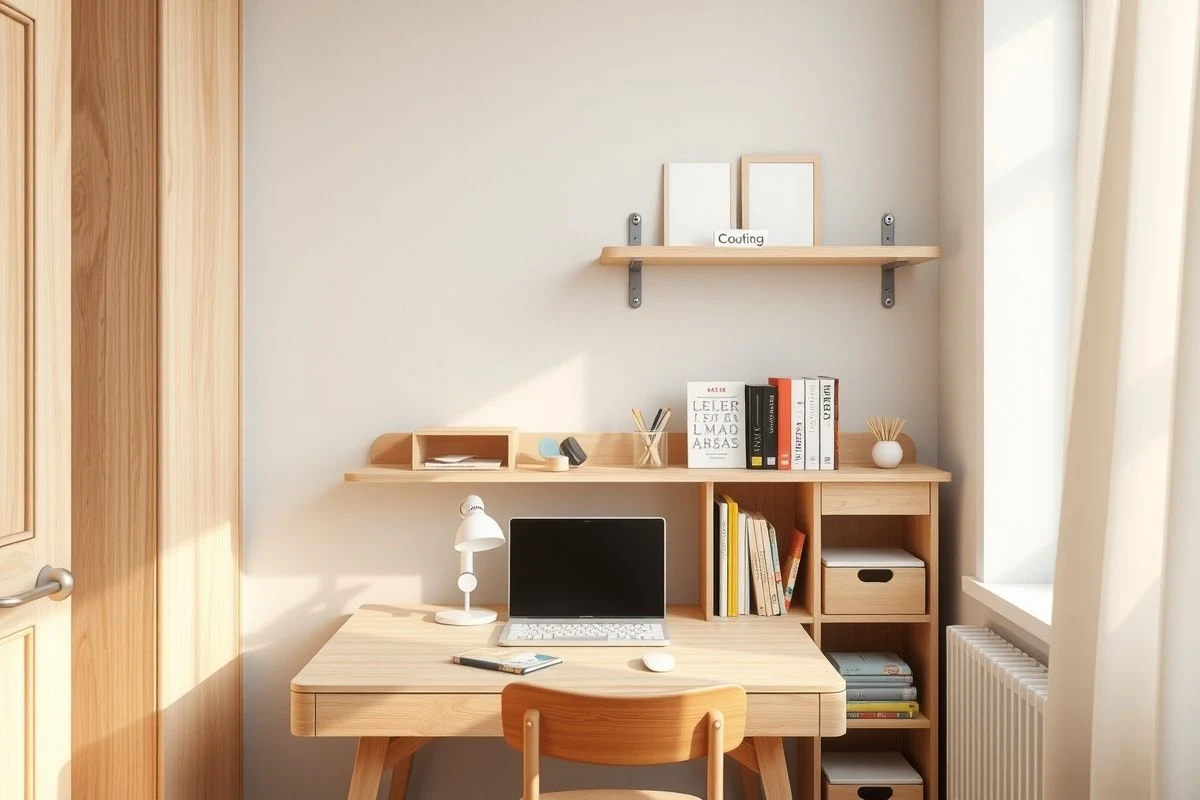
If you incorporate a space for a photo board or flexible cork, older children can personalise it with their current interests without affecting the rest of the decor. It’s a small act of independence that also saves you renovation.
In conclusion, a bedroom that grows is above all a bedroom designed for versatility from minute one. It’s not so different from buying clothes with room for growth: you choose basic garments that last for years and add accessories that you change according to the season. Your children's bedroom deserves the same approach. With this strategy, in three years, you will only need to change textiles and accessories, not renovate from scratch.

You may also like