At Casa y Deco, we love discussing those details that make a difference in the bathroom, and curtains are one of those elements that many of us overlook. Choosing between fabric and plastic is not just a matter of aesthetics (though that does matter too): it’s a decision that directly affects how long your investment will last, how much maintenance it will require, and, honestly, how happy you will feel every morning when you shower.
I confess that for years I was one of those who bought plastic curtains purely out of instinct, thinking it was the most practical and economical option. But after trying both and listening to interior design professionals, I realise that the reality is more nuanced. There isn’t a single correct answer; it all depends on your lifestyle, your bathroom, and how much you are willing to invest in maintenance. Let’s break it all down so you can make the smartest decision.
Plastic Curtains: What They Promise and What Really Happens
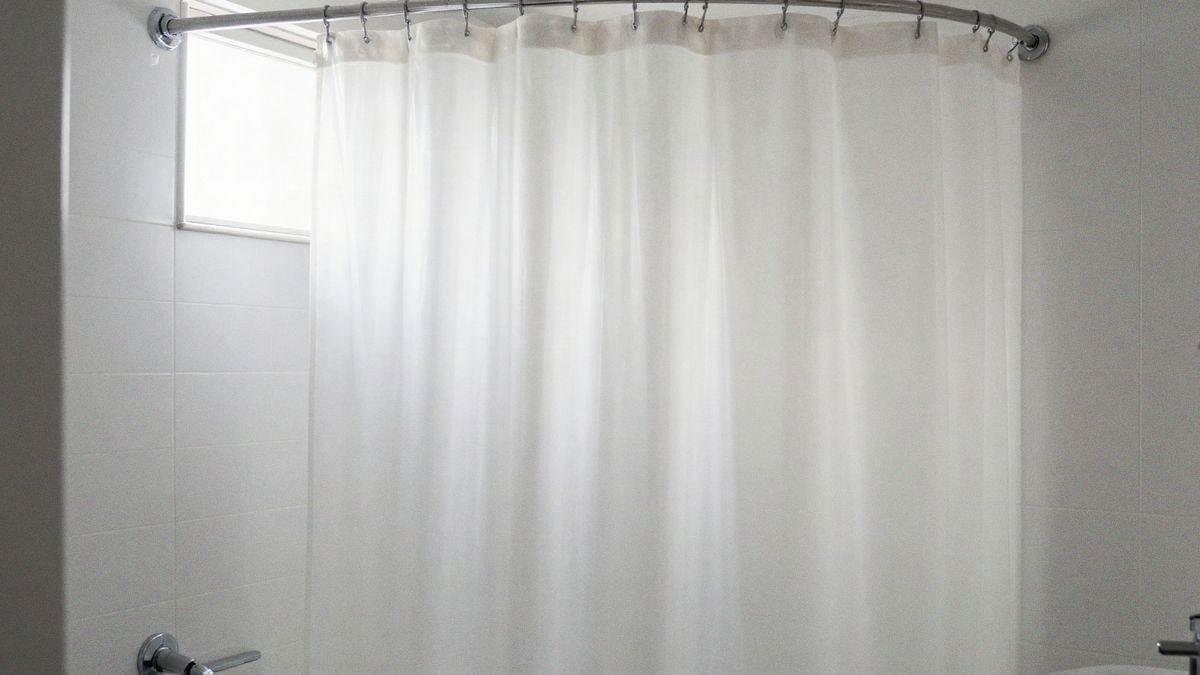
Plastic curtains, especially those made of coated polyester or vinyl, are the classic option in most homes. The main argument is their water resistance and low price: they usually cost between 8 and 20 euros, making them accessible for any budget. Additionally, they don’t stain easily and cleaning them is just a matter of a damp cloth.
However, here comes what no one clearly tells you in the store. Plastic undergoes an inevitable degradation process: exposure to hot steam, light, and temperature changes makes it become fragile, yellowish, and brittle over time. The actual lifespan of a plastic curtain is 12 to 18 months at most, depending on how often you use the bathroom and whether you have an extractor fan. Once they start to deteriorate, there’s no way to fix them: straight to the bin.
Another problem I have seen (and experienced) is that plastic accumulates dust mites and mould in the wrinkles and folds, especially if the bathroom has poor ventilation. Although it seems waterproof, mould thrives in microscopic cracks. Moreover, that new plastic smell that disappears in a week sometimes returns with humidity, and it’s not exactly pleasant when you have the door closed.

Fabric Curtains: The Investment That Might Be Worth It
Fabric shower curtains (usually made of durable polyester, treated cotton, or linen) cost more: they range from 25 to 60 euros, although good quality ones can reach 80 or 100 euros. But here’s the turning point: a quality fabric curtain can last between 3 and 5 years, tripling the lifespan of its plastic equivalent.
Modern bathroom fabrics are specifically designed to withstand moisture. They are treated with coatings that repel water without creating the greenhouse effect that plastic generates. They breathe better, which means less steam accumulation and fewer mould problems. Additionally, they have a much more elegant and sophisticated appearance: the designs, textures, and colours available transform the bathroom from a "functional space" to a "stylish corner".
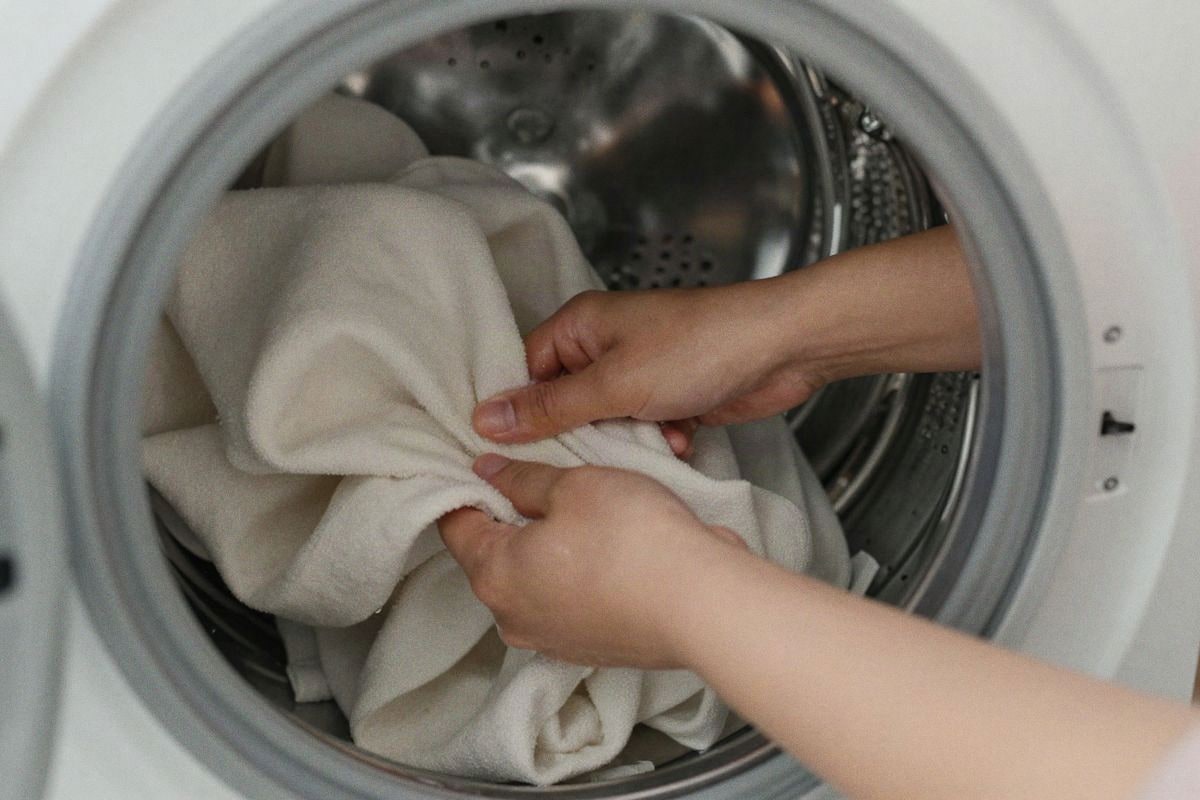
Maintenance, contrary to what you might think, isn’t more complicated. Most fabric curtains can be machine washed (delicate cycle) or hand washed, and they dry quickly. However, they do require this care regularly, not just a dry cloth. If you have a poorly ventilated bathroom or many people using the shower, washing every two weeks prevents mould accumulation. With plastic, you don’t need to wash, but you can’t either: it simply degrades.
Factors That Determine Which to Choose
Your decision depends on several specific elements. First, the ventilation of your bathroom is crucial: if you have a powerful extractor and doors that keep the air circulating, fabric holds up much better. If the bathroom is small, without a window and no extractor, both will suffer, but the plastic will fail first.
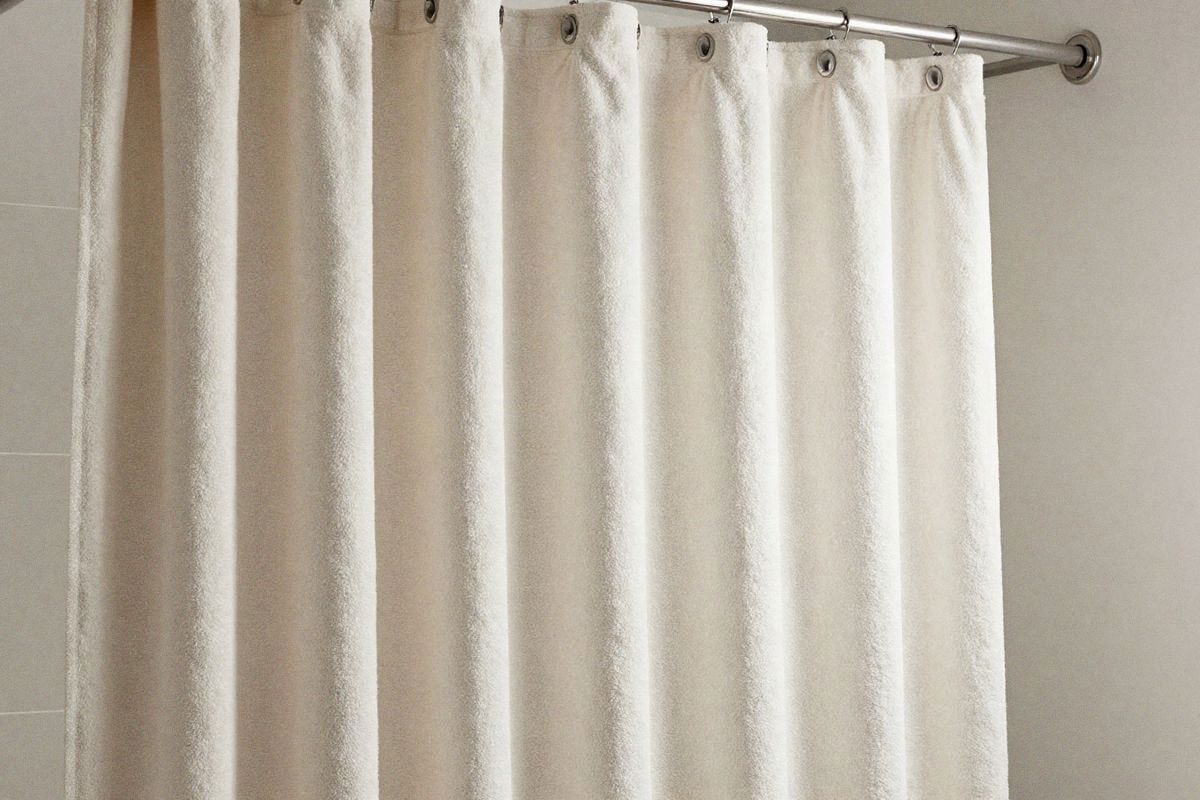
Second, the budget and willingness to invest time. If you move house every 2-3 years or don’t want worries, plastic is for you. If you plan to stay in the house for at least 3 years and value aesthetics and health (less mould), fabric is worth it. The annual cost of a fabric curtain quickly pays off.
Third, consider the number of people using the bathroom. A family of four who showers every day generates a lot of humidity. In these cases, well-maintained fabric curtains win hands down, as they withstand the constant stress of steam better. With plastic, you’d be changing it every year; with fabric, every three or four.
Specific Care to Extend Lifespan
If you choose plastic, the key is to maximise ventilation: open the bathroom door after each shower, run the extractor at full power for 15-20 minutes, and consider leaving the curtain extended (not folded) to dry better. Some experts recommend changing them every year as a preventive measure, although it costs more in the long run.
With fabric, the secret is regular washing and constant ventilation. Wash every two weeks in warm water with mild soap, avoid bleach (it damages the fibres), and hang it wet to dry naturally. If you see black spots (mould), act quickly: a soak in water with white vinegar (1:1 ratio) before washing eliminates spores without damaging the fabric. Never put a wet fabric curtain in a closed bag; let it dry completely before storing.
Regardless of the material, install a curtain drainer (those stainless steel hooks) instead of hanging it over the standard rod, allowing water to drain completely and air to circulate. This simple trick extends the lifespan of any curtain by 6 to 12 months.
Our Final Recommendation
If there’s one thing we’ve learned at Casa y Deco, it’s that there’s no one-size-fits-all formula. But if you press me for a recommendation: choose fabric if your bathroom has reasonable ventilation and you’re willing to wash it every two weeks. If your bathroom is a moisture pit with no solution or you simply don’t want maintenance (which is understandable), go for plastic, but change it every 18 months without feeling guilty.
Fabric wins in durability, aesthetics, and health. Plastic wins in initial convenience and price. Choose thinking about the next three years of your daily life: what will bother you less? Spending 15 euros every year or 50 euros every three? Dedicating 20 minutes every fortnight to wash, or resigning yourself to frequent changes? The right answer is the one that aligns with your reality.

You may also like