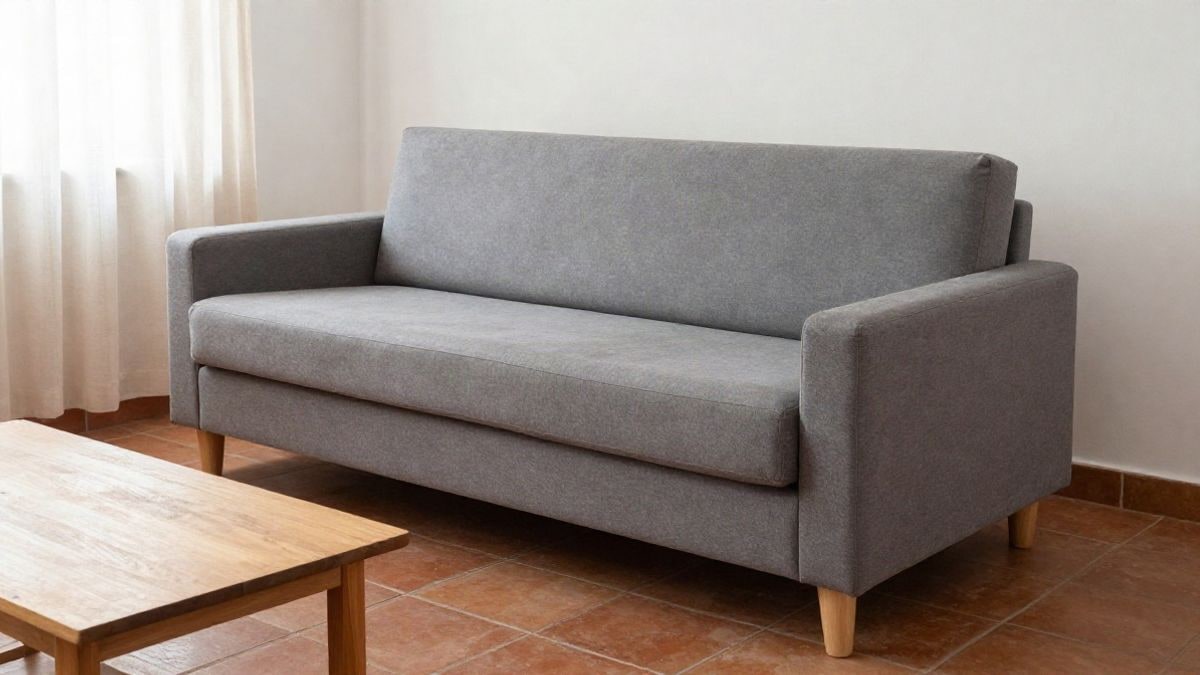
At Casa y Deco, we love finding furniture that serves a dual purpose without sacrificing aesthetics or comfort, and sofa beds are precisely that: our lifesaver when we want to save space without giving up a good night's sleep. The key is to choose the right model, as not all age the same or offer the same resistance to constant use.
If there's one thing we've learned after years of trying solutions for small spaces, it's that a mediocre sofa bed looks like one from day one. The seams start to give way, the mechanisms jam, and the fabrics easily pill. That's why we've decided to share with you what makes a sofa bed truly worth it and how to keep it in perfect condition even if you open and close it every night.
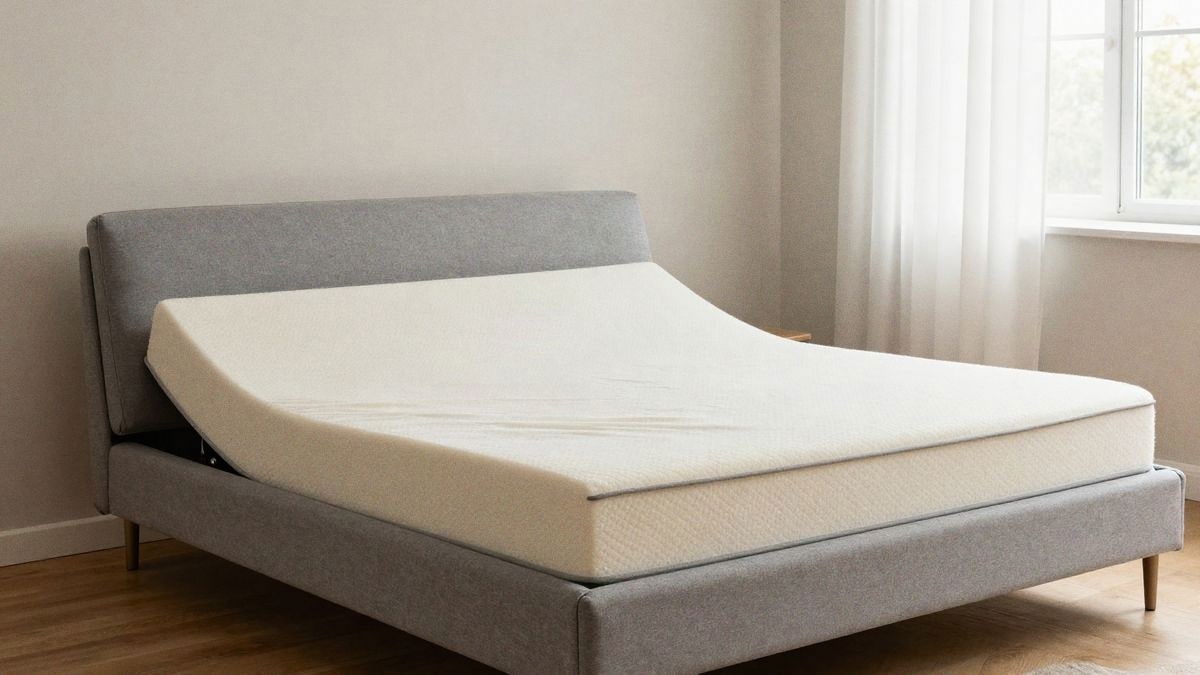
I confess that for years I dismissed sofa beds out of prejudice: I thought they were uncomfortable lumps, as hard as boards, and that they aged faster than any other piece of furniture. But the reality is that the market has changed a lot. Nowadays, there are options that work both as a comfortable sofa for watching movies and as a decent bed for sleeping without feeling like you're on a metal mechanism.
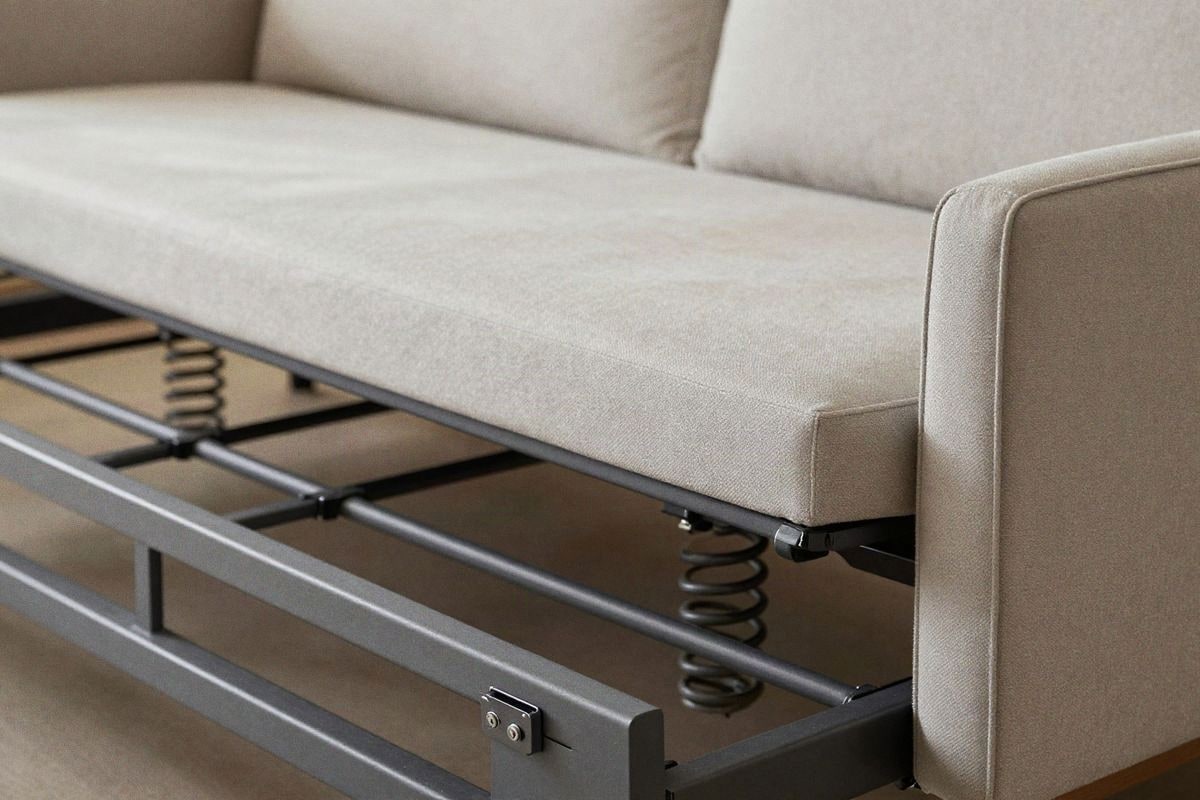
The first crucial aspect is the opening system. There are several types: book style, where the seat folds up; click-clack, which opens in three positions; or the more modern ones with sliding boxes. Each has different advantages. The book system is compact but requires front space; the click-clack is versatile but needs more movements; and those with integrated storage under the bed are ideal if you want to make the most of every inch.
The depth of the sofa makes all the difference when it comes to converting it into a bed. We look for a minimum of 80 centimeters in depth for the sofa so that once unfolded, it has a mattress that doesn't make you sleep almost in a vertical position. If it's less, you'll notice that the area where the two cushions meet gives way too much. This is especially important if you plan to use it as a bed regularly.
Another non-negotiable point is the quality of the mattress. Many sofa beds come with that 5-centimeter foam that is practically paper, and although they seem comfortable at first, you'll feel every spring after two nights. A decent mattress should be between 10 and 15 centimeters thick and have a density that is neither too soft nor excessively hard. If the manufacturer doesn't specify this, it's a red flag.
The materials of the upholstery are vital for it to withstand daily use without looking battered. Natural fabrics like linen or cotton are beautiful but delicate; microfibers offer more resistance but can feel plastic; modern technical fabrics, which combine synthetic fibers with special treatments, are probably your best bet if you're looking for real durability. They repel stains, resist constant rubbing, and age more elegantly.
The colour also matters more than you think. While a white or light grey sofa bed will show every mark of use within weeks, darker shades (medium grey, navy blue, taupe) will better disguise natural wear. This doesn't mean you have to settle for a dull sofa: a deep blue or green is still elegant and much more practical than its pastel versions.
The structure of the furniture is the skeleton that supports everything. Look for hardwoods in the frame, never particle board, because that's what guarantees that your sofa won't end up wobbling after a year. The legs should also be solid: if they're too thin or barely attached, it's an indication that the manufacturer has cut costs in the wrong places.
Something we don't always consider is how the mechanisms perform over time. More complex spring systems require more frequent maintenance, while simplified mechanisms, although less flexible, tend to last longer without issues. If you're not someone who will lubricate parts regularly, opt for the simple: it works.
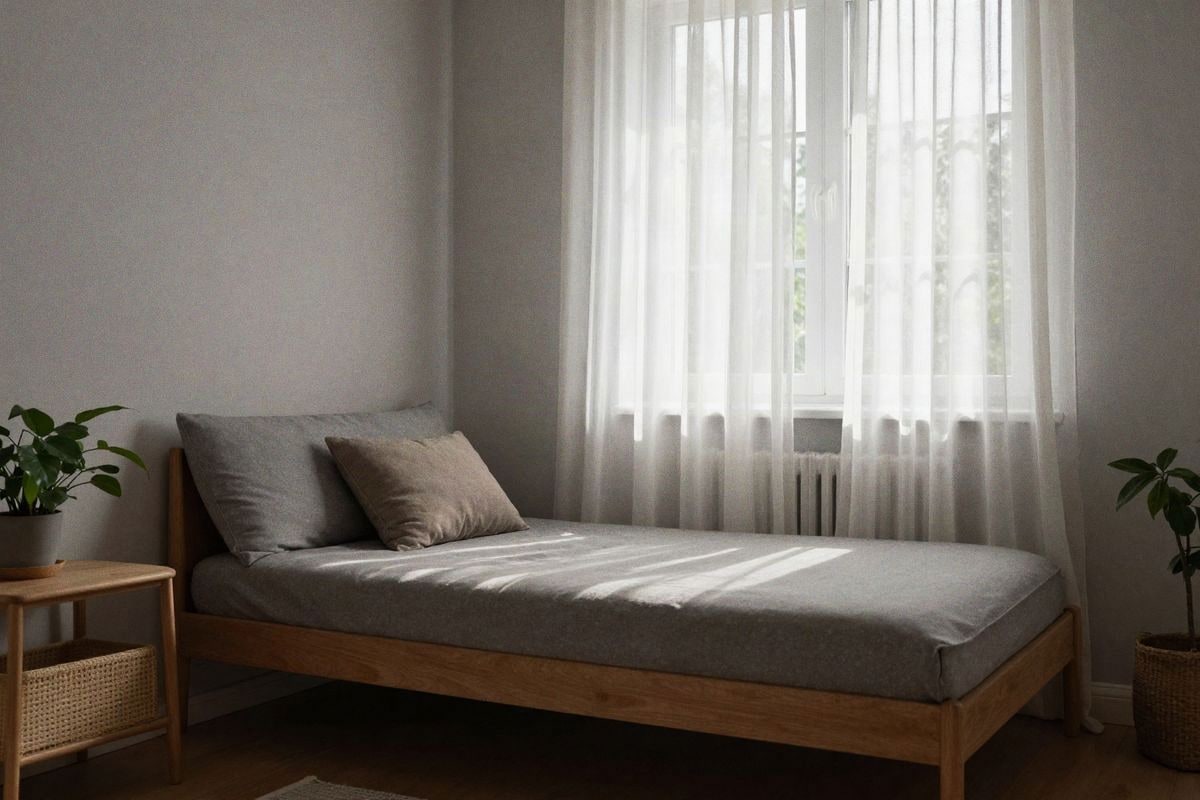
Regular maintenance is the uncomfortable truth that no one wants to hear but makes the difference between a sofa bed that lasts five years and one that reaches ten. Vacuum the crevices where dust accumulates every month. If you have pets, do it bi-weekly. Rotate the cushions regularly to ensure even wear, and clean stains immediately with a slightly damp cloth. These simple gestures dramatically extend the lifespan.
The location in your home also influences this. A sofa bed away from direct sunlight will age much better than one next to a large window, because UV rays quickly fade the fabric. If it's unavoidable, invest in curtains or sheers. Also, avoid placing it against a wall: it needs air to circulate behind it to prevent moisture from accumulating at the back, which can eventually damage the structure.
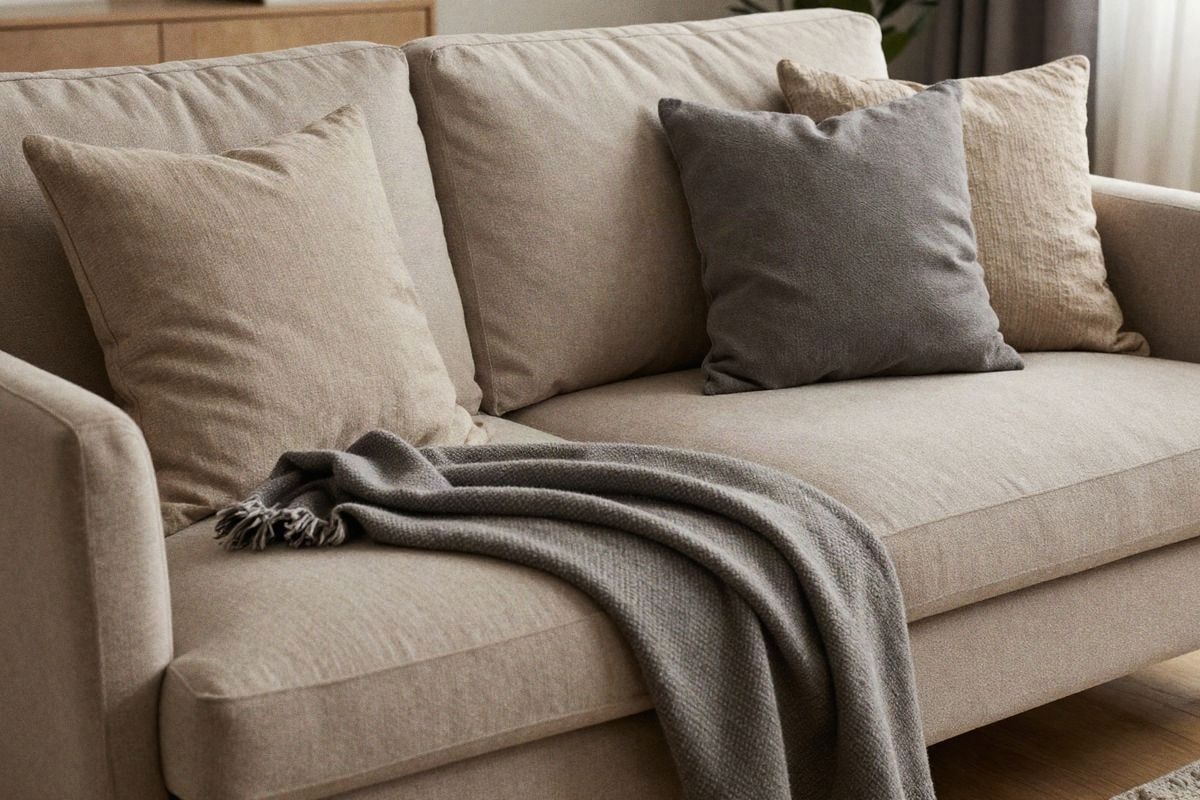
When decorating a space that shares a sofa bed with a sleeping area, our advice is to use textiles that help define the areas without making the room feel too cluttered. A couple of cushions in coordinated tones, a textured throw on the backrest: these details soften the visual transition between the sofa and bed functions, making the space more harmonious.
Finally, be honest with yourself about what the actual use will be. If you're going to open it every night because it's your main bed, invest more money in a robust model. If it will be used sporadically for guests, you can be a bit more flexible. Adjust your budget to the reality of your life, not to what you think you should do. A sofa bed that fits your pace is a sofa bed that will remain beautiful for years to come.

You may also like