If you're wondering when to prune garden plants, the answer depends on the species and what you want to achieve: flowers, fruits, or simply order. We share the calendar we follow at home.
At Casa y Deco, we love the garden, but we admit that pruning caused us more than one headache in the early years. So if you're asking when to prune garden plants, you've come to the right place. We’ll reveal the main idea: there is no single date for the entire year, as each plant has its moment depending on what you seek, whether it’s flowers, fruits, volume, or simply a tidy appearance.
Why Timing Matters So Much
Pruning means more than just cutting. By removing branches or leaves that don’t contribute anything, the plant reorganises its energy and directs it towards the areas that truly matter to you. If you do it at the right moment, that reorganisation works in your favour. If you get the timing wrong, the plant spends energy healing instead of growing.
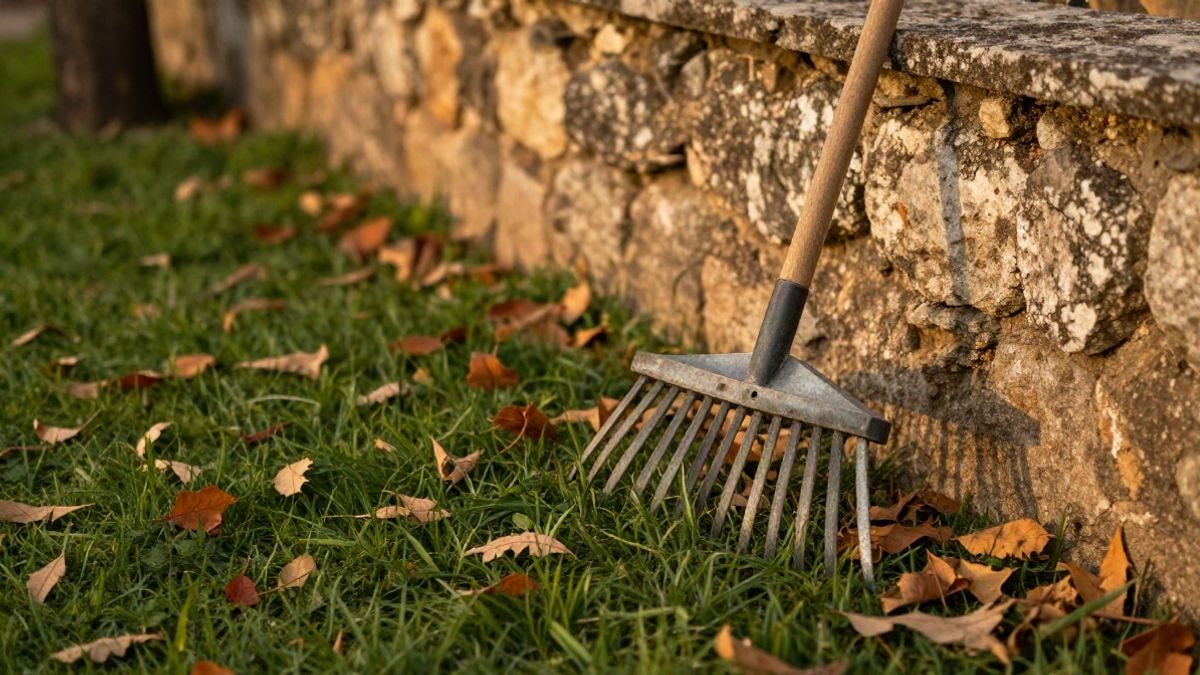
There is a widespread mistake: thinking that autumn is a good time because the garden is quieter and there’s less urgency. In reality, it’s one of the worst seasons for pruning. As the leaves change colour and chlorophyll retreats, the plant accumulates sugars and reserves in roots, trunks, and fruits to fuel the following spring's growth. If you remove branches before the leaves fall, you rob it of part of that reserve. Moreover, since the plant is hardly active in winter, the wounds take longer to heal until the good weather arrives, leaving them exposed to fungi for months.
I confess that the first time I trimmed a lavender in mid-October, I thought I was getting a head start on spring work. What I actually got was its funeral, as it never sprouted like before. Since then, I have the calendar stuck in the shed.
Fruit Trees, Shrubs, and Hedges
Deciduous fruit trees, such as apple, pear, and cherry trees, should preferably be pruned at the end of winter or the beginning of spring, just before new growth begins. This is the best time because, without leaves, the structure of the branches is clearly visible, making it easier to decide which ones are unnecessary. The wounds you leave heal quickly with the sap in motion, significantly reducing the risk of diseases.
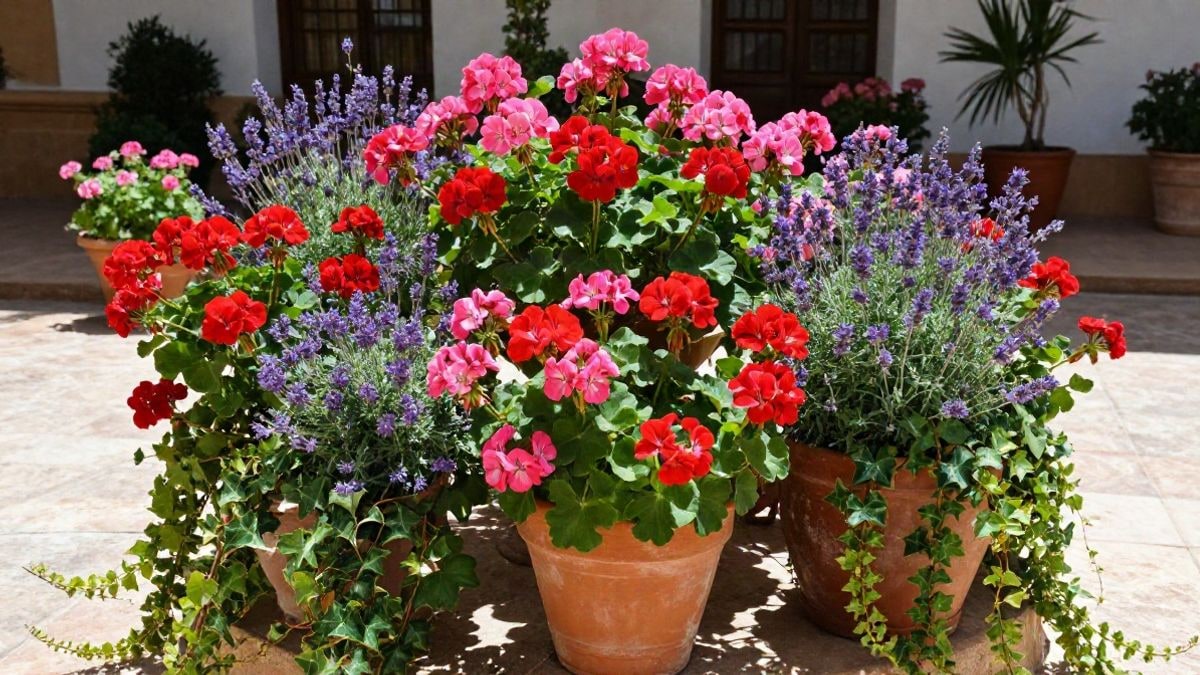
Shrubs require different treatment depending on when they bloom. Some are pruned after flowering, like lavender, azaleas, forsythia, santolina, or hebe, because if you cut them after they have opened their flowers, you’ll miss the show the following year. Others are worked on with the season's flowering in mind, such as hydrangeas and roses. And plants that need rejuvenation, like oleander, buddleia, or lilac, can tolerate a deeper pruning, always at the time dictated by their cycle.
With hedges, it’s simpler. A light trim at the end of spring or in summer is enough to maintain their shape. More intense prunings, on the other hand, are best left for the dormant season when the plant is less active and experiences less stress. We’ve learned to read the hedge before grabbing the shears: if it’s very overgrown, it’s better to spread the pruning over two visits than to make a mess in one day.
Vegetable Garden and Indoor Plants
In the vegetable garden, tomatoes, peppers, and courgettes appreciate early pruning. Removing the lower leaves and side shoots while the plant is still young directs energy to the fruits and improves ventilation between branches, reducing the risk of fungal diseases. Once they start to flower, moderation is key: excessive pruning at this stage removes buds that would become tomatoes and leaves the plant weaker.
Indoor plants, such as pothos, ficus, or peace lily, can be pruned at any time of the year. Simply removing yellowing or damaged leaves improves the plant's appearance. If you want to control its size or achieve denser growth, cut just above a leaf node during the growing season, usually in spring or early summer. My pothos has saved me more than one boring Sunday afternoon: each yellow leaf I remove is a small victory, even though the neighbour's cat thinks those leaves belong to him.
Tools and Common Mistakes
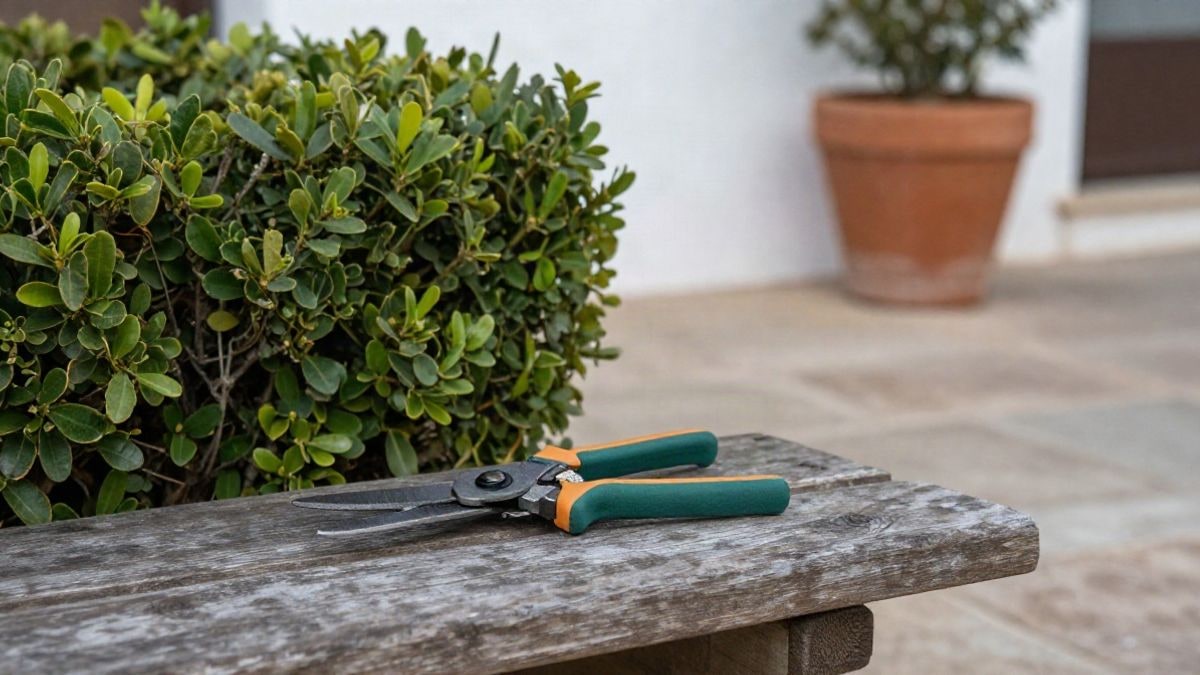
You don’t need an arsenal to get started, but you do need tools suitable for what you’re cutting. Sharp pruning shears are ideal for tender shoots and small branches, preventing tearing of the tissue. For woody branches, like those of roses or fruit trees, a small hand saw is better, as it provides a clean cut and doesn’t dull or break the shears. Seedlings and very small plants can be pinched off with your fingers, making sure to remove the shoot completely so it doesn’t regrow.
Disinfecting tools is one of the simplest yet most forgotten gestures. Clean your shears, saws, and knives before starting and between plants. A cloth with alcohol is enough to prevent you from transferring a disease from one specimen to another without realising it, something that has happened to us more than once in the vegetable garden.
It’s also important not to rush. Hasty pruning often results in poorly made cuts and a plant that takes longer to recover. Before cutting, look at the entire plant, decide what to remove, and then start. And remember to avoid heavy pruning during flowering or fruiting, as it disrupts the hormonal balance the plant needs to produce flowers or fruits. At this stage, limit yourself to removing damaged leaves or small shoots that block light from productive areas.
After pruning, observe. If signs of stress appear, such as wilting or slow growth, wait a few days before cutting again. And if you have doubts about a specific plant, first ask yourself whether it flowers in spring or summer. That answer tells you almost everything about when to cut.

You may also like