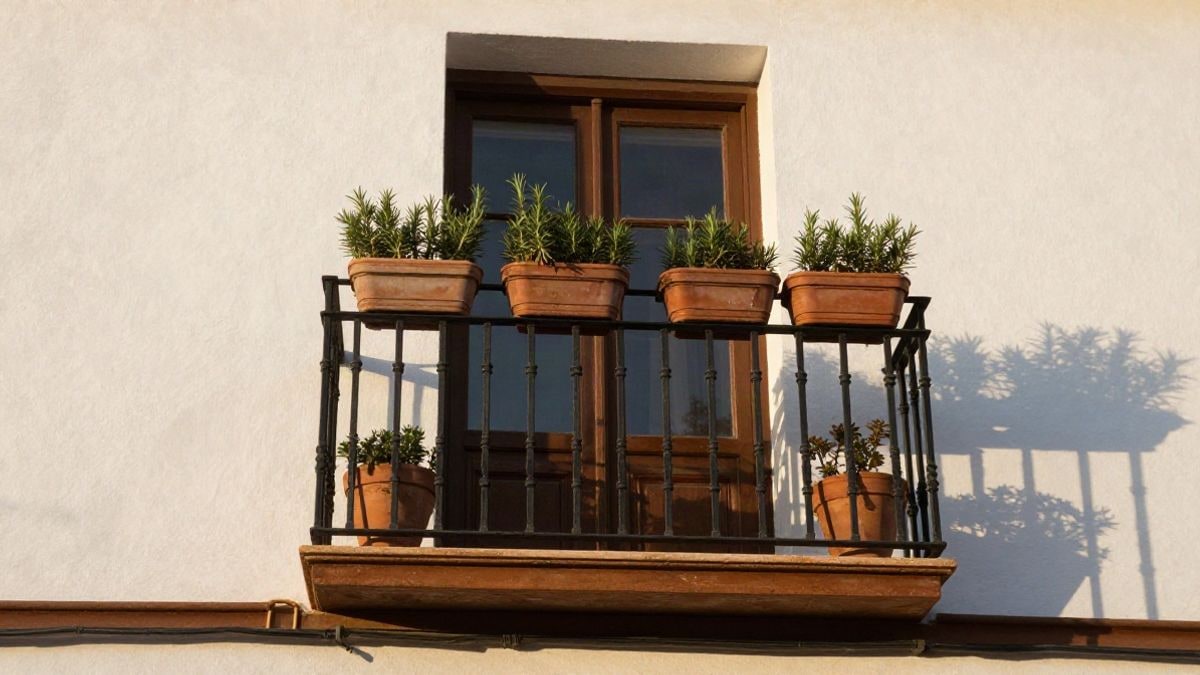
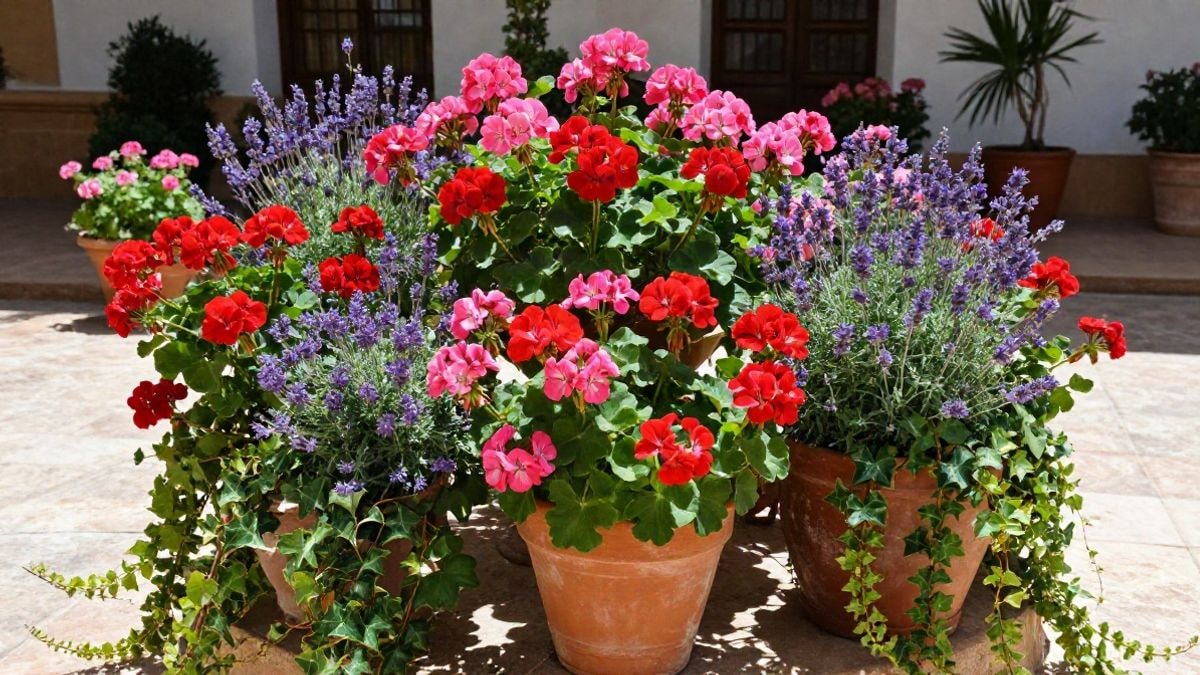
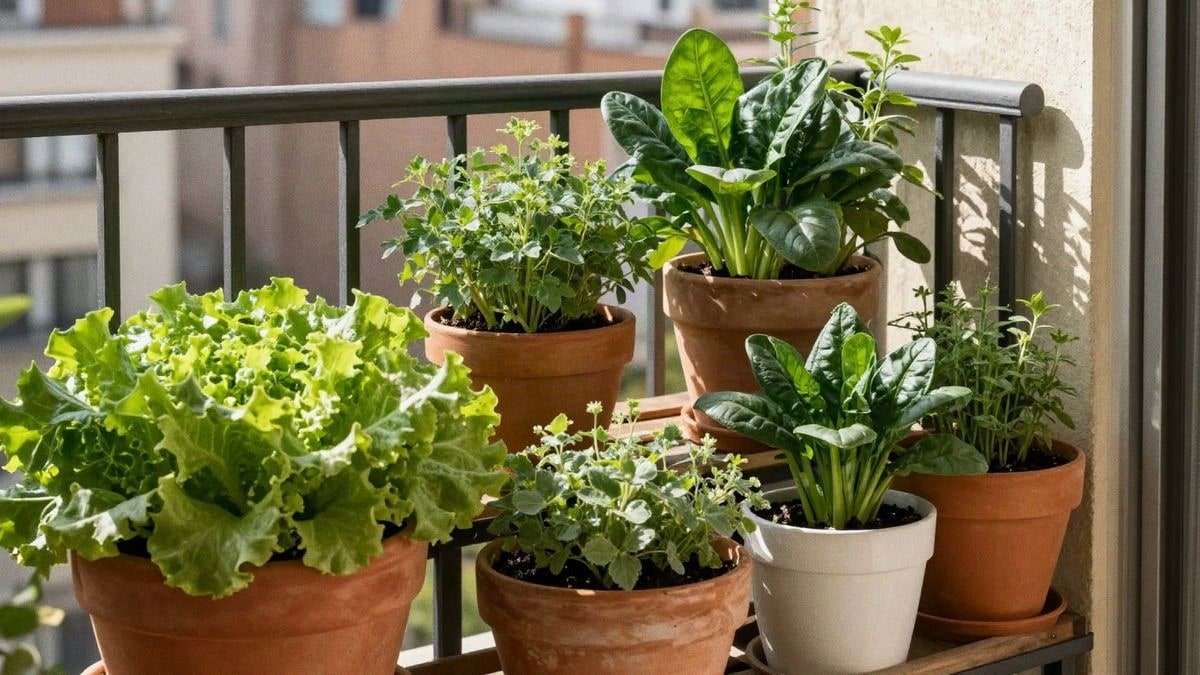
At Casa y Deco, we know that a terrace in the city is pure gold: that refuge between four concrete walls where you can breathe fresh air, have a drink with friends, or simply disconnect from urban noise. But here lies the paradox that all of us living in apartments know: how to make that space cosy and intimate without it turning into a lightless cave. It’s not easy, but it’s not impossible either. We share the keys that we have tried and that work.
The first step is to understand what type of light your terrace gets according to its orientation. If it faces north, you will have filtered light almost all year round. If it faces south, it will receive strong sunlight for hours. And if it’s east or west, expect radical changes throughout the day. Measure how many hours of direct sunlight your space actually receives before making any decisions about plants, awnings, or screens. This information is your compass for choosing each element you install.
Outdoor fabric curtains are our unconditional friends here. We love them because they do several things at once: they filter light without total blackout, create a visual barrier against neighbours, and are surprisingly easy to change according to the season. Opt for a fabric in a natural colour, beige, or light grey: it absorbs less heat than darker colours and allows soft light to pass through. Sliding rail systems are very practical because you can open them when you want sun and close them during peak hours.
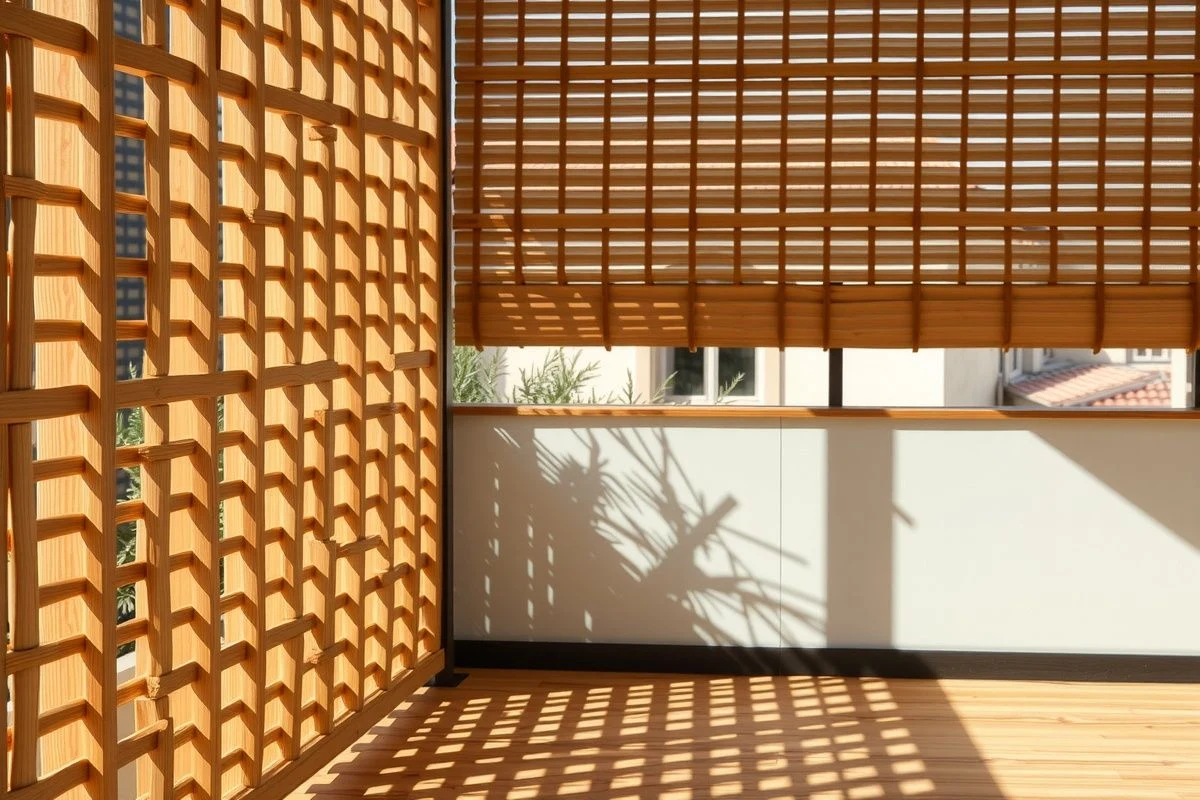
Fixed screens are another extraordinary resource that I confess I didn’t appreciate enough until recently. A panel of light wood or white aluminium creates gradual shade, generates beautiful light patterns on the pavement, and most importantly, allows air to circulate without making you feel like you’re in a cage. Combine screens in areas where you want the most privacy —usually the seating or bed area—and leave it open towards the garden or a good view if you have one.
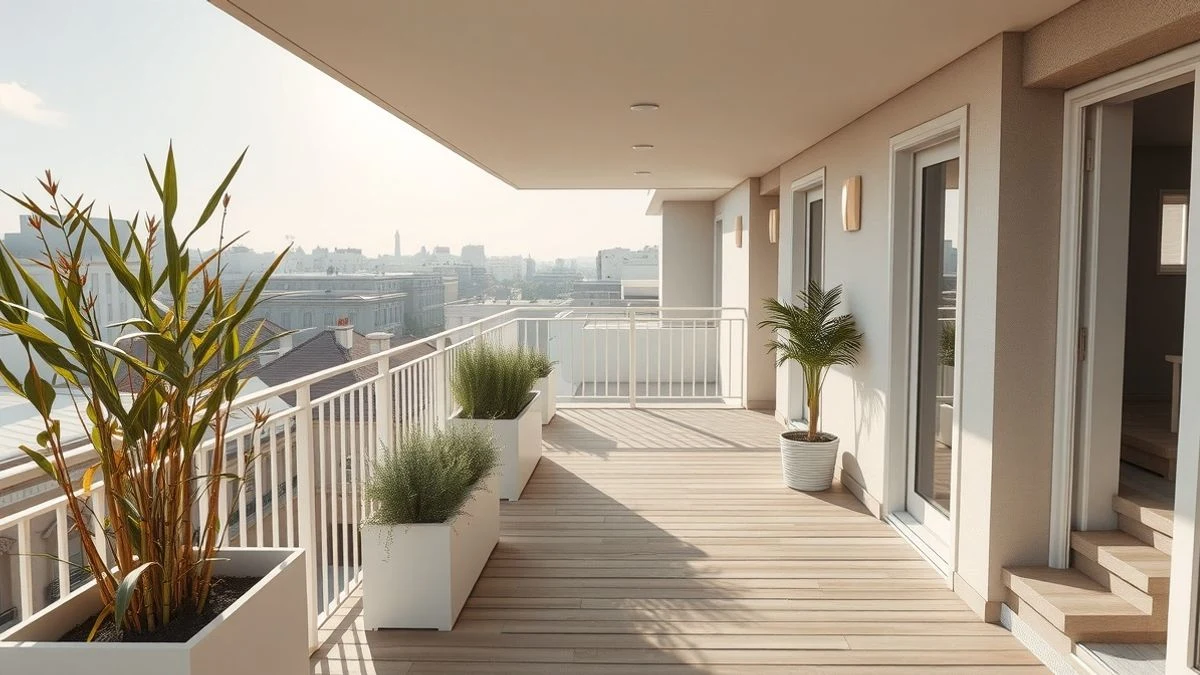
Shrubs and taller plants serve as living decoration that acts as a green wall. We’re not talking about filling everything with pots, but being strategic: place a group of bamboo—certain varieties are dwarf if you don’t have space—against the area where the neighbour is, or fast-growing and dense shrubs like photinia. Just make sure to choose plants that can withstand your terrace’s sun exposure, because dying of thirst while watching the sunset is no fun.
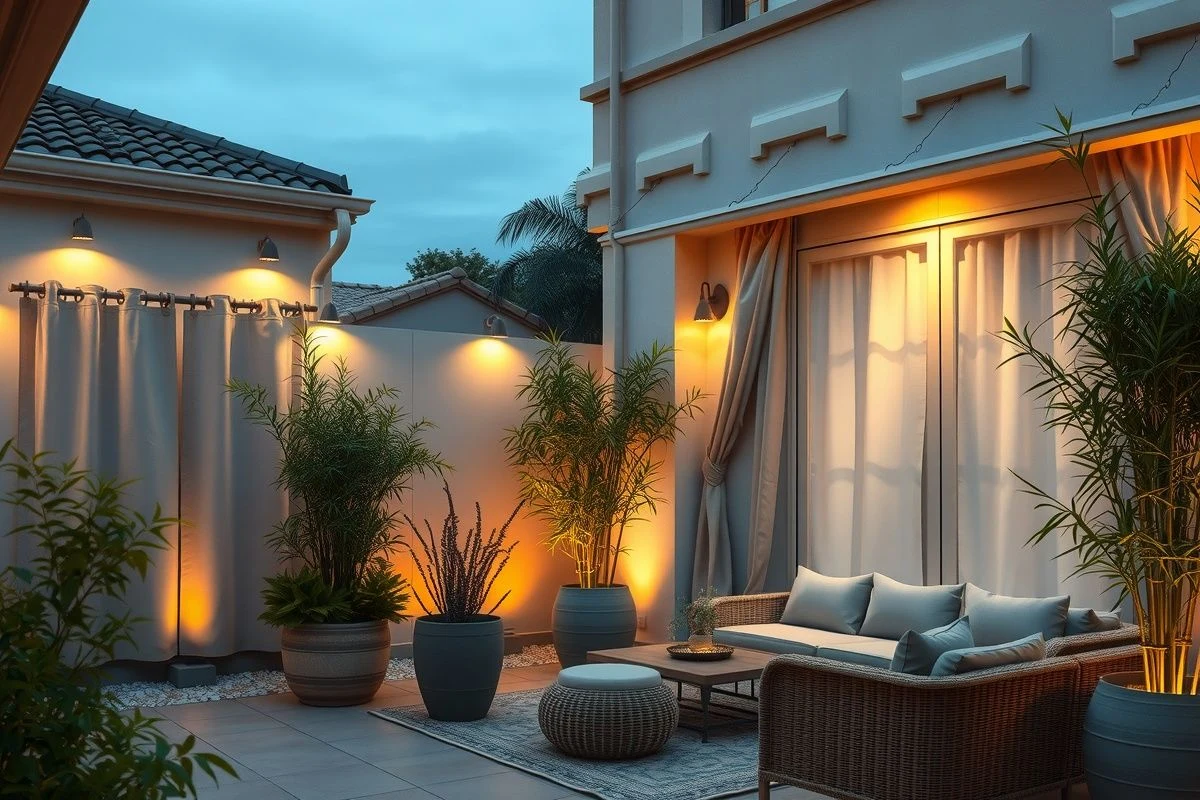
Here comes the trick that works: nighttime lighting completely changes the perception of intimacy. A well-lit terrace at night feels more like your own outdoor room than an exposed balcony. Aim for warm lights embedded in the ground directed towards the plants, discreet wall sconces, or even vintage bulb garlands if your style is more bohemian. The key is that the light is indirect and barely illuminates upwards: this way, it feels cosy and neighbours hardly notice you’re there.
Furniture also plays its part in the feeling of intimacy. A low, wide, and deep sofa or bench creates a kind of nest where you feel wrapped up without needing the terrace to be a bunker. Cushions in grey, soft green, or terracotta tones are your allies: they add warmth without being visible from afar. And yes, the cushions I have on mine are a bit faded after two summers, but they are still infinitely more comfortable than when they arrived.
A semi-transparent screen of bamboo or stretched fabric between columns is an investment in square metres of intimacy. It doesn’t completely block the sun —so diffuse light still comes through—but it blocks uncomfortable views. It’s especially useful if your terrace faces busy streets or adjacent buildings from which you frequently receive glances. Additionally, it visually reduces the feeling of being outdoors, which is sometimes quite appealing.
Mirrors are tempting but must be placed carefully. Yes, they amplify light, but if you place a large mirror facing the side of the terrace you want to hide, you’ll be reflecting exactly what you don’t want to see. Instead, a side or vertical mirror that reflects plants or the sky creates depth without that showcase effect that gives a sense of exposure.
The flooring is more important than it seems. A dark floor absorbs heat and feels more enclosed, while a light one maintains brightness. If you have the option, choose materials like light wood, warm-toned ceramic tiles, or light grey cobblestones. This creates a more neutral visual base that invites you to linger without turning the space into a cave.
I confess that for a long time I overfilled my terrace with plants because I thought that the more there were, the wilder and more private it would feel. The result was a jungle where there was hardly room to sit. It works better with fewer but carefully chosen plants: large pots with structured shrubs, one or two climbing plants to create a green roof, and breathable gaps where you can truly relax. Intimacy is not clutter; it’s strategy.
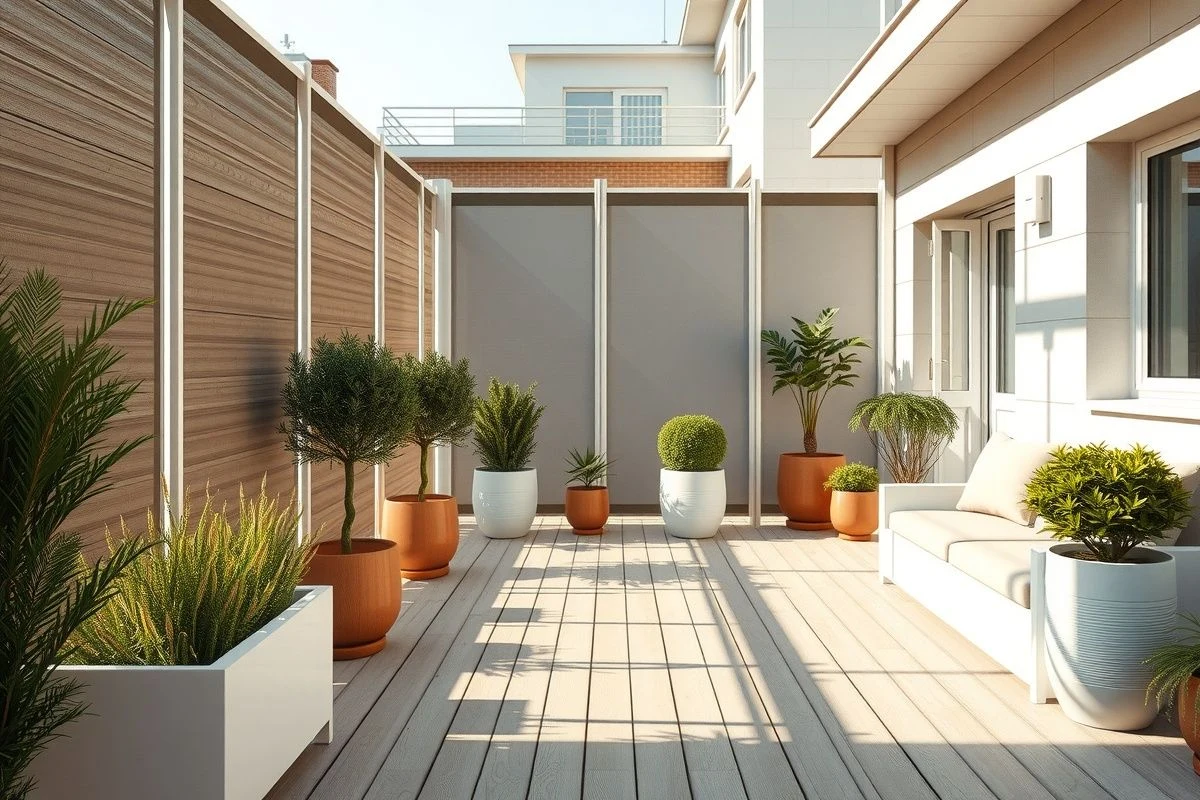
Mobile mesh or semi-rigid plastic panels are super practical if your terrace hasn’t been renovated yet. You can fix them where you want privacy and remove them if you need light. They are economical, versatile, and require no construction. Just choose colours that match your base wall so they don’t look like makeshift patches.
Ventilation is something we cannot forget in the quest for intimacy. The more elements you place to cover, the less air circulates, and a terrace without a breeze is a sauna with a view. Design your layout of enclosures and plants leaving natural air pathways: if you have two accessible sides, ensure one is more open than the other. This way, you achieve intimacy without sacrificing that lightness that makes a terrace livable.
Finally, try changes gradually before investing large amounts of money. Hang a fabric from one end to the other for a week and observe how the light behaves. Place plants in different strategies according to the time of day. This way, you will discover what truly works in your specific context. Because in the end, every urban terrace is a unique puzzle, and the best solution is the one that fits your real light, your budget, and how you want to spend your afternoons.

You may also like