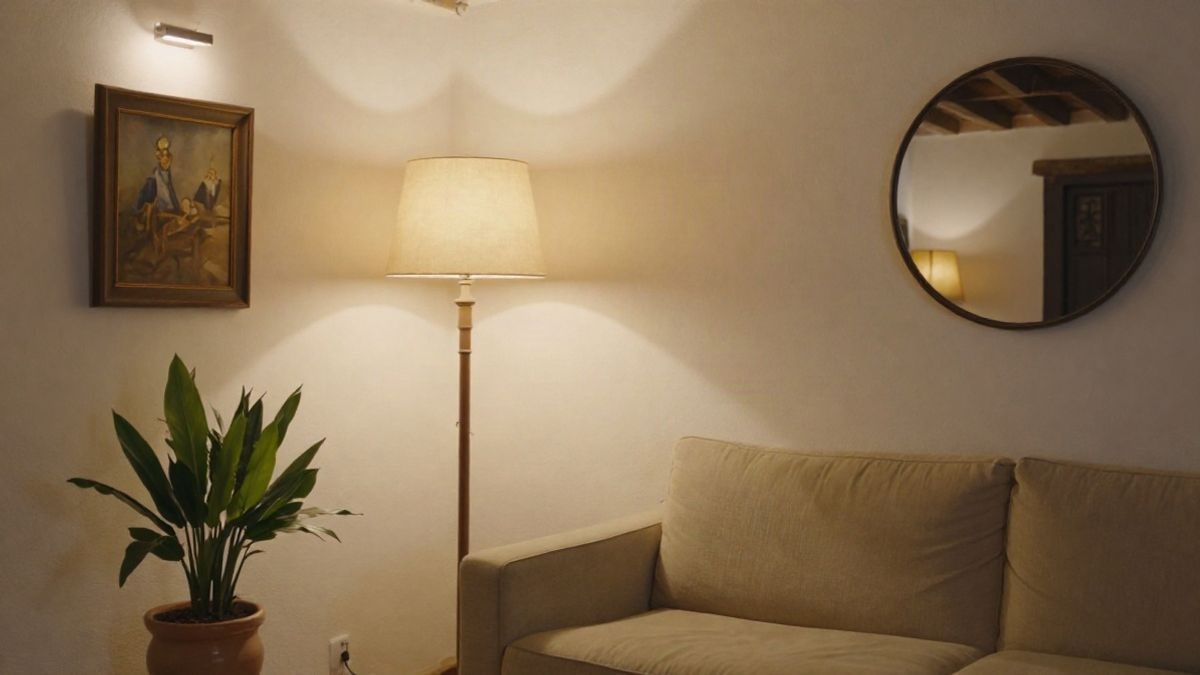
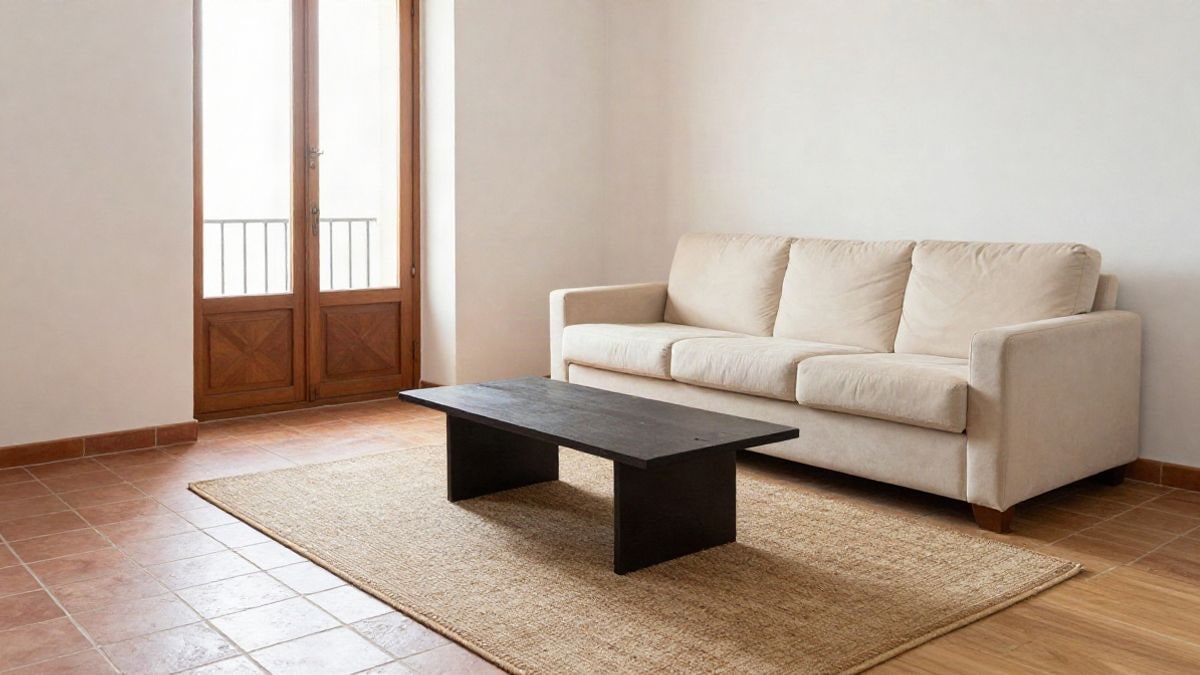
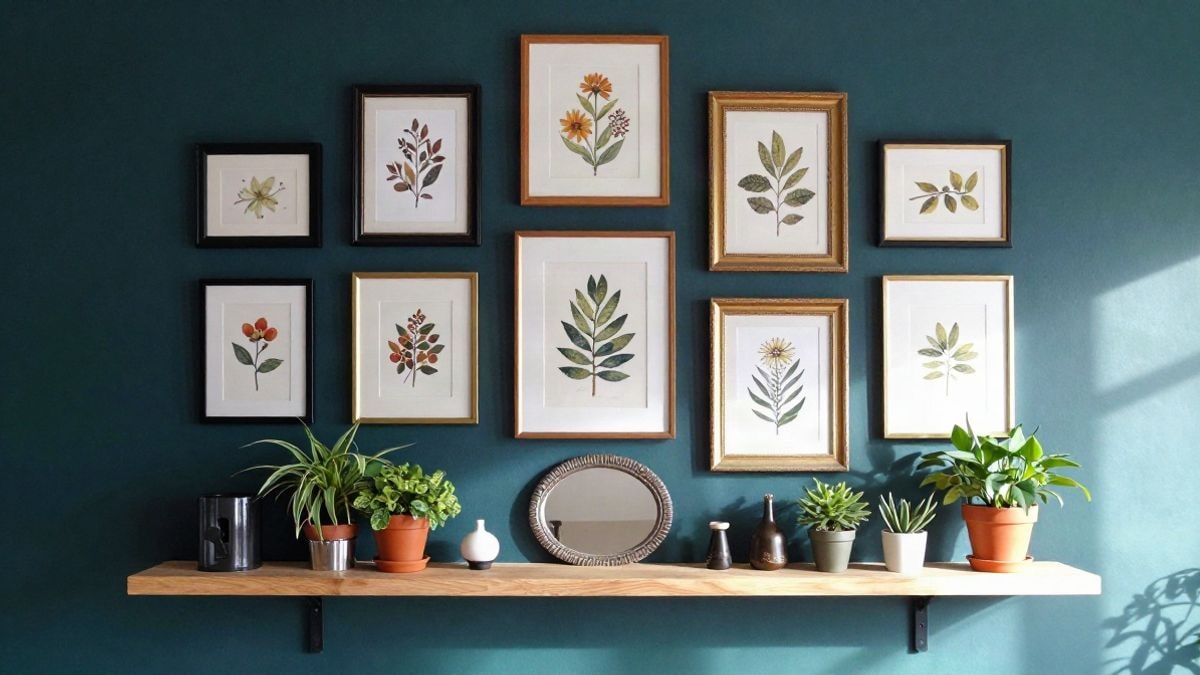
At Casa y Deco, we love that moment when someone tells us their living room is too small for a fireplace. We love it because we know it’s not true. I confess that for years I thought the same, until I saw how people with spaces of just 12 or 15 square meters managed to integrate a fireplace without the living room becoming a claustrophobic corridor. A fireplace is not a luxury only for large houses; it’s a matter of strategy, measurement, and, above all, understanding how the space works.
The first question you should ask yourself is not "Can a fireplace fit?" but "Where should it be so the living room can breathe?" A small living room with a fireplace can work perfectly if you place it on the right wall and arrange the rest of the furniture around it sensibly. This means you probably won’t be able to place the sofa directly in front of the fireplace and leave the other two meters of wall free as you would in a large living room. Here, you have to be smarter.
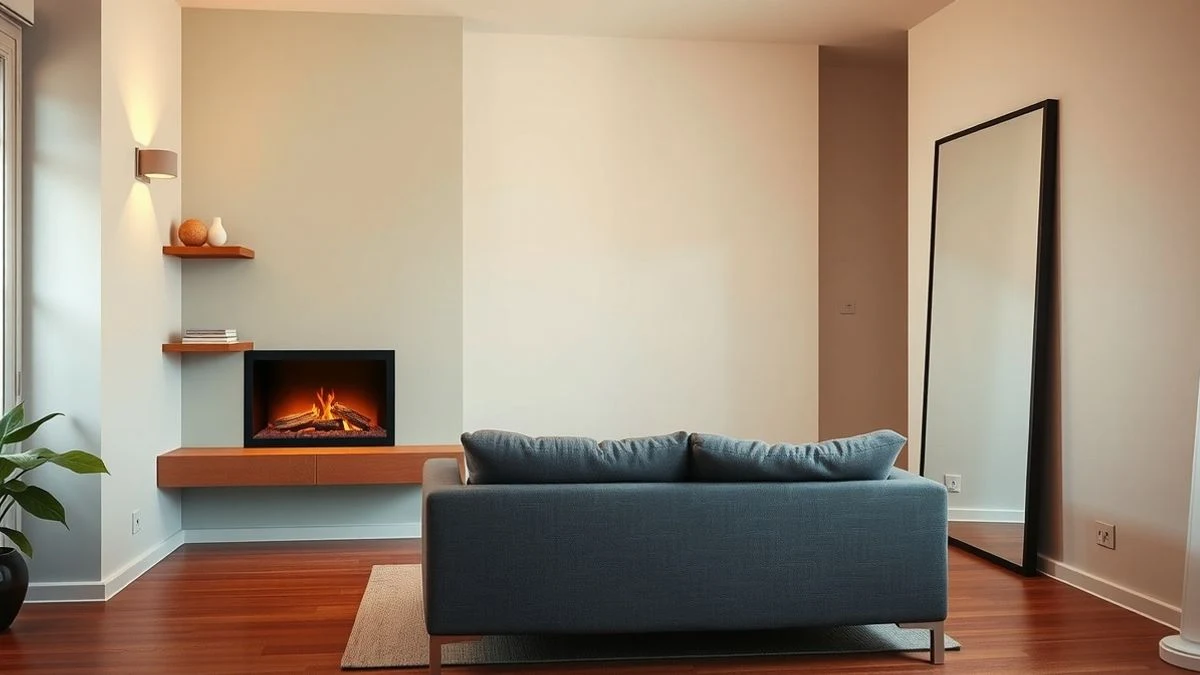
The front wall is your best ally. If your living room is about 3 meters wide, the fireplace should occupy a maximum of 1 meter or 1.2 meters in width. This leaves space on the sides for built-in or floating shelves, elements that do not take up floor space but make use of every centimeter of the wall. These shelves serve a practical storage function and create a visual composition that integrates the fireplace into the whole without it looking like an isolated piece of furniture.
One of the most common mistakes we see is placing the fireplace too high or too low, which visually throws off the entire living room. The ideal height for the eye of the fire is between 60 and 80 centimeters from the floor. If you raise the fireplace higher, the living room feels empty at the bottom; if you lower it too much, people have to tilt their heads to see it comfortably. In small spaces, this measurement is even more critical because every visual decision weighs twice as much.
The colour of the fireplace wall sets the tone for the entire living room. This is where many make the second big mistake: painting the fireplace wall in overly dark or striking colours thinking it will stand out more. In reality, in a small living room, this takes away visual space. We prefer neutral tones with depth: a warm grey, a beige with earthy undertones, or even an off-white that captures light. These colours make the fireplace the star without making it seem like the walls are closing in on you.
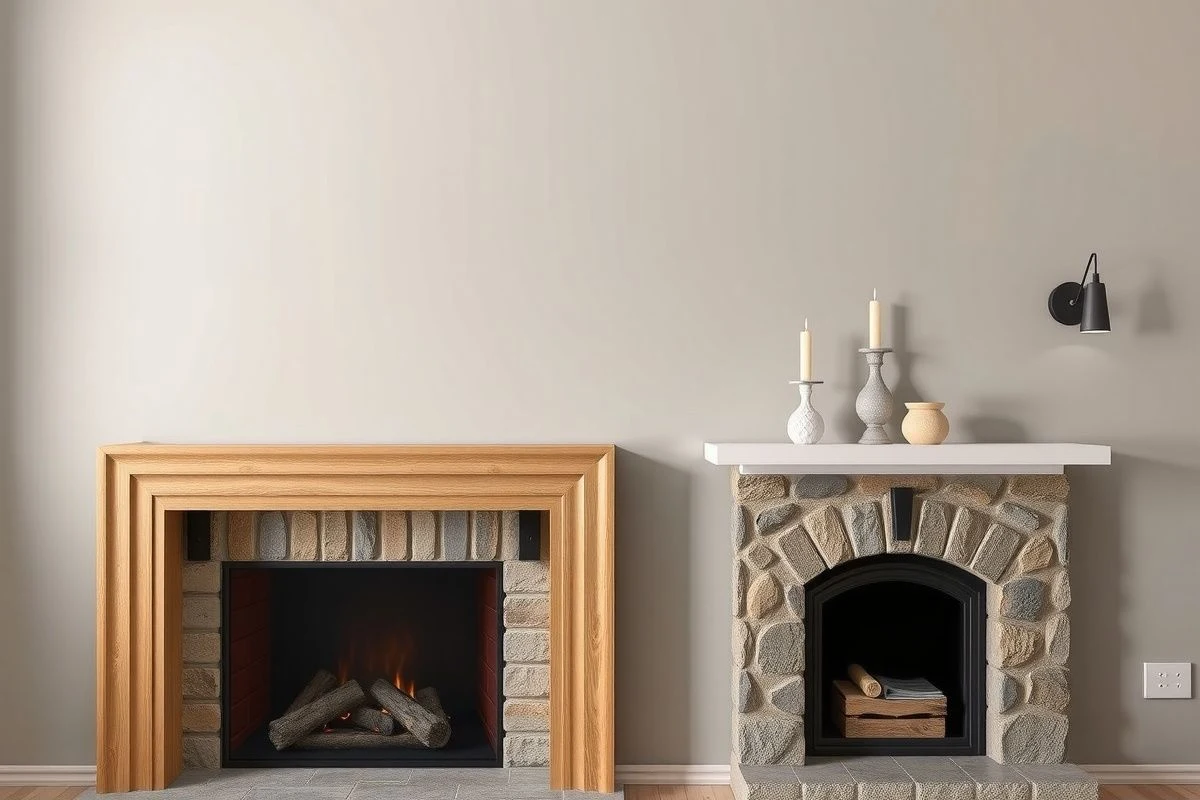
I confess this trick saved a friend’s living room: using the same colour for the fireplace frame as part of the wall. If you have a fireplace with a stone or brick frame, visually extend that colour upwards or sideways gradually or through a decorative strip. It doesn’t close off the fireplace; it expands it. It’s subtle, but it works.
Lighting is your second best ally. In a small living room with a fireplace, you need multiple lights: the fireplace itself provides warmth, but during the day it’s not enough. Add a built-in or floating wall lamp on each side of the fireplace (about 40 centimeters above the frame), and incorporate indirect light points in the ceiling or behind shelves. This multiplies the sense of depth without cluttering the space with floor lamps that take up room.
The mirror is an old trick, but it’s worth every penny you spend on it. Place a large vertical mirror on the wall opposite the fireplace, preferably with a light frame or none at all. It doesn’t need to be huge: a mirror of 80 by 120 centimeters already reflects light and makes the living room appear 30 percent deeper. That’s more effective than moving the sofa around.
The sofa should be compact but not uncomfortable. Here comes the tricky part: a two or two-and-a-half seat sofa (maximum 200 centimeters) is ideal. Don’t place it directly in front of the fireplace if that consumes the only circulation aisle. Instead, create an L-shaped or diagonal configuration: sofa perpendicular to the fireplace, or slightly angled towards it. This allows for greater freedom of movement and the living room doesn’t feel cramped.
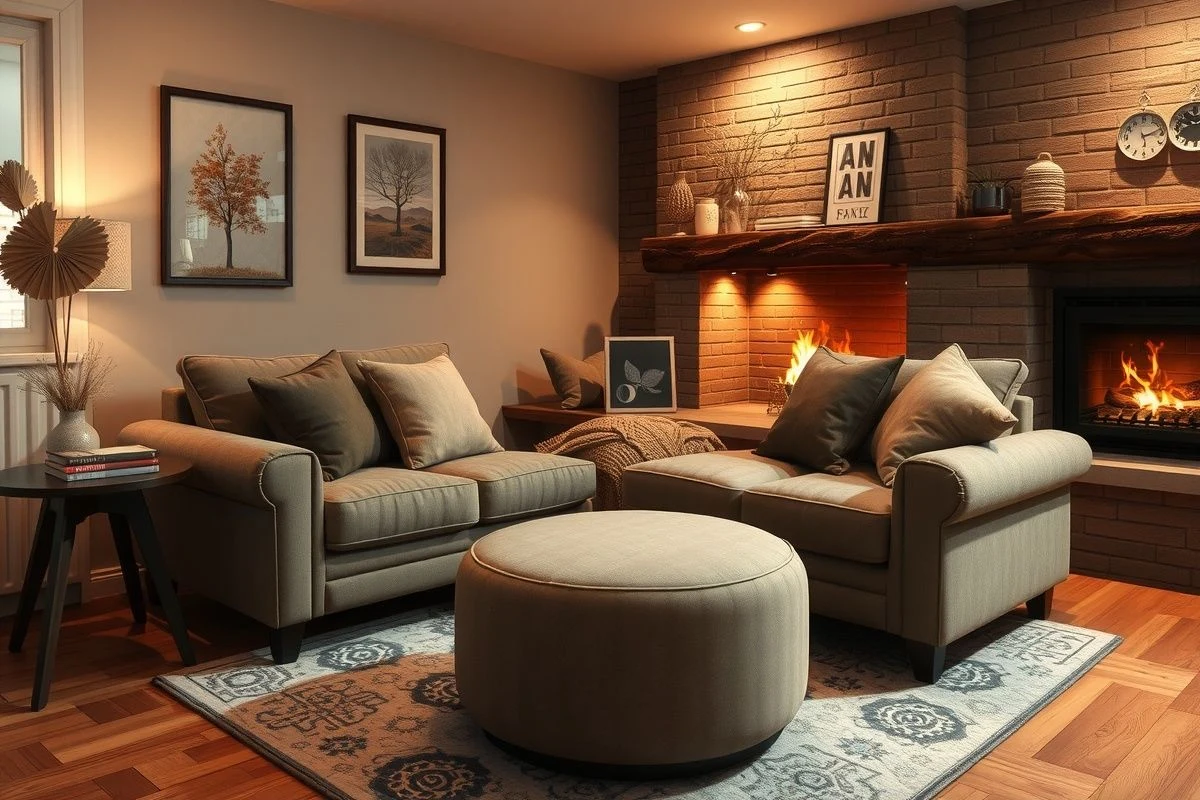
Poufs and low benches are your silent allies in small living rooms. They replace bulky coffee tables and allow for flexibility. You can easily move them, they serve as extra seating, and visually they don’t break the line of sight like a rigid rectangle. If you need space for coffee, choose a round or hexagonal table of less than 60 centimeters in diameter, which rotates better and occupies less psychological volume.
Temperature is an underestimated factor. An open fireplace generates heat, which in a small living room can be excessive. If possible, opt for bioethanol fireplaces or gas inserts, which provide controllable warmth and real flames without the wild heat of a traditional open fireplace. This also allows you to use it without fear during the summer, or simply for the visual flame without heating.
Accessories and decor should be minimalist. This doesn’t mean cold, but intentional. A couple of candlesticks, cushions in warm tones, perhaps a small piece of art above the fireplace. Each object should have a reason for being. In small living rooms, visual clutter is enemy number one. Every element adds visual noise, so each must contribute something real to the space.
Curtains are more important than you think. Use lightweight fabric curtains that reach the floor, from ceiling to bottom. This visually stretches the wall where the window is, creating an illusion of greater height. Avoid heavily patterned fabrics; opt for textures or solid colours that match the rest of the palette. Light curtains also allow natural light to flow in without visual interruptions.
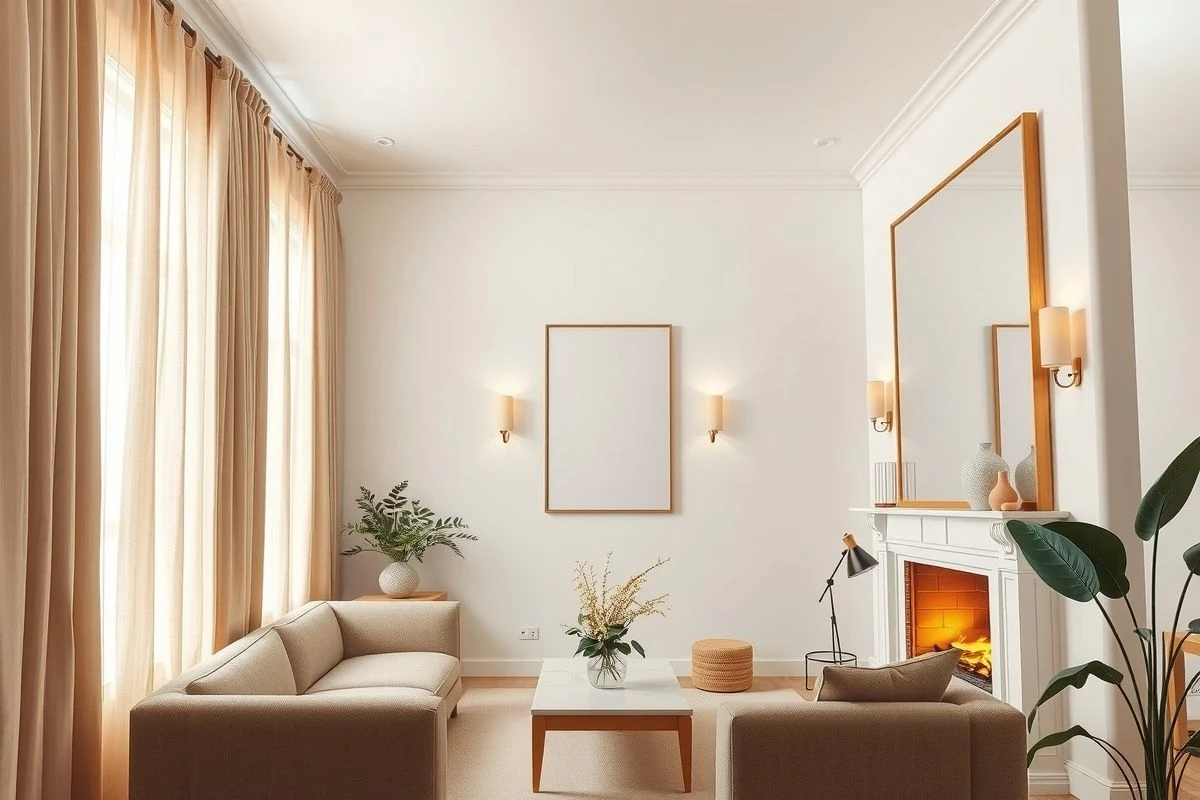
At Casa y Deco, we believe that small living rooms with fireplaces work best when you accept it as a focal point from the start and organise everything else around it with humility. Don’t try to create a living room that acts like five different rooms; let it be what it is: a cosy, warm space where the fireplace is the heart, not an intruder. This requires compromises, but the result is a living room where you really want to spend time, and that is priceless.

You may also like