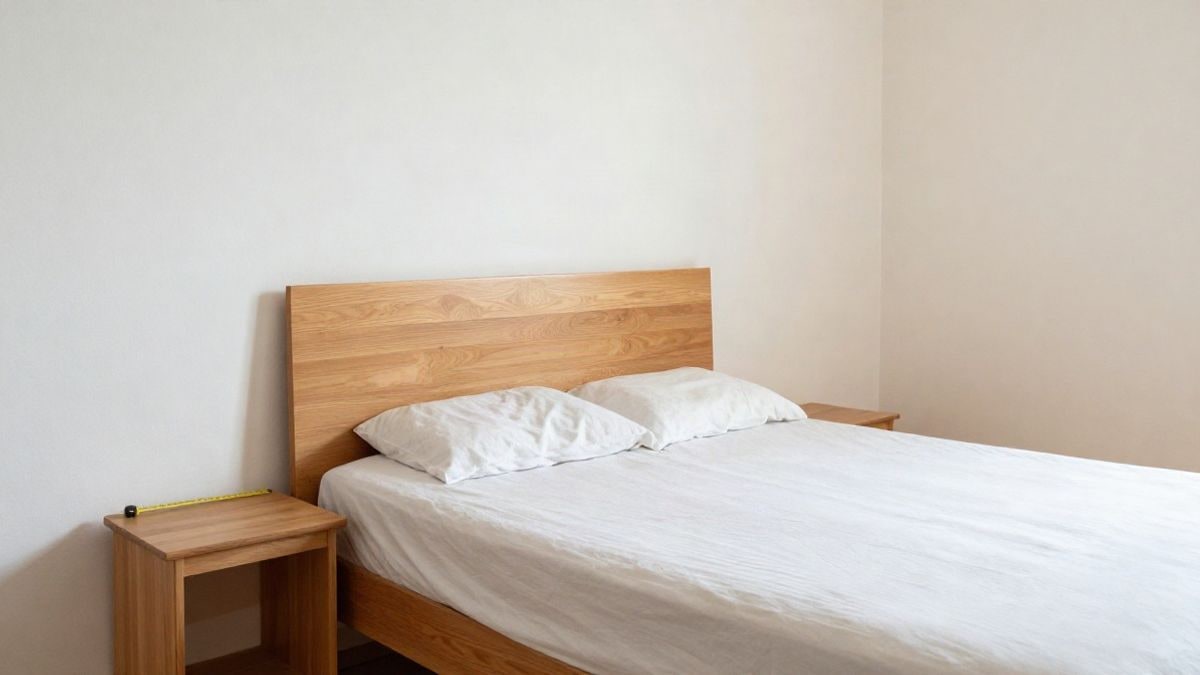
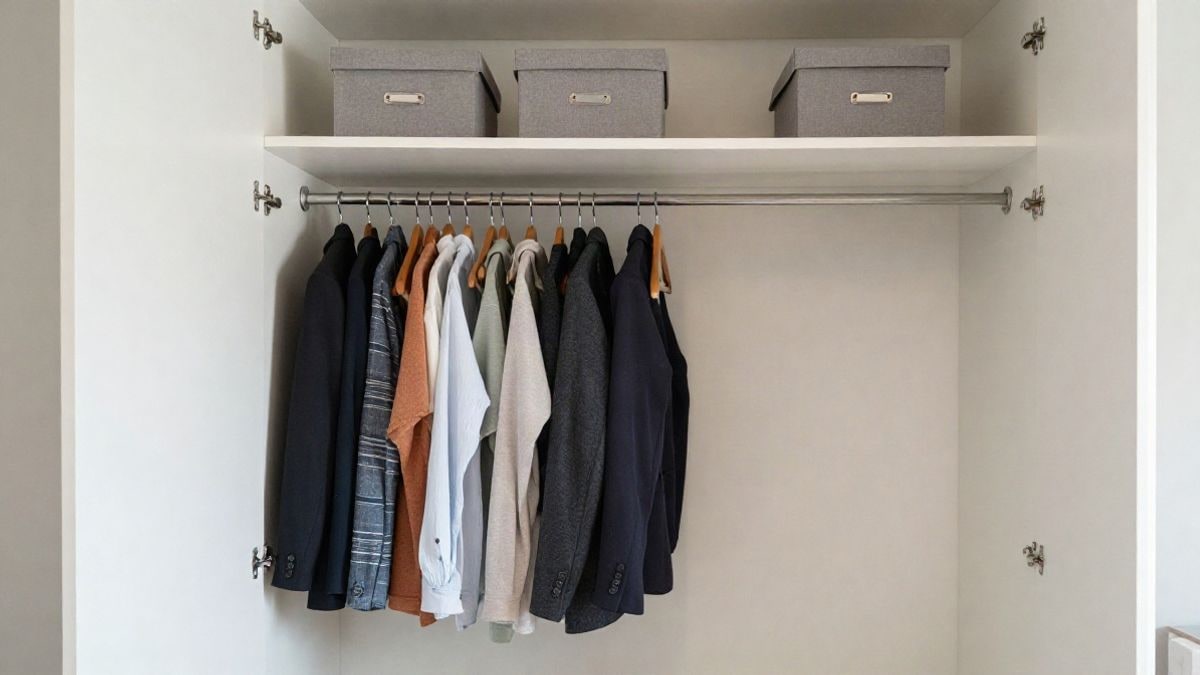
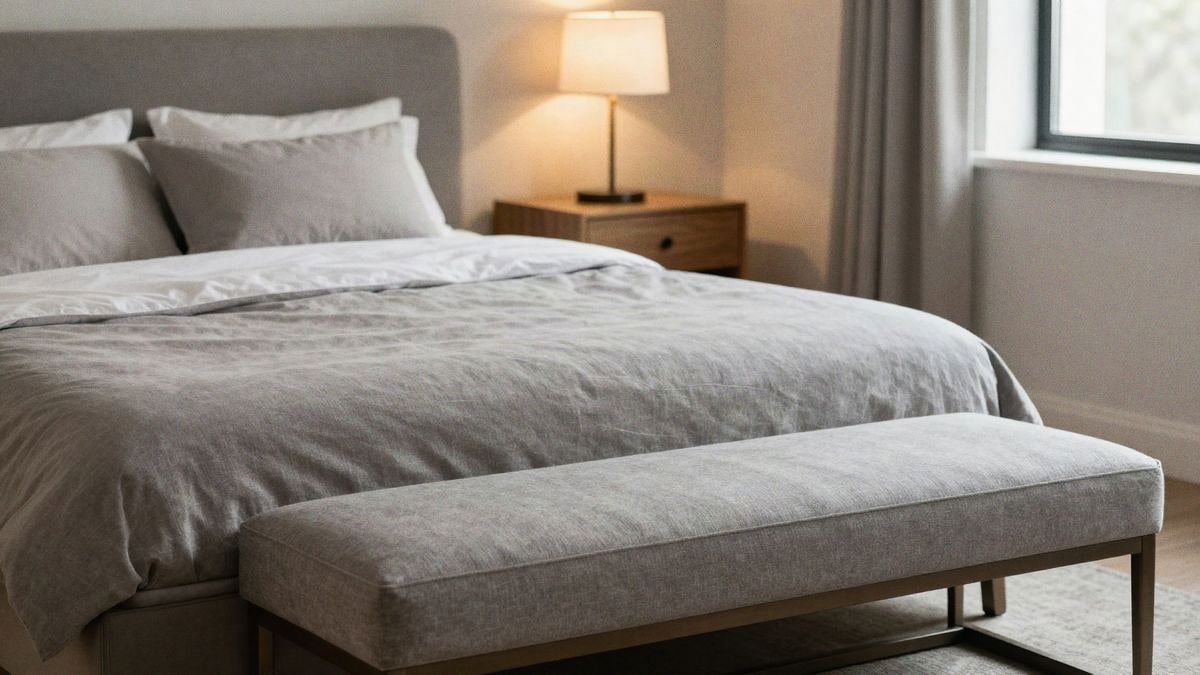
At Casa y Deco, we love that moment when you lie down on the bed after a long day and discover that the sheets are freshly washed, smell clean, and have that perfect softness. But here comes the question that many dare not ask: how many sets of bedding do you really need? It’s not a trivial matter. The answer is not the same for someone living alone, for a family with children, or for someone who simply wants to have options. I confess that I spent years buying sets of sheets without any real criteria, until one day I looked at my wardrobe and thought: this is unnecessary chaos.
The reality is that there is no single magic number. It all depends on your laundry routine, the size of your family, the space available in your home, and, honestly, how much it bothers you to have wet sheets drying on the line. That said, there is a sensible range that works for most: between two and four sets of sheets per bed is the perfect balance. This allows you to have clean ones while others are being washed, and you don’t end up with a wardrobe that looks like a bedding store.
The Minimum Viable: Two Sets
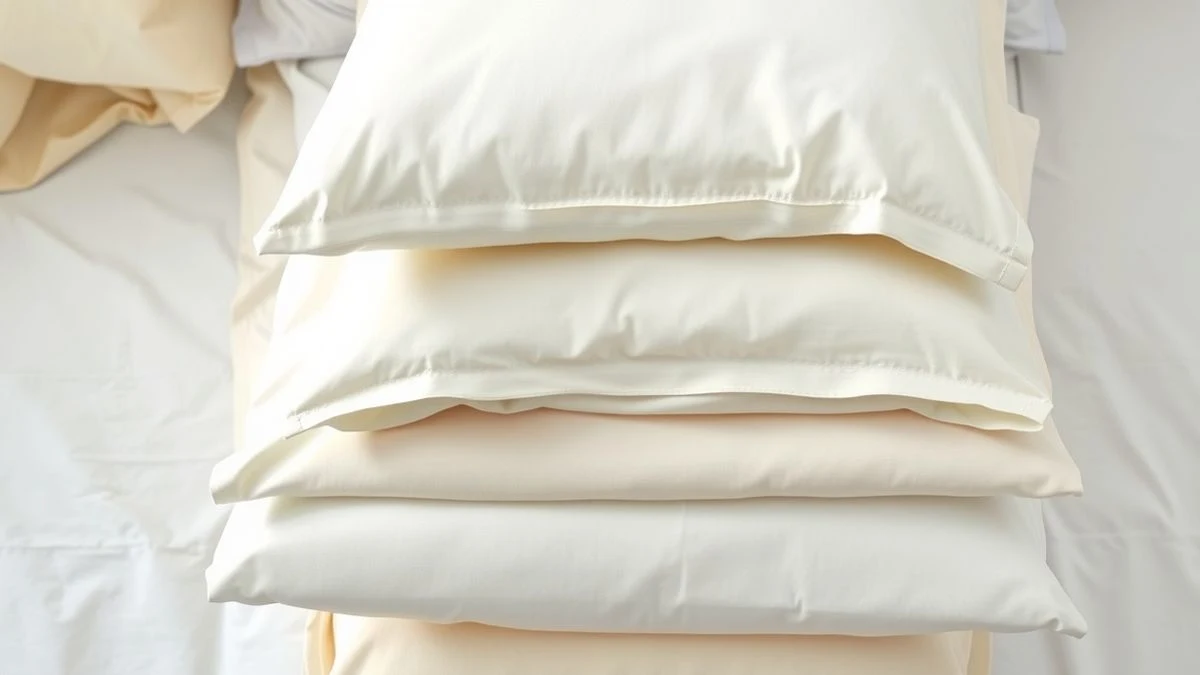
If you have a relatively quiet life and do laundry every week, two sets of sheets per bed is functional. You change the sheets on Sunday, wash them, and have them dry for the next Sunday. While you use one set, the other rests clean. The only downside: if you have an accident (spills, stains, those days...) and one of the sets needs an urgent wash and special treatment, you’ll be left with just one. It’s not the most comfortable, but it’s manageable.
This system works best in small apartments where storage space is limited and you prefer to have just what you need. It’s also ideal if you travel frequently and spend little time at home. I confess that friends of mine with this system swear it’s the best: there’s no dilemma about which sheets to use because the options are limited and clear.
The Ideal: Three Sets
This is where most of us find peace of mind. Three sets of sheets mean you always have one clean waiting, another in use, and another in the laundry basket or drying. With weekly washes, this leaves you without moments of panic. Plus, if you accidentally need to wash something urgently, you still have options.
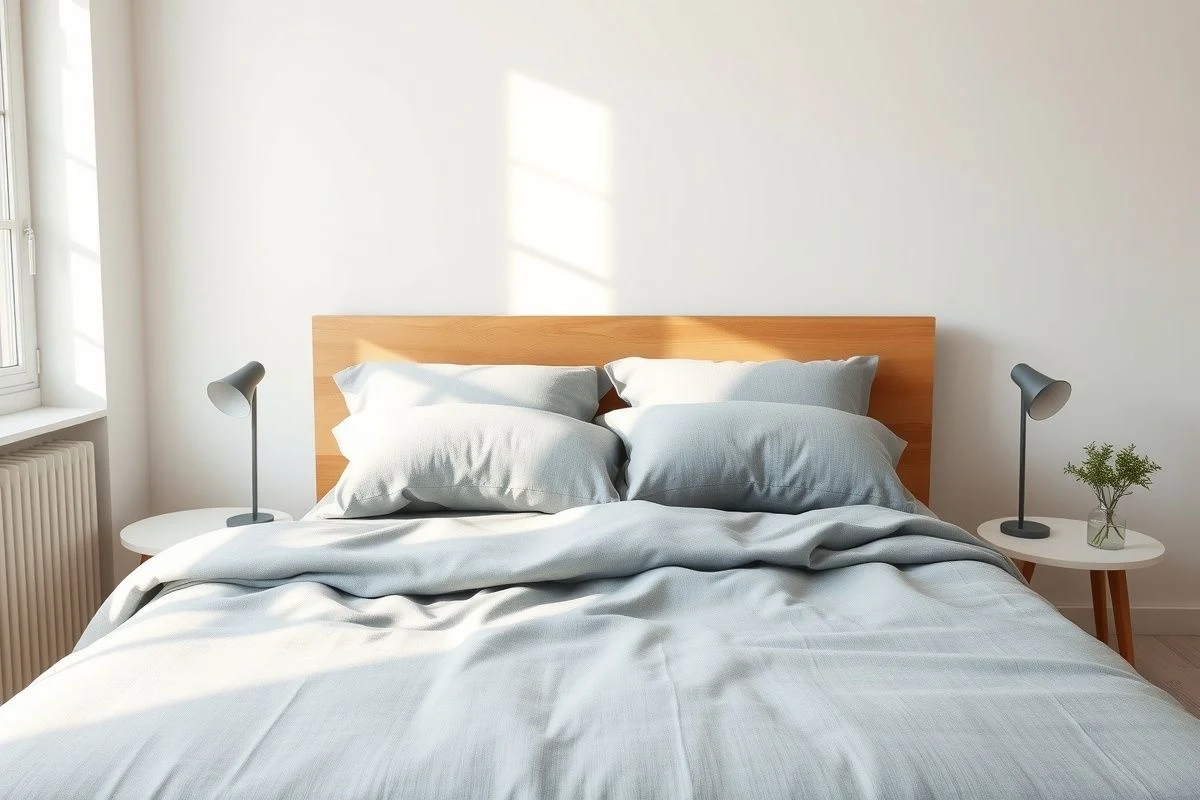
This number has another invisible benefit: it allows you to rotate the sets, preventing some from wearing out more than others. If you always wash the same two, that third one keeps its colour and softness intact for longer. It’s a small investment that extends the life of your textiles. Three sets per bed is what we recommend at Casa y Deco for most people, especially if you have a family of four or more.
The ideal distribution is as follows: vary the colours or patterns so that each day feels a little different. Many people choose two more neutral sets and one with more personality or colour. This way, you cover the functional aspect and also have space for that lovely patterned bedding you found that makes you smile.
For Large Families or If You Wash Less Frequently
If you live with several people, have young children, or wash laundry every two weeks (or less frequently), four sets per bed starts to make real sense. With kids, accidents, chocolate stains, and juice spills are practically guaranteed. An extra clean set is peace of mind for little money.
Moreover, if you wash every two weeks, the cycle is longer: you use one, then another, then another, and the fourth is in the wardrobe waiting. With four, you never find yourself in the uncomfortable position of needing to wash when there are only two hours left before bed. The space taken up in the wardrobe remains manageable, especially if you fold the sets correctly.
What About Shapes and Sizes?
Before you go shopping, make sure you know what size sheets you need. The standard measurements in Spain are: 105x190 cm (90 bed), 135x190 cm (135 bed), 150x190 cm (150 bed), and 180x200 cm (180 bed). A common mistake is not reading the label properly and ending up with sheets that don’t fit. Trust me, discovering this after the first wash is frustrating.
If you have two beds of different sizes at home, this complicates your inventory. You will need specific sets for each one. It’s another factor that increases the total number of sets. That’s why many people choose to harmonise the sizes of the beds at home if possible: it makes life much easier, especially if you have guests and need emergency bedding.
Materials and Durability
This is where quality matters. A good quality cotton sheet lasts for years; a cheap polyester one wears out in months. If you buy low-quality sets, you’ll end up replacing them constantly, so your number of sets increases without you really planning for it.
100% cotton or cotton-polyester blends (60-40) are safe and durable. Linen sheets are excellent but more expensive. My personal recommendation: invest in three or four sets of medium-high quality that last, rather than eight cheap sets that pill after three washes. It’s more economical in the long run and better for your sheets and your bedroom.
Moreover, higher quality fabrics age better: over the years they become even softer. It’s like bedding that gets better with time, and that’s a luxury worth having.
Organisation and Storage
Once you decide how many sets you have, you need a plan for storing them. A complete set typically includes two pillows and a fitted sheet, or sometimes just a fitted sheet and a top sheet. Some include a pillowcase, others do not. Read carefully what each set contains before buying.
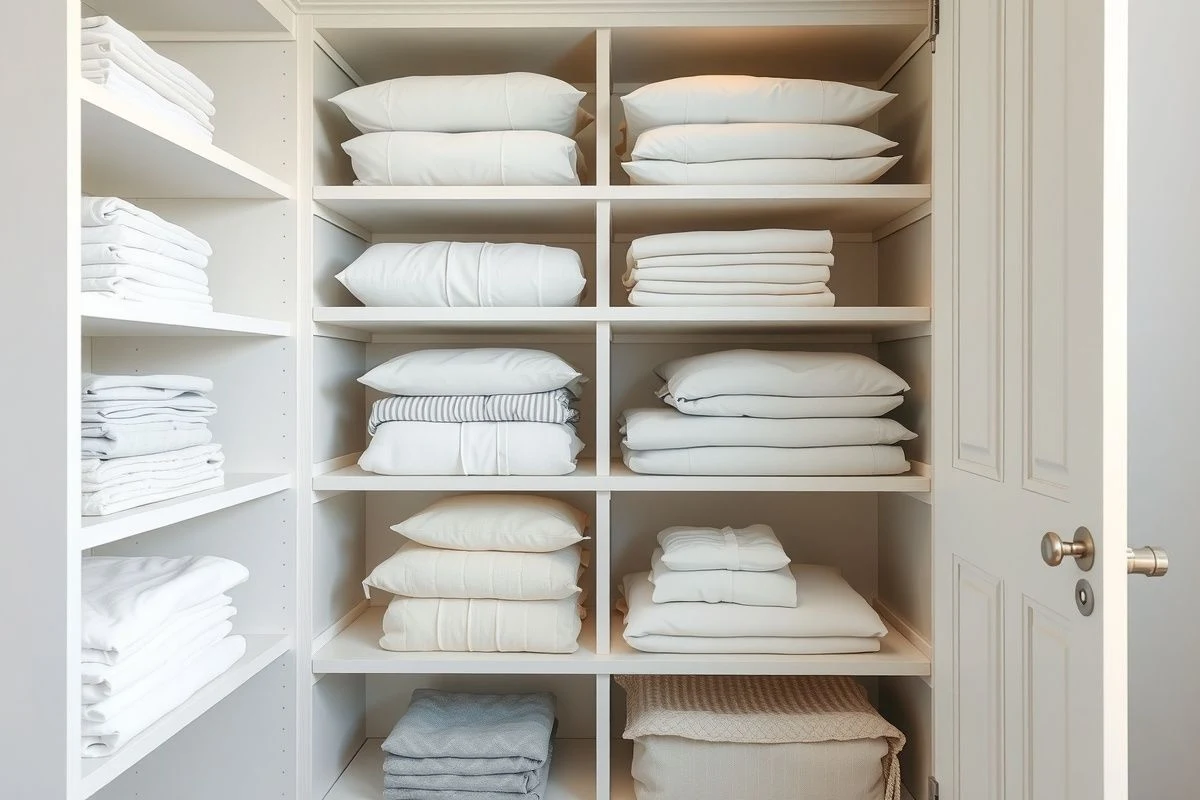
The best way is to store each complete set together: put the pillows inside the top sheet, fold it, and store it in an accessible area of the wardrobe. Some use fabric boxes or storage bags, which is practical if your wardrobe is small. This way, you find the sets without messing everything up, and also, the textiles breathe within the storage, avoiding moisture and unpleasant smells.
A tip I learned: if you store a clean set with a lavender sachet or absorbent paper, the aroma is a luxury when you unfold it on the bed. Small details that make a big difference.
The Emotional Factor and Sustainability
Beyond the practical, there’s the ethical question: do I really need eight sets of sheets? The answer is probably no. The trend towards sustainability should also reach bedding. Having too many sets means washing more frequently due to unnecessary washes, wasting more water and energy. Committing to three or four good quality sets is a more conscious decision than having ten mediocre sets.
Moreover, sleeping on sheets that you love, that you touch and care for is an act of self-care. It doesn’t have to be expensive, but it should be intentional. Choose colours and textures that truly make you happy, not just to fill a wardrobe.

You may also like