At Casa y Deco, we love solving those seemingly impossible decor dilemmas, and if there's one thing that often disrupts the harmony of a well-thought-out living room, it's a radiator that screams, "Here I am, I'm functional and ugly." I confess that for years I saw radiators as inevitable enemies, those elements you had to hide or accept, but the truth is that today there are such beautiful options that some radiators become architectural details that function as design accessories.
The key is to understand that a radiator doesn't have to look like a traditional radiator. There are solutions that combine efficient heating with impeccable aesthetics: from flat panels that look like abstract art to vertical structures that function as functional sculptures. The best part is that you don't need astronomical budgets or complicated renovations; many options adapt to existing radiators or are installed as easily as conventional ones.
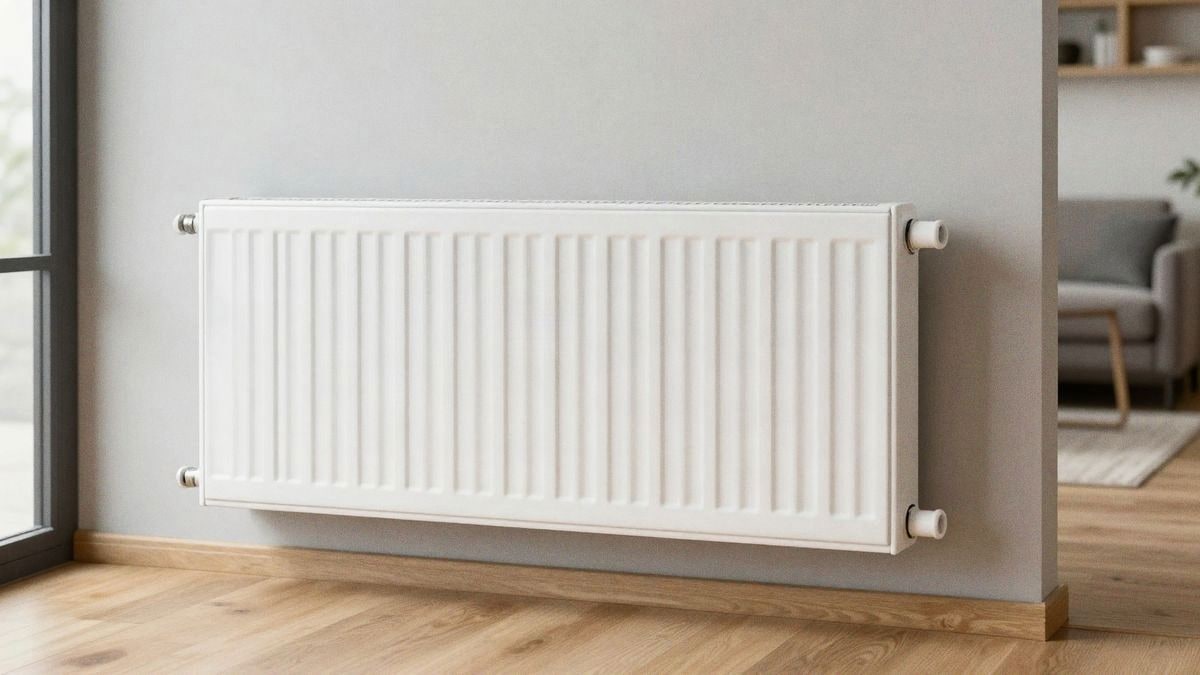
The first step is to accept that the radiator can be a protagonist instead of an enemy. Some of the most beautiful radiators we've seen lately look like contemporary art installations: horizontal bands of lacquered steel, geometric structures that resemble sculptures suspended on the wall, or even decorative frames that outline the wall as if it were a canvas. The difference lies in choosing a model that has presence without being visually noisy.
If you have a modern and minimalist space, flat radiators in white or anthracite grey almost blend in with the wall. At Casa y Deco, we often recommend them for bedrooms and Nordic living rooms because they maintain that sense of calm and cleanliness that characterises these styles. A panel radiator measuring 1 meter wide by 60 centimeters high occupies exactly the same space as a large painting, but serves an extra function. This saved my bedroom when I refused to place a traditional radiator on the headboard wall.
For those who prefer something bolder, tall and narrow vertical radiators are a revelation. They take up little horizontal space but create an interesting vertical line that can function as an architectural element. Some come in matte, glossy finishes or even textures reminiscent of concrete or brushed brass. The trick is to choose the colour based on your palette: a chocolate brown radiator alongside warm wooden furniture, or a pearl grey in cooler spaces creates total coherence.
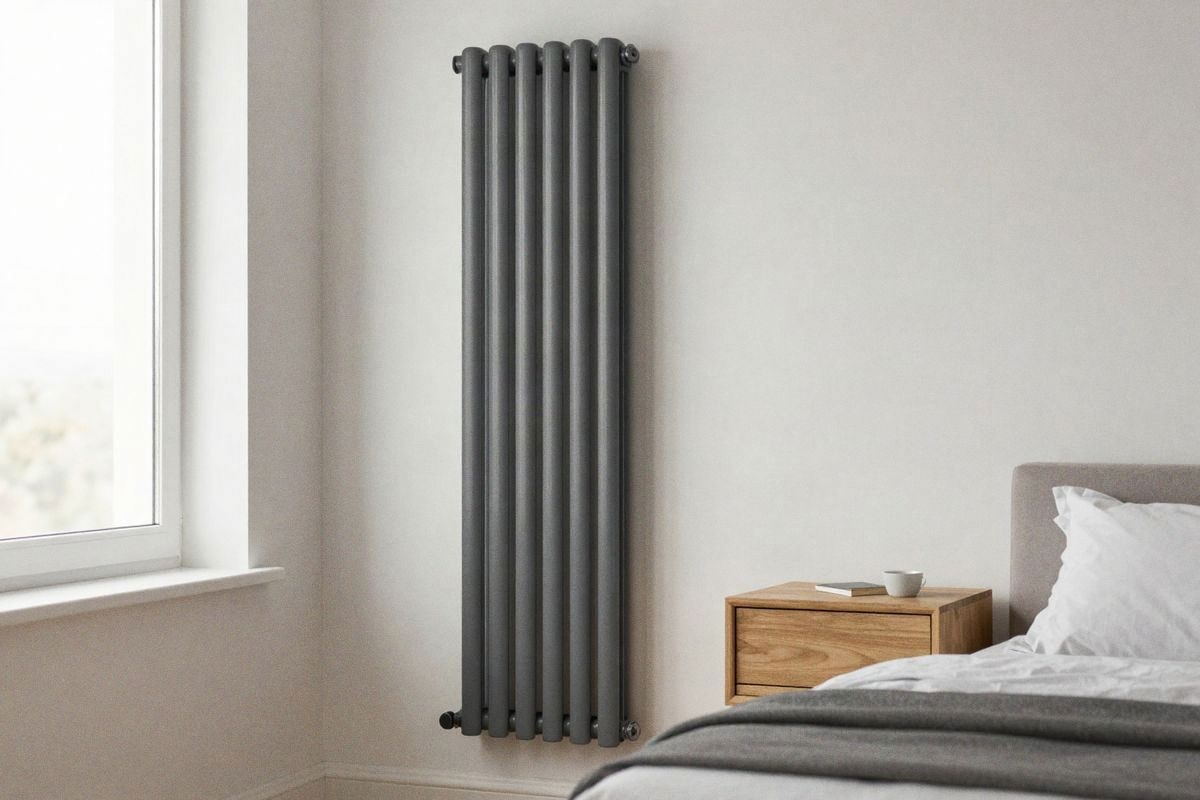
We are not convinced by radiators hidden behind generic wooden panels: they often appear lacking in intention and take up more space. If you are going to invest in a decorative radiator, let it be seen, let it be deliberate. It works better when it is part of the visual strategy of the room. Imagine a raw white radiator with a gallery of black and white photographs around it: it becomes part of the whole.
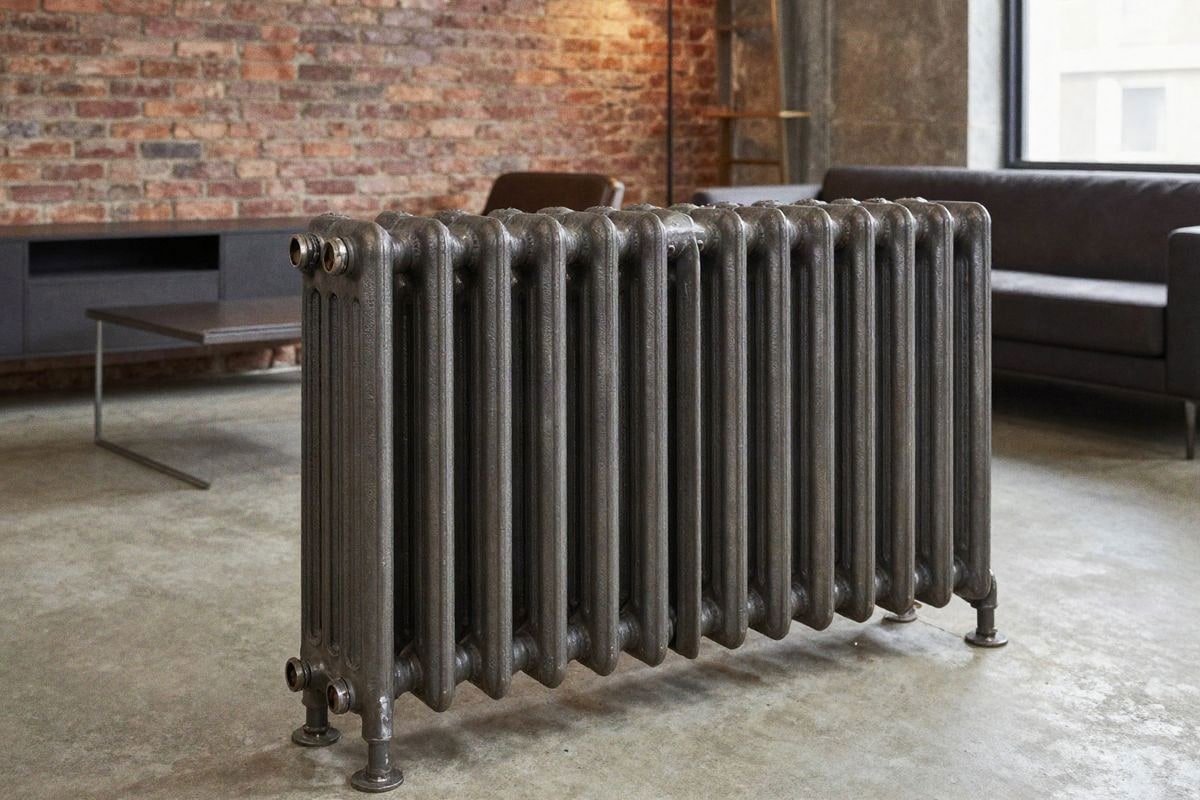
For rooms with an industrial style, there are radiators that resemble vintage pipe pieces, with finishes in oxidised iron or exposed steel. If your bedroom has exposed brick walls or metal furniture, an industrial-style radiator feels like part of the architecture of the space, not an intruder. The width usually ranges from 50-80 centimeters, a perfect measure to occupy exactly the space you need without dominating the wall.
Radiators with organic shapes and curved silhouettes offer a third path for those who want something different. Some models mimic wave shapes, trees, or complex geometric structures that function as kinetic art when in operation. If you have a generously budgeted living room and want to make a design statement, these radiators are your ally.
The installation height is crucial: a radiator that is too low disappears behind the sofa or bed, while one at 1.2 meters or more creates a horizontal line that visually delineates the space. In a living room, place the radiator at eye level when standing; in a bedroom, ensure it is visible from the bed. Radiators less than 60 centimeters high work well under windows, mimicking the role that classic radiators used to fulfill but with much more elegance.
Colour is the secret weapon. Choose a radiator that complements your palette but breathes: if your walls are white and the furniture is warm-toned, a ochre or terracotta radiator connects with that warmth. If the style is more contemporary, a graphite or matte black radiator on a neutral-coloured wall acts as a visual anchor. I confess I hesitated a lot before painting a radiator in oil blue in my reading room, but now it’s impossible to imagine the space without that detail.
There are radiators that come ready to paint, giving you total freedom to adapt them to your existing decor. A radiator painted in the same palette as the wall becomes almost invisible, perfect if you want the space to breathe without distractions. Others prefer to contrast: a snow-white radiator on a smoke-grey wall, or a champagne gold on a cream wall. The matte finish is usually more sophisticated than the glossy one.
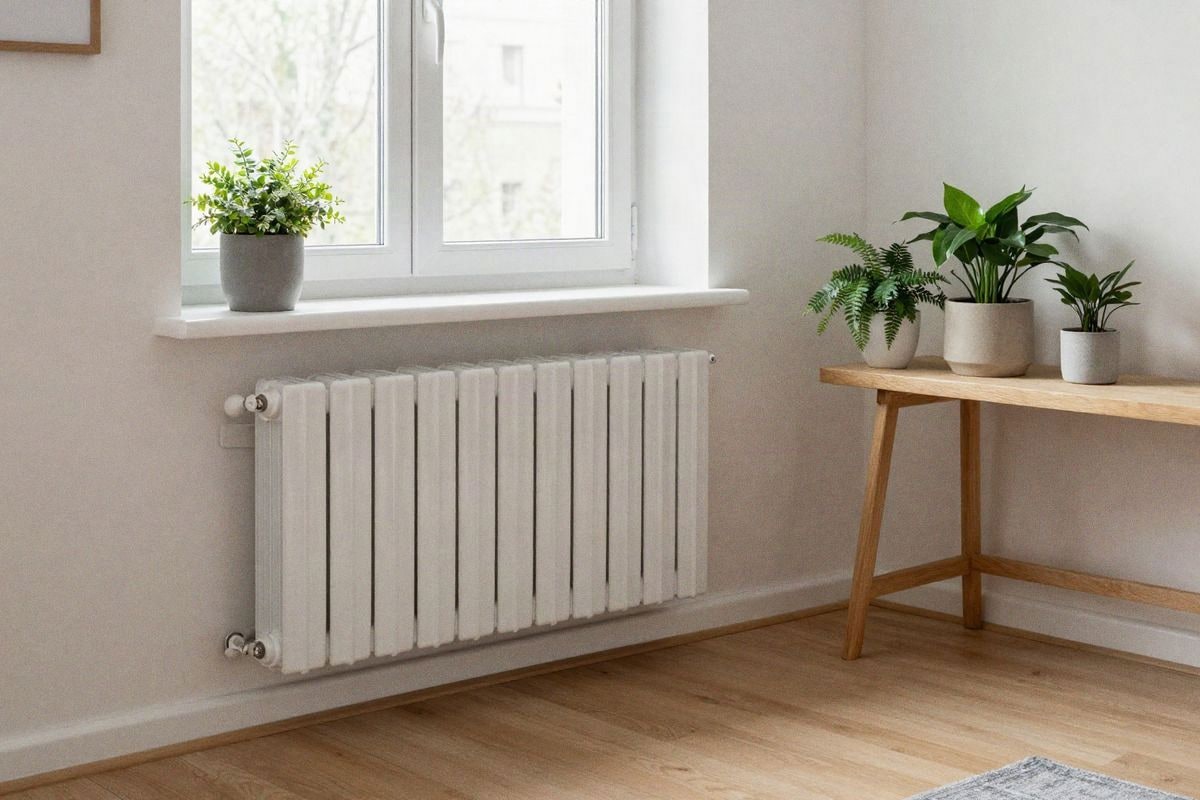
For small spaces, short horizontal radiators (30-40 centimeters) that fit under small windows are the ideal solution. They efficiently heat the space without taking up visual prominence. In a 45-square-metre apartment, making a radiator invisible is almost as important as it functioning well. Place yours under the window and position a decorative console or floating shelves right next to it to create a cohesive functional area.
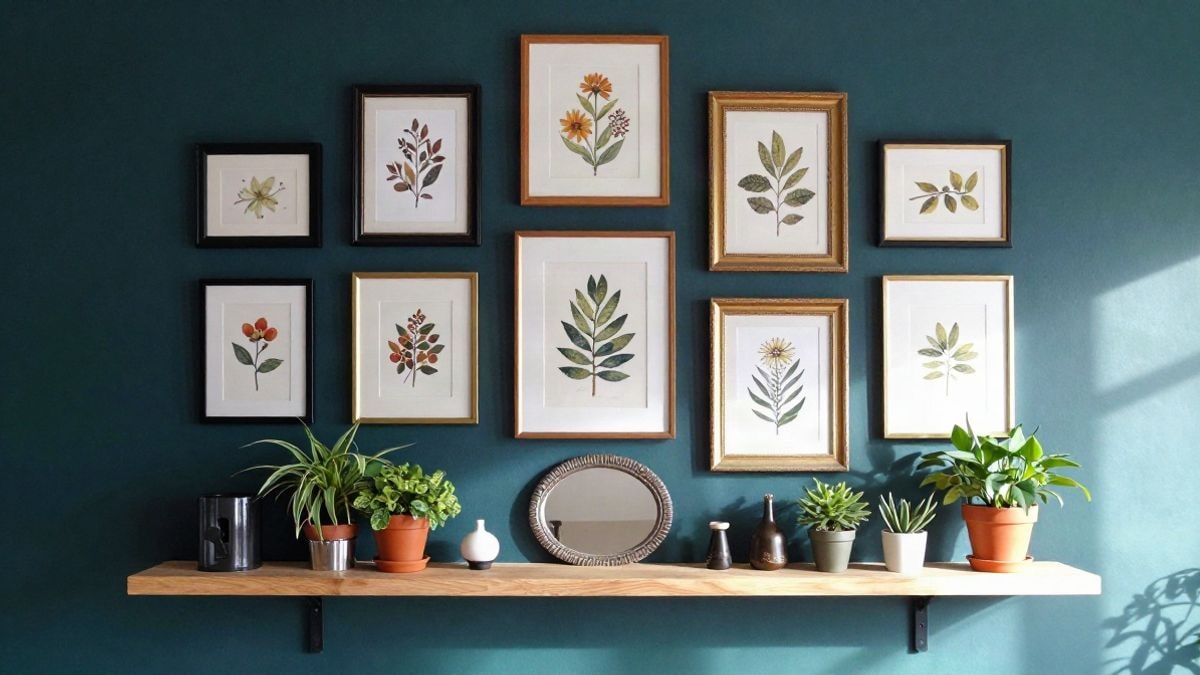
Integration with accessories is the final touch: a radiator does not live alone. If it is minimalist and white, surround it with plants in Nordic pots. If it is industrial, hang a metal-framed mirror next to it. If it is a tall vertical radiator, use the space below for a small coffee table or a low bench. The radiator becomes part of a broader visual composition where nothing is superfluous and everything makes sense.
Some modern radiators include shapes that allow for decorative objects to be placed on top or beside them, as if they were functional furniture. This is the case with certain models that have integrated trays or flat surfaces where you can rest plants, candles, or books. This multifunctionality is what makes them stop looking like radiators and become furniture pieces with their own character.
In the end, a decorative radiator that doesn’t look like a radiator is simply one that was deliberately chosen as part of your decor project. It is not an accident, it is not something to hide behind curtains or panels, but an element that you decided should be visible because it adds to the overall aesthetic. That shift in mindset is what transforms a radiator into a detail that guests will notice without being able to pinpoint exactly what makes the space feel more thoughtful and harmonious.

You may also like