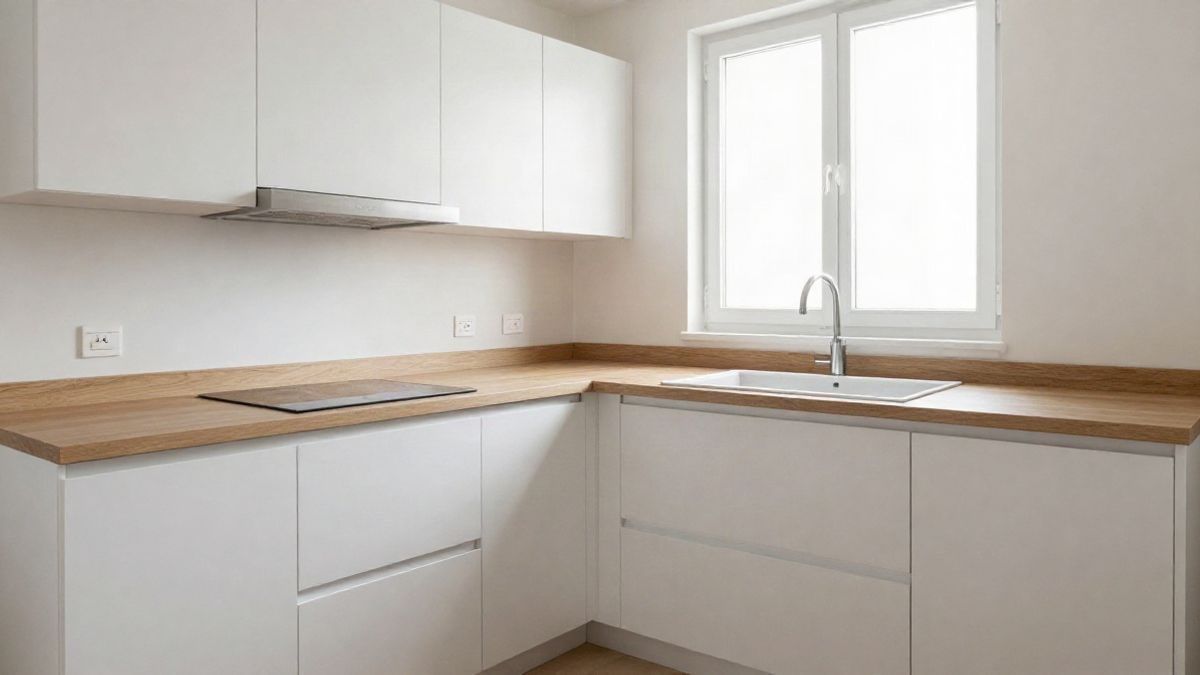
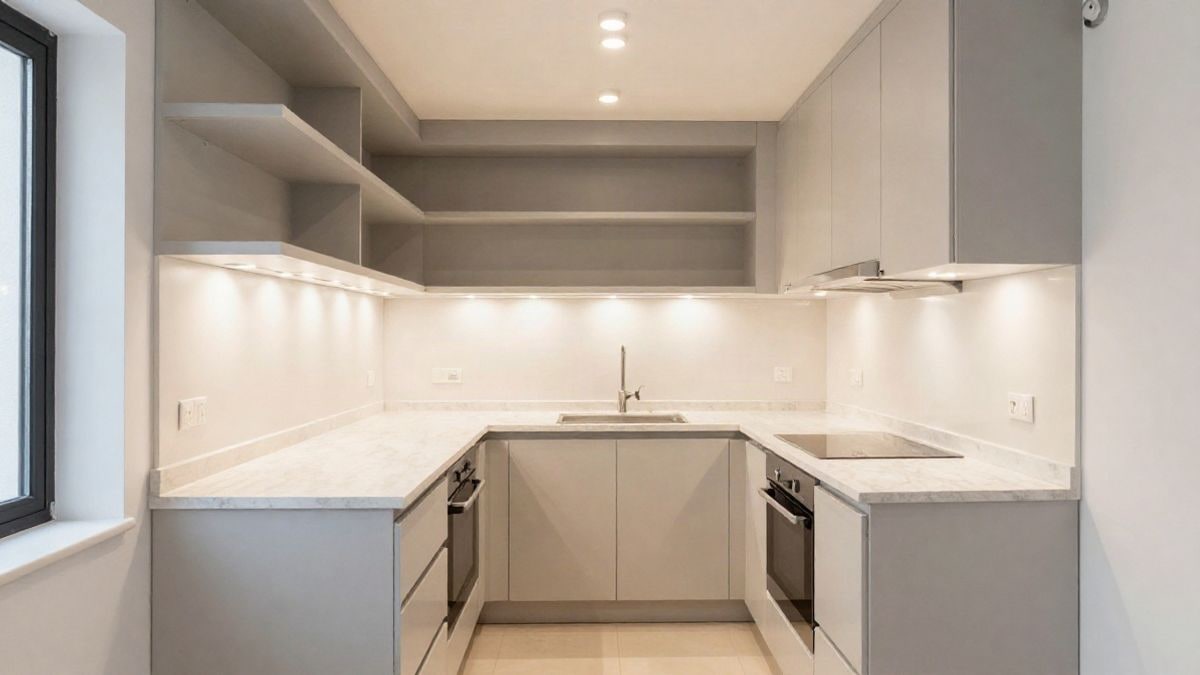
At Casa y Deco, we love that moment when someone tells us their kitchen is tired, discoloured, and looks like it's from another era. But then they add: "However, the furniture is in perfect condition." That's when we smile because we know that half the battle is already won. The truth is that renewing a kitchen without touching the furniture is perfectly possible, and sometimes the result is even more interesting than a radical change.
I confess that for years I thought an old kitchen necessarily needed new furniture. Then I discovered that what really ages a space is not the structure of the cabinets, but everything else: the accessories, the wall colour, the lighting, the cladding, the handles. Changing those elements costs a fraction of the budget of a major renovation, and the visual impact can be just as spectacular. Today we want to share with you the strategies that have given us the best results in transforming old kitchens while keeping the investment to a minimum.
The Importance of Colour on the Walls and Fronts
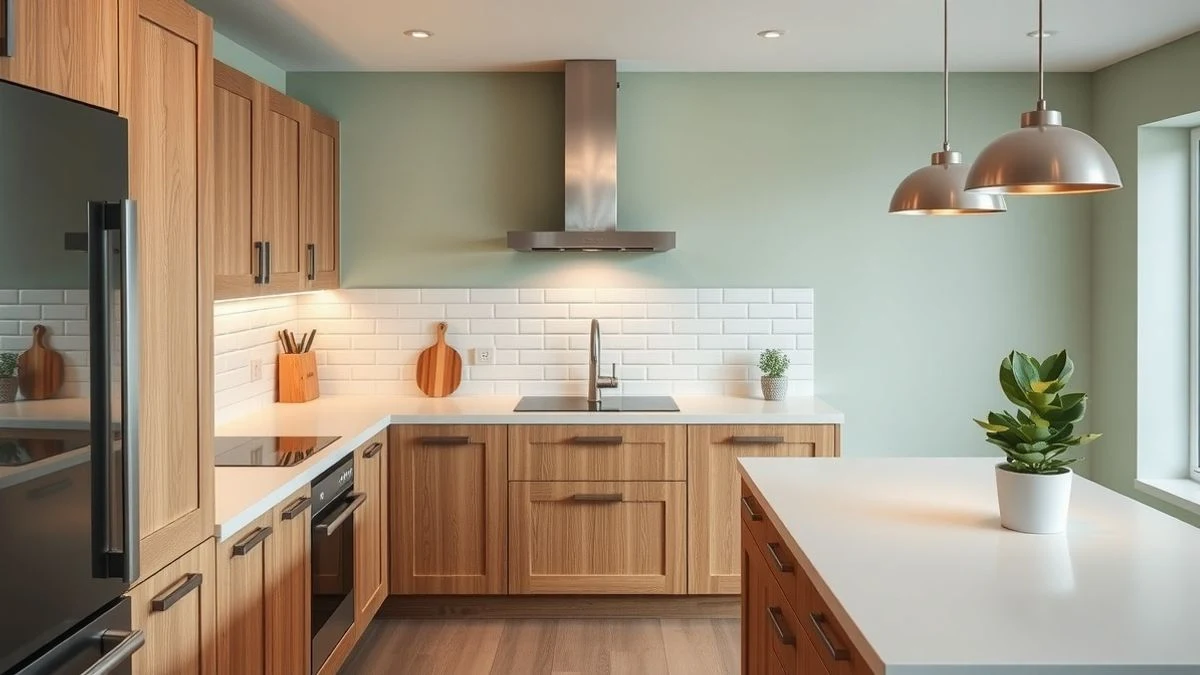
The most obvious but also the most effective: painting the kitchen walls changes its perception one hundred percent. It's not just about choosing a neutral white —although there are many types of white— but about daring to use tones that reflect what you want the space to feel like. Soft greys, earthy tones, even a very sophisticated olive green can turn a bland kitchen into a place with personality. We have seen kitchens completely transformed with a deep-coloured wall while the rest remains a warm white. It creates depth without the need for demolition.
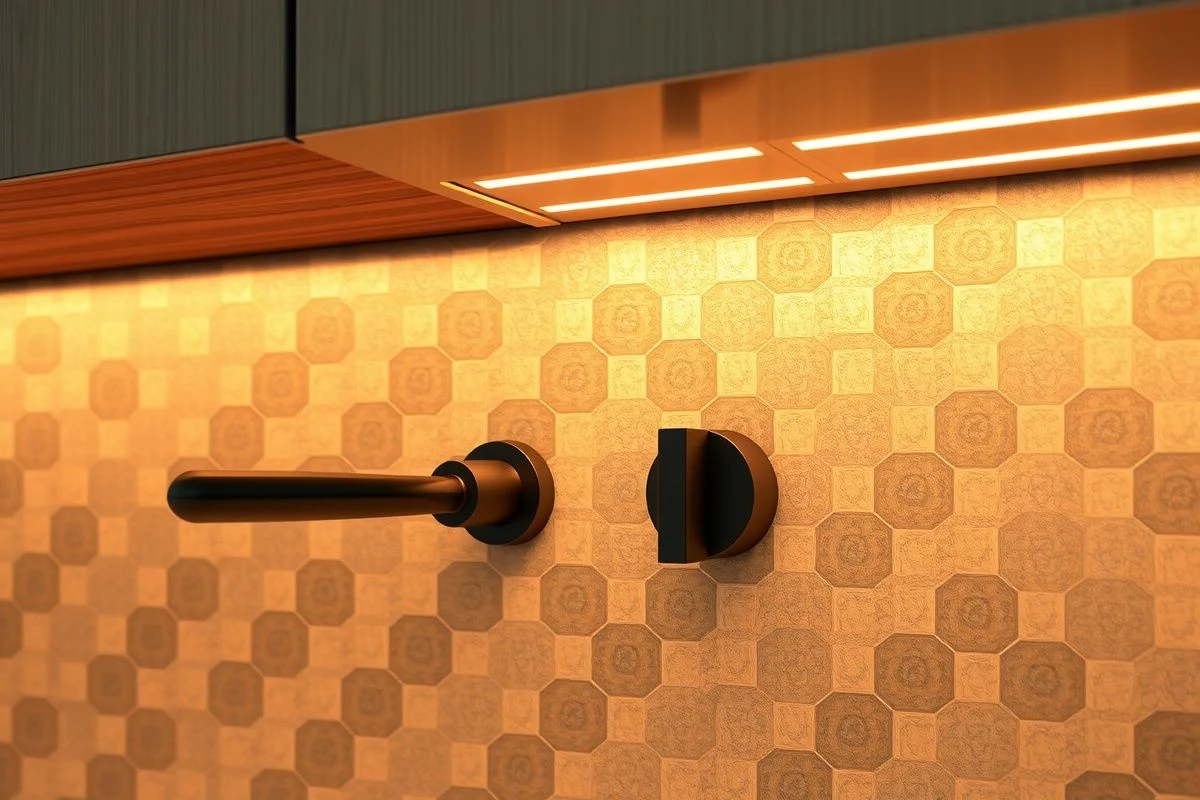
If you have old backsplash tiles —those classic beige or pastel green tiles that were so common in kitchens twenty years ago— consider a temporary cladding that doesn't require renovation. There are adhesive sheets and vinyl panels that mimic ceramics, bricks, or even polished concrete with surprisingly realistic results. The investment is minimal and perfectly reversible if you ever want to go back. We always recommend preparing the surface well by thoroughly cleaning and removing accumulated grease; otherwise, the result will fail.
Another lesser-known but very effective option: painting the tiled front with specific ceramic paint. Yes, it can be done. A dark colour here can be the best decision because it hides dirt and creates visual contrast. We have seen dark greys, very sophisticated blacks, even navy blues that made the tiles look completely new. It requires several coats and the right product, but the cost is still negligible compared to replacement.
Lighting: The Magic Wand That No One Mentions Enough
An old kitchen often has poor lighting, and that is the biggest saboteur of any renovation attempt. Those fluorescent lights from fifteen years ago not only give a depressing light, but they also age the colours, make clean things look dirty, and rob the space of character. Changing the lighting is something that requires an electrician, yes, but it's relatively quick and doesn't touch the furniture.
Replace those fixtures with modern options with integrated LED. The difference between warm light —around 3000K—, neutral —4000K—, and cool is huge. For kitchens, we usually recommend a mix: neutral or slightly warm light in work areas (over the countertop, above the cooking area) and warmer light in living areas if the kitchen is open. Add focused light points: small pendant lamps over the island if you have one, or wall sconces on the fronts of the upper cabinets. Spot lighting makes a kitchen look more modern and welcoming instantly.
Don't neglect indirect lighting. Those LED strips that are hidden behind the upper cabinets or under the lower ones create a completely different atmosphere at night and are cheap to install. Our little secret: getting an old kitchen to look different often just requires good lighting.
Accessories and Hardware That Make a Difference
Here comes the fun part: changing the cabinet handles is quick, cheap, and gives a spectacular visual twist. Those shiny gold or silver metal handles we all had in 2005 can go out the door if you want. Replace them with modern hardware: brushed steel, matte black, brass, or even wood. Size also matters. Larger, minimalist handles give a more contemporary feel than those small, ornate ones.
Along with the handles, check the condition of the hinges and latches. If they are rusty or the latch doesn't work well, a repairman can make them new or replace them. This is invisible but transforms how the kitchen is used every day, and visually, quality latches give a sense of well-maintained furniture.
Countertop: if it's that worn beige marble or that granite with strange veins that was so common, consider a temporary cladding. There are adhesive sheets that mimic white marble, dark granite, or polished cement with credible results. It's not a forever solution, but it costs little and renews the space immediately. If you prefer to make a slightly larger investment, a high-end vinyl covering or even a resin coating over the existing countertop can last for years. This does require a professional, but it's not heavy construction.
Textiles, Plants, and Decoration: What Makes It Feel Alive
An old and lifeless kitchen transforms with details. New curtains or a minimalist roller blind replace those yellowing lace curtains that have accompanied the kitchen for a decade. Choose lightweight fabrics in neutral colours or with a soft pattern that matches your new colour palette.
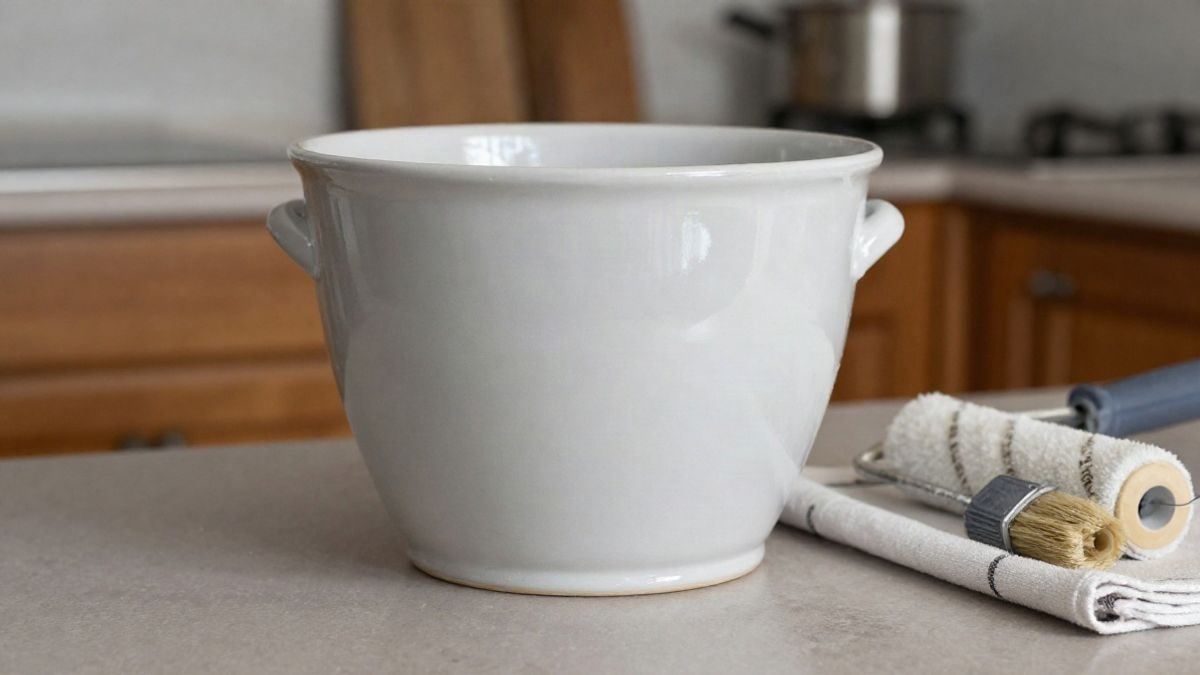
Add plants. One or two green plants generate so much life in a kitchen that it feels like you've done a complete renovation. They don't have to be sophisticated: a hanging pothos, a monstera in a corner, or a small pothos on a shelf work wonders. I confess that sometimes we place a plant in a kitchen and it's the first thing the client sees with positive eyes. It's almost irrational how much impact a modern ceramic pot with a green plant has in an old kitchen.
Wall decoration also counts. Remove all those randomly distributed little pictures or those calendars from years ago, and let the walls breathe. If the kitchen is open, you can place one or two good-sized paintings. If you prefer something more functional, a painted magnetic board or a modern design mirror can be on a visible wall and visually expand the space while serving a purpose.
The Floor: When It's Possible to Renew It Without Major Work
If the floor is in good condition but looks old —those beige tiles or that worn wood-look linoleum— there are alternatives. New generation self-adhesive vinyl sheets give a completely convincing wood or polished concrete floor appearance. If you want something more durable, luxury vinyl or a vinyl wood mesh are intermediate options that don't require adhesives or cementation, but fit together like a puzzle. The cost is much lower than completely changing the floor, and it installs in days.
If your floor is older and damaged in some spots, an alternative is to use vinyl carpeting in high-traffic areas to disguise it, and consider polishing or restoration if there's original wood under layers of varnish. It's not always possible, but if you find that there's a good wooden floor underneath, restoring it is much cheaper than buying a new one and usually gives spectacular results.
Order and Storage: Making the Old Space Functional
A kitchen that looks old is often simple: it's cluttered. If the old furniture is stuffed with gadgets, assorted plastic containers, and everything piled up without a system, the visual renewal will only go as far as the clutter allows. Investing in smart storage solutions within the existing furniture gives a sense of a larger and more modern space. Organisers for cabinets, modular drawers, sliding tray systems in the lower cabinets: things that don't cost a fortune and completely reorganise how you use the kitchen.
Keep the countertops as clean as possible. Store everything you don't use daily inside the cabinets. A nice jar with knives or wooden spoons, an elegant soap dispenser, and little else should be out. This small visual gesture makes the kitchen look magazine-worthy, regardless of whether the furniture is new or not.
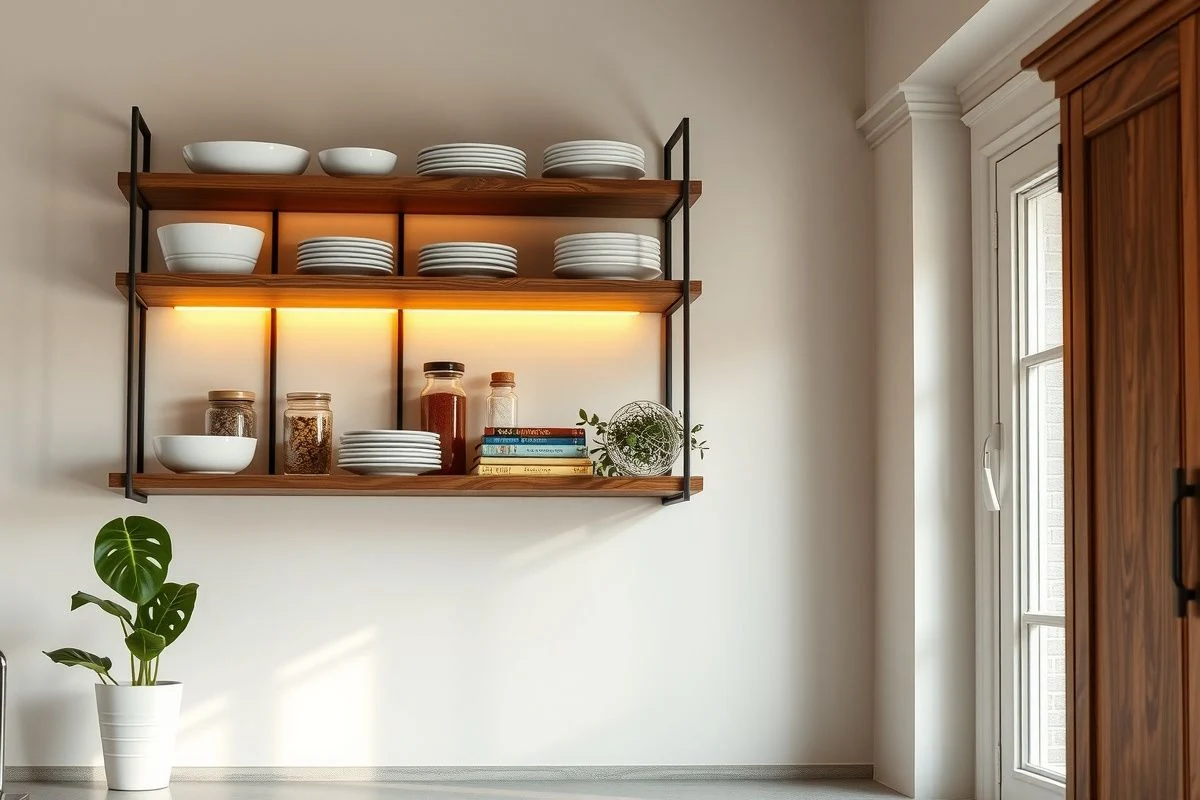
Consider mounting a modern open shelf on an available wall. It can be made of iron and wood, painted steel, or glass. Fill it with beautiful items: glass bottles with bulk spices, recipe books with attractive covers, ceramics or glass that you like. Well-executed open shelves connect an old kitchen with a more contemporary one almost instantly.
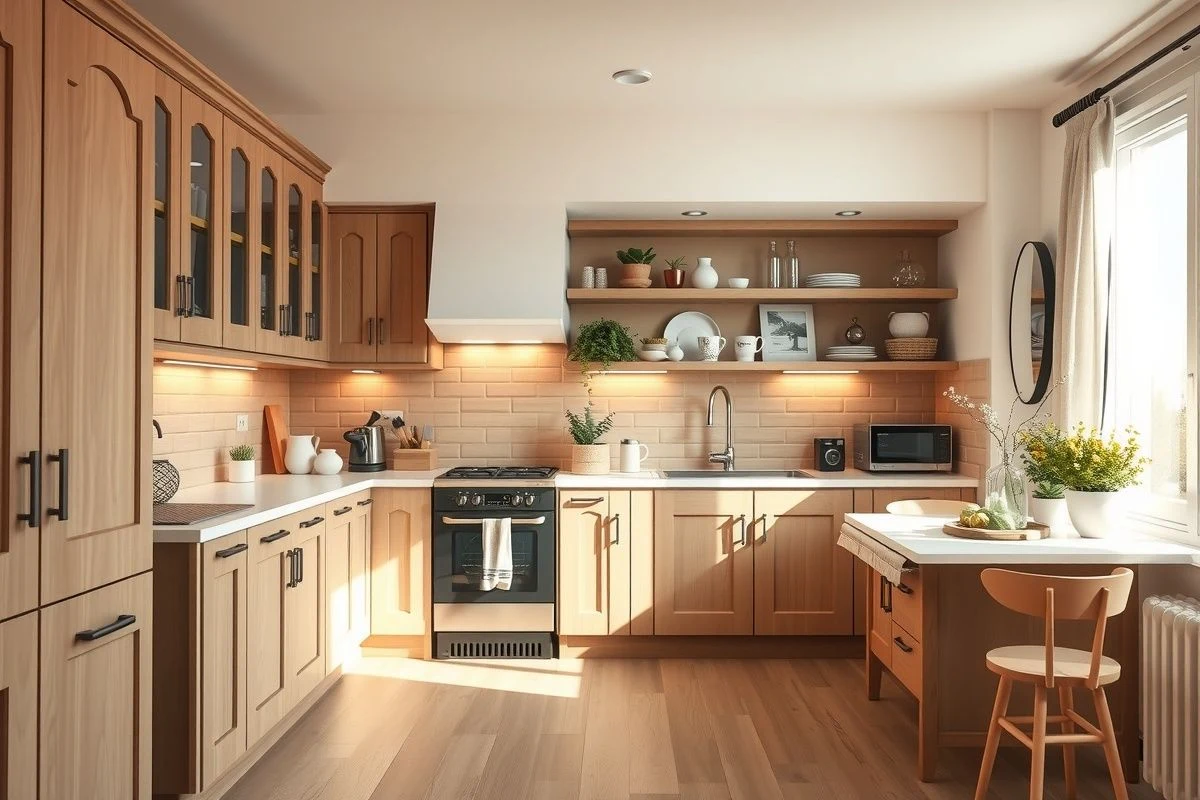
Renewing a kitchen without changing the furniture requires vision and small strategic investments instead of an expensive renovation. Colour, light, accessories, textiles, and order transform the space. If there's one thing we've learned at Casa y Deco, it's that often the biggest enemy of change is thinking that everything has to be "new" to be "better." Your old kitchen has potential. It just needs you to awaken it.

You may also like