At Casa y Deco, we love discovering how technology can enhance our spaces without the need for complicated renovations or astronomical investments. Home automation, a term that sounds like something for millionaires, is much more accessible than you think, and today we want to tell you exactly how to get started.
The good news is that you don’t need to reconfigure your entire home at once. Modern home automation systems work in modules: you install what you need now and add more functionalities whenever you want. Many people make the mistake of thinking that home automation requires special wiring or construction work, but the reality is that there are wireless and plug-in solutions that fit perfectly into any home, whether newly renovated or not.
What is home automation and why should you care
To simplify a lot: home automation is using technology to automate household tasks. From turning on lights with your voice to adjusting the heating temperature from the sofa, or receiving an alert if the door opens while you sleep. The goal is your comfort, security, and energy savings.
I confess that my first reaction was to think it was an unnecessary luxury. Until a friend showed me how he had installed a smart lock at his entrance and managing keys stopped being a drama. Since then, I’ve seen the way many people interact with their homes completely transformed.
The most important thing is to understand that it’s not about having a futuristic home. It’s about solving real problems: do you forget to turn off the lights? Would controlling the temperature from bed save you fuel? Would you like to know if you left the patio door open? That’s where home automation begins.
Where to start: the most useful and economical devices
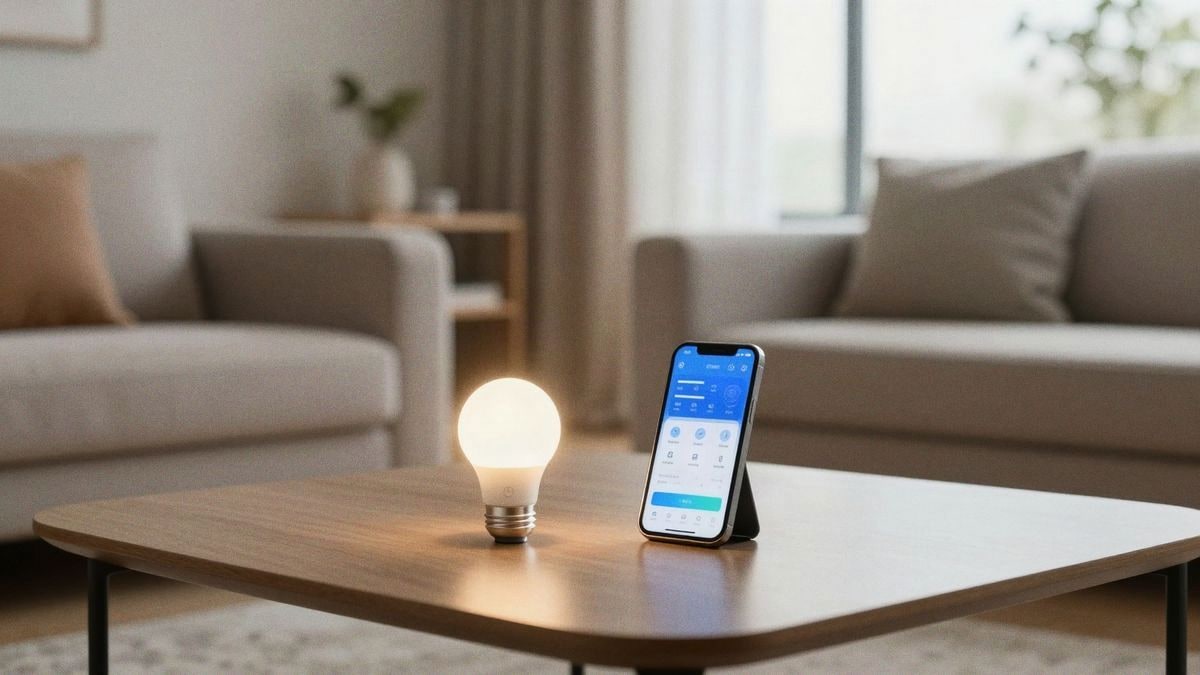
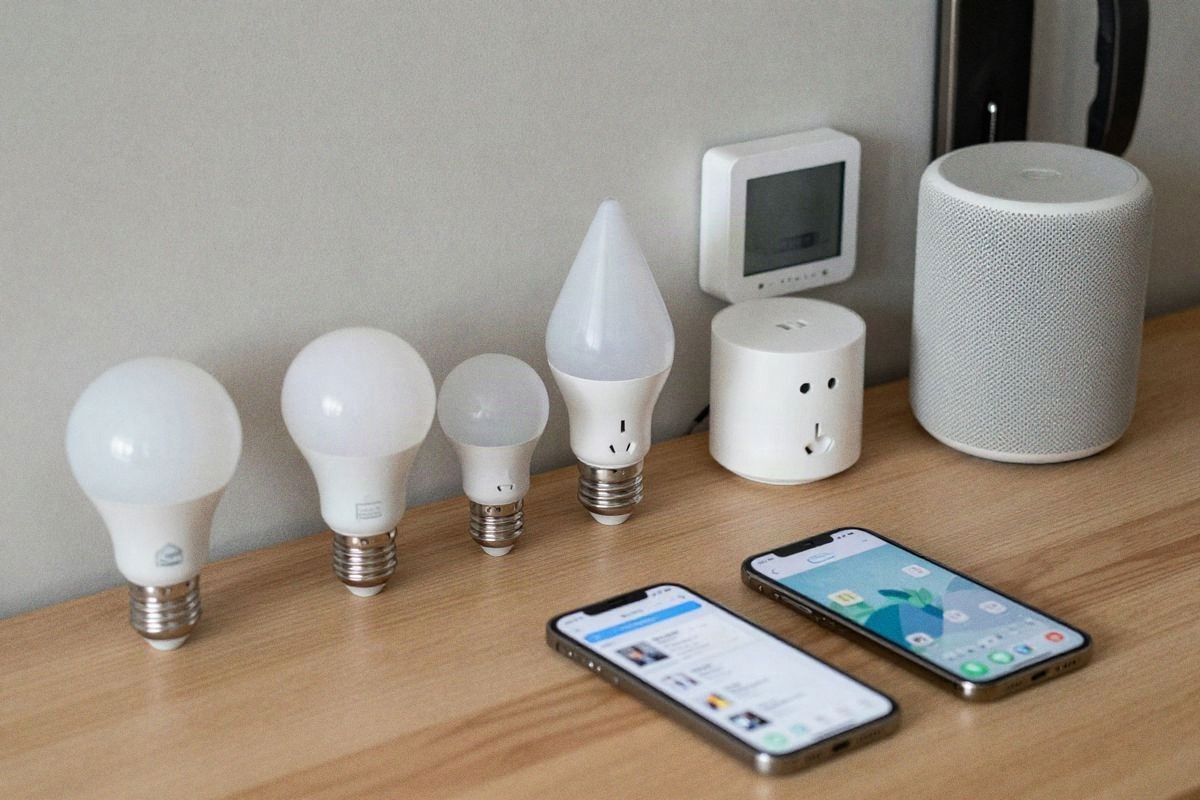
Smart bulbs are the perfect entry point. They are cheap, require no special installation (they fit into any current lamp), and the results are immediate. You can turn them on, off, dim them, and even change the colour from your mobile. If your living room has standard ceiling lamps, just screw in the smart bulb and you’re done.
Smart plugs are the second step. You connect an appliance (a floor lamp, a fan, a portable heater) to a smart plug, and from that moment on, you can control it remotely. Some even monitor energy consumption, helping you identify which appliances use the most power. They are discreet, take up little space on the power strip, and work independently without the need for other devices.
Smart speakers deserve a separate chapter. Beyond playing music, they allow you to control everything else with your voice. Imagine cooking with your hands full and being able to tell the speaker to raise the temperature of the house or turn off the living room lights. Voice integration saves mental effort and is especially useful in kitchens and bedrooms.
Smart locks transform home access. You no longer need to search for the key in your bag; you unlock with your mobile, a numeric code, or even a fingerprint. For families with children, elderly people, or if you work from home receiving repairmen, this is a game changer. Most are installed without construction, replacing only the interior cylinder.
Sensors: the silent brain of your smart home
Motion sensors allow for true automation. When you enter the hallway, the lights turn on by themselves. When there’s no movement for ten minutes, they turn off automatically. In small bathrooms or pantries, this is not only convenient but also saves energy constantly.
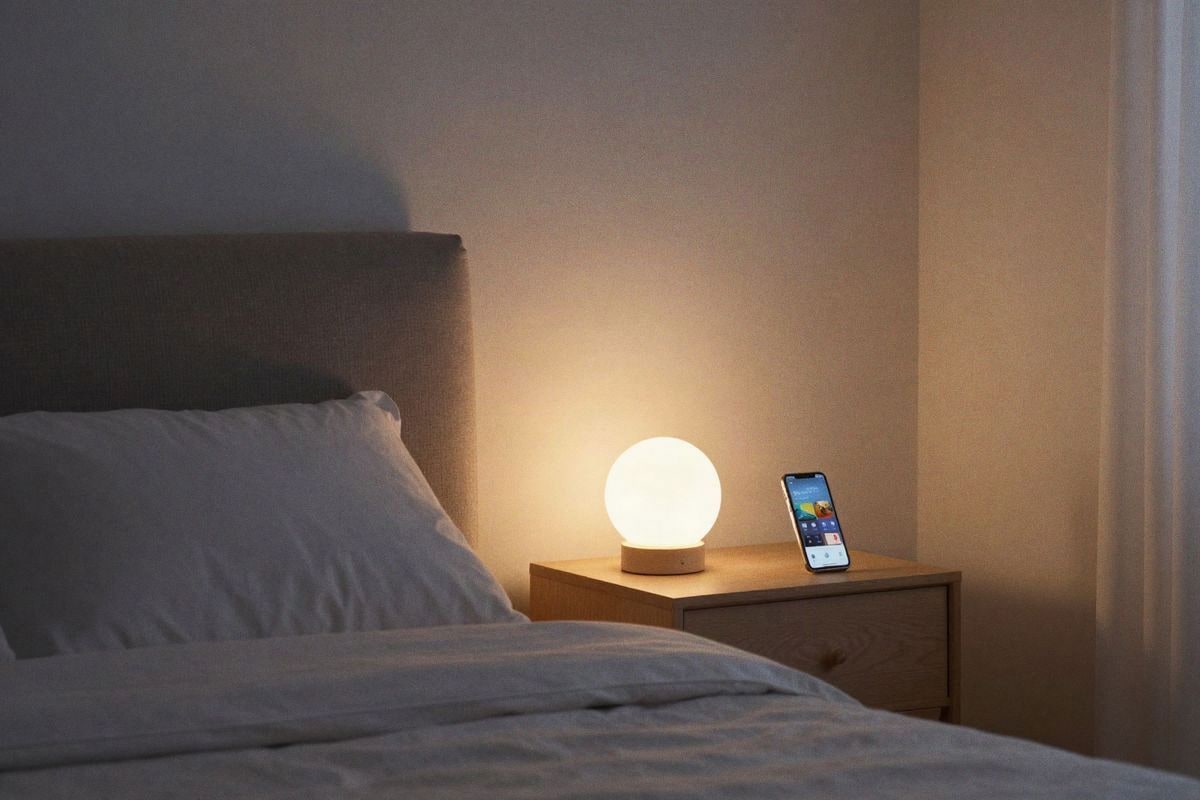
Door and window sensors alert you if they open unexpectedly. Ideal for homes with balconies or porches, or if you have pets roaming around. They also serve as reminders: if you leave home and your app alerts you that the bedroom window is still open, you can return to close it instead of worrying on the street.
Temperature and humidity sensors are especially useful in spaces like basements, attics, or utility rooms where you don’t frequently spend time. They detect unexpected changes: a leaking pipe, a water leak, or simply excessive humidity that could damage furniture or documents. Some are designed to be mounted on the wall with adhesive, without the need for holes.
Creating smart routines without complications
The real magic happens when you combine several devices into what is called a routine. For example: when you leave home (detected by your mobile's geolocation), the smart lights turn off automatically, the locks close, and the thermostats switch to energy-saving mode. When you arrive, everything gradually turns on so you find the house welcoming.
A morning routine could gradually turn on the lights in the bedroom and bathroom so you wake up slowly, raise the temperature to 21 degrees, and turn on the smart coffee maker. It seems like something for the wealthy, but these systems are accessible because almost all basic devices work together through simple applications.
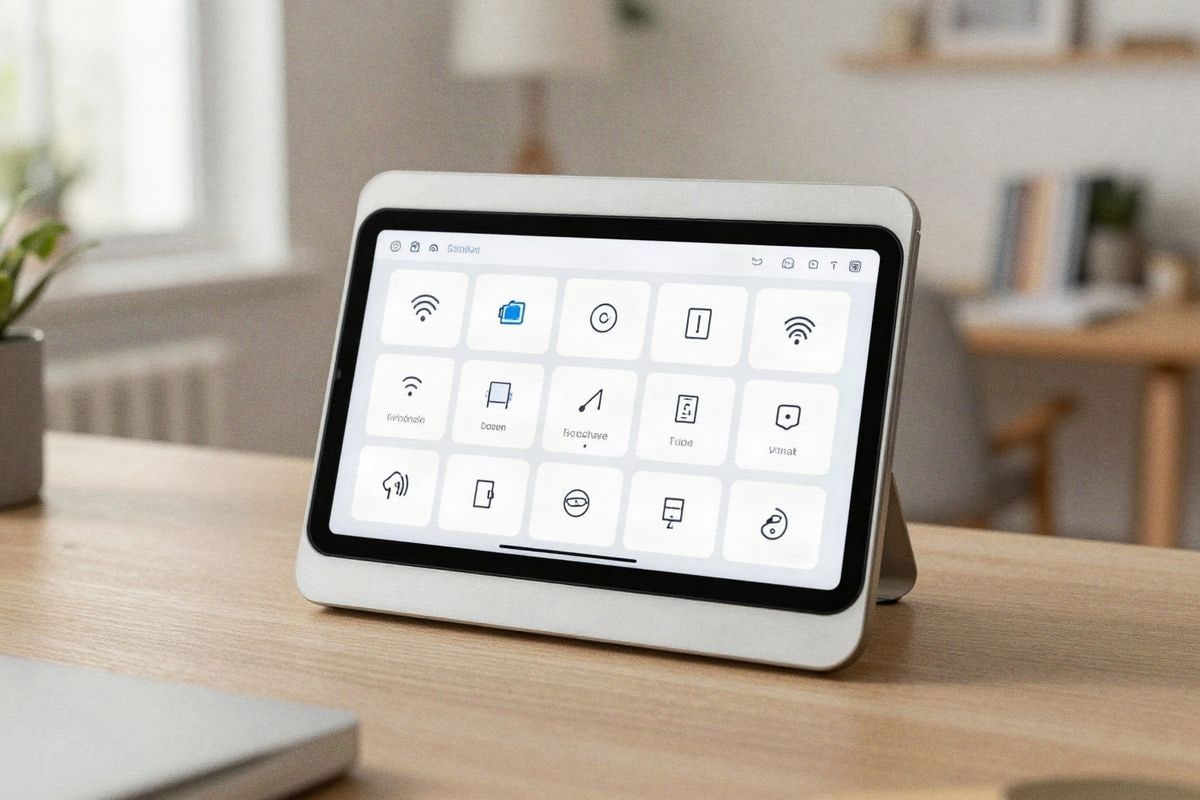
You don’t need a professional installer. Most mobile applications have intuitive interfaces where you simply select devices, set conditions (if it rains, if it’s after 10 PM, if it detects movement), and define actions. Spend the first month experimenting: try different routines and adjust according to your real comfort.
Security and privacy: what you must not ignore
Before thinking about which devices to buy, make sure you have robust wifi. A weak connection means devices that don’t respond in time, delayed notifications, and guaranteed frustrations. If your wifi signal doesn’t reach well throughout the house, investing in a repeater or mesh wifi is more important than several smart devices.
Use strong and unique passwords for each application. I know, it’s tedious, but it’s your home. Enable two-factor authentication where available. Don’t share access with friends or leave the app open on shared devices. It seems obvious, but most home security problems occur due to negligence, not sophisticated attacks.
Choose reputable brands that regularly update their software. The cheapest devices on the market sometimes quickly discontinue support, leaving you vulnerable to new vulnerabilities. If something seems too cheap to be true, it probably is.
Realistic budget: how to build your system gradually
Let’s say you have between 150 and 300 euros to start. With 200 euros, you can buy a basic smart speaker, three smart bulbs for the main rooms, and two smart plugs. In three months, your experience will tell you if it’s worth expanding.
If we increase the budget to 500 euros, you would add a smart entry lock, door sensors for the main windows, and some additional plugs. It’s a functional system that covers security, lighting, and control of common appliances. For many people, this is sufficient for years.
With 1,000 euros, you already have a robust system: locks on main doors, smart lighting in all rooms, motion sensors in hallways and bathrooms, basic surveillance cameras, and a central control panel. The important thing is to be honest with yourself about what you really need, not what advertisements want to sell you.
Avoid the mistake of buying everything at once. Install the basics, use them for a month, measure if they really make your life easier, and then expand. I’ve seen homes where they invested a lot of money in automation that no one uses because it didn’t fit their real routine. Home automation should serve your life, not complicate it.
At Casa y Deco, we know that every home is unique. Your budget, your space, and your needs are not the same as your neighbour’s. That’s why the beauty of modern home automation systems is that you can start small, learn along the way, and grow without losing what you’ve already installed. The best thing is to start today, with just one smart bulb, and discover where it takes you.

You may also like