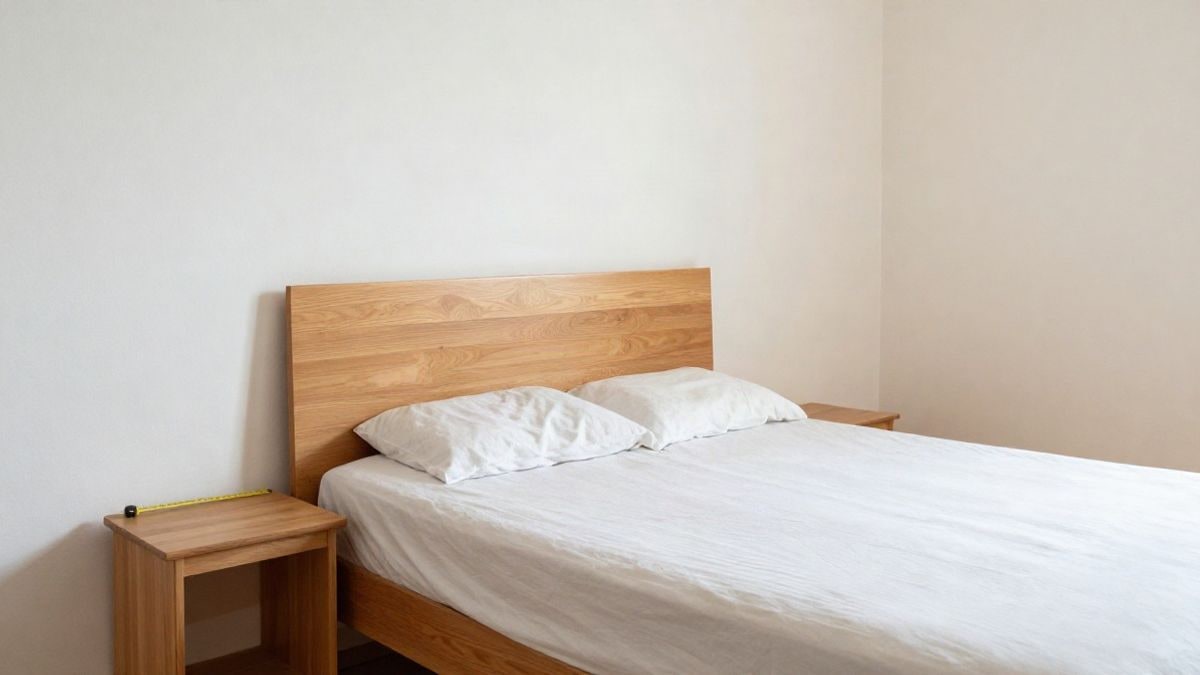
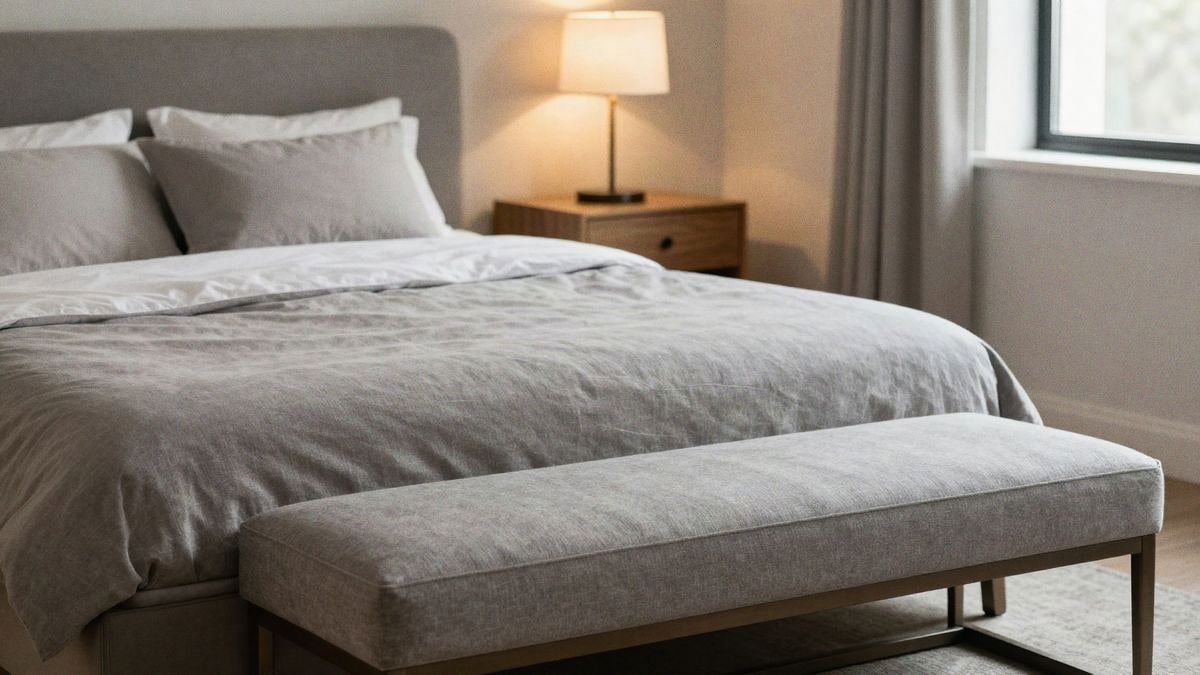
At Casa y Deco, we love observing how certain materials return to prominence in our homes, and linen is undoubtedly the reigning king of the moment. If there's one thing we've learned in our years covering interior design trends, it's that noble materials never go out of style; they simply wait for their moment to come back stronger. Linen is precisely that: a natural fibre that our grandmothers used daily and that we now discover (or rediscover) as the perfect solution for cosy, fresh, and authentic bedrooms.
The reason for this resurgence goes far beyond aesthetics. Linen offers a unique combination of breathability, durability, and temperature-regulating capacity that we simply do not find in cheap synthetic blends. Unlike pure cotton, linen maintains body temperature more efficiently, meaning that in summer it keeps you cool without sweating like in a heatwave, and in winter it provides warmth without trapping excessive heat. I confess that when I tried pure linen sheets a few years ago, they felt a bit rough at first, but after the first washes, the change was remarkable.
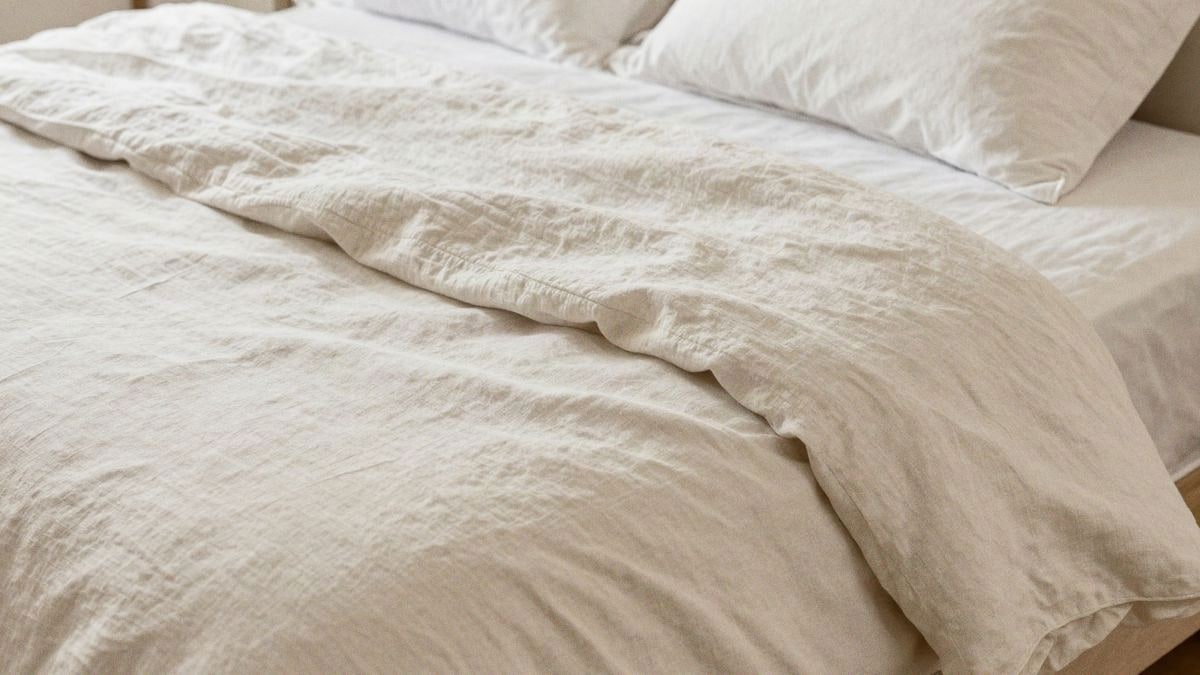
Durability is another point we cannot overlook. Unlike other fabrics that lose quality over the years, linen improves with time and use. Each wash makes it softer, more flexible, and more absorbent. If you invest in a good quality set, we're talking about something that can accompany you for decades. It's almost like a quality piece of furniture: an initial expense that pays off many times over in the long run.
Visually, linen brings an unmistakable texture that instantly transforms the bedroom. This natural, slightly wrinkled, and unpretentious look fits perfectly into styles like Nordic, rustic, Mediterranean, and contemporary minimalism. Most of the colours available in linen are neutral and earthy tones: off-white, cream, storm grey, beige, soft navy blue, and some sage greens that convey an instant calm upon entering the bedroom.
I know many people who were torn between linen and Egyptian cotton, thinking that the latter was automatically better because it is more expensive. The truth is that they are different, not better or worse. Cotton is softer from day one and feels more luxurious to the initial touch, but linen has that almost magical quality of becoming more comfortable with each wash. Moreover, linen is generally more sustainable: it requires less water to grow than cotton and is 100% biodegradable.
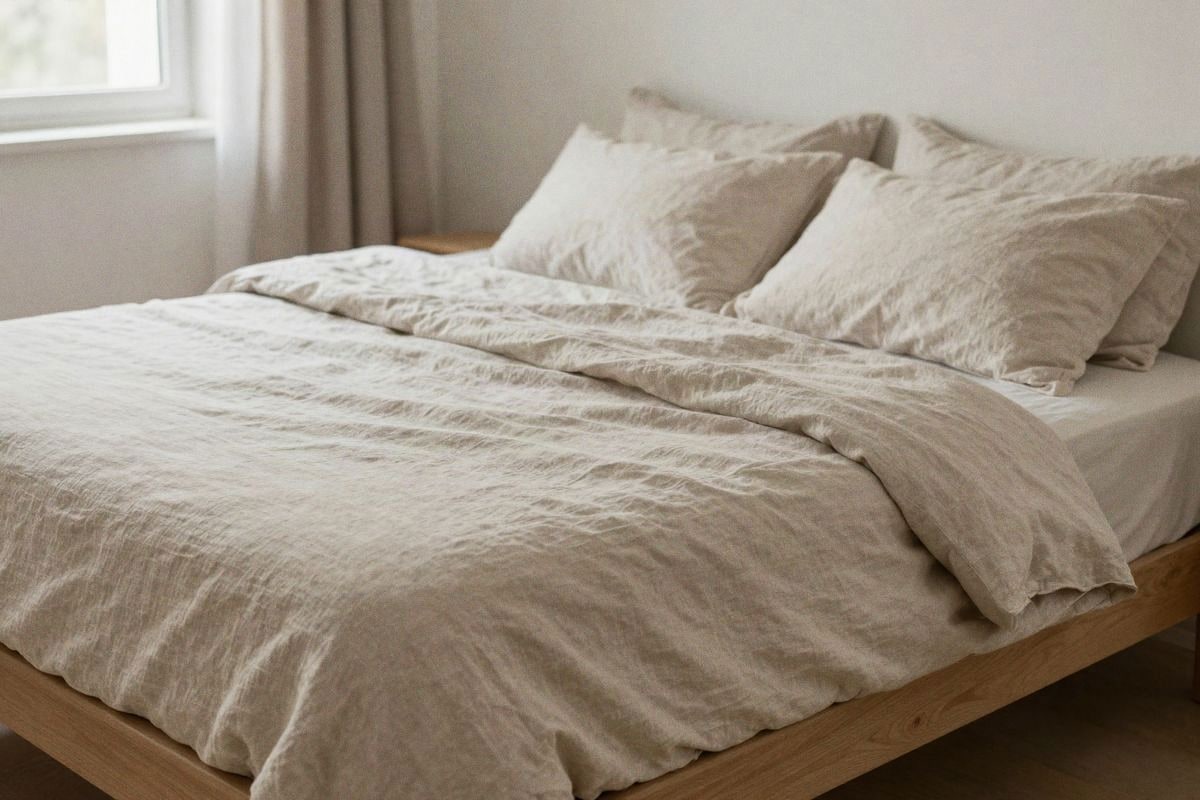
If you're thinking about changing your current bedding, the first thing you should consider is the density or weight of the linen. It is measured in grams per square metre (g/m²), and ranges from 150 to 250. A linen of 190 g/m² is perfect for daily use: sturdy enough but not too heavy. For very warm climates, you can go down to 150, and for particularly cold bedrooms, 220-250 is more suitable. This is not something you should guess: most serious brands indicate this information on the product sheet.
Colour is an important decision because you will spend eight hours every night on that bedding. Neutral tones like off-white or light grey visually expand the bedroom, especially in small spaces or those with little natural light. If your bedroom is rather dark or you want to create a cozier atmosphere, warm tones like cream or soft beige work wonders. Personally, in my home, we mix a base set of off-white with dark grey pillows, and the result is elegant without being cold.
Linen maintenance is surprisingly simple, which is another point in its favour. Wash in cold or lukewarm water with a mild detergent, avoid bleach, and you can air dry or tumble dry on low heat. Contrary to what many think, linen does not require special care: in fact, the simpler the cleaning, the better. Wrinkles are part of its charm, so you don't need to iron obsessively. If you really want them to look perfect, iron them while they are still slightly damp with gentle steam.
There is a little secret that not everyone knows about linen, and that is the initial shrinkage. The first wash can cause shrinkage of up to 5%, so it is important to wash before use if you prefer your sheets to be exactly the expected size. Many responsible brands already pre-wash the fabric, but it doesn't hurt to confirm. After that first wash, linen is stable and has no unpleasant surprises.
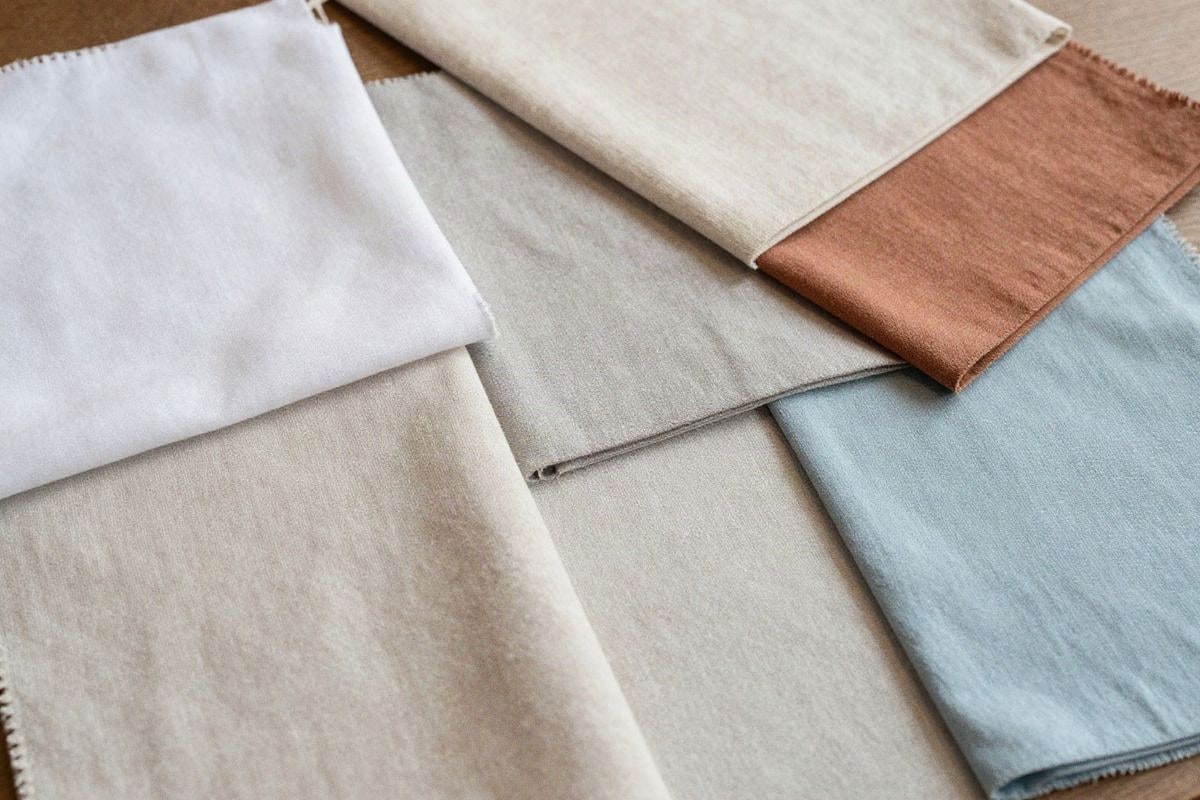
Combining colours in linen bedding opens up interesting decorative possibilities. An off-white fitted sheet, a light grey top sheet, and pillows in a calm blue create a sophisticated yet relaxing composition. If you prefer something bolder, linen in colours like terracotta or indigo blue works well as long as you use lighter tones for the resting points so that the bedroom does not feel overwhelming. The key is balance: if the bedding is colourful, the furniture and walls should be more neutral.
The weight of linen to the touch is another sensation that distinguishes quality products. Poor linen feels papery and fragile; good quality linen has a discreet but firm weight, like a quality piece of clothing. When you touch a sheet in a store or before buying online, this detail will tell you a lot about the price you should be paying. Not always the most expensive is the best, but too cheap is never the best.
Investing in quality linen bedding is one of those interior design decisions that directly affects your daily well-being. We spend about a third of our lives in bed, so it makes sense to invest in textiles that make us feel good. It is not a whimsical luxury; it is rather a practical decision that also allows you to create a bedroom with that touch of authenticity we seek in a modern home.
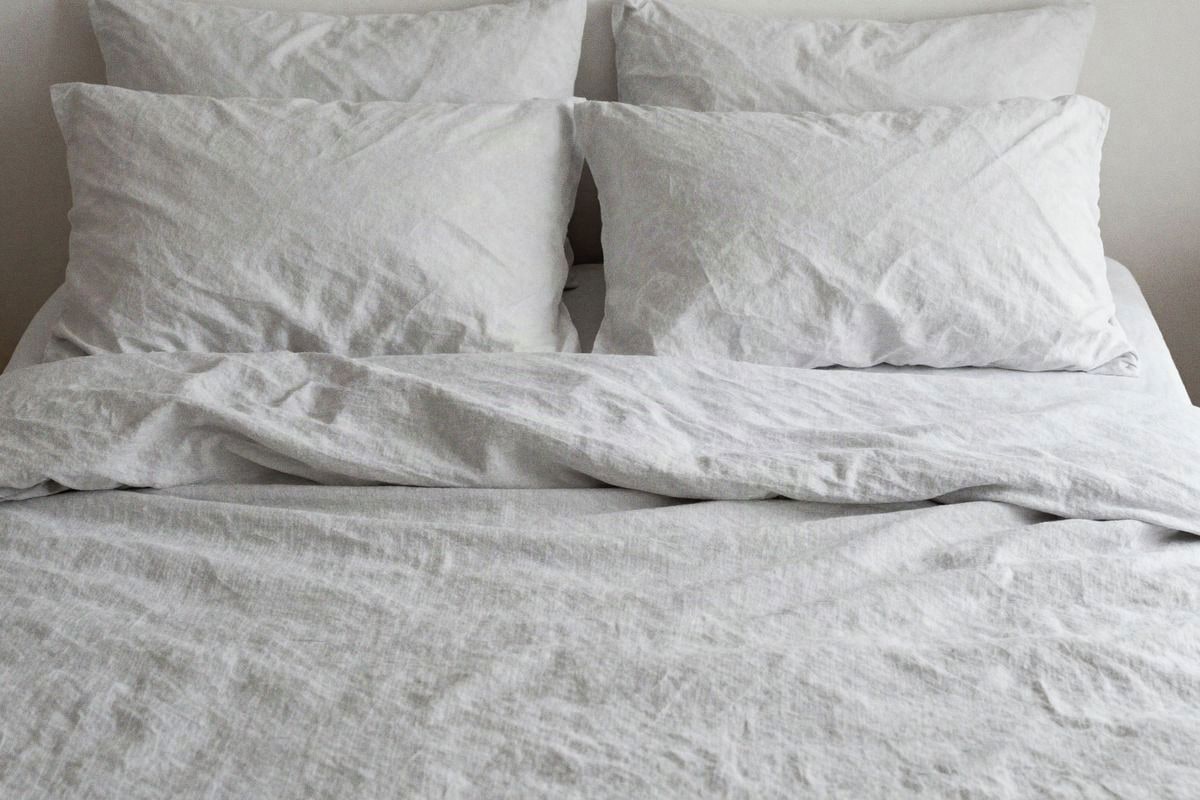
If you still have doubts, the best way to decide is to touch and compare. Many specialised home textile stores allow you to compare different densities and weights. Take time for this sensory experience: linen is a material that deserves to be explored before buying it. And if after reading this you are still not convinced, remember that our grandmothers did not sleep on lies. They knew something that we are rediscovering now.

You may also like